A Light-Based Option, Not a Cure
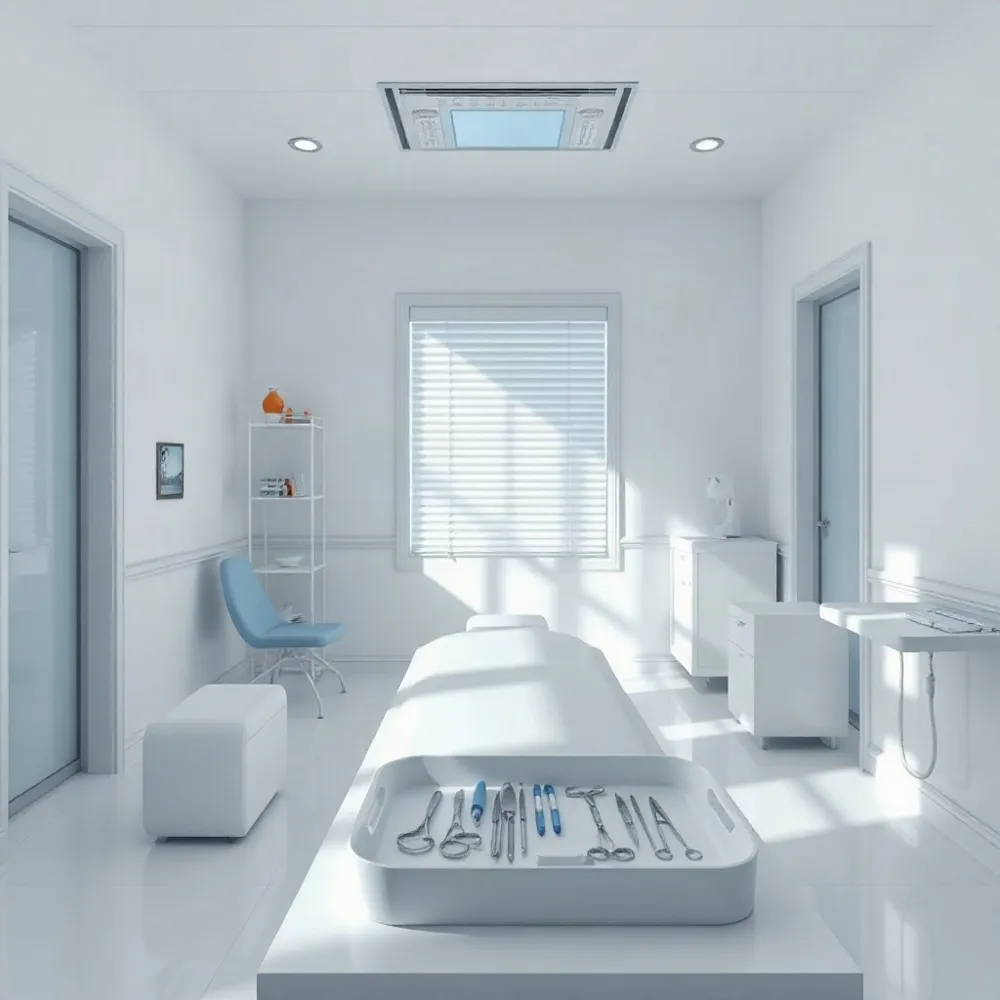
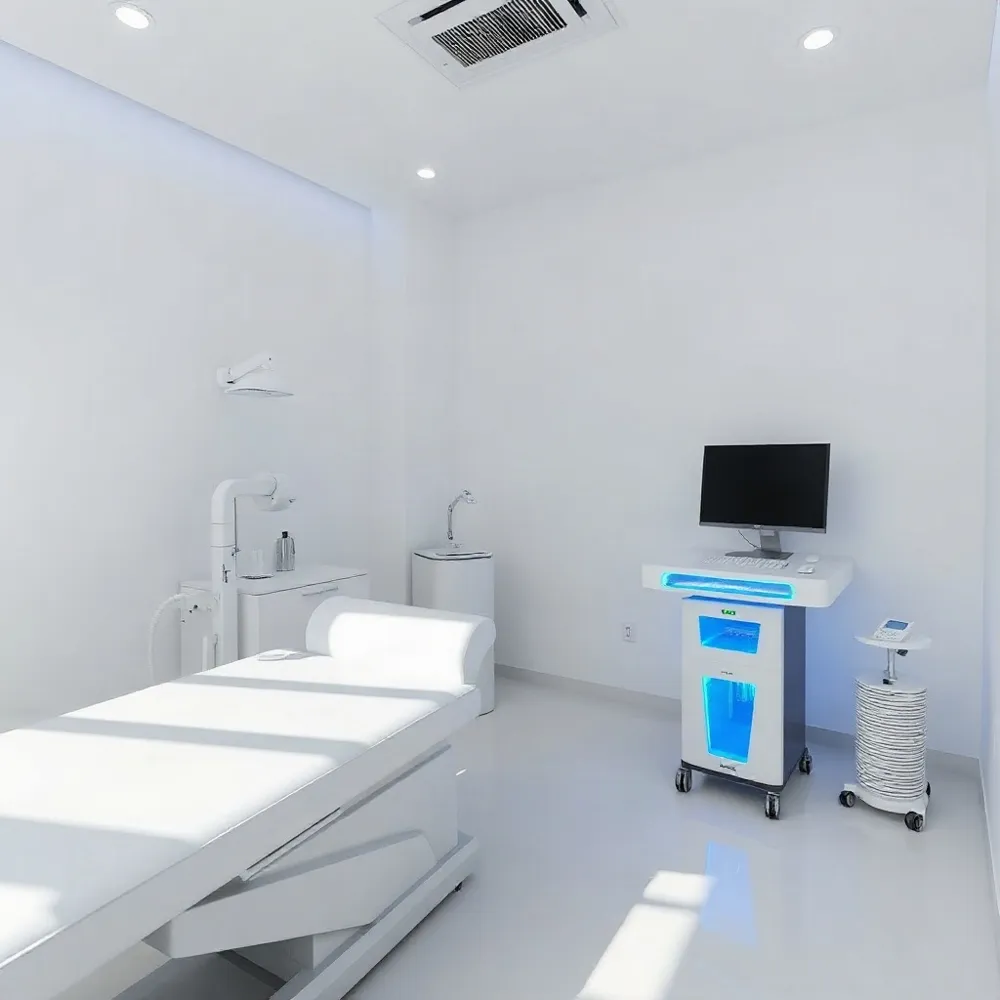
Back pain can have many causes, from muscle irritation to disc or nerve problems, so the same treatment will not suit everyone. Class IV laser therapy is a noninvasive option that may be considered in some cases. It uses light energy and does not involve an incision, but that does not make it a guaranteed fix or a substitute for finding out what is causing the pain.
Any benefit should be understood as possible symptom relief, not correction of spinal anatomy. Laser therapy does not realign the spine or repair a disc problem. Whether it belongs in a care plan depends on the diagnosis, symptoms, and treatment goals. An assessment can help distinguish conditions that may respond to conservative care from those that need a different approach.
At osistl.com, care for back and neck pain starts conservatively, with minimally invasive surgery considered when appropriate. A clinician can discuss options based on an individual evaluation, rather than assuming laser therapy is right for every patient.
What Laser Therapy Does
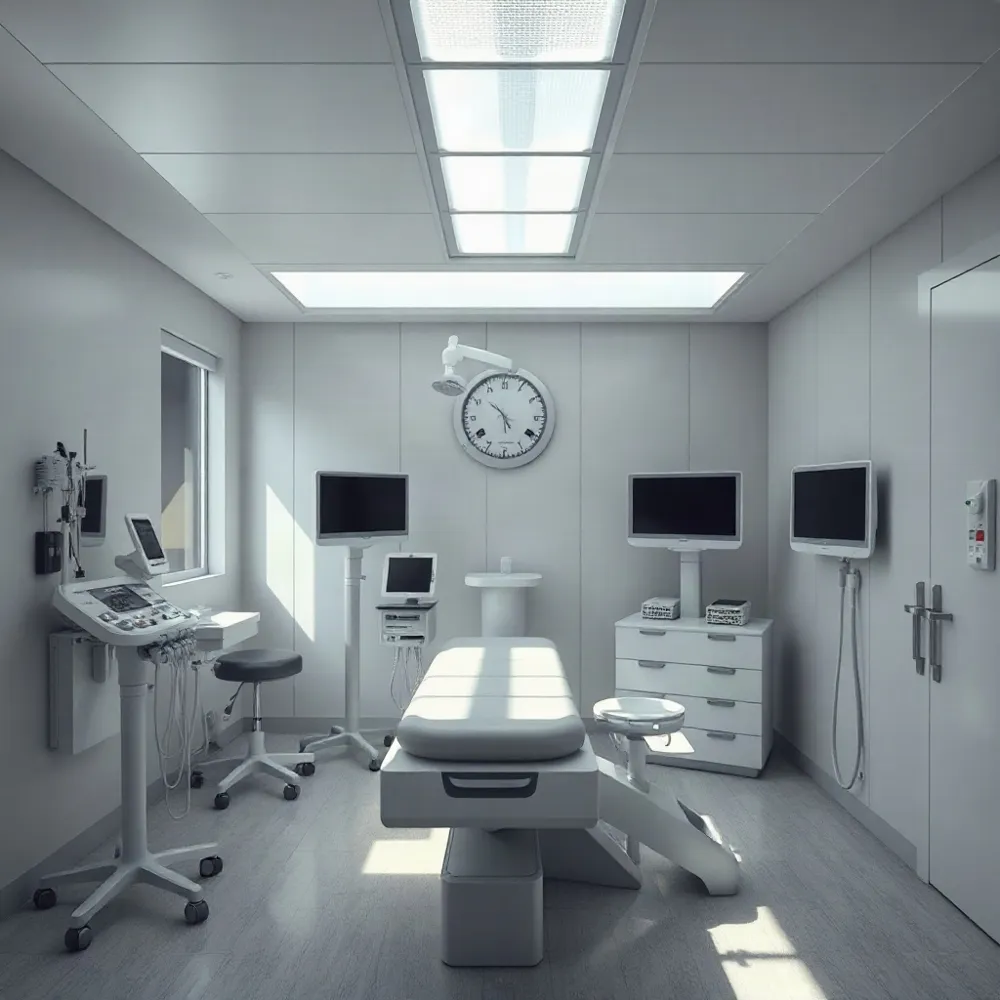 Laser therapy is a noninvasive treatment that applies specific wavelengths of light to tissue. This approach is called photobiomodulation: light is absorbed by cells and may influence their activity. It is a proposed biological process, not proof that treatment will relieve a particular person’s back pain.
Researchers have studied possible effects on pain signaling, inflammation, and cellular processes involved in tissue repair. A broad review of laser effects describes these mechanisms but also notes that outcomes and risks depend on the laser and how it is used (review of laser effects). The findings do not establish that every laser type works for every back-pain diagnosis.
The devices differ. Low-level, or cold, lasers are intended to work without producing heat, while higher-power Class IV devices may create a feeling of warmth in the treated area. Wavelength, power, and treatment protocols also vary, so results from one device or study should not automatically be applied to another.
Laser therapy may affect symptoms and local tissue activity, but it does not realign the spine or reverse structural problems such as a disc bulge or spinal stenosis. Those conditions call for assessment of their cause and impact. At osistl.com, care for back, neck, and sciatica pain starts conservatively, with minimally invasive surgery considered when appropriate.
For readers who want more detail on the proposed cellular process, photobiomodulation is explained in a related article. A spine-care clinician can help determine whether laser treatment is relevant to a diagnosis and how it might fit alongside other care.
What the Evidence Can Tell Us
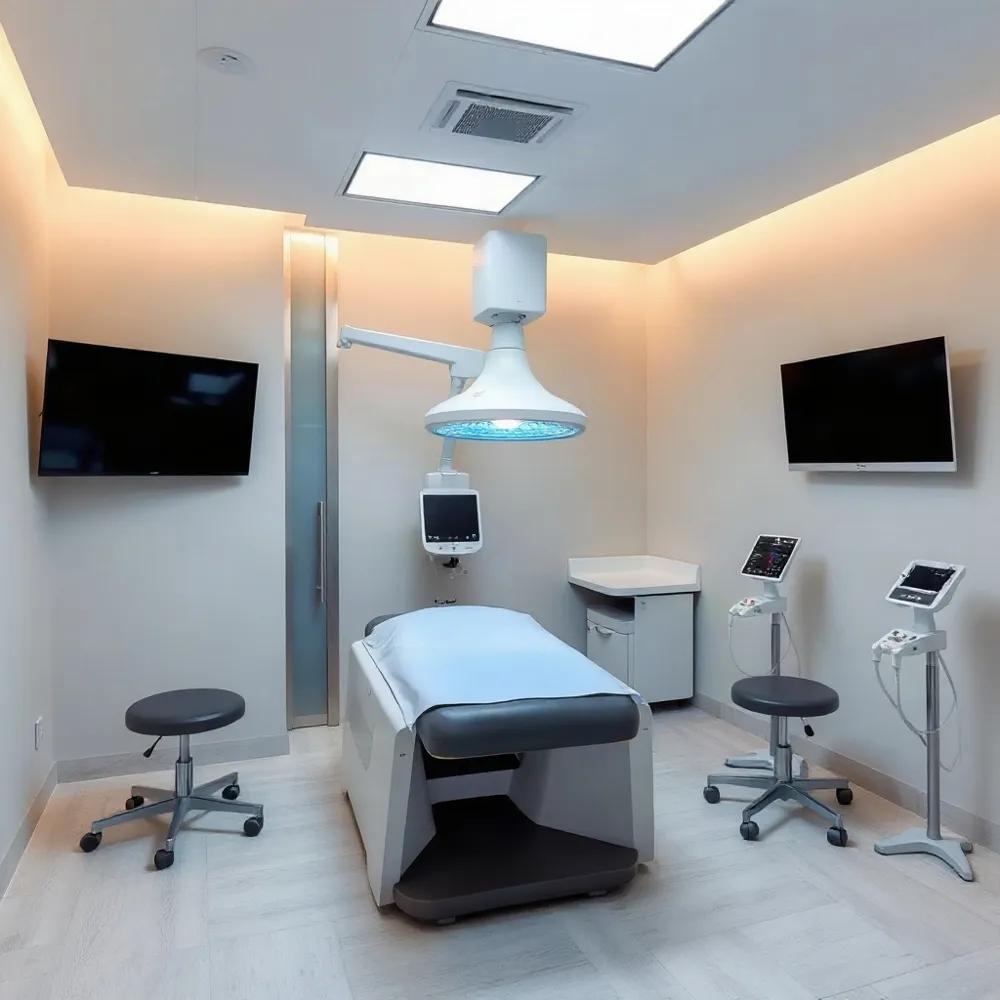 Can laser therapy help relieve back pain? It may reduce pain for some people, but results depend on the diagnosis and treatment used. Research findings are promising in some settings, not a prediction of what any one person will experience.
A 2023 review of randomized studies found that high-intensity laser therapy (HILT) favored control treatments for pain and disability outcomes in adults with low back pain. However, results varied substantially across studies, and the review does not show that every patient benefits or that every Class IV device produces the same effects. The 2023 HILT meta-analysis assessed high-intensity laser therapy, but its findings should not be read as proof for a specific device or dose.
Evidence for low-level laser therapy is related but not interchangeable with HILT evidence. A 2023 CADTH report reviewed the Erchonia FX 635, a low-level laser device studied for chronic low back pain of musculoskeletal origin. In a small, sham-controlled trial, more participants receiving active treatment had a clinically meaningful pain improvement than those receiving sham treatment. The report also noted that the evidence was limited, including the small trial size and manufacturer association, and called for larger studies and comparisons with active treatments. The CADTH review concerns this device and condition, so it cannot establish results for all laser systems.
Reported percentages and average changes describe groups in particular studies, not an individual patient’s likely outcome. The devices, treatment settings, diagnoses, and measures of improvement differ, which makes direct comparisons difficult. A spine specialist can assess what may be causing the pain and discuss whether a laser treatment belongs in an appropriate care plan. At osistl.com, care for back, neck, and sciatica pain starts with conservative options and considers minimally invasive surgery when appropriate.
Laser therapy also does not correct structural problems such as a disc herniation or spinal narrowing. For a broader explanation of how the evidence should be interpreted, see what research says about laser therapy for back pain.
Class IV and Red Light Compared
Both approaches use light, but the devices are not interchangeable. Red-light products often use low-power LEDs, while Class IV therapy uses a higher-power medical laser. That difference alone does not show which option is more suitable for a particular back-pain problem.
Red-light devices are commonly marketed for skin or surface-level uses. A clinician may consider a Class IV laser for muscle or joint symptoms, depending on the diagnosis and treatment goal. The type of device, settings, target tissue, and supporting evidence can all vary. Research on laser effects also describes how responses depend on the laser and the tissue exposed, rather than establishing one approach as best for every condition (review of laser effects.
For back or neck pain, choosing a device based on a product description or marketing claim can miss the more important question: what is causing the symptoms? At osistl.com, care starts with an assessment of back, neck, or sciatica pain, with treatment options considered according to the patient's needs. Laser therapy should not replace evaluation or other appropriate care.
Ask a qualified clinician which specific device is being proposed, what condition it is intended to address, and what evidence supports its use for that indication. A clinician can also explain whether it fits alongside conservative care, such as exercise or rehabilitation, and how progress will be assessed. The comparison is a starting point for that discussion, not a reason to assume higher power means better results.
A broader review of musculoskeletal pain does not by itself establish that every Class IV device works for every back-pain diagnosis. Device details and study populations matter, so ask how closely the evidence matches your symptoms and treatment plan (Class IV laser systematic review).
Fit Laser Into Conservative Care
Laser therapy, when appropriate, is best considered one possible part of a broader care plan, not a substitute for rehabilitation or an evaluation of what is causing the pain. A 2023 review found that high-intensity laser therapy may improve low-back-pain and disability scores compared with control treatments, but the findings do not show that every patient will benefit or that laser replaces other care. The systematic review also notes variation across the studies.
Common approaches include staying active as tolerated, physical therapy, and a home exercise program tailored to improve strength, flexibility, and movement. A clinician may also recommend medication based on the diagnosis and a person’s health. If laser treatment eases symptoms, a practical goal may be to make movement and exercise more manageable, while tracking function as well as pain.
At osistl.com, care for back, neck, and sciatica pain begins conservatively, with minimally invasive surgery considered when appropriate. That approach centers treatment on the patient’s condition rather than assuming one modality fits every cause of back pain.
The right plan depends on the source of symptoms and how they affect daily life. Persistent, worsening, or recurring pain warrants professional assessment. If conservative care has not helped and a specific spinal problem is contributing to symptoms, a spine specialist may discuss whether surgery or another treatment is appropriate.
Laser therapy should not delay evaluation of concerning or ongoing symptoms. A clinician can help determine whether it belongs alongside exercise, physical therapy, medication, or other care, and set goals such as improved walking, sitting tolerance, or daily activity.
Home Devices Need Caution
Can you use laser therapy for back pain at home?
Some low-level laser and red-light products are marketed for home use, but they are not interchangeable with supervised clinical treatment. Evidence for home devices, and whether they suit a particular cause of back pain, is mixed. Research on a specific low-level laser system, for example, does not establish that all home devices work for every back-pain diagnosis. The evidence reviewed for the Erchonia FX 635 system concerned a particular device and a specific group of people with chronic musculoskeletal low back pain.
One source cautions that some at-home cold-laser devices may not deliver enough energy to reach deeper spinal tissues. That concern should not be treated as a verdict on every product: devices differ, and the right approach depends on the problem being treated. Before trying one, ask a healthcare professional whether it is suitable for your symptoms, and follow the manufacturer’s directions and eye-safety warnings.
At osistl.com, care for back, neck, and sciatica pain starts with identifying the problem and considering conservative options before surgery when appropriate. A home device should not replace that assessment or postpone care for severe or persistent pain, new numbness or weakness, or other concerning symptoms. Read more about the distinction between home devices and clinical treatment.
Treatment Schedule and Progress
How often is laser therapy typically used for back pain? It may be scheduled several times a week over a number of weeks, but there is no single schedule that fits every patient. The number and frequency of sessions depend on the diagnosis, laser type, treatment dose, and how symptoms and function respond.
Supplied clinical sources describe treatment courses ranging from roughly six to twelve sessions. A 2023 report on the Erchonia FX 635 low-level laser system notes that protocols may call for at least eight sessions, but that device-specific guidance is not a universal prescription. A review of high-intensity laser therapy found benefits across studies but did not establish one schedule for all devices or patients high-intensity laser therapy review.
Progress should be judged by more than pain scores. A clinician may also ask whether you can walk farther, sit longer, sleep more comfortably, or return to activities that were difficult before. These practical measures help show whether treatment is making a meaningful difference in daily life.
At Orthopedic Spine Institute of St. Louis, back and neck care starts with evaluating the cause of symptoms and considering conservative options before surgery when appropriate. Laser therapy should be reassessed as part of an individual plan, alongside suitable movement or rehabilitation, rather than continued automatically on a fixed schedule. Patients can learn more about laser therapy for back pain, including why it may help some people but is not established as a reliable treatment for every cause.
If symptoms are not improving or function remains limited, the clinician can review the diagnosis, treatment settings, and other care options. A spine specialist can help determine whether laser therapy fits your specific situation.
Safety Depends on the Device
 Is laser therapy for back pain safe, and what side effects or risks should you know about? Laser therapy is noninvasive, but that does not mean it is risk-free. Safety depends on the device, its settings, the treatment area, and a person’s health.
Possible short-term effects include warmth, redness, tingling, skin irritation, tenderness, or a brief increase in pain. More serious hazards, such as eye injury or burns, can occur if a device is used incorrectly. Protective eyewear and trained operation help reduce these risks. A broad review of laser treatment also notes that potential effects vary by laser type and application, so its findings should not be treated as a safety guarantee for a particular back-pain device (review of laser effects.
The evidence is limited for some devices and indications. A 2023 CADTH review found no safety concerns in the studies it examined for a particular low-level laser system, but it also noted that safety information was not reported in those studies (CADTH review of low-level laser treatment). This does not establish that every laser device or treatment plan is risk-free.
Before treatment, tell the clinician about health conditions, medications, tattoos in the treatment area, implanted devices, or reduced sensation. These details can affect whether treatment is appropriate and whether settings or technique need adjustment. At osistl.com, care for back and neck pain starts with a conservative assessment, with minimally invasive surgery considered when appropriate, so persistent or concerning symptoms can be evaluated rather than treated with laser alone.
Ask which device is being used, what precautions apply to you, and what effects should prompt follow-up. Individual screening matters because patients may not notice overheating as readily when sensation is reduced. A clinician can weigh potential benefits and risks in light of the suspected cause of pain and the rest of the care plan.
When Injections May Be Discussed
When back pain remains severe despite conservative care, an injection may be considered, but the choice depends on the suspected source of pain. At osistl.com, spine care starts with a conservative approach, with minimally invasive procedures considered when appropriate.
Different injections target different areas, and none guarantees relief. An epidural steroid injection may be discussed for radiating, nerve-related pain such as sciatica. A facet joint injection may be considered when the small joints at the back of the spine are suspected of contributing to pain. Trigger point injections target painful, tight muscle knots, while sacroiliac joint injections may be considered when the joints connecting the spine and pelvis are suspected to be involved.
Some injections may also help a clinician assess whether a particular structure is contributing to symptoms. The amount of relief, how long it lasts, and whether a procedure is suitable vary from person to person. Decisions should take account of the symptom pattern, examination findings, and imaging when it is appropriate.
An injection is one possible part of care, not a substitute for understanding what is causing the pain. A spine specialist can review available findings and discuss whether an injection fits alongside other treatment options. Read more about when injections may be considered for severe spine pain.
Start With the Cause of Pain
Class IV laser therapy may be one conservative option for some people with back pain, but research does not guarantee that it will help a particular patient. A change in pain is also not the same as correcting a disc problem, narrowing around nerves, or another structural cause. The right next step depends on what is producing the symptoms and how they affect daily life.
If pain persists, worsens, or comes with concerning changes, seek a clinical assessment rather than relying on laser therapy alone. A spine-care clinician can review your symptoms, examine you, and discuss whether further testing or treatment is appropriate. Questions about laser therapy are best considered within that broader evaluation, alongside other conservative options.
At osistl.com, care for back, neck, and sciatica pain begins with a patient-first approach, starting conservatively and considering minimally invasive surgery when appropriate. That focus is useful when symptoms have more than one possible explanation: treatment should follow an assessment, not assumptions about which device or procedure will help. Bring questions about potential benefits, limits, and alternatives to your appointment, so the plan can reflect your diagnosis, health, and goals.