Introduction to Laser Therapy for Back Pain
Laser therapy is quickly becoming a go‑to option for chronic low‑back pain because it offers a non‑invasive, drug‑free alternative that aligns with CDC and APTA guidelines emphasizing non‑opioid, non‑pharmacologic care. The core of the treatment is photobiomodulation: red to near‑infrared photons (typically 600‑1000 nm) are absorbed by mitochondrial cytochrome c oxidase, boosting ATP production, reducing pro‑inflammatory cytokines (IL‑1β, TNF‑α) and increasing anti‑inflammatory mediators (IL‑10). This cellular signaling promotes faster tissue repair, improves microcirculation, and delivers painless analgesia without heat or tissue damage. At the Orthopedic Spine Institute we place the patient first—using evidence‑based LLLT protocols (e.g., eight 20‑minute sessions over four weeks with the FDA‑cleared Erchonia FX 635 system), integrating therapy with core‑strengthening exercises and ergonomic education, and ensuring transparent cost and safety discussions so each individual receives a personalized, low‑risk path to lasting relief.
Understanding Laser Therapy: Definition and Scientific Basis
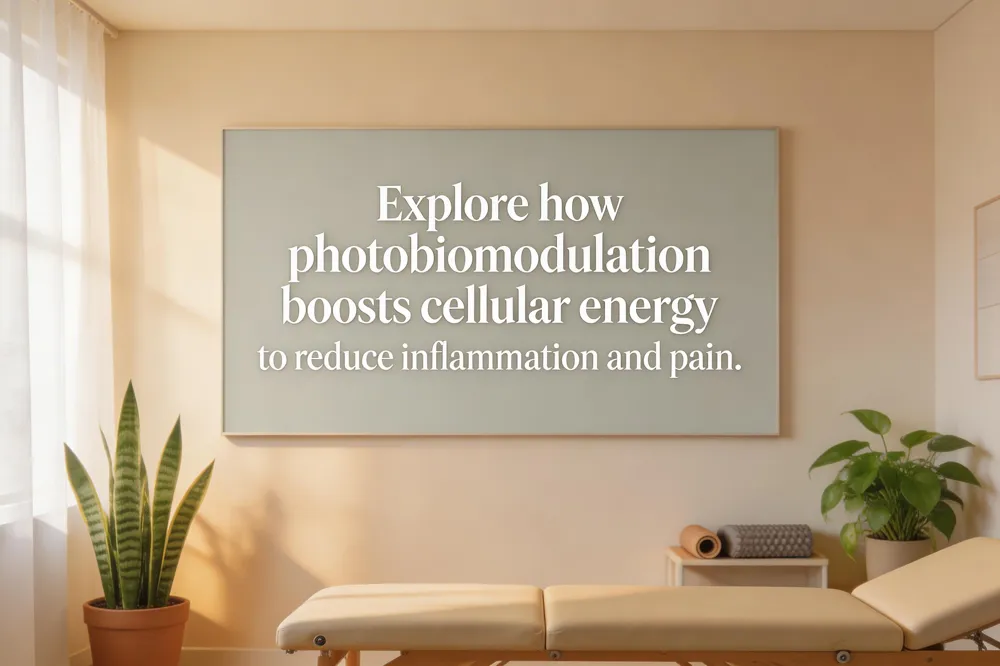 Laser therapy is a non‑invasive treatment that uses specific wavelengths of light—typically 600‑1000 nm to interact with body tissues. The term "laser" stands for light amplification by stimulated emission of radiation, and when the light is delivered at low power (LLLT or photobiomodulation) it penetrates skin without generating heat. The photons are absorbed by mitochondrial chromophores, especially cytochrome c oxidase, which boosts the electron‑transport chain and increases ATP production. This surge in cellular energy fuels repair processes, while the light also releases nitric oxide, modulates reactive oxygen species, and down‑regulates pro‑inflammatory cytokines (IL‑1β, TNF‑α) while up‑regulating anti‑inflammatory mediators such as IL‑10. The result is reduced inflammation, enhanced microcirculation, and a gating effect on nociceptive pathways that together diminish pain.
Clinical evidence supports these mechanisms. A randomized, double‑blind, sham‑controlled trial of 58 patients with chronic musculoskeletal low back pain found that 72.4 % of those treated with the FDA‑cleared Erchonia FX 635 laser achieved a ≥30 % reduction in VAS pain scores, versus 27.6 % in the sham group, with parallel improvements in the Oswestry Disability Index and high patient satisfaction. Systematic reviews and meta‑analyses of dozens of RCTs consistently report statistically significant pain relief (30‑40 % VAS reduction and functional gains for LLLT compared with placebo, while safety data show only transient skin redness or mild warmth as rare adverse effects. Together, the biological rationale and the growing body of clinical data establish low‑level laser therapy as a scientifically validated, drug‑free adjunct for managing chronic low back pain.
Safety Profile: Side Effects, Risks, and Contraindications
 Low‑level laser therapy (LLLT) for back pain is generally well‑tolerated and carries a minimal side‑effect profile. Most patients experience only mild, short‑lived reactions such as transient skin redness, a warm or tingling sensation, brief soreness, or a temporary increase in pain that resolves within a few hours to a day. Rare adverse events include superficial burns, blisters, or skin irritation, especially when higher‑intensity settings or improper eye protection are used; nerve irritation or heightened sensitivity have also been reported but are uncommon when the procedure is performed by trained clinicians following established safety protocols.
Importantly, LLLT uses non‑ionizing light at energy levels far below those that can damage DNA, and large‑scale studies have found no credible link between therapeutic laser exposure and cancer development. Consequently, the therapy is considered oncologically safe for the general population.
Contraindications must be observed: absolute contraindications include a history of malignant cancer, pregnancy when the treatment field covers the abdomen or uterus, known photosensitivity disorders, and unprotected exposure to the eyes. Caution is advised for patients with epilepsy, thyroid disease, active infection, or implanted electronic devices that combine laser with electrical stimulation. Relative contraindications—such as treating over growth plates in children or the gonads—should be evaluated case‑by‑case. Overall, when administered by qualified providers, LLLT offers a low‑risk, non‑pharmacologic option for managing chronic low back pain.
Efficacy: Does Laser Therapy Really Work for Back Pain?
 Clinical trials of low‑level laser therapy (LLLT) consistently show modest but statistically significant pain relief and functional improvement for chronic low‑back pain. In a double‑blind, sham‑controlled study of 58 participants using the FDA‑cleared Erchonia FX 635 system, 72.4 % of active‑laser patients achieved a ≥30 % reduction in Visual Analogue Scale scores versus 27.6 % in the sham group, and the Oswestry Disability Index improved substantially. Follow‑up at 12 months confirmed durability of benefit and high patient satisfaction. Effect sizes in meta‑analyses range from small to moderate (Cohen’s d ≈ 0.4‑0.6), translating to average VAS reductions of 30‑40 % and disability improvements of 7‑12 points on the Oswestry scale. Compared with sham, LLLT outperforms placebo and rivals other non‑pharmacologic modalities such as exercise or acupuncture when used adjunctively, though it is less potent than high‑intensity laser or surgical interventions. Patients should expect a series of painless 5‑20‑minute sessions (typically eight over four weeks) and realistic gains—pain may lessen, function may improve, but complete elimination of symptoms is uncommon. The therapy is non‑invasive, has minimal side effects (transient warmth or erythema), and aligns with CDC guidelines favoring non‑opioid, non‑pharmacologic options. Cost and insurance coverage vary, so discussion with the provider is essential before initiating treatment.
Cost, Insurance, and Local Availability
 Low‑level laser therapy (LLLT) for chronic low‑back pain is typically priced between $30 and $200 per session in the United States, with most clinics charging roughly $75‑$150 depending on the device (e.g., the FDA‑cleared Erchonia FX 635 or Class IV deep‑tissue lasers) and treatment length. In Canada, session fees average about CAD $125, and the entire 8‑session course often costs around US $300 or more. Insurance coverage remains a barrier: many private plans list LLLT as experimental or investigational, so patients frequently pay out‑of‑pocket or need prior‑authorization. Public insurers in both countries generally do not reimburse the therapy, although some employers and health‑maintenance organizations offer limited benefits. Residents of St. Louis can obtain LLLT at the Orthopedic Spine Institute of St. Louis, where Dr. David S. Raskas incorporates the Erchonia FX 635 system into a comprehensive, patient‑first pain‑management program. The clinic accepts most major insurance plans and offers convenient online intake forms. To schedule a local session, call (314) 555‑1234 or book through the institute’s website, ensuring a non‑invasive , drug‑free option for back‑pain relief.
Practical Pain‑Relief Strategies and Home Care
 Severe back pain can be eased by gentle daily stretches (knee‑to‑chest, cat‑stretch, bridge) and low‑impact aerobic activity such as walking. Ice for the first 24‑48 hours, followed by heat, reduces inflammation and relaxes tight muscles. Over‑the‑counter NSAIDs may be used as directed, while maintaining good posture with lumbar support and a firm mattress.
For rapid at‑home relief, apply ice then switch to a warm compress, move gently with cat‑cow or seated spinal twists, and perform core‑strengthening moves twice daily.
Women benefit from a core program that adds pelvic‑floor activation, planks, and flexibility work, while considering hormonal influences (menstrual cycle, pregnancy, menopause). Adjusting workstation ergonomics and incorporating mindfulness can further lower perceived pain.
If conservative measures fall short, a brief course of low‑level laser therapy (LLLT) – FDA‑cleared, non‑heat photobiomodulation that has shown ≥30 % VAS pain reduction in 72 % of patients – can provide additional relief before more invasive options.
Two drawbacks of laser therapy are the need for multiple sessions (increasing cost and time) and variable outcomes; individual biology, provider skill, and rare skin irritation can affect efficacy.
Combining these home strategies with professional guidance ensures safe, effective, and personalized back‑pain management.
Medication Management: Painkillers and Tablets
 Effective medication management for chronic low‑back pain begins with non‑prescription options. Over‑the‑counter NSAIDs such as ibuprofen (Advil, Motrin) and naproxen (Aleve) reduce inflammation and pain, while acetaminophen (Tylenol) offers analgesia without anti‑inflammatory effects. For patients who do not achieve relief, clinicians may prescribe stronger NSAIDs (diclofenac) or muscle‑relaxants like cyclobenzaprine (Flexeril) when spasms are present.
If pain remains severe, short‑term opioid therapy may be considered. Strong painkillers for lower back pain include oxycodone, hydrocodone, morphine, hydromorphone, and extended‑release formulations such as OxyContin. These drugs are limited to brief courses (typically ≤1–2 weeks) to minimize dependence, tolerance, and respiratory depression. Common opioid side effects are drowsiness, constipation, nausea, and a risk of addiction; they must be used under close medical supervision and never combined with alcohol or heavy machinery.
Integrating laser therapy can reduce reliance on high‑dose medications. Low‑level laser therapy (LLLT) provides non‑pharmacologic pain relief through photobiomodulation, and has shown statistically significant reductions in VAS scores and disability indices. Combining LLLT with a step‑wise medication regimen aligns with CDC guidelines that prioritize non‑opioid, non‑pharmacologic interventions for chronic back pain.
Specialized Interventions: Sciatica, Disc Decompression, and Advanced Lasers
 Can laser treatment decompress L5‑S1 for sciatica? Percutaneous laser disc decompression (PLDD) uses a thin laser fiber inserted percutaneously under fluoroscopic guidance to vaporize excess nucleus pulposus fluid at the L5‑S1 level, reducing intradiscal pressure on the affected nerve root. Clinical studies show significant pain relief and functional improvement in patients with contained L5‑S1 disc protrusions who have failed conservative care. The procedure is performed with local anesthesia, requires no incision, and allows a rapid return to activity. It is most effective for contained herniations and is not indicated for extruded, sequestered discs, severe stenosis, or major neurologic deficits.
Laser therapy for back pain near me Residents of the St. Louis area can receive low‑level laser therapy (LLLT) at the Orthopedic Spine Institute of St. Louis. The treatment is non‑invasive, drug‑free, and delivered by Dr. David S. Raskas as part of a comprehensive, patient‑first pain‑management program that also includes exercise, manual therapy, and education. Appointments can be booked online or by calling (314) 555‑1234, and most insurance plans are accepted.
Laser treatment for back pain – Mayo Clinic perspective The Mayo Clinic lists LLLT as an adjunctive option for chronic low‑back pain. Their own trials report modest pain‑reduction when laser is combined with structured exercise and manual therapy, noting a small overall effect size. Consequently, Mayo typically recommends LLLT only after standard conservative measures have been exhausted. The Orthopedic Spine Institute follows this evidence‑based approach, integrating laser therapy into a multimodal, conservative‑first treatment plan.
Future Outlook: Research Gaps and Emerging Technologies
 Low‑level laser therapy (LLLT) has a solid scientific foundation, but several gaps remain. First, larger independent trials are needed; most efficacy data come from small studies (e.g., a 58‑patient double‑blind trial of the FDA‑cleared Erchonia FX 635 that are often manufacturer‑linked. Multicenter, adequately powered RCTs would confirm durability of pain relief, compare LLLT with other modalities, and define optimal dosing.
Second, high‑power laser therapy (HILT) is emerging as a deeper‑penetrating alternative. Early work using 1064 nm, 12 W devices shows significant VAS and Oswestry Disability Index improvements, but long‑term safety and cost‑effectiveness data are limited. Head‑to‑head studies of HILT versus class II LLLT could clarify when higher power is warranted.
Third, integration with multimodal care is crucial. Guidelines already list LLLT as an adjunct to exercise, manual therapy, and education. Future research should explore sequencing (e.g., laser before or after core‑strengthening) and patient selection algorithms to maximize outcomes while minimizing the number of sessions required.
Is laser therapy backed by science? Yes—multiple RCTs and meta‑analyses demonstrate statistically significant pain and functional gains, driven by photobiomodulation, ATP upregulation, and cytokine modulation.
What are two drawbacks of laser therapy? 1) It typically requires several 20‑minute sessions, raising cost and time commitments. 2) Clinical response varies widely due to patient biology, condition severity, and provider technique, and occasional mild skin irritation or transient discomfort can occur.
Conclusion: Informed Choices for Back‑Pain Relief
The growing body of research shows that low‑level laser therapy (LLLT) delivers statistically significant pain relief and functional improvement for chronic low back pain. In a pivotal double‑blind, sham‑controlled trial of the FDA‑cleared Erchonia FX 635 system, 72 % of treated patients achieved a ≥30 % drop in VAS scores and marked reductions in Oswestry Disability Index scores, with no serious adverse events reported. These findings align with CDC and APTA guidelines that prioritize non‑pharmacologic, patient‑first interventions. Within a comprehensive care plan, LLLT can complement core‑strengthening exercises, manual therapy, and ergonomic education, offering a painless, drug‑free option that may reduce reliance on opioids or injections. We encourage you to bring up laser therapy at your next visit so Dr. Raskas can evaluate whether this modality fits your individual goals, medical history, and insurance considerations.