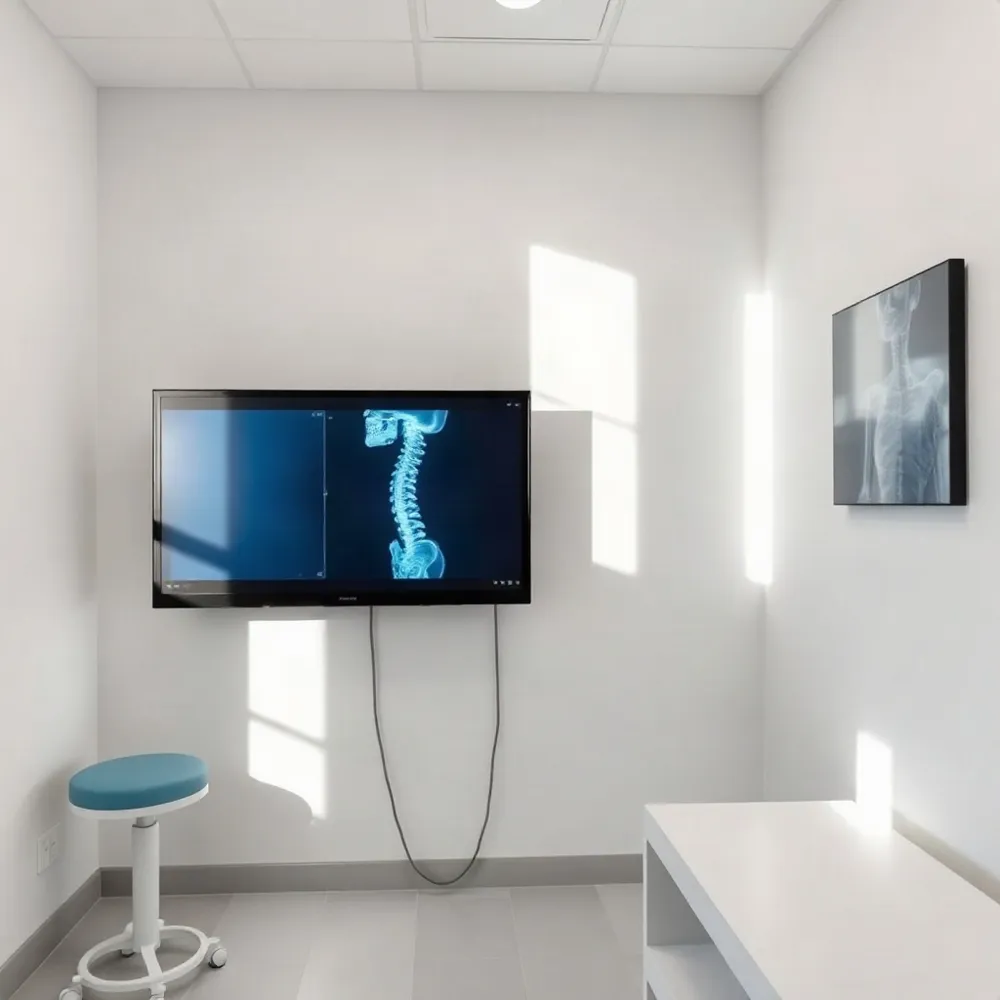
When Pain Makes Timing Matter
Back or neck pain can linger, flare without warning, or begin disrupting sleep, work, movement, and everyday routines. When it worsens, it is natural to wonder whether a spine specialist can see you within a week.
Appointment timing varies by practice, so another clinic’s advertised schedule cannot confirm availability in St. Louis. Contact Orthopedic Spine Institute of St. Louis directly to ask about current openings and any referral requirements.
A specialist visit can help assess what has changed and discuss appropriate next steps, which may include conservative care. Rush, for example, describes its own appointment timelines, but those do not apply to other practices. Rush’s spine care information also stresses evaluation before treatment planning. If back pain comes with loss of bowel or bladder control, sudden weakness, or numbness around the groin, seek emergency care rather than waiting for a routine appointment.
Confirm Availability and Referral Requirements
 The available information does not confirm whether Orthopedic Spine Institute of St. Louis has same-week appointments. Contact the office directly to ask about current openings, scheduling, and any steps needed before booking. Appointment availability can change, so another clinic’s advertised timeline should not be treated as a promise for St. Louis.
For comparison, Rush says initial consultations or second opinions are usually available within one to two weeks of calling, with some urgent problems seen within days. Those timeframes apply to Rush, not to Orthopedic Spine Institute of St. Louis, and do not guarantee a same-week visit elsewhere. The practice’s care begins with conservative options and may include minimally invasive surgery when appropriate, so ask what records or imaging would help the team assess your situation.
A referral is not always required to see a spine specialist, but the answer depends on your insurance plan and the office’s requirements. Some HMO and other plans require a referral from a primary care provider, while other plans may let you schedule directly. Check your plan’s network status, referral rules, and coverage with both your insurer and the specialist’s office before booking.
If your plan requires a referral, ask your primary care provider to arrange one and send relevant records or imaging. The referral process at University of Iowa Health Care illustrates that referral materials can include clinic notes and imaging, but its process does not establish requirements for the St. Louis practice. For more on confirming current openings, see what to know about requesting a same-week spine appointment.
What to Expect at the First Visit
A first visit is usually a conversation about what you are experiencing and what may help explain it. The specialist may ask when symptoms began, what makes them better or worse, and how they affect sleep, work, movement, and other daily activities. You can review this guide to what happens during a first spine specialist visit to help prepare.
Expect to discuss your medical history, medicines, and treatments you have already tried, along with any relevant test results. Bring available medical records and imaging if you have them; the clinician can advise which materials are useful. If symptoms have changed during a flare, explain what is different and when the change occurred.
A physical examination may include checks of posture, movement, strength, sensation, and reflexes. The findings help the specialist assess how your symptoms relate to your spine and nerves. Imaging or other tests may be recommended if the information from your history and examination is not enough, but they are not inevitable at the first appointment.
The visit should end with a discussion of possible next steps, not an automatic move toward surgery. Depending on your symptoms and findings, the plan may include conservative treatment, follow-up, or further evaluation. An earlier assessment can help clarify what has changed and whether a treatment adjustment, imaging, or another approach is appropriate. Orthopedic Spine Institute of St. Louis describes its care as starting conservatively, with minimally invasive surgery considered when appropriate.
When Pain Deserves an Evaluation
 Back or neck pain that lasts for several weeks despite home care, repeatedly returns, or interferes with sleep, work, or daily activities is a reason to contact a spine specialist. You can also read about when pain may warrant specialist care.
Arrange an assessment sooner if pain travels into an arm or leg, or if you notice numbness, tingling, weakness, or changes in hand coordination. These symptoms can have different causes, so an examination is more useful than trying to diagnose the problem yourself. At Orthopedic Spine Institute of St. Louis, care for back, neck, and sciatica pain starts with an evaluation and a conservative approach, with minimally invasive surgery considered when appropriate.
A sudden increase in pain, or pain that feels different from your usual symptoms, is another reason to contact a clinician promptly, especially if it keeps you from sleeping or managing ordinary tasks. Persistent or worsening symptoms deserve attention even when they began gradually. A treatment plan may need to change as symptoms and daily needs change.
Treatment depends on the cause and severity. It may include adjusting activities, physical therapy, medication, or injections; surgery is not the default for many spine problems. For severe lower back pain without emergency warning signs, keep moving as tolerated rather than staying in bed, and consider short periods of heat. Ask a clinician or pharmacist before taking medication, particularly if you have other health conditions or use other medicines.
Seek emergency care for sudden loss of bowel or bladder control, especially with numbness around the groin or pelvis, or for severe, debilitating pain. New or rapidly worsening weakness or numbness also calls for urgent assessment. Do not wait for a routine specialist visit when these warning signs occur.
Recognize Symptoms That Cannot Wait
 A routine spine appointment, even one available within a week, is not the right response to emergency warning signs. New or worsening leg weakness, numbness in the groin or saddle area, or loss of bladder or bowel control can signal serious nerve compression and requires immediate evaluation.
Seek urgent care for sudden, severe back pain, especially after a fall or other injury, or for pain that is rapidly worsening or makes it difficult to stand or walk. Fever or chills alongside back pain, and pain that wraps around to the abdomen, also warrant prompt attention.
Call 911 if symptoms are severe or you cannot get to care safely. Do not wait for a specialist to call back when emergency signs are present.
Persistent pain without these warning signs is different: contacting a clinician or specialist’s office to ask about an evaluation may be appropriate. At Orthopedic Spine Institute of St. Louis, care for back, neck, and sciatica pain starts conservatively, with minimally invasive surgery considered when appropriate. Contact the practice directly about scheduling; availability should not be assumed.
Consider Other Clues Behind Back Pain
Back pain can involve muscles, nerves, joints, bones, or spinal discs, and symptoms alone may not reveal the cause. Persistent or recurring pain is worth discussing with a clinician rather than diagnosing by assumption. At Orthopedic Spine Institute of St. Louis, care starts with conservative options, with minimally invasive surgery considered when appropriate.
Women can experience common spine and muscle problems, too, including strains, disc conditions, arthritis, and sciatica. Pregnancy may add strain as posture and body weight change. Menstrual-cycle changes or menopause can affect pain or bone health, while pelvic conditions such as endometriosis or uterine fibroids may cause pain that reaches the back. Pelvic symptoms or unusual bleeding are useful details to mention during an appointment.
Another possible pattern is inflammatory back pain: it may develop gradually, persist, and cause morning stiffness that eases with movement rather than rest. Some people also notice buttock, heel, joint, or chest-wall pain, or a painful, red, light-sensitive eye. These signs can have other explanations, so a clinician can assess whether further evaluation is appropriate.
When requesting an appointment, describe when the pain began, what changes it, and any related symptoms. This context can help the practice understand your reason for seeking care; same-week appointment guidance notes that availability should be confirmed directly.
Ask the Practice About the Next Step
A same-week spine appointment may be possible, but current availability at Orthopedic Spine Institute of St. Louis is not confirmed. If pain is persistent or worsening, contact the practice to ask about openings, referral or insurance requirements, and which records or imaging to bring. The practice describes care that starts with conservative options and may include minimally invasive surgery when appropriate.
Do not wait for a routine appointment if you have emergency warning signs such as loss of bowel or bladder control, sudden leg weakness, or numbness in the groin. Seek emergency care. For other symptoms, an evaluation can help clarify possible causes and support a discussion of treatment options based on your findings and needs. Rush also describes prompt assessment as part of spine care, while its scheduling timelines apply to its own patients, not St. Louis appointments. Rush spine care