When Work Leaves You With Back Pain
A work-related back or neck injury can begin in a moment, such as during a lift, slip, or fall. It can also build gradually through repeated bending, twisting, carrying, or other physical demands. The Cochrane review of work-related arm, neck, or shoulder complaints describes how repetitive movement, awkward postures, and force can contribute to work-related symptoms, though its findings do not specifically address spine injuries.
Pain may involve muscles, ligaments, discs, nerves, or bones, and similar symptoms can have different causes. Identifying what is affected helps guide decisions about care. At Orthopedic Spine Institute of St. Louis, treatment begins with a patient-first evaluation and a conservative approach, with minimally invasive surgery considered when appropriate.
This article covers practical next steps: recognizing warning signs, arranging medical evaluation, following the appropriate workplace injury procedures, and planning a safe return to work. The right plan depends on the diagnosis, symptoms, progress, and demands of the job.
Recognize When Spine Care Is Needed
 Heavy lifting or carrying, repeated bending and twisting, pushing or pulling, awkward postures, repetitive duties, prolonged sitting or driving, and slips or falls can all place strain on the back or neck. These work demands are useful context to share during an evaluation. For more on workplace contributors, see common work-related spine injury risks.
A muscle or ligament injury may cause pain, stiffness, spasms, and difficulty moving. A disc problem can irritate or compress a nearby nerve, sometimes causing pain that travels from the back into the buttock, leg, or foot. Numbness, tingling, or weakness may also point to nerve irritation and should be assessed. A Cochrane review of work-related arm, neck, and shoulder complaints discussed repetitive movement and awkward posture as possible contributors, though its evidence search dates to 2013 and it did not study spine injuries specifically (review).
When should you see a spine specialist?
Consider an evaluation if pain lasts several weeks despite home care, keeps returning, worsens, or interferes with daily activities or job duties. Pain radiating into an arm or leg, unexplained changes in sensation or strength, or new clumsiness, such as difficulty holding objects, also merit medical attention. At the Orthopedic Spine Institute of St. Louis, care starts with assessing the problem and considering nonsurgical options when appropriate. The work-injury care overview explains what evaluation and follow-up may involve.
Which symptoms need emergency attention?
Seek emergency care for sudden loss of bladder or bowel control, numbness around the groin or pelvis, significant or worsening weakness, trouble standing or walking, inability to move a limb, or severe symptoms. If a serious spinal injury is suspected, call 911. Do not move the injured person unless they are in immediate danger. Other new or worsening symptoms should be assessed promptly.
Take Practical Steps After an Injury
What should you do if you hurt your back at work?
Stop the activity if you can, tell your supervisor promptly, and follow your employer’s process for reporting and documenting the injury. Describe when and how it happened, even if the pain seemed minor at first. These immediate steps after a work injury can help create a clear record.
Arrange timely medical assessment and explain that the injury occurred at work. Follow your clinician’s advice and attend recommended follow-up visits. Orthopedic Spine Institute of St. Louis evaluates back, neck, and sciatica pain, beginning with conservative care and considering minimally invasive surgery when appropriate.
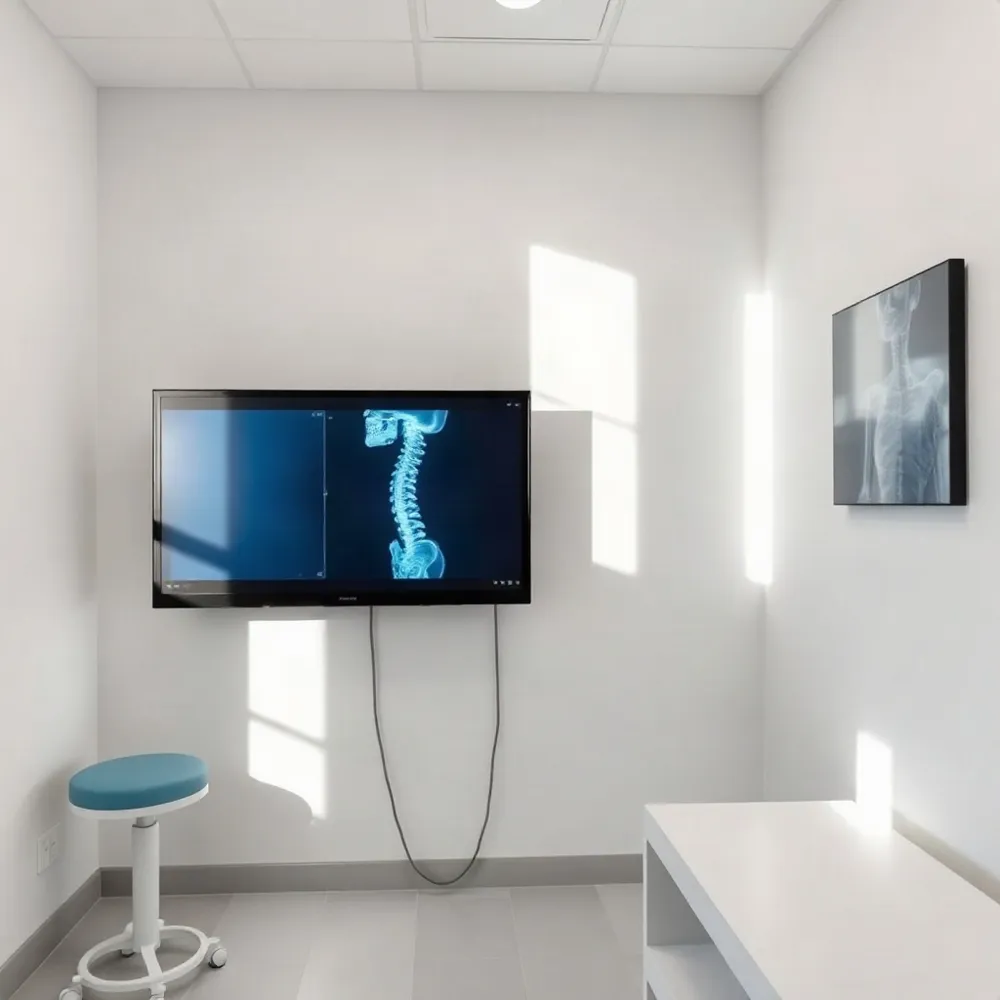
Keep copies of incident reports, medical records, and any work-status instructions. During an evaluation, the clinician may ask about the incident, symptoms, job duties, and effects on daily activities, then check strength, sensation, reflexes, movement, and areas of tenderness. X-rays or MRI may be recommended based on your symptoms and the suspected injury, but imaging is not necessary in every case.
Workers’ compensation reporting, authorization, and provider rules vary by state. Ask your employer or claims administrator how to file a claim and obtain authorized care rather than assuming another state’s rules apply in Missouri. Communication among you, your medical team, employer, claims adjuster, or nurse case manager may help coordinate care and documentation.
Seek urgent medical attention for severe pain, significant weakness or numbness, or an injury involving a serious fall or impact. If symptoms worsen or new concerns arise, contact a medical professional promptly.
Build a Treatment Plan Around the Diagnosis
 A spine specialist’s evaluation does not mean surgery is inevitable. At Orthopedic Spine Institute of St. Louis, care starts with assessing the diagnosis, symptoms, severity, and individual needs so the treatment plan fits the person, not just the injury label.
When appropriate, nonsurgical care may include adjusting activities, medication, physical therapy, therapeutic exercises, and a gradual increase in activity. The plan may change as symptoms and function are reassessed. A review of conservative care for work-related arm, neck, or shoulder complaints examined approaches such as exercise and workplace adjustments, but found the evidence varied and did not establish one best option for every person. Its findings are not specific to spine injuries, so treatment decisions still need to reflect an individual’s condition and clinical assessment Cochrane review of conservative interventions.
Physical therapy may focus on mobility, strength, daily function, and safer movement. Exercises and activity progression should match the person’s symptoms and job demands. A specialist can also discuss whether temporary changes to work or other activities are appropriate while recovery continues.
Injections or other procedures may be discussed when a clinician believes they fit the diagnosis and treatment goals. Surgery may be considered if appropriate conservative care has not helped, or if specific neurological or structural concerns make it necessary. At Orthopedic Spine Institute of St. Louis, the starting point remains an individualized evaluation, with surgery considered only when appropriate. Learn more about nonsurgical care and alternatives.
Plan Work Around Safe Recovery
Time off is not always necessary for work-related back pain. Some people can continue working, or return before pain has fully resolved, if they can do their duties safely. A temporary change in tasks may help protect the injured area while preserving a manageable level of activity.
Depending on the symptoms and job, adjustments might include lighter duties, more frequent breaks, workstation changes, or avoiding lifts and movements that aggravate pain. These are options to discuss with a healthcare professional, not a one-size-fits-all prescription. For physically demanding work, or when it is unclear what is safe, ask about specific restrictions and a gradual return to regular duties.
Recommendations should reflect the diagnosis, symptoms, progress, and physical demands of the job. At Orthopedic Spine Institute of St. Louis, care starts conservatively, with treatment and activity guidance shaped around the individual condition. Workers can also review planning work around safe recovery for information about activity limits after spine surgery.
Check back with a medical professional if pain worsens or new numbness, tingling, or weakness appears. New loss of bladder or bowel control requires immediate medical attention. Reassessing symptoms and work demands can help determine whether duties need to change as recovery progresses.
Take the Next Step With Clear Information
A timely assessment can help clarify what may be causing back or neck symptoms and guide care suited to the diagnosis, symptoms, and work demands. New loss of bladder or bowel control, worsening leg weakness, or numbness in the groin area calls for immediate medical attention.
When speaking with a clinician, describe when symptoms began, how they have changed, and which job tasks affect them. Follow your employer’s reporting process and confirm how to obtain authorized care under the applicable workers’ compensation procedures.
The Orthopedic Spine Institute of St. Louis provides patient-first evaluation for back, neck, and sciatica pain, with care beginning conservatively and minimally invasive surgery considered when appropriate. Contact the practice to discuss an evaluation and possible care options; recommendations depend on your individual condition.