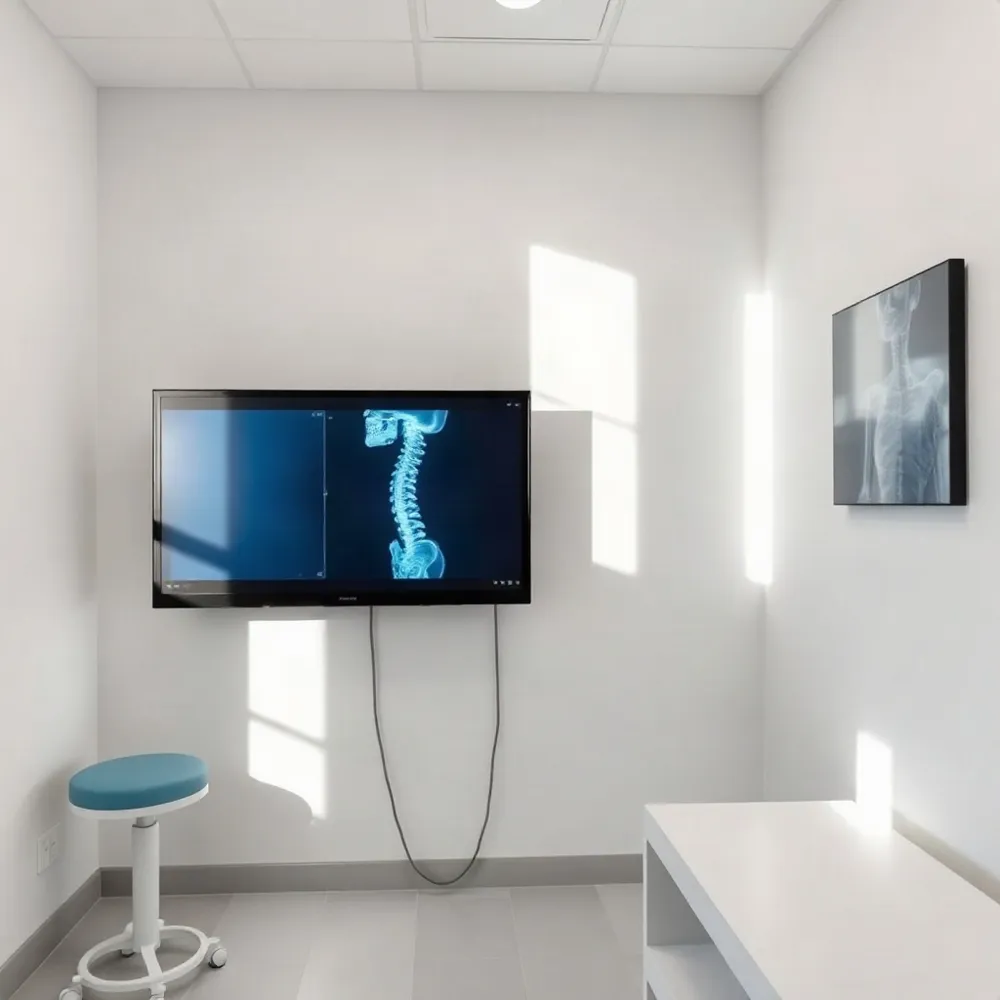
When Back Pain Travels
Back pain that radiates into the buttock or leg can point to irritation or pressure on a spinal nerve. When symptoms persist, an epidural steroid injection may be one part of a care plan, alongside approaches such as physical therapy and other nonsurgical treatments. A clinician evaluates the likely pain source before deciding whether an injection is appropriate.
Despite the name, an epidural steroid injection is not the temporary anesthesia used during childbirth or some surgeries. It places anti-inflammatory medicine in the space around spinal nerves. The goal is to ease irritation and reduce symptoms, not to repair the underlying spine condition. Relief varies, and an injection cannot guarantee lasting improvement. At osistl.com, care for back, neck, and sciatica pain starts conservatively, with minimally invasive surgery considered when appropriate. Learn more about epidural injections for back pain.
Choosing an Injection for the Pain Source
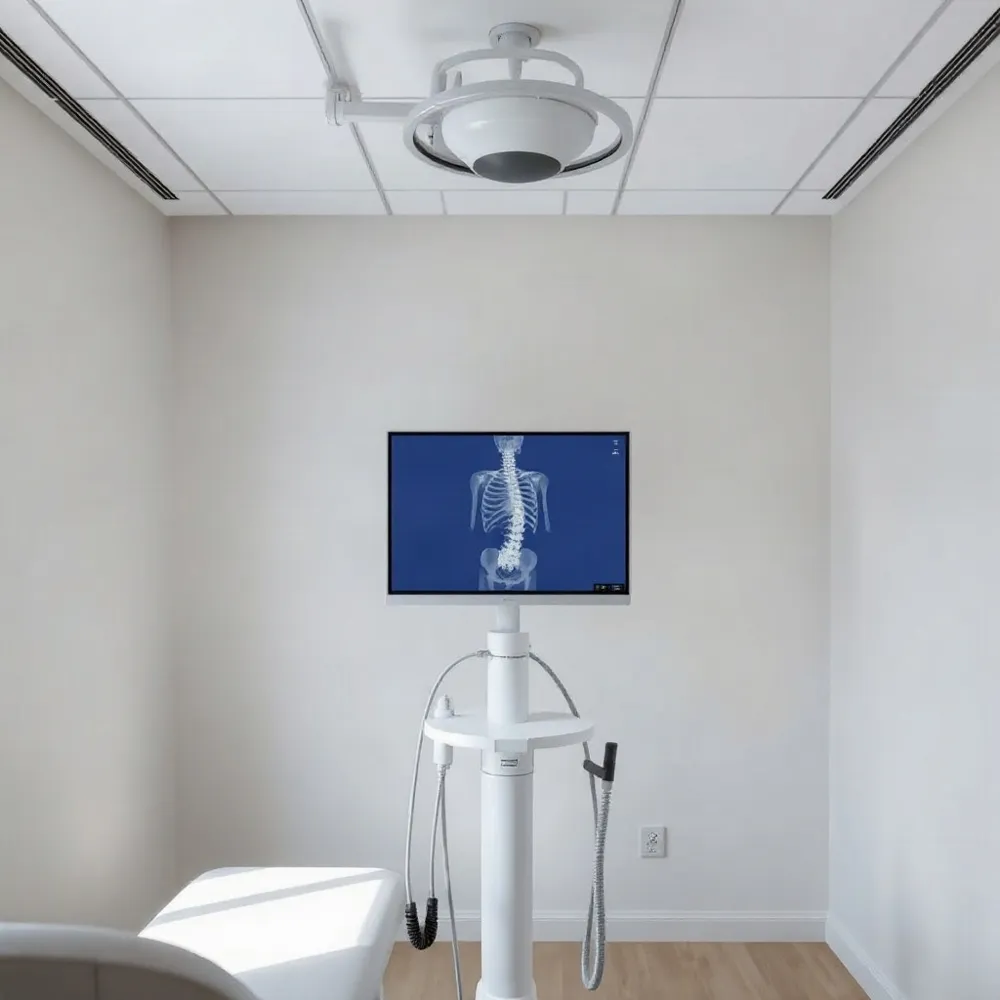 An injection is chosen according to the suspected source and location of pain, not simply the area where symptoms are felt. A clinician considers the symptom pattern and examination, and may use imaging to help identify the area to treat. At osistl.com, care for back, neck, and sciatica pain starts with conservative options, with minimally invasive surgery considered when appropriate.
What types of injections are used to treat back pain?
Several types may be considered. An epidural steroid injection places corticosteroid medication, sometimes with local anesthetic, in the epidural space around spinal nerves. It may help manage radiating pain linked to an irritated nerve, such as pain associated with a herniated disk or spinal stenosis, though it does not treat every cause of back pain. Cleveland Clinic’s overview of lumbar epidural steroid injections explains their use for nerve-related pain.
Other injections target different structures. Facet joint injections go into the small joints between vertebrae; medial branch blocks numb nerves that carry pain signals from those joints and may help assess whether they are the source. Sacroiliac joint injections target the joints connecting the spine and pelvis and may be considered for lower-back or buttock pain. These are distinct approaches, not types of epidural injection. Learn more about how facet and epidural injections differ.
For a lumbar epidural, the clinician may use an interlaminar, transforaminal, or caudal route. The choice depends on the intended treatment area, diagnosis, and individual clinical circumstances. A specialist can weigh the options and decide whether an injection fits within a broader treatment plan.
What the Procedure Feels Like
Knowing the steps can make an injection feel less unfamiliar. At osistl.com, care for back and leg pain starts conservatively, with minimally invasive options considered when appropriate. Your clinician can explain how the planned injection fits your symptoms and treatment goals.
What happens during an epidural steroid injection?
The injection is usually performed in an outpatient clinic. You’ll generally lie face down while the clinician cleans the skin and numbs the area with local anesthetic. Using fluoroscopy, or live X-ray imaging, the clinician guides a needle toward the intended area near the spinal nerves. Contrast material may be injected to check the needle’s position before the steroid medication is delivered. The procedure commonly takes about 15 to 30 minutes, though timing varies by setting and technique. See what to expect during an injection for a related explanation of the process.
This approach to needle placement and the use of imaging are described in Cleveland Clinic’s guide to lumbar epidural steroid injections. The specific route and target depend on your clinical evaluation. At osistl.com, discussions of treatment options are part of a patient-first approach that considers nonsurgical care before surgery when appropriate.
How much does an epidural steroid injection hurt?
You may feel a brief pinch or sting when the numbing medicine is injected, followed by pressure, tingling, burning, or momentary pain as the medication enters. Experiences differ, and some people feel little during the injection. It is usually brief, but tell the clinician immediately if you feel intense or sharp pain. Johns Hopkins Medicine’s overview notes that local anesthetic is commonly used and that discomfort can vary.
Tenderness at the injection site or a short-lived increase in your usual pain can follow, especially as the numbing medicine wears off. These effects often settle over the next few days, while the steroid may take longer to help. Contact your clinician if pain is severe or worsening, or if you develop new weakness or numbness, fever, or loss of bladder or bowel control.
Preparing and Weighing Possible Risks

How should I prepare for an epidural steroid injection, including which medicines, food, and drinks to avoid?
Follow the instructions from your injection team. Fasting rules can vary, especially if sedation is planned. If you will receive IV sedation, you may be asked to avoid food and drink for several hours; take only medicines your care team has approved. For more on preparing, see these questions to ask before an epidural injection.
Tell your clinician about all prescription and over-the-counter medicines, supplements, allergies, and health conditions. Be sure to mention blood thinners, aspirin, anti-inflammatory medicines, diabetes, and any possibility of pregnancy, since fluoroscopy uses X-rays. Do not stop or change medicines without your clinician’s guidance. Arrange a ride home if sedation is planned, and contact the office if you become ill or are unsure what to eat, drink, or take. Cleveland Clinic’s preparation guidance also emphasizes sharing your medication and health information with the provider.
What are the risks and possible side effects of an epidural steroid injection?
Temporary effects can include soreness at the injection site, a brief pain increase, headache, flushing, or changes in sleep. Steroids may also raise blood sugar for a time, so people with diabetes should discuss this with their clinician. Serious complications are uncommon, but can include bleeding, infection, a medication reaction, nerve injury, or a spinal-fluid leak that causes a severe headache. Seek individualized advice about how these risks apply to your health and the planned procedure.
At osistl.com, care starts with conservative options, with minimally invasive surgery considered when appropriate. That approach makes a discussion of an injection’s potential benefits, risks, and alternatives part of a broader care plan.
Relief, Recovery, and Warning Signs
How soon does an epidural steroid injection work, and how long can pain relief last?
A local anesthetic may ease pain soon after an injection, but that effect is temporary. The steroid may begin working within a few days, and it can take up to a week to notice a change. Pain may briefly flare before improving. These timelines vary, and some people get little or no relief. When it helps, an injection may reduce symptoms for days to months or longer, but it does not cure the underlying condition (Cleveland Clinic’s guidance on lumbar epidural injections).
Less pain may make daily activities easier or help you take part in physical therapy. It does not guarantee that you can avoid another treatment or surgery. At osistl.com, care starts conservatively, with minimally invasive surgery considered when appropriate. Ask your clinician what improvement is realistic for your symptoms and when to check in if pain is not easing.
What should I do after an epidural steroid injection, and how long is recovery?
Follow your care team’s instructions, since activity and medication advice can depend on your situation. You may be asked to take it easy for the rest of the day and avoid driving for at least 24 hours. For injection-site soreness, a wrapped cold pack may help; apply it for 10 to 20 minutes at a time. Recovery varies, and temporary soreness or numbness can occur (MyHealth Alberta’s aftercare guidance). You can also review what recovery after an injection may involve.
When should I seek medical care for leg pain or weakness after an epidural steroid injection?
Contact your clinician promptly for worsening or new leg pain, numbness, or weakness; fever; or increasing redness, swelling, warmth, or drainage near the injection site. A severe headache that worsens when sitting or standing also needs prompt medical attention. Seek emergency care for loss of bladder or bowel control, trouble breathing, fainting, or sudden or worsening weakness that makes standing or walking difficult. If you are unsure how urgent a symptom is, follow your discharge instructions and call your care team.
If Relief Does Not Follow
 If an epidural steroid injection does not ease your pain, or relief fades quickly, arrange a follow-up with your spine specialist. A limited response does not by itself mean surgery is needed. Johns Hopkins Medicine notes that a lack of relief may prompt a clinician to reconsider whether the pain is coming from spinal nerves.
At Orthopedic Spine Institute of St. Louis, care starts conservatively, with minimally invasive surgery considered when appropriate. Your doctor can review your symptoms, examination, imaging, and response to treatment to reassess the likely pain source and decide whether further evaluation or updated imaging is needed.
Depending on the diagnosis, next steps may include physical therapy or other nonsurgical care, a different targeted treatment, or a surgical consultation if a structural problem warrants it. An injection is one part of an individualized plan, not a guarantee of relief. Seek prompt medical attention for new or worsening weakness, numbness, or other concerning symptoms.
Make the Next Step Personal
Whether an epidural injection fits your situation depends on your symptoms, health, and treatment goals. Ask your clinician what benefit is realistic, what risks apply to you, and what preparation and recovery instructions to follow. Cleveland Clinic’s guidance on lumbar epidural steroid injections can help you prepare questions, but it does not replace individual medical advice.
A qualified spine clinician can review your options and explain how an injection fits with conservative care or other treatment. Orthopedic Spine Institute of St. Louis takes a patient-first approach, starting conservatively and considering minimally invasive surgery when appropriate. Explore care options or request an appointment with Dr. David S. Raskas through osistl.com.