Understanding Sciatica and the Conservative Care Approach
Sciatica is not a distinct medical condition but rather a symptom of underlying nerve irritation. It occurs when the sciatic nerve, the largest in the human body, faces compression or inflammation originating in the lower back. This often results in sharp, radiating pain, numbness, or tingling that travels down the buttock and into the leg. With research indicating that up to 40% of adults will experience this discomfort at some point, it remains a frequent reason for clinical visits 7 ways to help nix sciatica pain.
At the Orthopedic Spine Institute of St. Louis, we prioritize a patient-first approach that begins with conservative care. While some clinics may rush toward invasive options, our focus is on non-surgical strategies to manage symptoms and promote natural healing. Most individuals find relief through this initial phase, as nearly 90% of cases improve without the need for surgery 7 ways to help nix sciatica pain. By combining physical therapy with spinal decompression procedures, we help patients restore mobility and avoid unnecessary procedures.
Primary Causes of Sciatic Nerve Compression
Sciatica is typically triggered by irritation or compression of the sciatic nerve roots in the lower back, rather than being a standalone diagnosis. The most common underlying drivers include herniated discs, spinal stenosis, or the growth of bone spurs in the lumbar region. These structural changes exert pressure on nerves, causing pain to radiate from the lower back through the buttocks and down the leg. When symptoms manifest in the lower extremities, it often indicates that the nerve is being compromised at its origin.
Buttock pain does not always originate from the lumbar spine, however. Piriformis syndrome can effectively mimic sciatic symptoms. This occurs when the piriformis muscle, located deep in the buttock, spasms and irritates the sciatic nerve directly. While spinal conditions require specific decompression, Dr. David S. Raskas at the Orthopedic Spine Institute of St. Louis often evaluates patients to determine if the compression is secondary to muscle imbalance or postural issues.
Daily habits significantly influence how these nerves are impacted. Prolonged sitting, particularly on hard surfaces, coupled with poor posture, can exacerbate gluteal nerve compression. Many patients find that sedentary routines contribute to a cycle of muscle tension and nerve irritability. At osistl.com, we prioritize a personalized assessment to distinguish between spinal origin points and secondary muscular triggers. Identifying the root cause is the first step toward building a tailored treatment plan that addresses the specific source of your discomfort.
Conservative Strategies for Managing Chronic Discomfort
 Effective management of sciatic nerve irritation prioritizes non-surgical methods to decrease inflammation and restore mobility. According to Mayo Clinic, many individuals achieve relief through consistent home-based self-care and professional guidance rather than invasive procedures. The Orthopedic Spine Institute of St. Louis emphasizes this patient-first philosophy, utilizing a stepped-care approach that begins with non-invasive modalities to promote natural healing.
Applying cold packs for up to 20 minutes several times a day can help soothe acute symptoms in the first few days, followed by heat therapy after 2 to 3 days to address muscle tension and improve blood flow. These protocols are frequently paired with over-the-counter NSAIDs such as ibuprofen or naproxen sodium, which help lower inflammation at the nerve root. For patients requiring more direct intervention, corticosteroid injections may be administered to provide localized relief, though these are typically capped at three per year to support long-term spinal health.
What are the most effective conservative treatments for managing sciatica pain?
Consistent adherence to a tailored recovery plan remains the most reliable path to recovery. While generic home remedies offer initial comfort, structured physical therapy is the foundation of long-term success. At osistl.com, treatment plans often incorporate targeted core strengthening and mobility work to reduce mechanical stress. This stands in contrast to passive approaches seen elsewhere, where lack of professional guidance can lead to cycles of recurring discomfort.
| Treatment Type | Primary Goal | Clinical Utility |
|---|---|---|
| Heat/Cold | Inflammation reduction | Immediate comfort |
| NSAIDs | Chemical relief | Manage flare-ups |
| Injections | Localized relief | Enables active rehab |
Physical Therapy as a Pillar of Rehabilitation
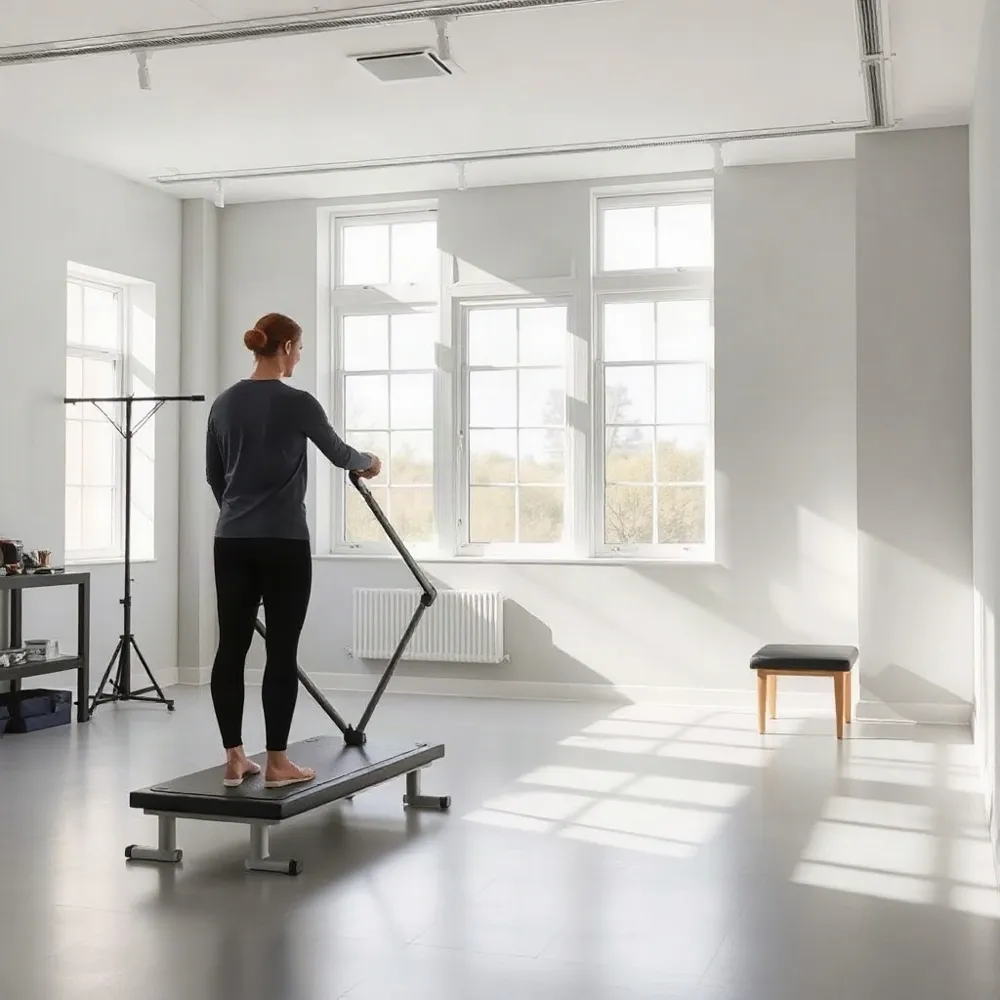 For patients managing sciatic nerve discomfort, physical therapy provides a structured pathway to recovery that prioritizes active engagement over passive rest. While brief rest for a day or two is acceptable, the Mayo Clinic notes that complete, prolonged inactivity often worsens symptoms and impedes healing. Rather than waiting for pain to disappear, patients benefit from professional, movement-based strategies designed to restore function and promote natural healing.
At osistl.com, our approach to rehabilitation centers on the understanding that the sciatic nerve requires both stability and mobility. Effective programs typically target the muscles in the core, hips, and lower back to create a protective guard for the spine. By strengthening these areas, patients can alleviate the structural pressure on the nerve that often causes radiating pain.
Techniques for restoring mobility
Beyond muscle strengthening, physical therapy incorporates specialized techniques to improve range of motion without increasing nerve tension. Nerve glides are frequently utilized to encourage the sciatic nerve to move smoothly through its natural pathway, helping to desensitize the nerve and reduce inflammatory signaling. These movements serve as a vital counterpoint to the static stretching often performed incorrectly at home, which can sometimes aggravate sensitive tissues.
Individualized care is essential because sciatica originates from diverse causes, such as disc herniation or spinal stenosis. What offers relief to one patient may prove counterproductive for another. By working with a specialist, patients receive a customized exercise program tailored to their specific symptoms and structural needs, ensuring the safest route back to daily activities. This personalized oversight at osistl.com remains a cornerstone of our patient-first philosophy for managing chronic back and leg pain.
Preventing Flare Ups and Avoiding Common Mistakes
Recovery from sciatica requires more than just clinical treatment. Success depends heavily on daily habits and avoiding activities that place undue stress on the lower spine. While many patients feel an urge to push through discomfort, identifying and removing irritants is the most effective way to prevent a return of symptoms.
What are the common mistakes or activities to avoid when suffering from sciatica?
When managing sciatica, it is essential to avoid high-impact activities, heavy lifting, and exercises that involve twisting, deep squats, or forward bending with straight legs, as these motions place excessive pressure on the lower spine. A common mistake is attempting strenuous routines or stretches without a proper warm-up, which can further aggravate nerve compression. You should steer clear of exercises like double leg lifts and bent-over rows, as these often exacerbate pain. Ignoring persistent warning signs or failing to seek professional guidance before starting a new exercise regimen can lead to further injury. Always prioritize low-impact movement and consult with a specialist at the Orthopedic Spine Institute of St. Louis to ensure your activities support your recovery rather than hindering it.
Prolonged sitting is a frequent, often overlooked trigger for sciatic pain. Sitting puts more pressure on lumbar discs than standing or lying down, which can quickly lead to increased irritation. To protect your spine, aim to interrupt long periods of sitting every 20 to 30 minutes with gentle movement. If your job requires extended desk time, focusing on spine-sparing movement strategies can help maintain alignment and reduce the load on your nerve roots.
Listening to your body is a cornerstone of any rehabilitation plan. If a specific movement increases pain or causes symptoms to radiate further, stop immediately. While some mild discomfort is common during physical therapy, sharp or burning sensations indicate that you should modify the intensity or duration of your session. Instead of static, aggressive stretches that may strain the nerve, prioritize nerve glides and controlled strengthening programs. Working with a professional allows you to build a resilient back while ensuring that your routine evolves alongside your healing progress.
Recognizing Red Flag Symptoms for Urgent Medical Attention
While most cases of sciatic nerve irritation respond favorably to conservative care, certain symptoms signal the need for immediate medical evaluation. You should treat the sudden onset of significant neurological deficits, such as profound leg weakness or difficulty maintaining balance, as a priority concern. These issues suggest that nerve compression is affecting motor function, which requires prompt professional assessment to avoid lasting impairment.
When should you seek medical intervention for severe sciatica that hinders mobility?
If you experience severe pain that prevents walking, or the sudden loss of bowel or bladder control, you should seek immediate medical attention, as these can indicate serious nerve compression known as cauda equina syndrome. You should also consult a specialist if your pain is accompanied by significant leg weakness or persistent numbness that interferes with your daily activities. While mild sciatica may resolve with conservative management, professional intervention is necessary when symptoms become debilitating or fail to improve after a few weeks.
Prompt medical evaluation is critical to prevent long-term damage and to explore appropriate, minimally invasive treatment options tailored to your specific condition. Please contact the Orthopedic Spine Institute of St. Louis to schedule an appointment with Dr. David S. Raskas if you are concerned about your mobility and pain levels.
Advancing Beyond Conservative Care When Necessary
When dedicated non-surgical efforts do not produce lasting results, advanced medical interventions become the next phase in your recovery journey. While a significant majority of patients find relief through conservative care, persistent symptoms sometimes indicate a structural issue requiring a more direct approach to nerve decompression.
What surgical or advanced interventions are available if conservative treatments fail?
At Orthopedic Spine Institute of St. Louis, we prioritize minimally invasive spine surgery for cases that remain unresponsive to rehabilitation. These procedures utilize smaller incisions to minimize trauma to surrounding tissues, which often leads to a shorter recovery time compared to traditional open surgery. One common option is a Microdiscectomy, a procedure specifically designed to remove the portion of a herniated disc that is physically compressing your spinal nerve.
For patients experiencing sciatica due to spinal stenosis, a Laminectomy may be recommended to alleviate pressure on the spinal canal. By removing the lamina, which is the bony roof of the canal, this procedure creates necessary space for the nerves, effectively addressing the source of radiating pain and muscle weakness. Determining your candidacy for these advanced techniques requires a comprehensive clinical evaluation. Dr. David S. Raskas conducts a thorough assessment of your anatomy and history to ensure that any surgical intervention is precisely targeted, providing the best possible path to restoring your mobility and comfort.
Long Term Recovery and Maintaining Spinal Health
 Most individuals suffering from sciatic nerve pain experience recovery without the need for invasive medical procedures, as the majority of cases respond well to conservative care. Consistent, gentle exercise and dedicated physical therapy contribute significantly to rehabilitation, with symptoms often improving within four to six weeks. By addressing underlying inflammation and nerve compression through these non-surgical methods, patients frequently return to their normal activities.
Can sciatica resolve on its own, and what is the outlook for long-term recovery?
Many cases of sciatica resolve on their own with time and conservative home care, such as gentle stretching, over-the-counter anti-inflammatory medication, and targeted physical therapy. For the majority of patients, symptoms significantly improve within a few weeks as the inflammation around the nerve subsides. The long-term outlook is generally positive, provided that patients maintain a healthy lifestyle and incorporate regular movement to prevent recurrence.
At osistl.com, we prioritize a patient-first approach to help you find relief, only considering minimally invasive surgical options when necessary to restore your quality of life. Long-term health requires integrating movement into daily routines, such as avoiding prolonged sitting and maintaining proper posture. If you experience worsening symptoms, persistent numbness, or weakness in your leg, seeking a professional evaluation remains critical to ensure your recovery stays on track.
Taking the First Step Toward a Pain-Free Life
Most individuals struggling with sciatica find meaningful relief by prioritizing conservative, non-surgical approaches that address the root cause of nerve irritation. Rather than relying on invasive procedures, a patient-first model focuses on restoring natural alignment, reducing inflammation, and building muscular resilience. Early intervention is vital, as consistent care during the initial weeks of discomfort significantly improves long-term recovery outcomes.
At the Orthopedic Spine Institute of St. Louis, Dr. David S. Raskas provides personalized evaluations to guide you through a tailored recovery plan. Whether you require specific spinal decompression procedures or a structured physical therapy regimen, taking the first step today is the most effective way to regain mobility and manage pain. Schedule your consultation with our team to start your journey toward a life free from sciatic distress.