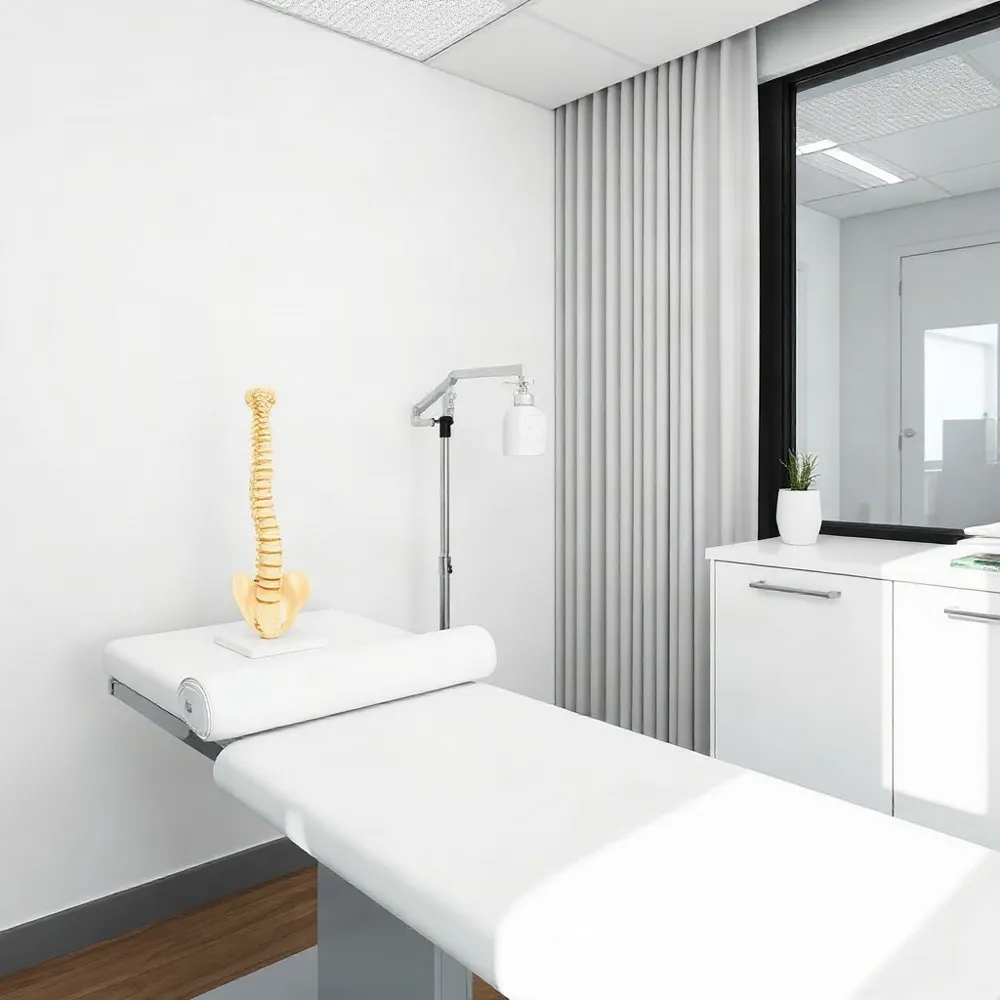
Understanding Spine Care After a Work Injury
A work-related back or neck injury can begin suddenly after a fall, impact, or lifting incident. It can also develop gradually with repeated bending, lifting, awkward posture, or long periods of sitting.
Pain may involve muscles, ligaments, spinal discs, joints, or nerves, and symptoms alone cannot identify the source. An individual evaluation helps determine what may be injured and how severe it is. At Orthopedic Spine Institute of St. Louis, care starts conservatively, with treatment choices based on the diagnosis and the person’s needs.
Many spine problems can first be treated without surgery. If symptoms or examination findings suggest a structural or nerve problem that may need more than conservative care, a spine specialist can discuss whether surgery is appropriate. The Alberta return-to-work guidance also recommends protecting the back while staying active, with work duties adjusted to current abilities when needed.
Responding Safely to an Injury
 What should I do if I injure my back at work? Notify a supervisor or human resources promptly, then write down when and how the injury happened, your symptoms, any witnesses, and how your condition changes. Keep copies of relevant incident reports and medical records. For more on documenting an injury, see workplace injury reporting and records.
Seek emergency evaluation for severe or worsening pain after trauma, a major fall or impact, new weakness or numbness, or difficulty walking. Loss of bladder or bowel control, or numbness around the groin or saddle area, requires immediate attention. Do not wait for a routine appointment when serious symptoms appear.
What should I do if I suspect a neck or spinal injury? Call 911 and keep the person as still as possible. Do not move or straighten their head, neck, or back. If they are in a safe place, support the head and neck in the position found, wait for responders, and follow the dispatcher’s instructions. Emergency steps do not replace assessment by a medical professional.
For a non-emergency injury, arrange a timely medical evaluation and follow the clinician’s advice. Ask your employer which reporting steps and authorized-care procedures apply, since workers’ compensation requirements can vary. At Orthopedic Spine Institute of St. Louis, care for back, neck, and sciatica pain begins with evaluation and a conservative approach, with minimally invasive surgery considered when appropriate.
What an Initial Spine Evaluation Examines
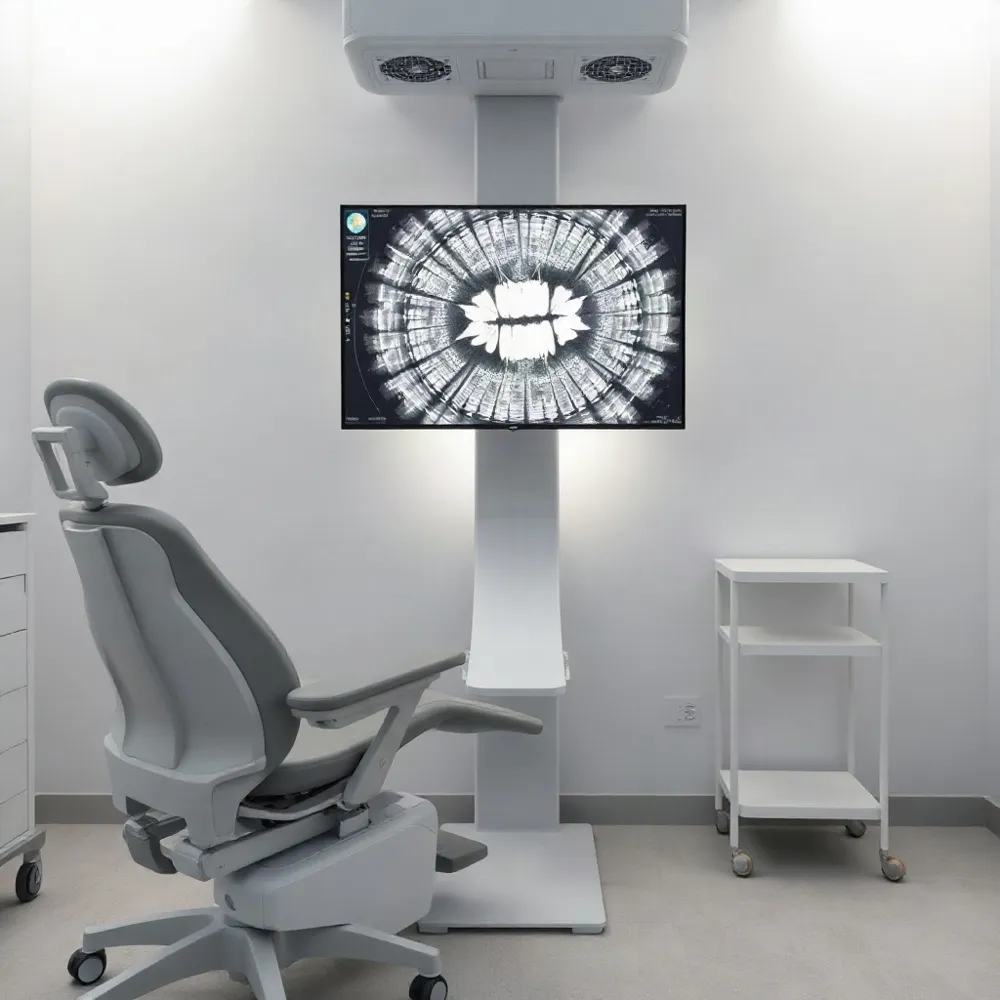 An initial spine evaluation connects the symptoms with the circumstances of the injury and the demands of the job. At Orthopedic Spine Institute of St. Louis, care begins with identifying the source of back or neck pain before considering treatment.
A clinician may ask how the injury happened, when symptoms began, whether they have changed, and what makes them better or worse. Questions about job duties, medical history, and effects on sleep, movement, or everyday activities help put the symptoms in context. A spine evaluation may also consider whether a work incident has aggravated an existing condition.
The physical examination may include observing how you move and walk, checking range of motion and tender areas, and testing strength, sensation, and reflexes. These findings can help a clinician decide what further assessment may be useful; no single finding necessarily identifies the cause on its own.
Imaging is selected according to symptoms and the suspected injury. X-rays can show alignment and some fractures, CT scans provide detailed views of spinal bones and may help assess stability, and MRI can show discs, the spinal cord, and surrounding soft tissues. The results are considered alongside the examination and injury history, including when a pre-existing condition may have been worsened by the event.
Treatment Starts With the Diagnosis
What treatments are available for back, neck, and spinal injuries? The answer depends on what the evaluation shows, including the affected structures, symptoms, overall health, and any imaging findings. A specialist assessment does not mean surgery is inevitable.
Many work-related spine problems are first treated without surgery. Care may include guidance on activity, temporary changes to tasks that aggravate symptoms, medication when appropriate, physical therapy, and therapeutic exercises. Activity usually progresses according to symptoms and the clinician’s recommendations, rather than through a sudden return to full demands.
At Orthopedic Spine Institute of St. Louis, care starts conservatively, with minimally invasive surgery considered when appropriate. Its workers’ compensation spine care guidance describes professional evaluation as the basis for choosing care, rather than treating every injury the same way.
For selected cases involving nerve-related or persistent pain, a clinician may consider an injection or nerve block. These options are not suitable for every injury, and the decision depends on the diagnosis and response to other care. A personalized plan may also account for job demands and any restrictions needed during recovery.
A procedure or surgery may be considered when symptoms persist despite appropriate nonsurgical treatment, or when structural damage or neurological findings call for intervention. Depending on the injury, options described in clinical care can include decompression to relieve pressure, a disc procedure, fusion, or stabilization. The specific approach depends on the location and nature of the problem, the patient’s health, and examination findings.
Suspected emergency spinal injuries need a different, urgent assessment focused on limiting further damage. For non-emergency low back pain, Alberta’s return-to-work guidance supports staying active while protecting the back and considering a gradual return with adjusted duties when needed. Work limits and treatment should be discussed with the treating clinician.
Recovery and Return to Work
 How long does a back or spinal injury take to heal? There is no single recovery timeline. It depends on the diagnosis and severity, the treatment needed, overall health, and whether nerves are affected. A clinician can give a more useful estimate after assessing the specific injury. For more context on how recovery time can differ, see return-to-work considerations after spinal injury.
How long should I stay off work, and how can I return safely, after a back injury? Timing depends on current symptoms, recovery, and the physical demands of the job, not simply on whether pain has disappeared. Follow the treating clinician’s restrictions, and ask for clarification about lifting, activity, hours, or other limits before changing your duties.
A return may involve modified duties, shorter workdays, task changes, or a gradual increase in workload. Discuss these options with the clinician and employer so the plan reflects current function and job demands. A gradual return-to-work plan can include adjustments to duties or hours while abilities improve.
As work demands increase, monitor symptoms and report worsening pain, weakness, numbness, or reduced mobility to your clinician for reassessment. New weakness, trouble walking, or loss of bladder or bowel control needs urgent medical attention. At Orthopedic Spine Institute of St. Louis, care begins with a patient-specific evaluation, with conservative treatment considered first and minimally invasive surgery offered when appropriate.
Workers may also need to follow their employer’s injury-reporting and medical-authorization process. Workers’ compensation rules, provider requirements, and coverage differ by jurisdiction, so confirm the applicable steps and keep follow-up appointments to review restrictions as recovery progresses.
A Personalized Plan for Moving Forward
After a work injury, the path forward begins with safety, a timely evaluation, and care guided by the specific diagnosis. Follow your clinician’s recommendations and coordinate any temporary work changes around your current abilities. A gradual return may help protect your back while you rebuild activity; Alberta’s return-to-work guidance also advises discussing limits and possible adjustments with a healthcare professional.
If symptoms persist or worsen, or you are unsure about your diagnosis or work restrictions, ask a qualified medical professional what to do next. At Orthopedic Spine Institute of St. Louis, care begins conservatively, with minimally invasive surgery considered when the clinical findings indicate it may be appropriate. The right plan depends on your condition and progress.