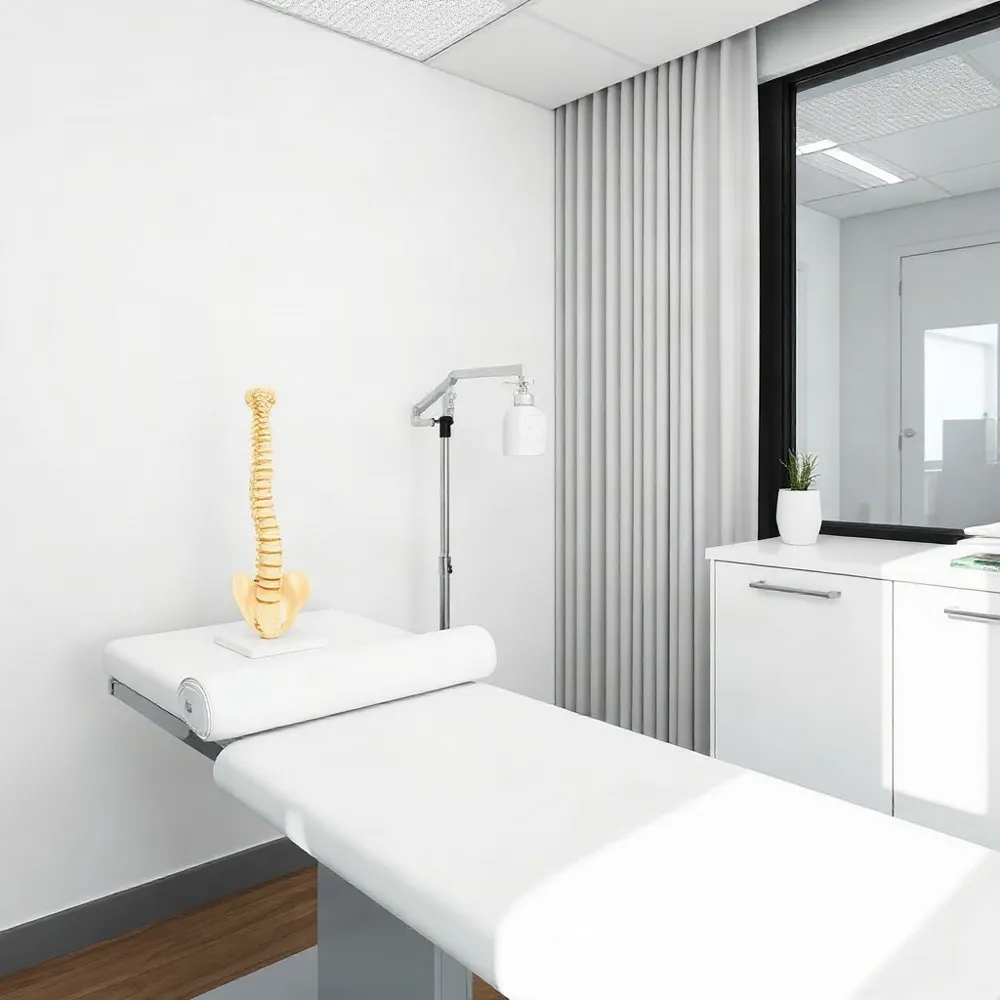
A Visit Focused on Understanding
A first spine clinic appointment is a chance to explain your symptoms, review your health history, and discuss how pain affects daily life. The goal is to understand what may be causing the problem and consider possible next steps, not to commit you to surgery.
Feeling unsure before a visit is common. Gathering relevant medical records, making notes about symptoms, and writing down questions can help you feel more organized and take an active part in the conversation. If you have imaging from earlier care, ask the clinic how to make it available for review.
Appointment length and the steps involved vary by clinic and individual needs. The Norman Prince Spine Institute describes an initial evaluation of about 30 to 40 minutes, but that estimate is specific to its practice. Its first-appointment guidance also explains how history, examination, and available imaging can inform an individualized care plan.
At osistl.com, care for back, neck, and sciatica pain starts with conservative options, with minimally invasive surgery considered when appropriate. The sections ahead cover what specialists evaluate, when to seek care, what an evaluation may involve, and how to prepare for conversations about treatment.
Who Spine Specialists Evaluate
 A spine specialist evaluates problems affecting the back or neck, including pain, numbness, or tingling that may travel into an arm or leg. These symptoms can have different causes, so the assessment considers a person’s symptoms and health history rather than relying on one complaint alone. Learn more about the problems spine specialists evaluate.
A spine doctor may be an orthopedic spine surgeon or a neurosurgeon, depending on their training. Both can evaluate spine conditions and discuss nonsurgical care as well as surgery when appropriate. A referral to a surgeon does not mean an operation is inevitable: Mayo Clinic Health System explains that pain does not automatically make someone a surgical candidate, and some causes are not helped by surgery.
Care often begins with conservative approaches, such as medication or physical therapy. The suitable plan depends on the diagnosis, symptoms, and the patient’s goals. At osistl.com, care for back, neck, and sciatica pain starts conservatively, with minimally invasive surgery offered when appropriate. Discussing the reasons for each option can help patients understand what treatment is intended to do and whether it fits their needs.
When to Seek Specialist Care
Consider an evaluation when back or neck pain continues despite home care or initial treatment, or starts to interfere with work, sleep, and everyday activities. Symptoms may have lasted weeks or years; what matters is how they affect your life. The Norman Prince Spine Institute’s appointment guidance likewise recommends seeking help when spine pain affects quality of life.
Pain that travels into an arm or leg, or unexplained numbness, tingling, or weakness, is worth discussing with a clinician. These symptoms can have different causes, so they do not establish a diagnosis on their own. An evaluation can help connect your symptoms with examination findings and any relevant imaging, then guide an appropriate plan. At the Orthopedic Spine Institute of St. Louis, care starts conservatively, with surgery considered when appropriate.
A routine specialist appointment is not the right response to every symptom. Sudden loss of bowel or bladder control, especially alongside numbness around the pelvis, needs emergency medical care. Do not wait for a regular referral or clinic visit.
Chronic back pain is very unlikely to make someone unable to walk, but pain that limits function or quality of life still deserves attention. A specialist can help clarify next steps without assuming that surgery is needed.
What Happens During the Evaluation
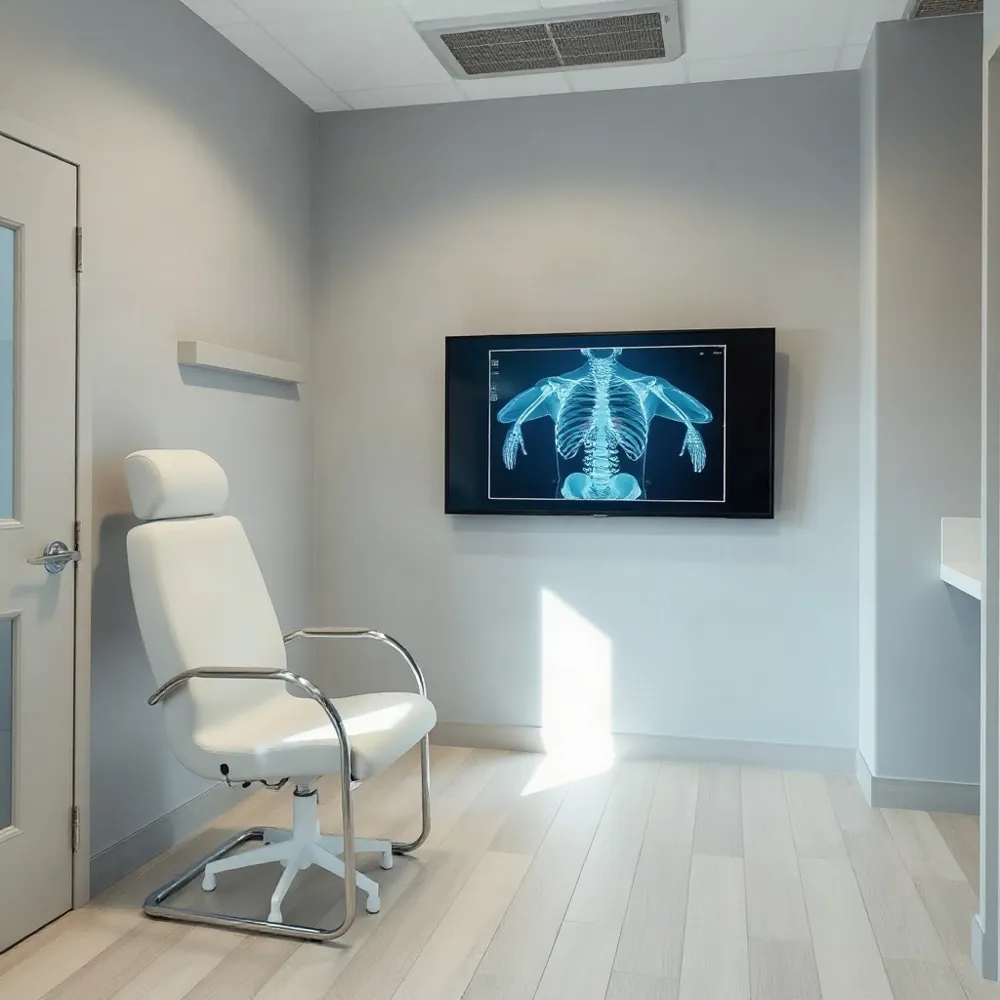 The first evaluation helps the specialist understand your symptoms and how they affect your daily life. Expect questions about when they began, where you feel pain or where it travels, what makes it better or worse, and which treatments you have tried.
The clinician may also ask about your medical, family, and social history. Bring relevant records and any prior imaging or radiology reports you have, as sharing these materials helps inform the evaluation.
A physical examination may include checks of movement, strength, sensation, and reflexes. Physical, neurologic, and musculoskeletal findings are considered alongside your history and available imaging to help identify a likely source of symptoms. At osistl.com, evaluation is part of a patient-first approach that begins with conservative care and considers minimally invasive surgery when appropriate.
Imaging or other tests are not necessary for everyone at a first visit. If symptoms do not improve with initial care, the clinician may consider diagnostic imaging, often an MRI, and review the findings with you. Imaging is one part of developing an individualized plan, rather than a requirement for every patient.
You may leave with an initial care plan, a recommendation for further evaluation, or a follow-up appointment to review your response or test results. A procedure or surgery is not automatic. Bring your medication list, available records, photo ID, and insurance card, and write down questions so you can clarify what the findings mean and what options come next.
Preparing Questions About Surgery
 If surgery comes up, focus first on how the recommendation connects to your symptoms and diagnosis. Ask what may be causing your symptoms, how the clinician reached that conclusion, and why the proposed procedure fits the problem. The Mayo Clinic Health System’s questions for a spine surgeon encourage patients to clarify the goal of an operation and what it is not expected to improve.
Ask what improvement is realistic for you, which nonsurgical treatments remain, and what could happen if you wait or decide against surgery. Discuss the operation’s risks and alternatives, including whether your health conditions or medications could affect those risks. At osistl.com, care for back, neck, and sciatica pain starts conservatively, with minimally invasive surgery considered when appropriate.
Recovery questions matter too. Ask about the expected hospital stay, activity restrictions, help you may need at home, and when you might return to daily activities. Bring a current medication list and details of prior spine procedures so the clinician can consider them in planning. Write down questions beforehand, or bring a friend or family member to help listen and remember the discussion.
You can ask for medical terms or recommendations to be explained in plain language, and share any concerns that affect your decision. If you remain uncertain, a second opinion can help you compare the diagnosis, proposed procedure, and alternatives before choosing a path. These questions can also guide a focused discussion with the clinician at osistl.com.
Understanding Spinal Fusion
Spinal fusion joins two or more vertebrae to stabilize part of the spine. A surgeon may consider it for a more severe problem or when nonsurgical treatment has not helped, but whether it is appropriate depends on the diagnosis, symptoms, health, and goals of the individual patient. The Orthopedic Spine Institute of St. Louis describes fusion alongside other treatment paths; surgery is not an automatic next step.
What should I know about the risks and recovery involved in spinal fusion surgery? Possible risks include infection, bleeding, blood clots, nerve injury, and bones that do not fuse as intended. Personal risk depends on the procedure and overall health, so ask the surgeon which concerns apply to you and how the expected benefits compare with alternatives. Questions to ask your surgeon about spinal surgery can help guide that discussion.
Recovery differs from person to person. Regaining strength and returning to usual activities may take several months, while bone healing can take a year or longer. Your surgeon can explain what timeline is realistic for your procedure and circumstances.
Walking may be encouraged soon after surgery, while bending, twisting, and heavy lifting may be restricted until your surgeon says they are safe. Physical therapy or a brace may be recommended. At osistl.com, care for back and neck pain starts conservatively, with minimally invasive surgery considered when appropriate, so treatment discussions can address nonsurgical options as well as an individualized recovery plan.
Discussing Spinal Stenosis
If spinal stenosis is part of the discussion, ask where the narrowing is and what may be causing it. Find out whether your examination and imaging findings fit your symptoms, rather than assuming a scan alone explains your pain. The spinal stenosis guide also outlines questions patients can raise about where stenosis occurs and how it relates to symptoms.
Ask which options suit your diagnosis and goals. Depending on your situation, care may include physical therapy, medication, injections, or surgery. The Orthopedic Spine Institute of St. Louis starts with conservative care and considers minimally invasive surgery when appropriate, rather than treating one approach as right for everyone.
For each option, ask about expected benefits, risks, and recovery, as well as how it could affect work, sleep, mobility, and other daily activities. You can also ask how progress will be measured, when the plan might change, and whether particular activities should be adjusted.
Bring a list of symptoms, medications, and questions. Note where symptoms occur, what makes them better or worse, and any changes in strength or sensation. Ask the clinician to explain findings in plain language, and confirm which new or worsening symptoms require urgent care. Guidance on questions to ask your spine surgeon can help you prepare for a treatment discussion.
Questions After Back Surgery
Before leaving the clinic, ask your surgeon what activities to avoid, how much you can lift, and when you may return to work, driving, exercise, and usual routines. Restrictions depend on the operation and your health, so follow the instructions your surgeon gives you rather than relying on someone else’s recovery schedule. The Mayo Clinic Health System’s guidance on spine surgery also emphasizes following postoperative directions and moving when your care team says it is safe.
Ask how to care for your incision, what pain and other symptoms are expected, and which changes need an urgent call. For example, clarify what to do if you develop a fever, worsening redness or drainage, new weakness, or pain that medication does not control. Confirm how and when to take each medication, and whether physical therapy or follow-up imaging is planned.
Before you go home, write down when follow-up appointments will happen and whom to contact with questions after hours. At osistl.com, care is described as starting with conservative treatment and offering minimally invasive surgery when appropriate, so patients can ask how the recommended procedure shapes their recovery instructions. For more on following individualized restrictions, see postoperative care guidance after microdiscectomy.
Leave With Clear Next Steps
A first spine visit is a chance to understand what may be contributing to your symptoms and discuss a plan that reflects your health and goals. Depending on the findings, next steps may include conservative care, further evaluation, or discussion of other options. A visit does not automatically mean surgery is needed.
Bring available records and a written list of questions, and share concerns openly. Ask the clinician to explain recommendations in plain language, including what follow-up is needed. Preparing for a first spine appointment can help you know what information may support the discussion.
At the Orthopedic Spine Institute of St. Louis, care for back, neck, and sciatica pain starts with conservative options, with minimally invasive surgery considered when appropriate. Contact osistl.com to ask about the appointment process and discuss care suited to your circumstances.