Understanding the Landscape of Spine Pain and Conservative Care
Prevalence of Spine-Related Pain
Back and neck pain are widespread issues, affecting up to 40% of adults in the United States at any given time. In fact, about 80% of people will experience back pain during their lifetime, with a significant number facing chronic conditions impacting daily life and work productivity.
Common Causes of Back and Neck Pain
Pain in the spine can arise from various sources, including arthritis, disc herniations, spinal stenosis, degenerative diseases, poor posture, traumatic injuries, and muscle tension. These issues may occur in the neck, middle, or lower back, each with distinct underlying factors but often overlapping symptoms.
Why Conservative Treatments Matter
More than 90% of patients with spine pain achieve substantial relief through non-surgical means. Conservative care focuses on physical therapy to strengthen and stabilize the spine, pain management with medications and injections, lifestyle adjustments like improved posture and weight management, and complementary therapies such as acupuncture and massage. Early and personalized conservative interventions not only enhance recovery but also minimize the need for invasive surgery, promoting long-term spine health and quality of life.
Core Conservative Treatments for Back and Neck Pain

What Are Conservative Treatments for Back Pain?
Conservative treatments for back pain focus on non-invasive strategies to relieve pain and enhance function. These methods encompass several key areas.
Physical Therapy as Foundational Treatment
Physical therapy is often the first recommended approach. It involves exercises designed to strengthen core muscles, improve flexibility, and correct posture. Tailored routines include stretching, range of motion improvement, and aerobic activities such as walking or swimming. Physical therapy also incorporates manual therapy and proprioceptive re-education to boost mobility and prevent further injury.
Medication Management Including NSAIDs and Muscle Relaxants
Medications play a supportive role in managing symptoms. Nonsteroidal anti-inflammatory drugs (NSAIDs), like ibuprofen, help reduce inflammation and pain. Muscle relaxants can alleviate muscle spasms, while nerve pain medications and certain antidepressants may assist in chronic cases. Medication use is carefully monitored to avoid side effects and minimize dependence.
Injection Therapies Such as Epidural Steroids and Nerve Blocks
For persistent or chronic pain, injection therapies may help. Epidural steroid injections deliver anti-inflammatory medication directly around the spinal cord to reduce swelling and pain. Nerve blocks and facet joint injections target specific nerves or joints causing discomfort. Though often temporary solutions, these treatments are valuable for diagnosis and pain relief.
Lifestyle Modifications Including Posture, Weight Management, and Stress Reduction
Day-to-day changes are essential in a conservative treatment plan. Maintaining proper posture during activities and using ergonomic furniture prevent strain. Managing weight reduces pressure on the spine, while quitting smoking improves circulation and spinal health. Stress reduction techniques, including mindfulness and meditation, also alleviate pain by addressing psychological factors.
Complementary Therapies Like Acupuncture, Massage, and Chiropractic Care
Complementary approaches enhance conservative care. Acupuncture involves stimulating specific points to promote nerve function and pain relief. Massage therapy reduces muscle tension and improves blood flow. Chiropractic care uses spinal adjustments to improve alignment and mobility. These therapies are often combined with physical therapy or pain management techniques for comprehensive benefits.
Overall, conservative treatments offer effective relief for most patients experiencing back and neck pain, emphasizing a multidisciplinary and personalized approach before considering surgery.
Natural and Home-Based Remedies for Spine Health

What are natural or home remedies that can help alleviate back pain?
Natural and home remedies can offer effective relief for Back pain statistics in the US and promote Posture for Spine Health. Engaging in regular low-impact exercises such as walking, swimming, or biking strengthens the muscles around the spine without causing strain. Stretching Exercises for Back Pain targeting areas like the hamstrings, piriformis, and lower back help reduce muscle tightness and improve flexibility.
Applying Cold therapy for inflammation reduction during the first 48 hours of pain onset helps reduce inflammation and swelling. Afterwards, Heat therapy for muscle relaxation can relax tight muscles and improve circulation, aiding recovery and comfort.
Improving posture throughout the day plays a crucial role in Preventing Back Pain and alleviating back discomfort. Ergonomic adjustments for spine at work and home — such as supportive seating and proper desk setup — minimize strain on the spine. Choosing supportive footwear and avoiding high heels can also reduce undue stress on the lower back.
Dietary choices matter, too. Consuming Anti-inflammatory foods for spine health like colorful fruits and vegetables, omega-3 rich fish, nuts, and seeds supports spinal health. Adequate Calcium intake for bone strength found in dairy products and leafy greens strengthens bones. Maintaining Hydration and Spinal Health and a Maintaining Healthy Weight for Spine further alleviate pressure on the back.
Managing stress through Mindfulness and meditation for pain management, yoga, or meditation not only improves mental wellbeing but also helps reduce muscle tension linked to chronic pain. Complementary treatments such as Massage Therapy for Back Pain and using natural topical remedies can enhance relaxation and pain relief.
These home-based strategies, combined with professional guidance when needed, empower individuals to maintain spine health and reduce back pain with minimal disruption to daily life.
Managing Chronic and Severe Lower Back Pain Non-Surgically
What are effective ways to relieve severe or chronic lower back pain?
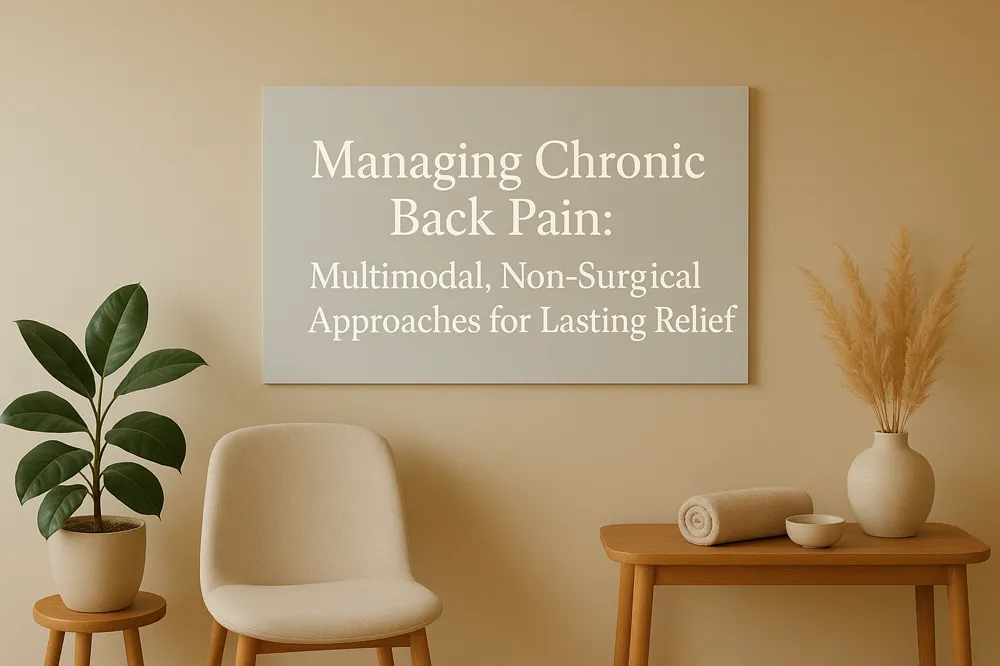
Effective relief for severe or chronic lower back pain usually requires a comprehensive, multi-modal treatment approach tailored to individual needs.
Multi-modal treatment approaches
This includes a combination of physical therapy for back pain relief, medications, psychological techniques, and minimally invasive procedures. Physical therapy focuses on core strengthening, stretching, and posture retraining to improve mobility and reduce pain.
Role of physical therapy and psychological interventions
Alongside physical therapy, psychological interventions such as cognitive behavioral therapy for low back pain, mindfulness, and relaxation methods help patients manage the emotional burden and coping strategies related to chronic pain.
Use of medications and minimally invasive procedures
Medications commonly involve NSAIDs, muscle relaxants, and nerve pain medications. In cases where conservative treatment is insufficient, minimally invasive options like epidural steroid injections, nerve blocks, neuromodulation with electrical impulses, or targeted drug delivery via pumps can provide additional relief.
Importance of specialist consultation for tailored plans
A specialist’s evaluation is critical for an accurate diagnosis and personalized treatment plan. This ensures appropriate use of therapies, minimizes the need for surgery, and improves long-term outcomes for patients with chronic or severe lower back pain.
Non-Surgical Management of Specific Spine Disorders: L4 and L5 Nerve Root Compression
What Are the Symptoms and Effects of L4 and L5 Nerve Root Compression?
Nerve root compression at the L4 and L5 levels commonly causes symptoms such as lower back pain, radiating pain down the legs (sciatica), numbness, tingling, and muscle weakness in the affected areas. Patients often experience difficulty walking, standing, or performing daily activities due to pain or neurological deficits. These symptoms arise from pressure on nerve roots caused by disc herniation, spinal stenosis, or degenerative changes. For more information, see Spinal Stenosis Symptoms and Disc Issues and Back Pain.
How Can Conservative Treatment Approaches Help?
Conservative care is widely effective for managing L4 and L5 nerve root compression. Key strategies include:
- Physical Therapy: Tailored exercises focus on strengthening core and lower back muscles, enhancing flexibility, and improving posture and body mechanics to reduce nerve pressure. Learn more about Physical therapy for spinal support and Therapeutic Exercises for Low Back Pain.
- Injections: Epidural steroid injections or Nerve Blocks for Chronic Pain reduce local inflammation and pain, providing temporary relief to facilitate rehabilitation. Further details can be found in Epidural steroid injections and Epidural steroid injections.
- Medications: Use of NSAIDs, muscle relaxants, or neuropathic medications can help manage pain and improve function. See Medications for Back and Neck Pain and Pharmacologic treatments for chronic back pain.
These methods aim to alleviate symptoms and restore mobility while avoiding surgical risks. For comprehensive approaches refer to Conservative care for spine pain.
What Lifestyle and Ergonomic Strategies Reduce Nerve Pressure?
Modifications such as maintaining a healthy weight, performing regular low-impact exercises, staying hydrated, and practicing proper posture are essential. Workplace ergonomics—like adjustable chairs, frequent breaks, and correct lifting techniques—also mitigate nerve root stress. Avoiding prolonged sitting or heavy lifting further supports spinal health. Additional resources include Maintaining Healthy Weight for Spine, Posture for Spine Health, and Back pain prevention at work.
When Is Surgery Considered?
Surgical intervention is typically reserved for cases where conservative treatments fail to improve symptoms or when patients develop 'red flag' signs such as:
- Persistent, debilitating pain
- Progressive weakness in the legs
- Loss of bladder or bowel control
- Significant neurological deficits
In these cases, minimally invasive procedures like decompression or discectomy may be recommended to relieve nerve pressure and restore function effectively. For detailed surgical options see Minimally invasive spine surgery (MIS) and Minimally Invasive Spine Surgery (MISS) overview. Information on surgery indications and outcomes is also covered in When Surgery is Needed for Back Pain.
Advances in Non-Surgical Treatment for Spinal Stenosis
Physical therapy and medication use
Physical therapy remains foundational in managing spinal stenosis, focusing on strengthening spine muscles, improving posture, flexibility, and range of motion. Medications, such as NSAIDs for inflammation and pain and muscle relaxants, help reduce inflammation and pain, making physical therapy more effective.
Epidural steroid injections and nerve blocks
Pain relief is often achieved temporarily through epidural steroid injections and nerve blocks that deliver anti-inflammatory medications directly near affected nerves. These injections reduce swelling and alleviate nerve pressure, serving as critical tools in conservative care.
Radiofrequency ablation and spinal cord stimulation
For longer-lasting relief, radiofrequency ablation (RFA) targets nerve fibers transmitting pain signals, providing extended benefits especially when injections are insufficient. Spinal cord stimulation (SCS) implants mild electrical pulses to interfere with pain pathways, offering another minimally invasive solution for chronic cases.
Minimally invasive procedures like the mild® technique and endoscopic spine surgery
The latest non-surgical innovations include the MILD® procedure for spinal stenosis, which removes small amounts of bone and ligament to decompress nerves without implants, minimizing tissue disruption and allowing fast recovery.
Endoscopic spine surgery advances this approach by using tiny micro-incisions and high-definition endoscopes to carefully remove pinching structures such as herniated discs or thickened ligaments. Often performed outpatient, it offers reduced anesthesia use, minimal scarring, and quicker return to daily life.
Patient candidacy and symptom considerations
These advanced treatments are ideal for patients with mild to moderate stenosis who experience worsening pain with activity but relief when sitting or leaning forward. Careful evaluation through imaging and clinical assessment ensures personalized treatment planning, maximizing benefits while avoiding unnecessary surgery.
Minimally Invasive Spine Surgery: Techniques, Benefits, and Patient Suitability
What are minimally invasive spine surgery techniques and their benefits?
Minimally invasive spine surgery (MIS) involves using small incisions combined with specialized surgical instruments such as tubular retractors, endoscopic spine surgery, and robotic-assisted devices to access the spine with minimal disruption to muscles and soft tissues.
Common MIS techniques treat conditions like herniated discs, spinal stenosis, scoliosis, spondylolisthesis, and vertebral compression fractures. Procedures include discectomy, spinal decompression, spinal fusion, laminectomy, and vertebral repair.
Advanced imaging technologies like fluoroscopy, high-powered microscopes, and computer navigation support precise instrument placement and visualization during surgery, reducing risks.
Benefits of MIS include:
- Smaller incisions leading to minimal scarring
- Reduced blood loss
- Lower risk of infection
- Less postoperative pain
- Shorter hospital stays and quicker recovery
- Faster return to normal daily activities
- Improved cosmetic outcomes
Despite these advantages, risks such as nerve injury, incomplete symptom relief, or need for subsequent open surgery exist. Hence, personalized evaluation is necessary.
Who is a candidate or not a candidate for minimally invasive spine surgery?
Candidates typically have specific spinal problems unresponsive to conservative treatments, such as herniated discs, spinal stenosis, spondylolisthesis, spinal tumors, or compression fractures due to osteoporosis.
Ideal patients:
- Are in good overall health
- Can tolerate anesthesia
- Have no significant uncontrolled medical issues like heart or lung diseases
Factors potentially limiting candidacy include:
- Severe obesity
- Extensive prior spine surgeries
- Complex spinal deformities
A comprehensive assessment by a spine specialist ensures the patient’s suitability for MIS and tailors the surgical approach accordingly.
What is the typical recovery time for minimally invasive spine surgery?
Recovery from MIS is generally faster than from traditional open surgery.
- Many patients can resume light daily activities within 4 to 6 weeks.
- Significant pain reduction and improved function are often noted by 8 to 12 weeks.
- Full recovery with complete return to normal routines typically occurs around 3 to 6 months postoperatively.
Post-surgery care includes avoiding heavy lifting or twisting, attending physical therapy starting about a week after surgery, and follow-up visits to monitor healing.
MISS advantages allow for shorter hospital stay or same-day discharge, less postoperative discomfort, and quicker rehabilitation, helping patients regain independence sooner.
Empowering Patients Through Conservative and Innovative Spine Care
Non-surgical treatments play a vital role in managing back and neck pain, with over 90% of patients achieving relief without surgery.
These conservative options include physical therapy focused on core strengthening and posture correction, pain management through medications and injections, and complementary therapies such as acupuncture and chiropractic care. Lifestyle changes like weight management, proper hydration, and ergonomic adjustments further support spinal health.
Early consultation with spine specialists ensures tailored care plans that emphasize non-invasive treatments first, reserving surgery only for serious cases with neurological complications. This approach promotes faster recovery, fewer risks, and improved long-term outcomes.
Advancements such as neuromodulation, targeted drug delivery, and minimally invasive techniques have expanded treatment possibilities, reducing the need for traditional surgery and enhancing patient quality of life. Together, these innovations empower patients to regain function and reduce pain safely and effectively.