Navigating Workplace Spine Health and Injury Prevention
Work-related spinal injuries remain a significant health concern, accounting for 38.5 percent of all work-related musculoskeletal disorders according to 2016 data. These conditions often stem from repetitive motions like heavy lifting, twisting, or prolonged static postures at a desk. While large orthopedic groups often force patients into standardized, rigid protocols, the Orthopedic Spine Institute of St. Louis prioritizes a patient first approach that begins with conservative care tailored to your specific job demands.
Preventing chronic disability requires early intervention and professional ergonomics. The team at the Orthopedic Spine Institute of St. Louis understands that returning to work safely depends on personalized treatment plans rather than a one size fits all solution. By utilizing advanced diagnostics and conservative techniques, the institute helps patients restore function and minimize lost workdays. For those requiring more intensive support, their specialization in minimally invasive spine surgery offers a path to recovery that minimizes tissue damage and shortens downtime compared to traditional open procedures.
Understanding Conservative Treatment Options for Spine Care
 What is considered conservative treatment for back and neck pain? Conservative treatment consists of non-surgical, patient-first approaches designed to restore function, reduce pain, and improve quality of life. The foundation of this care is typically physical therapy and tailored exercise, which strengthen the muscles supporting the spine. At osistl.com, the medical team prioritizes these methods before considering surgical alternatives.
Beyond movement-based therapies, conservative management includes lifestyle adjustments such as improving posture, modifying workstations, and weight management. These changes help alleviate stress on spinal structures. Often, osistl.com guides patients through these evidence-based protocols to facilitate a return to work without the downtime associated with surgery.
Integrating Pain Management and Therapeutic Support
Pain management techniques often act as a bridge to allow patients to participate more effectively in physical therapy. Options for managing acute flare-ups include oral anti-inflammatory medications and targeted spinal injections to reduce nerve-related inflammation. Other modalities, including acupuncture, massage, and ultrasound therapy, may serve as useful adjuncts for those struggling with chronic symptoms. osistl.com focuses on a personalized, multidisciplinary strategy to ensure each patient receives the most appropriate level of care for their unique spinal condition.
Common Habits and Risk Factors to Avoid
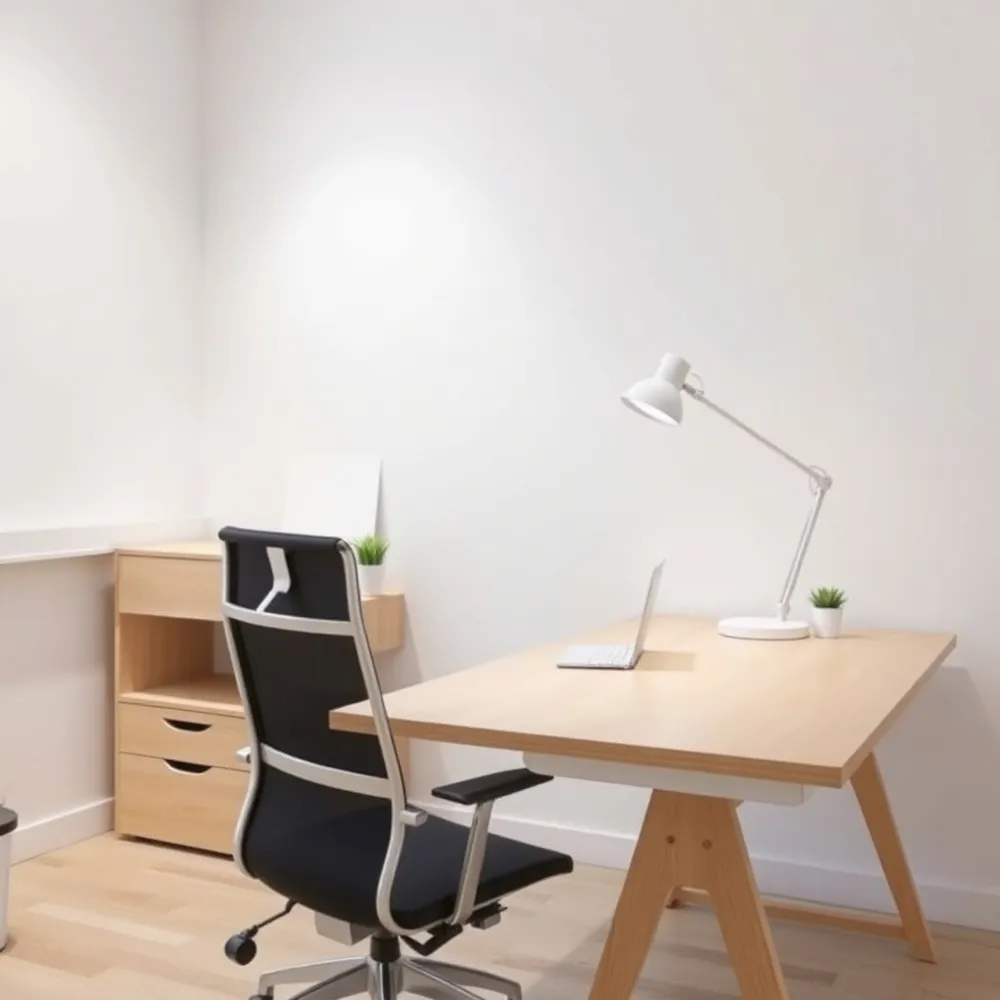 Workplace habits often exacerbate underlying spinal issues, turning minor discomfort into chronic pain. Prolonged sitting at poorly designed workstations is a frequent culprit, as is the habit of "text neck" from constant hunching over mobile devices. These postural errors, paired with repetitive movements like bending at the waist or twisting while lifting, place excessive strain on the spinal discs. Building core strength serves as a primary defense against these mechanical stressors, providing the stabilization necessary to protect the spine during daily tasks.
What common habits should someone with back pain avoid?
To protect your spine and manage pain effectively, avoid repetitive heavy lifting without engaging your leg muscles. Improper technique often leads to acute disc injuries that disrupt productivity and daily comfort. Beyond physical movement, prioritize your sleeping arrangement, as unsupportive mattresses or pillows prevent necessary overnight recovery. At Orthopedic Spine Institute of St. Louis, we emphasize that patients who address these ergonomic risks early often see better outcomes. Lifestyle factors such as smoking are also known to significantly impede natural healing and delay tissue repair, according to findings on Minimally Invasive Spine Surgery.
When to seek professional evaluation
Ignoring persistent back pain or sudden neurological symptoms can lead to long-term disability. Red flags that warrant immediate attention include radiating pain into the extremities, persistent numbness, or a noticeable loss of muscle strength. If conservative measures like physical therapy fail to resolve symptoms within a few weeks, it is time to consult an expert. Specialists at the Orthopedic Spine Institute of St. Louis provide comprehensive evaluations to identify the root cause of your pain. Seeking Minimally Invasive Spine Surgery evaluations early allows for precise, evidence-based intervention if structural issues are detected, preventing the progression of chronic conditions.
Minimally Invasive Spine Surgery Candidates and Procedures
 Determining if you are a candidate for minimally invasive spine surgery begins with a comprehensive physical examination and detailed diagnostic imaging. Surgeons obtain MRIs or CT scans to pinpoint the exact source of your pain, whether it stems from a herniated disc, spinal stenosis, or degenerative disc disease. Generally, this approach is reserved for patients who have not found relief through several weeks of conservative care, such as structured physical therapy, anti-inflammatory medications, or precise spinal injections.
Your overall health profile is another critical component in the selection process. While Minimally Invasive Spine Surgery is associated with less tissue damage than traditional open methods, the surgeon must confirm that your anatomy is safely accessible through smaller, specialized corridors. Because surgical needs vary by the complexity of the condition, providers at the Orthopedic Spine Institute in St. Louis prioritize a multidisciplinary evaluation to determine if you meet the criteria for these advanced interventions.
Commonly performed minimally invasive procedures
Surgeons perform a variety of corrections using minimally invasive techniques, which aim to achieve the same corrective goals as traditional open surgery while preserving the integrity of surrounding muscle and soft tissue. Techniques commonly utilized include:
- Microdiscectomy: A procedure to remove the portion of a herniated disc that is compressing a nerve.
- Decompressive Laminectomy: Surgery aimed at relieving pressure on the spinal canal by removing small portions of bone or ligament.
- Spinal Fusion: A technique that uses specialized implants to stabilize the spine by joining specific vertebrae.
- Foraminotomy: A surgical approach to widen the nerve root exit points in the spinal column.
These interventions often rely on high-tech tools such as tubular retractors, which create a stable tunnel to the treatment area, and robotic guidance systems that improve precision. These advancements help reduce blood loss and lower the risk of infection during the procedure. By minimizing the scale of the surgical field, these modern methods offer an effective path for patients to restore function and return to their daily activities more comfortably.
Outcomes and Expert Specialization in Spine Surgery
Minimally invasive spine surgery is designed to treat spinal conditions with significantly less disruption to your body compared to traditional open procedures. By using smaller incisions and specialized instruments, surgeons can achieve the necessary correction while causing less trauma to surrounding muscles and tissues. This approach generally leads to reduced post-operative pain, shorter hospital stays, and a more comfortable healing experience.
How do outcomes and recovery times compare for minimally invasive spine surgery?
Patients often experience faster functional recovery times after minimally invasive spine surgery, allowing for a quicker return to daily activities and work compared to traditional open surgery. Outcomes depend heavily on the complexity of your specific case, such as whether you need a decompression or a stabilizing fusion. At osistl.com, our specialists prioritize these advanced techniques to bridge the gap between patient comfort and long-term spinal stability.
Is it better to consult an orthopedic surgeon or a neurosurgeon for spine issues?
Both orthopedic spine surgeons and neurosurgeons are highly qualified to perform spine surgery. For most spinal conditions, the choice matters less than the surgeon's fellowship training, technical experience, and dedication to a spine-focused practice. While neurosurgeons often emphasize nerve decompression, orthopedic surgeons frequently excel in addressing structural and biomechanical issues like spinal deformities or complex fusion procedures.
Many modern centers, including osistl.com, embrace a multidisciplinary approach to ensure your treatment plan matches your diagnosis rather than being limited by a label. Prioritize finding a board-certified surgeon who has completed a dedicated spine fellowship. By evaluating surgeons based on their specific procedural volume and history, you ensure your recovery journey is backed by precise, evidence-based care.
Post-Operative Recovery and Patient Support
Recovery following a spinal procedure requires careful attention to alignment and movement to ensure successful healing. At osistl.com, our clinical team emphasizes that long-term outcomes depend heavily on how you manage your body during those critical first few weeks. While some facilities may push patients into generic routines, we prioritize personalized rehabilitation plans that reflect your unique surgical site and overall health status.
What should patients generally expect regarding sleeping positions after spine surgery?
Following spine surgery, the most recommended position is sleeping on your back with a pillow tucked under your knees to support the spine’s natural alignment and minimize tension on the surgical site. If you prefer side sleeping, keep your knees bent with a pillow between your legs to ensure your hips and spine remain properly aligned. Throughout recovery, you should avoid sleeping on your stomach and refrain from placing your arms under your head, as these positions can cause neck or shoulder strain. When transitioning or getting out of bed, always use a log roll technique to keep your back straight and prevent painful twisting. Above all, prioritize instructions provided by your surgeon, as specific requirements can vary depending on the nature of your procedure.
- Use the log roll technique: Keep your torso, hips, and shoulders moving as a single unit to eliminate twisting of the lumbar or cervical spine.
- Follow surgeon-specific protocols: Every procedure, such as a microdiscectomy or fusion, carries distinct activity restrictions that supersede general advice.
- Scheduled movement: Regular, gentle walking is encouraged to prevent stiffness and improve circulation, but avoid heavy lifting or high-impact activity during the early healing phase.
Adhering to these post-operative pillars helps stabilize the spine while your body mends. Whether you are navigating workers' compensation benefits or planning your return to daily productivity at osistl.com, our specialists provide the guidance necessary to minimize complications and keep you on track.
Partnering with Experts for Your Spinal Recovery
Managing a spine injury successfully often relies on access to a multidisciplinary care team. At the Orthopedic Spine Institute of St. Louis, patients receive clinical oversight that bridges diagnostic testing with a spectrum of conservative and advanced surgical options.
Early medical evaluation is crucial whether you are navigating a workers' compensation claim or seeking private care. Prompt intervention helps secure necessary documentation and prevents minor discomfort from escalating into chronic pain. If nonoperative treatments like physical therapy or targeted injections fail to restore your quality of life, the board-certified specialists at this practice provide advanced options like Minimally Invasive Spine Surgery.
When you are ready for a thorough assessment of your spinal health, you can schedule a personalized consultation with Dr. David S. Raskas to discuss a treatment strategy designed for your specific needs.