An Introduction to Spinal Decompression Therapy Treatments
Spinal decompression encompasses a diverse range of medical interventions designed to relieve back pain by reducing pressure on the spinal cord or nerves. Whether through specialized non-surgical traction or surgical procedures, the primary objective is to alleviate the distress caused by conditions like herniated discs, sciatica, and spinal stenosis.
At the Orthopedic Spine Institute of St. Louis, we prioritize a patient-first approach that emphasizes conservative management before considering invasive alternatives. Our clinical philosophy mirrors the gold-standard medical practice of beginning with non-invasive therapies to address chronic discomfort. When these initial interventions fail to provide sufficient relief, our team evaluates patients for potential minimally invasive spine surgery to effectively resolve persistent nerve compression.
Identifying the root cause of spinal pressure is vital to developing an effective treatment plan. Professional diagnostic assessments, including imaging such as MRI or CT scans, help pinpoint whether bone spurs or disc material are triggering your symptoms. If you suffer from radiating pain or weakness, consulting with a qualified specialist allows for a personalized care strategy aimed at restoring your quality of life.
Understanding Non-Surgical Spinal Decompression Mechanisms
 At osistl.com, we address chronic back, neck, and sciatica pain using a specialized, non-surgical approach. This therapy operates on the principle of spinal decompression, which uses controlled stretching to alleviate the intense pressure often felt on spinal discs and nerves.
What is spinal decompression therapy and how does it work?
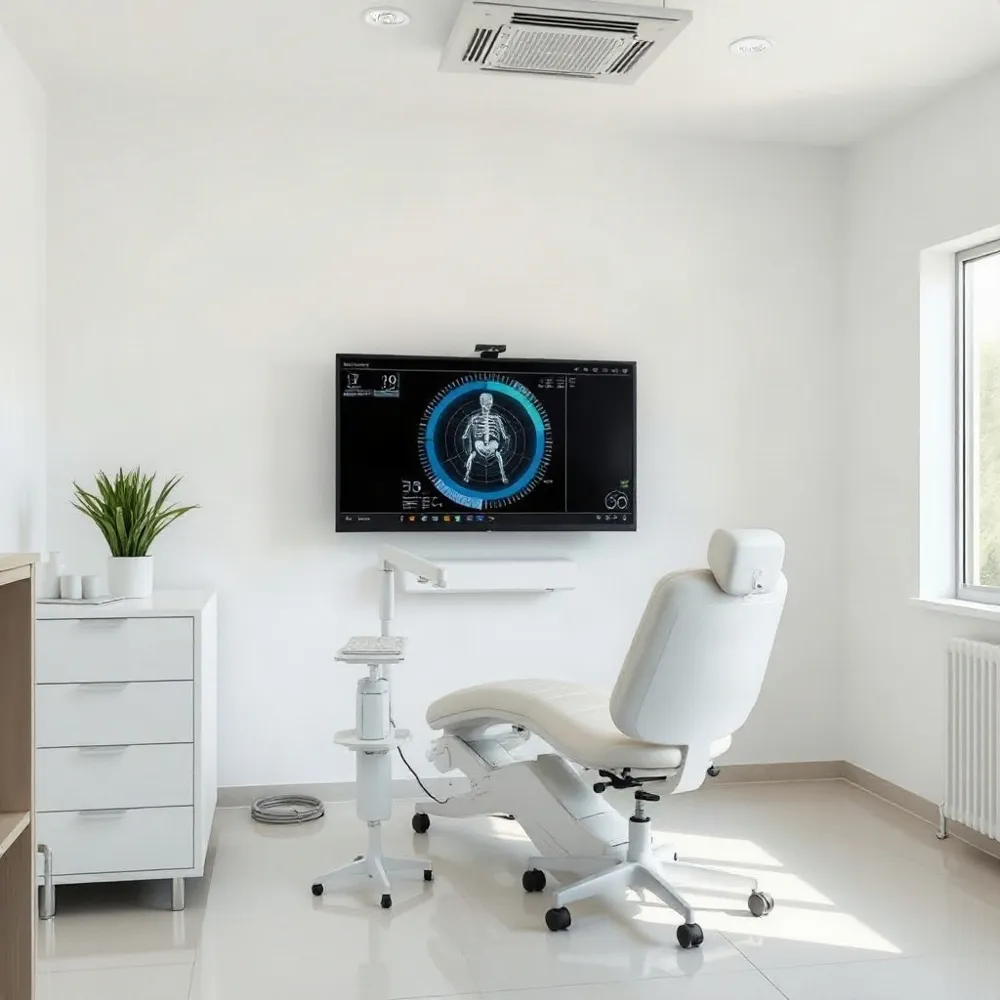
The procedure is fundamentally about creating space within the spine. While traditional manual techniques rely on a provider's hands to apply steady traction, modern clinical practice favors motorized traction tables. These systems are highly advanced, using computer-modulated force to apply rhythmic cycles of gentle stretching and relaxation. By precisely adjusting these forces, the equipment targets specific vertebral levels, avoiding the muscle guarding or spasms that can sometimes occur with static manual force.
This mechanical stretch creates a vacuum effect, or negative intradiscal pressure, within the spine. For patients dealing with bulging or herniated discs, this internal environment helps the disc material retract toward its normal position. This action removes the physical 'pinching' of nearby spinal nerves. Beyond mere pressure relief, this environment promotes a vital healing cycle. The negative pressure acts like a pump, drawing essential oxygen, water, and nutrient-rich fluids into the damaged disc space to support tissue repair.
Patients at osistl.com benefit from this conservative, patient-first philosophy. By facilitating these natural recovery mechanisms before considering more invasive options, we aim to improve mobility and comfort for those who have not found relief through rest or over-the-counter medications.
Comparing Non-Surgical Therapy and Surgical Decompression
 Medical providers typically follow a stepped approach to spinal care, beginning with conservative, non-invasive therapies before considering surgical intervention for chronic or severe cases. At osistl.com, patients experiencing persistent pain often explore non-surgical options that utilize gentle traction to create negative pressure, helping to retract herniated discs without the need for an operating room.
How do non-surgical spinal decompression methods differ from surgical decompression?
Non-surgical spinal decompression is a conservative therapy that utilizes motorized traction tables to gently stretch the spine, aiming to create negative pressure within the discs to encourage retraction of herniated material and promote natural healing. In contrast, spinal decompression surgery is an invasive medical intervention performed to physically remove anatomical structures, such as bone spurs, herniated disc fragments, or parts of the lamina, that are directly compressing the spinal cord or nerve roots.
While non-surgical methods focus on therapeutic stretching to address symptoms over a series of sessions, surgery is typically reserved for more severe cases where structural impingement requires direct mechanical relief. Common surgical procedures, such as a discectomy for removing herniated disc material or a laminectomy for removing part of the vertebral bone, are designed to permanently enlarge the spinal canal. Many patients at osistl.com find that minimally invasive techniques allow for these procedures to be performed with smaller incisions and less disruption to surrounding muscles compared to traditional open surgery.
| Feature | Non-Surgical | Surgical |
|---|---|---|
| Primary Goal | Reduce Pressure | Physical Removal |
| Recovery Time | No Downtime | Weeks to Months |
| Typical Case | Conservative | Last Resort |
Evaluation of Sciatica and Therapeutic Approaches
 Sciatica frequently arises when structures such as herniated discs or bone spurs exert physical force on the sciatic nerve root. This nerve compression disrupts the primary pathway between the spine and the lower limbs, causing radiating pain, numbness, or muscle weakness as noted by researchers at Johns Hopkins Medicine. To understand if spinal decompression therapy or other interventions are appropriate, specialists utilize diagnostic imaging like MRI and CT scans to visualize structural impingement. In some cases, electrical tests such as electromyography (EMG) are employed to map nerve conduction and pinpoint the exact source of the radiating distress.
Does spinal decompression therapy effectively treat sciatica? This non-surgical approach functions by creating negative pressure within the spinal discs, which helps facilitate the retraction of bulging or herniated material away from the nerve root. While clinical literature indicates that evidence for non-surgical decompression is still evolving, many patients report improved mobility and pain reduction when it is paired with physical therapy or targeted exercise. At the Orthopedic Spine Institute of St. Louis, we emphasize a stepped approach to care, often combining these conservative modalities to address the root cause of nerve agitation before considering surgical alternatives.
| Diagnostic Tool | Clinical Purpose | Targeted Benefit |
|---|---|---|
| MRI/CT Scan | Structural Imaging | Locate disc shifts |
| EMG/NCS | Nerve conduction | Assess nerve signal path |
| Physical Exam | Reflex testing | Evaluate muscle function |
Patient Safety and Contraindications for Care
At osistl.com, we emphasize that patient safety starts with a thorough clinical examination. Before beginning any spinal decompression therapy, our team performs rigorous screening to evaluate for severe conditions, such as fractures, tumors, or infections, that could make mechanical traction unsafe. Using this step-by-step approach allows us to identify when conservative care is the right path versus when advanced surgical intervention is required.
Who is not a candidate for spinal decompression treatment?
Spinal decompression is not suitable for individuals with conditions that compromise the structural integrity of the spine, such as severe osteoporosis, osteopenia, or recent spinal fractures. Candidates must also avoid this therapy if they have metal implants, artificial discs, or have undergone spinal fusion surgery, as the traction forces can interfere with hardware. Furthermore, the procedure is contraindicated for patients with spinal tumors, infections, or abdominal aortic aneurysms. Pregnant women and those with conditions like spondylolisthesis or advanced spinal stenosis should also avoid this treatment. Additionally, patients who are taking blood-thinning medications or who have experienced failed back surgery may not be appropriate candidates.
Improper application of traction can lead to adverse events, including muscle spasms or temporary increases in pain. Research has documented that without proper diagnostic protocols, risks like the progression of existing disc protrusions can occur. To learn more about how we manage these risks, visit our detailed resource on screening standards for your spinal health journey.
Managing Expectations and Potential Side Effects
A standard course of non-surgical spinal decompression typically spans 15 to 30 sessions, often distributed over a period of 4 to 6 weeks. This timeline allows your spine to gradually adapt to the therapeutic traction, which is designed to reduce intradiscal pressure and promote healing. At the Orthopedic Spine Institute of St. Louis, we view this as part of a comprehensive diagnostic plan, ensuring that your treatment is precisely calibrated to the root cause of your pain rather than a one-size-fits-all approach.
- What are the common side effects and drawbacks of spinal decompression?
- For most, the risks are minimal, characterized by mild, dull achiness as your body adjusts to the mechanical stretching.
- Some patients report temporary muscle spasms or minor soreness, though these reactions are usually short-lived and resolve on their own.
- Crucially, therapeutic success relies on a stepped approach where specialists monitor your progress and adjust if symptoms do not improve.
Before beginning any manual or motorized traction, it is essential to undergo a comprehensive clinical examination, including diagnostic imaging like an MRI, CT scan, or X-rays. This imaging helps rule out structural contraindications such as severe osteoporosis or spinal fractures. While surgical decompression (such as a laminectomy) is sometimes necessary for severe nerve compression, we prioritize these non-invasive steps first to help you avoid the longer recovery periods often associated with invasive procedures.
Safe Home Management and Sciatica Exercise Restrictions
Managing sciatica requires a careful balance between mobility and protection. While non-surgical spinal decompression at a specialized center uses computer-modulated force to create negative pressure safely, patients often wonder about attempting similar relief routines on their own. It is essential to understand that unguided home traction or aggressive, self-administered stretching can often backfire, potentially increasing nerve inflammation rather than reducing it.
What are some safe ways to perform spinal decompression at home?
True spinal decompression is a professional treatment approach that relies on controlled, clinical equipment to ensure safety. Attempting to replicate this using inversion tables or DIY traction devices carries significant risks, including muscle spasms or the aggravation of an underlying disc protrusion. Instead of high-risk maneuvers, you can support your spinal health through daily movement like maintaining ergonomic posture or performing gentle, low-impact restorative poses such as Child’s pose or cat-cow. If you are experiencing persistent discomfort, book an appointment at the Orthopedic Spine Institute of St. Louis to receive a personalized diagnosis and ensure your home routine does not worsen your condition.
Which exercises should be avoided if you have sciatica?
Identifying moves that place undue load on the lumbar region is critical for preventing nerve compression spikes. Exercises such as double leg lifts, deep squats, or forward bends with straight legs often exert excessive force on damaged discs. Activities involving heavy, repetitive torso rotation or high-impact jumping should also be strictly minimized. By consulting a specialist at the Orthopedic Spine Institute of St. Louis, you can develop a safe, tailored exercise plan that promotes strength without compromising your recovery.
Taking the Next Step in Your Spinal Health Journey
Finding relief from chronic back or neck pain requires a structured approach that prioritizes your long-term health. At the Orthopedic Spine Institute of St. Louis, we maintain a patient-first focus, emphasizing conservative, non-invasive solutions as the foundation of your recovery. While aggressive options such as surgical spinal decompression remain available when necessary, our goal is to identify effective, lower-risk paths to wellness first.
Lasting relief starts with an accurate diagnosis. Conditions such as sciatica or spinal stenosis often present with similar symptoms, yet each requires a unique treatment plan tailored to your anatomy and health history. Relying on generalized home remedies can delay the specialized intervention needed to address nerve compression at the source.
If you are experiencing persistent discomfort, numbness, or weakness, you do not need to manage these symptoms alone. A formal evaluation by Dr. David S. Raskas provides the clarity necessary to determine your best path forward. Take the first step toward restoring your mobility by scheduling a consultation to discuss personalized care strategies that align with your specific spinal health needs.