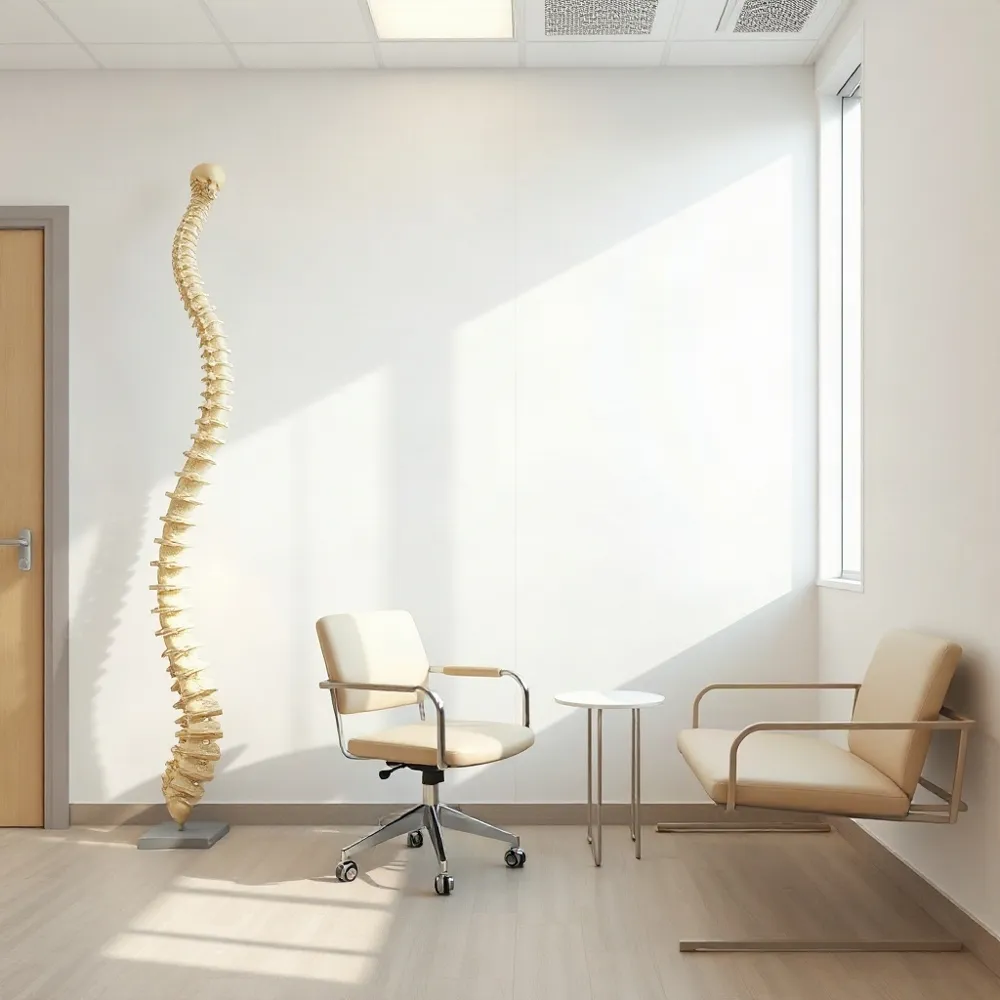
Understanding When Minimally Invasive Spine Surgery Makes Sense
Overview of Minimally Invasive Spine Surgery (MISS)
Minimally invasive spine surgery (MISS) is a modern surgical technique that uses small incisions and specialized tools like tubular retractors and cameras. This approach allows precise treatment of spine conditions such as herniated discs, spinal stenosis, and degenerative disc disease with minimal muscle and tissue damage.
Benefits Compared to Traditional Surgery
MISS offers distinct advantages over traditional open surgery including less postoperative pain, reduced blood loss, lower infection risk, and significantly faster recovery times. Patients often experience smaller scars and shorter hospital stays, sometimes being discharged the same day.
Why Recognizing Signs Early Matters
Timely identification of symptoms like persistent back pain, radiculopathy, or difficulty with mobility is critical. Early consultation with spine specialists enables the consideration of MISS before conditions worsen, improving outcomes and minimizing long-term complications. Addressing spine issues promptly fosters faster relief and a quicker return to daily activities.
Key Facts on Minimally Invasive Spine Surgery Indications, Procedures, and Outcomes
- Persistent back or neck pain lasting beyond 12 weeks despite conservative treatments often signals need for spine surgery consideration.
- Radiating pain, numbness, or weakness in limbs usually indicates nerve compression requiring evaluation for potential surgical relief.
- Difficulty walking, standing, or balance issues suggest spinal cord or nerve involvement such as spinal stenosis or myelopathy needing prompt assessment.
- Visible spinal deformities like scoliosis, kyphosis, and spondylolisthesis may require surgical correction to restore stability and function.
- Dependence on pain medications despite conservative care signals insufficient pain control and possible surgical intervention benefits.
- Persistent or recurring symptoms after previous spine surgery indicate failed back surgery syndrome and potential need for revision minimally invasive procedures.
- Good overall health combined with accessible spinal anatomy favors candidacy for minimally invasive spine surgery with faster recovery prospects.
- Not all patients are candidates for minimally invasive surgery, especially those with severe instability, extensive scarring, or uncontrolled comorbidities.
- Minimally invasive procedures include discectomy, decompression, fusion, and corpectomy, tailored to specific spinal conditions.
- MISS offers benefits of smaller incisions, less tissue damage, faster recovery, and high success rates between 80%-95%, especially with proper patient selection and surgical expertise.
1. Persistent Back or Neck Pain Unrelieved by Conservative Treatments
Chronic Pain Lasting Beyond 12 Weeks
When back or neck pain continues unabated for more than 12 weeks, despite ongoing conservative treatments, it may indicate the need for signs it may be time to consider back surgery. Persistent pain beyond this timeframe often signals that non-surgical options such as physical therapy, medications, or steroid injections have not adequately addressed the underlying spinal issue.
Failure of Physical Therapy, Medications, Injections
Conservative care is usually the first line of treatment for spinal conditions. However, if pain and functional limitations remain after a sufficient trial period—including rigorous physical therapy, appropriate medications, and image-guided injections—it suggests that the structural problem in the spine may require direct When to consider spine surgery.
Impact on Daily Activities and Quality of Life
Chronic pain that interferes with daily tasks such as walking, sitting, standing, or working significantly diminishes quality of life. When conservative measures fail to restore function or provide meaningful relief, Signs You Need a Spine Surgeon becomes a considered option to alleviate symptoms and improve patients’ overall well-being.
When Is Spine Surgery Indicated?
Indications for spinal surgery include chronic back or neck pain persisting beyond 12 weeks, especially when the pain limits daily activities despite non-invasive treatments. Consultation for revision spine surgery is advisable if these criteria are met to explore Minimally invasive spine surgery overview that can reduce tissue trauma and facilitate faster recovery while addressing the root cause of pain.
2. Radiating Pain, Numbness, or Weakness in Arms or Legs Signaling Nerve Compression
Symptoms of Radiculopathy
Radiculopathy presents as pain radiating from the spine into the arms or legs, often accompanied by numbness, tingling, or muscle weakness. These symptoms arise when spinal nerves become compressed or irritated.
Common Causes
Typical causes include herniated discs, which push disc material against nerve roots; spinal stenosis, a narrowing of the spinal canal compressing nerves; and bone spurs resulting from arthritis that press on nerves.
Risks of Untreated Nerve Compression
If nerve compression is left untreated, it can lead to permanent nerve damage. This damage may result in persistent weakness, sensory loss, or decreased function in the affected limbs.
Role of Minimally Invasive Spine Surgery (MISS)
MISS offers a targeted approach to relieve nerve pressure using small incisions and specialized instruments, reducing tissue damage and facilitating faster recovery. It is effective for treating radiculopathy when conservative treatments fail.
How Do You Know When It's Time for Spine Surgery?
Surgery might be necessary when pain radiates to your limbs accompanied by numbness, weakness, or loss of function. Consultation with a spine specialist for thorough evaluation is critical to determine if surgical intervention such as MISS is appropriate.
3. Difficulty Walking, Standing, or Balance Issues Indicating Spinal Cord or Nerve Involvement
Signs of spinal stenosis or myelopathy
Difficulty walking or standing and balance problems can signify spinal cord or nerve compression caused by conditions like spinal stenosis and neurogenic claudication or myelopathy. These issues often present as a feeling of heaviness in the legs, uncoordination, and muscle stiffness progressing over time.
Symptoms such as heaviness, uncoordination, stiffness
Patients may experience worsening leg weakness, clumsiness, or trouble maintaining balance while walking or performing daily activities. Stiffness or spasticity in the legs can also develop, affecting mobility and increasing the risk of falls.
Effect on mobility and safety
These neurological symptoms can severely impact a person's independence and safety. Difficulty with standing or walking calls for prompt evaluation as untreated spinal cord compression can lead to permanent nerve damage. For urgent spine specialist consultation, please refer to Signs You Need a Spine Surgeon.
When MISS can help restore function
Minimally invasive spine surgery (MISS) techniques and approaches offers effective treatment to relieve nerve or spinal cord pressure with smaller incisions and less tissue disruption. MISS can improve symptoms, restore mobility, and enhance quality of life while minimizing recovery time compared to traditional open surgery. Consultation with a spine specialist is essential to determine candidacy and appropriate intervention timing.
4. Visible Spinal Deformities or Progressive Structural Changes
Conditions like scoliosis, kyphosis, spondylolisthesis
Spinal deformities such as scoliosis and spinal deformities, (a sideways curvature of the spine), kyphosis (excessive forward rounding), and spondylolisthesis and MISS (vertebra slippage) can significantly impact spinal stability and overall posture.
Worsening spinal curvature or instability
These deformities may worsen progressively over time, leading to abnormal spinal alignment and increasing instability. This progression often results in physical discomfort and difficulty with balance or movement.
Impact on posture, pain, and organ function
As the spinal curve worsens, patients may experience postural changes, chronic pain, stiffness, and in severe cases, impaired function of the lungs or other organs due to the altered shape of the thoracic cavity.
MISS approaches for deformity and stabilization
Minimally invasive spine surgery (MISS) offers targeted options to address spinal deformities, including fusion and stabilization techniques. These methods involve smaller incisions and advanced tools to correct curvature or slip while minimizing muscle and tissue trauma, promoting faster recovery and reduced complications compared to traditional open surgery.
5. Dependence on Pain Medications Despite Conservative Care
Long-Term Use of Opioids and Strong Analgesics
Chronic back pain often leads patients to rely on opioids or other strong pain medications for symptom relief. While these can manage pain temporarily, long-term use raises concerns about dependency and serious side effects.
Risks of Medication Dependency and Side Effects
Extended opioid use carries the risk of addiction, tolerance, and increased side effects such as drowsiness, constipation, and risk of overdose. Non-opioid analgesics also have potential complications when used continuously.
Pain Persistence Despite Medication
In some patients, pain continues unabated despite medication, indicating that conservative management alone is insufficient. This ongoing pain significantly impacts quality of life and functional capacity.
Minimally Invasive Spine Surgery as an Alternative
Minimally invasive spine surgery (MISS) offers an effective alternative by targeting the underlying cause of pain, such as nerve compression or spinal instability. MISS procedures use small incisions and advanced imaging tools to reduce tissue damage, resulting in faster recovery and significant long-term pain relief. Patients dependent on pain medication who have failed conservative care may benefit from consultation with a specialized spine surgeon to explore these options.
6. Previous Spine Surgery but Persistent or Recurring Symptoms
What are the signs of failed back surgery syndrome (FBSS)?
Failed Back Surgery Syndrome describes ongoing or recurring pain following initial spine surgery. Common symptoms include persistent back or leg pain, numbness, or muscle weakness despite previous surgical treatment. This syndrome may result from issues such as nerve compression, improper healing, recurring disc herniation, or infection.
How can pain or nerve compression recur after spine surgery?
Pain may reappear shortly after surgery due to residual nerve compression or may return after a period because of progressive deterioration, adjacent segment disease, or infection at the surgical site. Nerve compression can produce symptoms like radiculopathy, numbness, or functional limitations.
When is revision minimally invasive spine surgery advisable?
Revision minimally invasive spine surgery (MISS) is considered for patients with persistent symptoms following spine surgery when conservative treatments have failed. MISS techniques can address problems like pseudarthrosis (failed bone fusion), recurring disc herniation, spinal stenosis, or adjacent segment disease degeneration with less muscle disruption and faster recovery compared to traditional open revision surgeries.
What evaluation and planning are involved before revision surgery?
A comprehensive assessment includes detailed physical examination, imaging studies (MRI, CT, X-rays), and evaluation of bone health and previous surgical hardware. Personalized surgical planning accounts for the patient’s anatomy, prior interventions, and comorbidities. This tailored approach maximizes safety and efficacy, aligning with patient-centered orthopedic spine care practices.
Consultation with a skilled spine specialist experienced in minimally invasive revision surgery is crucial to determine candidacy and optimize outcomes for patients with persistent or recurring post-surgical spinal symptoms.
7. Good Overall Health and Anatomy Favoring Minimally Invasive Approach
Who is a candidate for minimally invasive spine surgery?
[Candidates for minimally invasive spine surgery] (MISS) are typically individuals with localized spinal conditions such as herniated discs, spinal stenosis, degenerative disc disease, spondylolisthesis, or vertebral fractures.
Candidates being in good general health
Patients should generally be in good overall health without significant comorbidities. This includes controlled medical conditions and a healthy weight, which improve tolerance to anesthesia and support faster recovery.
Importance of precise diagnosis and imaging
A precise diagnosis confirmed through advanced imaging like MRI or CT scans is essential. This ensures targeted treatment of the affected spinal area and helps surgeons plan the minimally invasive procedure accurately.
Accessible spinal anatomy suitable for MISS
Not all patients have spinal anatomy suitable for MISS. Ideal candidates have spine regions accessible through small surgical corridors that allow use of narrow instruments to minimize muscle and tissue damage.
Benefits of small incisions and muscle preservation
MISS utilizes [small incisions advantage], often less than an inch, and specialized tools to preserve muscle integrity and reduce tissue trauma. This leads to less postoperative pain, smaller scars, reduced infection risk, and quicker return to daily activities compared to traditional open surgery.
Who Should Avoid Minimally Invasive Spine Surgery?
Who is not a candidate for minimally invasive spine surgery?
Minimally invasive spine surgery (MISS) techniques and approaches is not suitable for every patient. Certain conditions and factors can make this approach less effective or riskier. Patients with severe spinal instability that requires extensive surgical stabilization are generally not candidates for MISS. Additionally, significant epidural scarring from previous surgeries can hinder the safe use of minimally invasive techniques.
Medical conditions like uncontrolled diabetes, cardiovascular diseases, obesity, and ongoing smoking also increase surgical risks and complicate healing, making traditional approaches or alternative treatments potentially safer options.
Why is specialist evaluation important?
Because candidacy for MISS depends on individual health status, spinal anatomy, and the nature of the spinal condition, a thorough evaluation by a skilled Signs you may need a spine specialist is crucial. This assessment includes medical history, imaging studies, and consideration of comorbidities to determine if minimally invasive surgery is a safe and effective choice.
A personalized approach ensures optimal surgical outcomes and minimizes complications, aligning with best practices in Minimally invasive spine surgery.
Understanding the Types of Minimally Invasive Spine Surgery Procedures
What are the types of minimally invasive spine surgery?
Minimally invasive spine surgery overview (MISS) encompasses a range of specialized procedures designed to treat various spinal conditions with smaller incisions and less tissue disruption than traditional open surgery.
Common Types of minimally invasive spine surgeries include:
- Discectomy: Removal of herniated or damaged disc material pressing on nerve roots to alleviate pain and neurological symptoms.
- Spinal decompression surgery such as laminectomy (removal of part of the vertebral bone called the lamina) and foraminotomy (widening the spaces where nerves exit the spinal canal) to relieve nerve compression.
- Spinal fusion: Stabilization of two or more vertebrae using bone grafts and sometimes implants to treat instability, deformity, or severe degeneration.
- Corpectomy: Removal of vertebral body bone typically necessary in cases of tumors or fractures causing severe compression.
Advanced techniques like the CyberKnife® system are also utilized for highly precise, non-invasive treatment of spinal tumors, offering an important option for patients requiring radiotherapy without surgery.
Selecting the appropriate Minimally invasive spine surgery procedure depends upon the patient's diagnosis, extent of spinal pathology, and overall health, with the aim to achieve symptom relief, functional improvement, and quicker recovery.
For more detailed information, searching "minimally invasive spine surgery types and procedures" is recommended to explore the most current techniques and individualized approaches.
How Long Does Minimally Invasive Spine Surgery Take?
Typical surgery durations by procedure type
Minimally invasive spine surgery (MISS) techniques and approaches durations depend on the specific procedure performed. Generally, surgeries are much shorter than traditional open spine surgeries due to smaller incisions and less tissue disruption.
Duration range from microdiscectomy to fusion
Microdiscectomy, a common procedure to remove herniated disc portions, typically lasts about 1 to 1.5 hours. Laminectomy, involving removal of vertebral bone to relieve nerve pressure, usually takes between 1 and 3 hours depending on the extent of decompression required. The more complex spinal fusion procedures that stabilize vertebrae can vary widely, often ranging from 2 to 6 hours, influenced by the number of spinal levels involved and the complexity of the condition.
Efficiency of minimally invasive techniques
Minimally invasive spine surgery (MISS) techniques and approaches streamline surgery by using specialized instruments, cameras, and advanced imaging which enhances precision and limits unnecessary exposure. This efficiency not only shortens the procedure time but also promotes faster recovery and fewer complications compared to open surgery.
In summary, the duration of minimally invasive spine surgery usually ranges from about 1 hour for simpler decompressions to several hours for complex fusion cases, with an emphasis on speedy yet safe surgical intervention.
What to Expect During Recovery from Minimally Invasive Spine Surgery
What should I expect after minimally invasive spine surgery?
Recovery after minimally invasive spine surgery (MISS) tends to be quicker compared to traditional open surgery. Typically, patients can resume light activities within a few days to a couple of weeks, depending on the specific procedure performed.
Initial recovery often involves some activity restrictions such as avoiding heavy lifting, bending, or twisting to allow healing. Pain levels are generally lower than with open surgery, resulting in less reliance on strong pain medications.
Many patients may be advised to wear a back brace temporarily to provide support during recovery. Physical therapy usually begins shortly after surgery to strengthen the spine-supporting muscles, improve flexibility, and promote a gradual return to normal daily activities.
Complete recovery can range from a few weeks for less complex procedures like microdiscectomy or laminectomy, up to several months for spinal fusion surgeries. The faster healing and reduced tissue damage associated with minimally invasive spine surgery often enable patients to regain mobility and function sooner, improving overall quality of life during recovery.
What Benefits Does Minimally Invasive Spine Surgery Offer?
What are the benefits of minimally invasive spine surgery?
Minimally invasive spine surgery (MISS) is designed to treat spinal conditions through small incisions, which significantly reduces muscle and tissue damage compared to traditional open back surgery alternatives. This approach results in less postoperative pain and smaller scars, improving overall cosmetic outcomes in MISS.
Patients undergoing MISS benefit from shorter hospital stays spine, often being discharged the same day or within 24 hours. The reduced tissue trauma supports faster recovery after minimally invasive spine surgery, allowing patients to return to daily activities and work more quickly than with conventional surgery.
MISS also carries a lower risk of infections spine surgery due to the small incisions and minimized exposure of the surgical site. Clinically, MISS achieves outcomes comparable to open surgery, effectively relieving nerve compression and stabilizing the spine while promoting quicker recovery and fewer complications.
Advanced technologies such as tubular retractors in spine surgery, high-definition cameras, and robotic-assisted spine surgery enhance the precision and safety of MISS, further contributing to its success and growing preference among spine surgeons.
In summary, MISS offers patients a less invasive surgical option characterized by reduced pain with minimally invasive spine surgery, less scarring, faster return to normal life, lower infection risk, and excellent long-term results comparable to traditional methods.
How Successful Is Minimally Invasive Spine Surgery?
What is the success rate of minimally invasive spine surgery?
Minimally invasive spine surgery (MISS) boasts high success rates, generally ranging from 80% to 95%. Certain specialized procedures, such as transforaminal lumbar endoscopic discectomy, exceed 90% success in relieving pain and restoring function.
Success rates for different MISS procedures
Success varies by procedure type but is consistently favorable across common MISS techniques including microdiscectomy, laminectomy, and spinal fusion. The minimally invasive approach helps reduce trauma and speeds recovery, contributing to better patient outcomes.
High patient satisfaction and symptom relief
Patients undergoing MISS often report significant symptom relief and improved mobility. The smaller incisions and reduced tissue disruption result in less postoperative pain and quicker returns to daily activities, which increases overall satisfaction.
Importance of patient selection and surgical expertise
Achieving excellent outcomes with minimally invasive spine surgery depends heavily on selecting suitable candidates whose conditions are amenable to this approach. Surgical expertise plays a crucial role; experienced surgeons maximize the benefits of MISS by tailoring the procedure to individual patient anatomy and pathology.
In summary, minimally invasive spine surgery offers high success rates and patient satisfaction when performed by skilled surgeons on appropriately selected patients, making it a valuable option for treating various spine conditions.
Taking the Next Step Toward Improved Spine Health
Recognizing When to Seek Surgical Consultation
Persistent or severe back and neck pain that doesn’t improve with conservative treatments like physical therapy or medications is a crucial signal to consider consulting a spine specialist. Additionally, symptoms such as numbness, weakness, or difficulty walking indicate possible nerve compression requiring timely evaluation to prevent permanent damage.
The Patient-First Care Approach
At institutions like the Orthopedic Spine Institute of St. Louis, care emphasizes personalized evaluation and treatment planning, ensuring interventions align with each patient’s unique needs. This patient-first philosophy promotes shared decision-making and optimal outcomes through minimally invasive techniques when appropriate.
Consulting Specialized Spine Surgeons
Experts such as Dr. David S. Raskas bring extensive experience in advanced spine surgery, including minimally invasive options, offering patients a path to improved mobility and relief. Early consultation enables precise diagnosis and tailored treatment strategies to enhance quality of life.