
A Focused Option for Spine Pain
Facet joints are small joints that connect the vertebrae and help the spine move. When symptoms and imaging suggest these joints may be contributing to pain centered in the neck or back, a facet joint injection may help test that possibility and, in some cases, ease discomfort. The injection is not intended for every cause of spine pain, particularly pain that mainly radiates into an arm or leg.
Choosing a treatment starts with matching symptoms, examination findings, and imaging rather than relying on a scan alone. At Orthopedic Spine Institute of St. Louis, care begins with a patient-focused evaluation and conservative options, with minimally invasive procedures considered when appropriate. A clinician can explain whether an injection fits the suspected source of pain and what other approaches may be considered. Facet joint injections can serve diagnostic or therapeutic goals, but individual results vary.
Understanding the Injection
What is a facet joint injection, and how is it performed?
Facet joints connect neighboring vertebrae from the neck through the lower back. Like other joints, they can be affected by arthritis or injury. Changes associated with disc degeneration may also shift more load onto them and contribute to irritation.
A facet joint injection, also called a facet joint block, delivers medication into or around a targeted joint. A clinician may instead place medication near the medial branch nerves that carry signals from the joint. The procedure can be used to test whether a facet joint is contributing to pain, provide temporary relief, or do both. Learn more about facet joint injections.
Local anesthetic is commonly used, while a corticosteroid may be added depending on the treatment goal. The term “facet joint injection” describes the location of the medication, not a guarantee that the injection contains steroid.
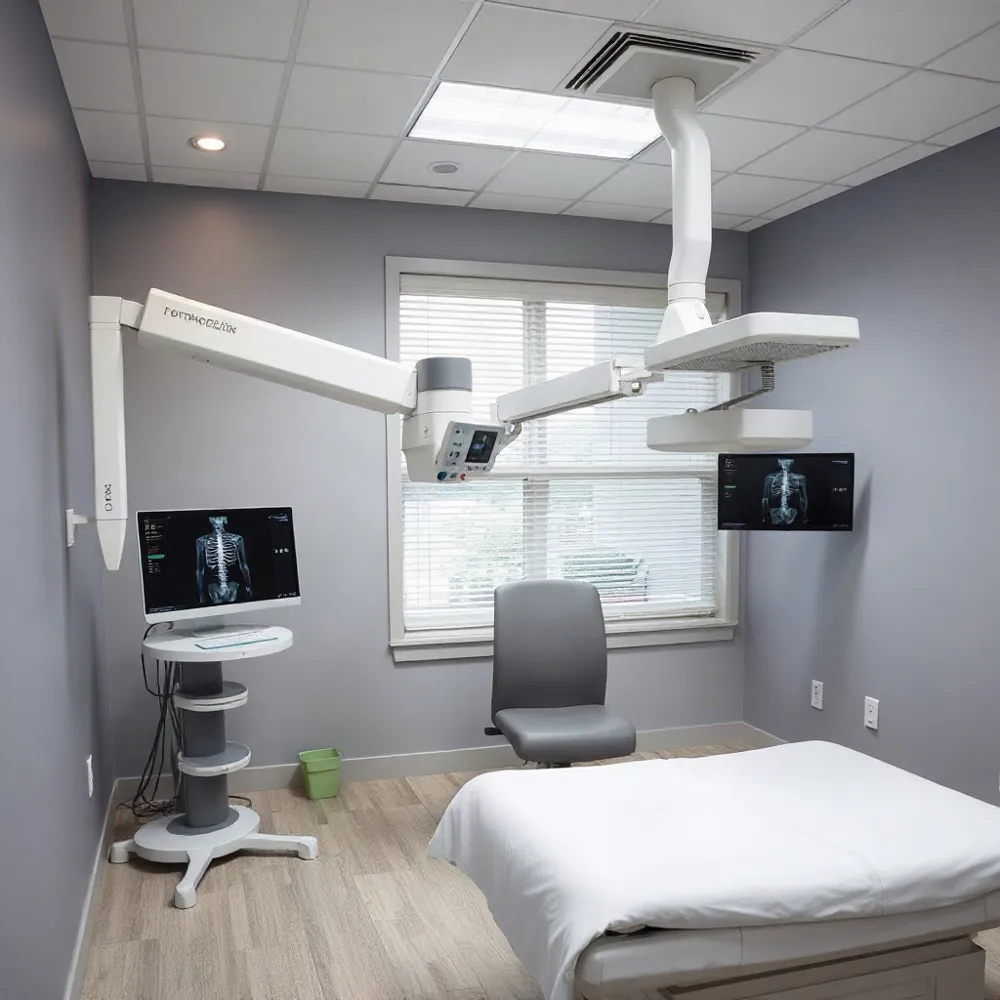
The procedure is usually performed under sterile conditions with image guidance, most often fluoroscopy, or real-time X-ray. Ultrasound or CT guidance may also be used. A physician trained in image-guided spinal procedures positions the needle at the intended target. Sedation is not usually needed, though the clinician numbs the skin first.
Suitability depends on the full clinical picture, not imaging alone. Clinicians consider scan findings alongside symptoms and examination. Injections are generally aimed at suspected facet-related axial pain, meaning pain centered in the neck or back. Pain that mainly travels down an arm or leg from nerve compression may point to a different source and treatment approach. At the Orthopedic Spine Institute of St. Louis, care starts with conservative options and considers minimally invasive procedures when appropriate.
What Relief Can Tell You
 A change in familiar pain after an injection can offer useful information, but it does not guarantee lasting relief. The response is considered alongside your symptoms and imaging, since imaging findings alone do not prove which structure is causing pain.
Do facet joint injections work, and how successful are they?
A diagnostic injection usually uses local anesthetic to test whether a facet joint may be contributing to pain. Relief that fades as the anesthetic wears off can support that possibility. A medial branch block is related but distinct: it briefly numbs the nerves serving the facet joints to assess whether those nerves are carrying the pain signal. [Learn more about how diagnostic and therapeutic injections differ](./8-questions-to-ask-your-doctor-about-epidural-and-facet-injections#7-distinguishing-between-epidural-and-facet-joint-injections).
A therapeutic injection may aim to reduce pain, sometimes using a corticosteroid, but it does not reverse arthritis. Relief varies: it may last around 48 hours or, for some patients, three to six months or longer. The Hospital for Special Surgery reports success rates above 80% for appropriately selected patients with supporting imaging and axial symptoms, but this is not a personal guarantee; severe arthritis, spinal curvature, or mechanical strain may limit results (HSS overview of facet joint injections). If relief is limited or brief, your clinician can discuss options such as rehabilitation or, when appropriate, radiofrequency treatment. At Orthopedic Spine Institute of St. Louis, care begins conservatively, with minimally invasive procedures considered when appropriate.
How painful is a facet joint injection?
Experiences differ, but the area is typically numbed first. You may feel a brief sting from the local anesthetic, followed by pressure or short-lived discomfort as the injection is placed. Mild soreness afterward is possible. Tell your care team if injections make you anxious or have been difficult before, and report severe, worsening, or concerning pain after the procedure.
Recovery and Possible Risks
 Recovery is usually brief. Many people can return to light daily activities later the same day, but care teams commonly advise avoiding heavy lifting, intense cardio, and weight training for at least 48 hours. Follow your clinician’s instructions about driving and activity, since guidance can vary, especially if sedation was used. See aftercare guidance for facet joint injections for general information.
How long does recovery from a facet joint injection take? Mild tenderness or a brief increase in pain may occur as the numbing medicine wears off, often improving within a day or two. The duration of pain relief varies, from a short diagnostic response to longer-lasting relief, and depends on the individual and treatment.
What are the risks and side effects of facet joint injections? Temporary effects can include bruising, minor bleeding, tenderness, or increased soreness. If the injection includes a corticosteroid, some people may experience temporary insomnia, jitteriness, or facial flushing; blood sugar may also rise temporarily in people with diabetes. Overall risks are low, but bleeding and infection are possible. Nerve injury is extremely rare, not impossible.
What should I do if pain worsens or leg symptoms develop after a facet joint injection? Contact the treating clinician promptly if pain worsens or new leg pain, numbness, tingling, or weakness develops. Seek urgent medical care for severe or rapidly worsening symptoms, fever, increasing redness or swelling, or loss of bladder or bowel control. Trouble breathing or loss of consciousness requires emergency help. For individualized guidance, the Orthopedic Spine Institute of St. Louis evaluates spine symptoms and treatment options in the context of each patient’s needs.
Planning Care Beyond the Injection
What are the next steps if facet joint injections do not help?
If an injection brings little or no meaningful relief, follow up with your clinician rather than assuming the procedure failed or repeating it automatically. Reviewing your response, symptoms, examination, and imaging can help determine whether a facet joint is contributing to the pain or whether another source needs attention. At osistl.com, care for back and neck pain starts conservatively, with minimally invasive procedures considered when appropriate.
Depending on the findings, the plan may include changes to activity, medication, or physical therapy. Exercise and rehabilitation can support the muscles around the spine. When diagnostic blocks point to facet-mediated pain but relief is brief, radiofrequency ablation may be considered for selected patients; Hospital for Special Surgery describes potential relief lasting six months to a year. This option is not suitable for everyone, so discuss its possible benefits and risks with your clinician.
What is the best treatment for facet joint pain, and can it be cured?
There is no single best treatment or guaranteed cure. The approach depends on the suspected cause of pain, its severity, and how it affects daily life. Conservative care, targeted injections, or radiofrequency ablation may help reduce symptoms and support function, but relief can vary and may not be permanent. Facet joint changes alone are typically not treated with surgery, and the joint changes themselves may not be reversible.
How much does a facet joint injection cost, and will insurance cover it?
Costs vary by setting, insurance benefits, and the services involved. Facet injections are often priced similarly to epidural steroid injections and may be covered by insurance, but coverage rules differ and prior authorization may be required. A deductible, copay, or coinsurance may still apply.
Before scheduling, ask your insurer and care team to confirm network status, authorization requirements, and expected out-of-pocket costs. Request an estimate that accounts for possible physician, facility, imaging, or sedation charges. Prior authorization does not guarantee payment, so clarify what happens if the plan denies coverage.
Let Evaluation Guide the Next Step
A facet joint injection is a targeted option, not a solution for every kind of back or neck pain. A clinician considers whether symptoms and imaging point to a facet joint, then weighs the patient’s goals and other health factors. Imaging findings alone do not establish that an injection is appropriate, as Hospital for Special Surgery explains.
At osistl.com, care begins with evaluation and conservative options, with minimally invasive surgery considered when appropriate. Ask your treating clinician whether an injection fits your symptoms, what relief it may offer, what risks and alternatives apply, and whether insurance requires prior authorization. Those answers can help you choose a plan suited to your needs.