Why Non-Surgical Spine Treatment is a Game-Changer
Overview of Non-Surgical Spine Care
Non-surgical spine care offers a gentle approach to managing spinal conditions without invasive surgery. It includes therapies like physical therapy, chiropractic care, injections, and lifestyle modifications aimed at addressing root causes of back and neck pain.
Importance of Conservative Treatment
Conservative treatment focuses on improving spinal health safely by reducing inflammation, strengthening muscles, and improving flexibility. It is often the first recommended step for common issues such as herniated discs, degenerative disc disease, and sciatica.
General Benefits of Avoiding Surgery
Choosing non-surgical options reduces risks linked to surgery like infections and anesthesia complications. Patients benefit from faster recovery, less pain, lower costs, and the ability to maintain daily activities with minimal disruption, making it an effective and safer alternative for many.
Key Facts on Non-Surgical Spine Treatment and Care
- Non-surgical spinal decompression gently stretches the spine to reduce pressure on discs and nerves, relieving pain.
- This therapy creates negative pressure within discs, promoting the inflow of nutrients and facilitating natural healing.
- By alleviating nerve irritation non-invasively, spinal decompression improves mobility and reduces stiffness.
- Compared to surgery, non-surgical treatments significantly reduce risks such as infections and anesthesia complications.
- Non-surgical spine care allows for faster recovery and minimal downtime, enabling patients to return to daily activities quickly.
- These treatments cost less than surgical options, avoiding hospital stays, anesthesia, and high surgical fees.
- A holistic approach combines therapies like physical therapy, chiropractic work, and lifestyle changes, targeting underlying causes.
- Non-surgical treatments support long-term health by promoting spinal alignment, hydration of discs, and injury prevention.
- These therapies improve long-term spinal health by reducing abnormal stresses and supporting healthy disc function.
- Regular, conservative care enhances mobility and flexibility, helping prevent future injuries and maintaining a healthy spine.
1. Effective Pain Relief Without Surgery

How does non-surgical spine treatment relieve pain?
Non-surgical spinal decompression works by gently stretching the spine to reduce pressure on spinal discs and nerves. This pressure relief helps herniated or bulging discs retract, easing nerve compression that causes pain in the back, neck, and legs.
Pain reduction through spinal decompression
This therapy creates negative pressure within spinal discs, facilitating the inflow of water, oxygen, and nutrients that promote natural healing. Patients with chronic back and neck pain, including sciatica and degenerative disc disease, often experience significant relief without needing surgery or pain medications.
Relief from chronic back and neck pain
By alleviating the root causes of nerve irritation non-invasively, spinal decompression improves mobility and reduces stiffness, allowing patients to regain daily function with less discomfort.
Non-invasive alternatives to medication and surgery
As a safe, drug-free, and outpatient procedure, non-surgical decompression provides an effective alternative to surgery and long-term medication use. This treatment lessens risks such as infection, adverse drug reactions, and lengthy recovery times while providing sustained pain relief.
Overall, non-surgical spinal decompression and related conservative therapies offer a powerful solution for pain relief by addressing spinal causes through gentle, non-invasive means.
2. Improved Mobility and Flexibility
How does non-surgical treatment improve spine mobility?
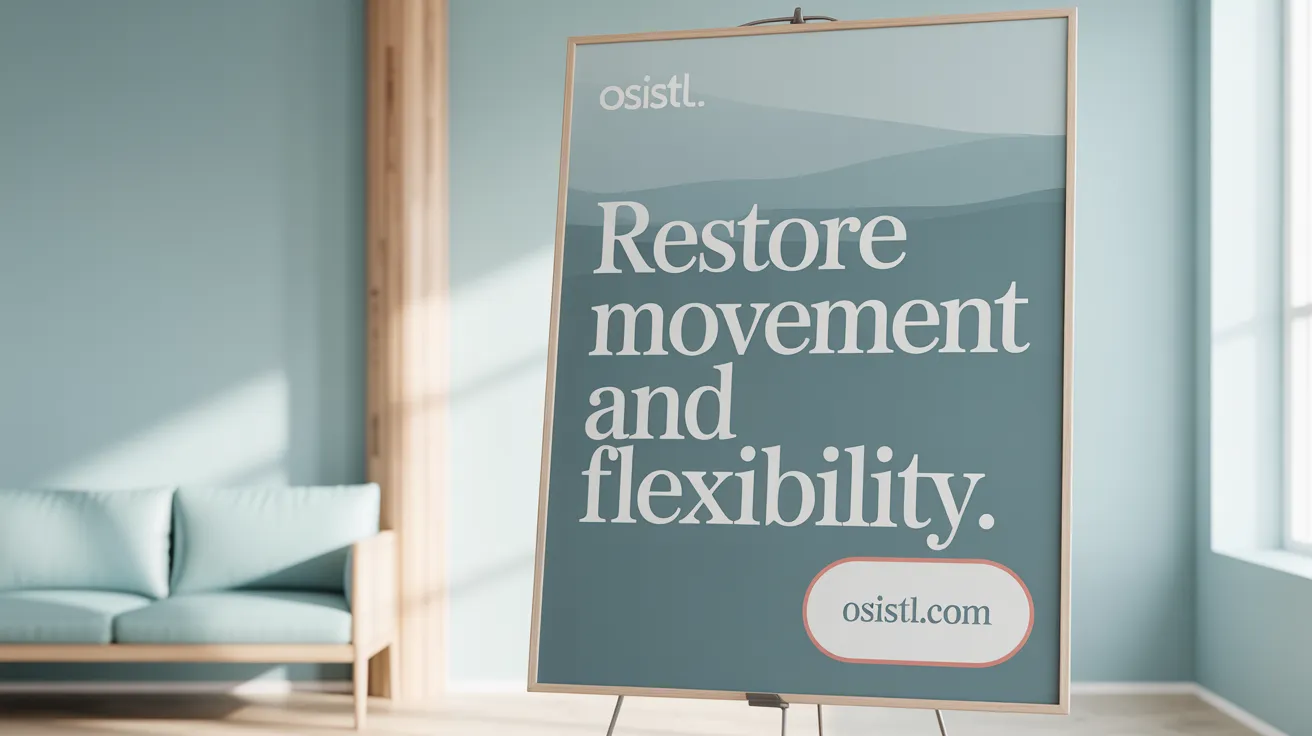
Non-surgical treatments focus on restoring spinal alignment, which helps reduce stiffness commonly caused by compressed or misaligned vertebrae. Techniques like Spinal decompression therapy benefits gently stretch the spine, increasing the space between vertebrae. This expansion relieves pressure on nerves, reducing nerve pinching and muscular tension.
As a result, patients experience Enhancing nerve function and greater flexibility. Restoring proper spinal alignment not only alleviates pain but also allows for smoother, more comfortable movement.
Patients treated Non-surgical spinal decompression often report being able to move more freely and engage in daily activities with less discomfort. This improvement supports a better quality of life by Promoting natural spinal healing and preventing further strain or injury to spinal muscles and ligaments.
3. Promotes Natural Healing of Spinal Discs

How do non-surgical treatments promote healing?
Non-surgical spinal decompression works by gently stretching the spine to create negative pressure within the spinal discs. This process encourages bulging or herniated disc material to retract back into place, relieving pressure on nerves.
Facilitation of nutrient and oxygen flow
The decompression increases blood flow and the movement of oxygen, water, and essential nutrients into the spinal discs. These enhanced circulatory benefits promote a healthier disc environment, aiding the body's natural repair mechanisms.
Disc rehydration and regeneration
By improving nutrient supply and relieving pressure, Spinal decompression therapy benefits supports the rehydration of discs. This regeneration helps maintain their shock-absorbing capacity and reduces stiffness in the spine.
Encouraging disc material retraction
The negative pressure created inside the discs pulls displaced material inward, reducing nerve compression that causes pain and discomfort. This gentle restoration of disc position fosters long-term spinal health without invasive procedures.
4. Reduced Risks Compared to Surgery

What are the risks of non-surgical spine treatments versus surgery?
Non-surgical spine treatments offer a significant reduction in procedural risks compared to traditional surgery. Because these treatments do not involve incisions, anesthesia, or hospital stays, patients avoid many common surgical complications.
One of the most important benefits is the greatly decreased chance of infection. Surgery often requires opening the skin and deeper tissues, which increases the infection risk. Non-invasive therapies like spinal decompression, physical therapy, or chiropractic care do not break the skin, effectively eliminating this risk.
Another major factor is the avoidance of anesthesia-related complications. Surgical anesthesia can sometimes cause adverse reactions or complications during or after the procedure. Non-surgical treatments are drug-free and do not require anesthesia or sedation, making them much safer for many patients.
Additionally, non-surgical options minimize risks such as excessive bleeding, blood clots, and nerve damage. By steering clear of invasive techniques, these therapies preserve muscle and tissue integrity, resulting in fewer complications and faster recovery.
Overall, the safety profile of non-surgical spine care is superior due to its non-invasive nature, making it a highly attractive first-line option for pain relief and spinal conditions before considering surgery.
5. Faster Recovery and Return to Daily Life

Why is recovery faster with non-surgical spine care?
Non-surgical spine care, including treatments like spinal decompression therapy benefits, offers significantly faster recovery compared to surgical options. Since these procedures are non-invasive spinal therapy and do not involve incisions or anesthesia, patients experience minimal discomfort and no surgical wound to heal. This allows them to resume their normal activities almost immediately after treatment.
Minimal downtime after treatment
Non-surgical therapies are typically outpatient and involve gentle techniques such as Non-surgical spinal decompression, which do not disrupt tissues or require hospitalization. As a result, minimal downtime is needed, enabling patients to quickly return to work, exercise, and daily routines.
Benefits for busy lifestyles
For patients with busy schedules, the ability to undergo treatment without prolonged recovery times is invaluable. Non-surgical spine care benefits fits seamlessly into everyday life without the extended absence or lifestyle disruption associated with surgery.
Overall, the quick recovery after Conservative treatments for spine conditions enhances quality of life by reducing pain while maintaining mobility and independence.
6. Cost-Effectiveness and Reduced Financial Burden
How does non-surgical spine treatment compare cost-wise to surgery?
Non-surgical spine treatments offer a significantly more affordable option compared to surgical interventions. They avoid the high costs associated with surgery, such as hospital stays, anesthesia, surgical fees, and lengthy recovery periods. This makes conservative care a financially manageable choice for many patients.
Lower initial costs are a major benefit since non-invasive therapies like physical therapy, chiropractic care, and Non-surgical spinal decompression do not require operating rooms or specialized surgical teams. Follow-up costs are also minimized because patients typically recover faster and can resume daily activities without extensive rehabilitation.
Avoiding hospital stays and surgical fees not only reduces out-of-pocket expenses but also lessens the indirect costs such as lost wages and additional care needs. This makes non-surgical care a compelling, Cost-Effective Back Pain Solutions that addresses the root causes of spinal problems while keeping overall healthcare spending lower.
In summary, conservative Non-surgical spine care helps patients achieve pain relief and improved function without the financial burden of surgery, offering a practical and sustainable path to spinal health.
7. Holistic Approach Addressing Root Causes
What is the holistic benefit of non-surgical spine care?
Non-surgical spine care offers a holistic benefit by combining various therapies like physical therapy for spine issues, chiropractic adjustments, acupuncture, and lifestyle modifications for spine health. This holistic approach to spine health with multidisciplinary spine care approach doesn't just focus on symptom relief but targets the underlying causes of spinal issues, promoting sustainable spine health.
Comprehensive therapies including physical therapy and lifestyle changes
Physical therapy for spine conditions plays a central role by strengthening muscles, improving flexibility, and correcting posture to alleviate spinal stress. Alongside, lifestyle changes such as healthy weight for spine support, maintaining good posture, and stress management and spine care further support spinal wellness and prevent future problems.
Multidisciplinary care
Non-surgical care often involves coordinated input from specialists such as chiropractors, acupuncturists, and physiotherapists. This teamwork ensures personalized treatments that address multiple facets of spinal health for better overall outcomes with an effective multidisciplinary spine care approach.
Preventive strategies for spine health
Prevention is emphasized through education on ergonomic work environment tips, regular exercise for spine health and stress management to prevent back problems. These strategies help maintain proper spinal alignment and reduce the risk of injury, supporting long-term comfort and function.
8. Long-Term Spinal Health and Injury Prevention
How does non-surgical spine care support long-term health?
Non-surgical spine care plays a crucial role in maintaining long-term spinal health by focusing on proper spinal alignment. Treatments like Spinal decompression therapy benefits help restore the natural position of spinal discs and vertebrae, which reduces abnormal pressures and mechanical stress.
By alleviating strain on muscles and ligaments that support the spine, these therapies prevent overuse injuries and encourage balanced function. Reduced muscle and ligament strain also lowers the risk of Reducing chronic pain with spinal decompression and stiffness.
Furthermore, non-surgical treatments promote increased hydration and nutrient flow to spinal discs, helping to keep them healthy and resilient. This support to the spinal structures aids in Preventing future spinal injuries.
Engaging in regular, conservative spine care supports an active lifestyle by Improving mobility with spinal decompression and flexibility, making daily activities and exercise more manageable. This ongoing care prevents the recurrence of spine-related pain or injury and contributes to a sustainable, healthy quality of life.
Embracing Non-Surgical Spine Treatment for Better Outcomes
Understanding Non-Surgical Spine Treatment Benefits
Non-surgical spine care offers a safer alternative to surgery by reducing risks like infection and anesthesia complications. It fosters faster recovery, cost savings, and less downtime, allowing patients to quickly return to daily activities.
Why Conservative Treatment First?
Starting with conservative approaches—physical therapy, chiropractic care, and spinal decompression—addresses the root causes of pain. Many patients see significant relief and improved function without invasive procedures.
Enhancing Quality of Life
By alleviating pain, improving mobility, and promoting natural healing, non-surgical treatments empower patients to regain active lifestyles. This holistic approach supports sustained spinal health and reduces future injury risks.