Recovery Takes Time
Sacroiliac (SI) joint fusion permanently joins the sacrum, at the base of the spine, to the ilium, part of the pelvis. The goal is to stabilize the joint and reduce pain. Surgeons may use a minimally invasive approach or, in some cases, open surgery; the procedure and healing process can differ. Cleveland Clinic’s overview of SI joint fusion explains the operation and its general recovery considerations.
Recovery is gradual, and there is no single timeline that applies to everyone. Your progress may depend on the surgical approach, your individual healing, and how closely your activities follow your surgeon’s instructions. At Orthopedic Spine Institute of St. Louis, care begins conservatively and surgery is considered when appropriate, with guidance tailored to the patient.
The information in this article is general patient education, not a personal recovery plan. Follow your surgical team’s advice about activity, medication, and follow-up, and ask them when you are unsure what is safe.
Understanding the Procedure and Its Tradeoffs
Is sacroiliac joint fusion considered major surgery?
SI joint fusion is generally considered major surgery because it permanently joins bones and is performed under general anesthesia. The surgeon removes damaged tissue and places implants across the joint to hold it stable while the bones grow together. In a minimally invasive procedure, smaller incisions are used; open surgery may be considered for more complex cases. Cleveland Clinic’s overview of SI joint fusion describes both approaches. You can read more about how SI joint fusion is performed.
Fusion may be considered when the SI joint is identified as the source of ongoing pain and nonsurgical care has not helped enough. At osistl.com, care starts conservatively, with minimally invasive surgery offered when appropriate. A spine specialist can assess whether the joint is contributing to your symptoms before discussing surgery.
What are the potential benefits and risks of sacroiliac joint fusion?
The goal is to reduce painful movement and improve daily function, but relief is not guaranteed. Cleveland Clinic reports that more than four out of five patients have noticeable, lasting pain relief, though some pain may remain and individual results vary. Potential risks include infection, bleeding, pain, a reaction to anesthesia, or bones that do not fuse as expected. Rarely, another operation may be needed.
Recovery, restrictions, and risks depend on the person and the surgical approach. At osistl.com, discussion of treatment options can include the patient’s symptoms and prior nonsurgical care. Ask your surgeon how your health and planned procedure may affect expected benefits and recovery.
Considering Nonsurgical Care First
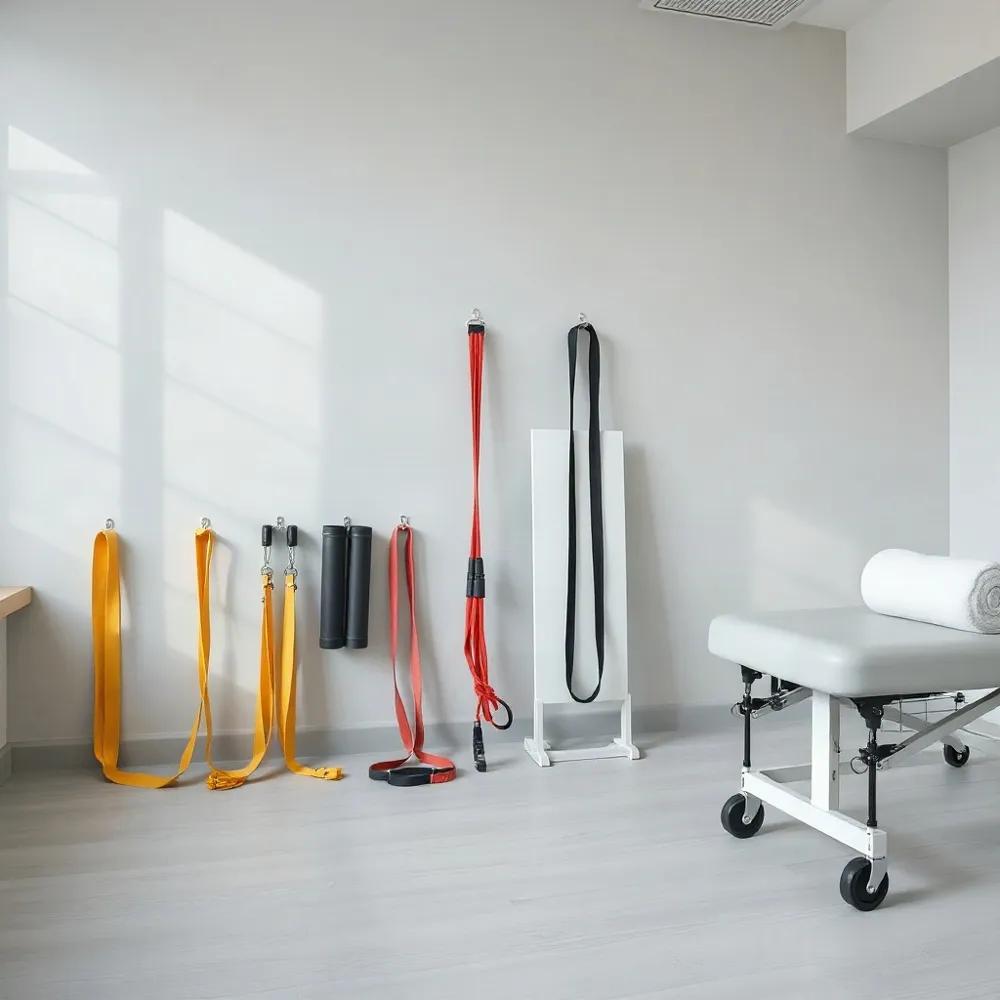 Physical therapy may ease sacroiliac joint pain and improve function without surgery. It is commonly considered alongside other conservative options before fusion, particularly when symptoms are limiting daily activities.
A therapist can tailor exercises to strengthen muscles that support the joint and work on posture, balance, and movement. The right approach depends on what is causing the pain, and improvement may be partial or temporary. Because lower-back symptoms can have more than one source, persistent pain deserves reassessment rather than simply repeating the same exercises.
At Orthopedic Spine Institute of St. Louis, care begins conservatively, with minimally invasive surgery considered when appropriate. If symptoms continue despite therapy or other nonsurgical care, a clinician can revisit the diagnosis and discuss next steps. Cleveland Clinic’s overview of SI joint fusion describes surgery as an option when pain has not improved with nonsurgical treatment; a spine specialist can help determine whether further conservative care or a surgical discussion fits your situation.
Pain and the Early Recovery Period
 Some soreness around the incision and hip is expected after sacroiliac (SI) joint fusion, particularly during the first days and weeks. Pain may reflect both the procedure and the body’s healing response, and it should be managed according to your surgeon’s instructions.
Many patients have outpatient surgery and go home the same day, though discharge timing depends on individual needs and the care team’s plan. A walker or cane may be recommended, and your surgeon will explain any weight-bearing limits and which medicines are safe for you. Follow the prescribed doses rather than adding or changing medication on your own. The Cleveland Clinic’s SI joint fusion guidance describes common recovery considerations, while emphasizing individualized instructions.
Recovery is gradual, even when discomfort starts to ease. Some people return to usual physical activities, including exercise and sports, around three to four months after surgery, but this is not a fixed deadline. Healing, activity restrictions, and readiness to progress vary, so the surgeon should guide each step. At Orthopedic Spine Institute of St. Louis, care is tailored to the patient, with minimally invasive surgery considered when appropriate.
Contact your care team if pain is worsening, returning, or not beginning to improve as expected. Prompt guidance can help determine whether symptoms fit the recovery process or need evaluation. For a broader discussion of postoperative soreness and pain, see pain in the early recovery period after microdiscectomy.
Physical Therapy and Gradual Progress
Physical therapy after SI joint fusion is usually staged, but there is no single schedule that fits every patient. Your surgeon will consider the procedure, your healing, and your overall condition when deciding when to begin therapy and which movements are safe. At Orthopedic Spine Institute of St. Louis, care begins conservatively, and postoperative guidance can be tailored to the individual rather than treated as a standard timetable.
Early rehabilitation may focus on safe transfers, short periods of sitting, gentle circulation exercises, and walking as allowed. Some protocols restrict bending, lifting, pushing, or pulling, and may limit weight-bearing for several weeks. Follow your own care team’s directions instead of copying another patient’s routine. The Cleveland Clinic’s SI joint fusion guidance also emphasizes individualized activity instructions and notes that physical therapy may help rebuild strength.
As healing allows, therapy may progress to core stability, flexibility, walking, and strengthening, then to everyday activities. Your therapist can help you practice movements safely, while your surgeon determines when to increase effort. Follow-up visits let the care team review symptoms and function; imaging may also be ordered to assess healing and inform the next steps.
Bone healing takes time, so progress may not feel steady from week to week. Tell your care team if an exercise causes new or worsening pain, and ask before changing your activity level. The rehabilitation plan should protect the healing joint while supporting a gradual return to useful daily movement.
Moving Safely Through Daily Activities
Getting up and moving may be part of recovery soon after SI joint fusion. Your surgeon may recommend short walks and, if needed, a walker or cane, while giving specific instructions about how much weight to place on the operated side. The Cleveland Clinic’s SI joint fusion guidance describes walking as an early activity, but the right pace depends on your procedure and healing.
At home, begin with manageable tasks and build gradually as comfort and mobility improve. Early instructions may limit lifting, prolonged sitting, bending, or twisting to protect the healing area. For instance, some patients are advised to avoid lifting more than 10 pounds and to break up sitting with brief periods of movement, but your own limits may differ. The care team at osistl.com emphasizes individualized planning, with conservative treatment considered before minimally invasive surgery when appropriate.
Driving is often restricted for at least a few weeks. Pain, limited ability to turn or move comfortably, and medicines that affect alertness can all make driving unsafe. Wait until your surgeon clears you, and ask before returning to work, exercise, lifting, or other demanding tasks. There is no universal date for bending or resuming everyday activities; follow your discharge instructions and check with your surgical team if a movement or task is uncertain.
Walking and daily activity should increase in stages rather than by pushing through pain. At osistl.com, care begins with an assessment of symptoms and prior treatments, helping the surgeon tailor recommendations to the patient’s condition and recovery.
Sitting and Sleeping With Less Strain
There is no single sitting or sleeping position that suits everyone after SI joint fusion. Follow your surgeon’s instructions for sitting, movement, and position changes, since restrictions depend on your procedure and recovery. For general context, Cleveland Clinic’s SI joint fusion guidance recommends limiting sitting to 45 minutes at a time and getting up to move periodically, but your own plan may differ.
A supportive chair or a comfortable position in bed may help you rest. Treat these as options to discuss with your care team, not as a prescribed protocol. Ask your surgeon or physical therapist how to sit down, stand up, and get in and out of bed safely, including how to avoid twisting if you have been told to limit that movement.
The recovery guidance at osistl.com emphasizes that activity restrictions and healing timelines vary, so your own care team’s directions should guide position changes and movement. If pain keeps you from sleeping or makes it difficult to move safely or follow your recovery plan, contact your care team for advice.
Long-Term Changes After Fusion
Fusion permanently joins the sacrum and pelvis at the treated sacroiliac (SI) joint, so that joint’s movement is reduced. This lasting change may affect mobility differently from one person to another, and your surgeon can explain what it may mean for your usual activities.
Long-term results also vary. Some people have noticeable, lasting pain relief, while others continue to have symptoms or experience pain again. Cleveland Clinic notes that the joint may not heal as expected in rare cases, and further surgery may sometimes be needed. Its SI joint fusion guidance emphasizes that outcomes and recovery plans are individual.
Rarely, new or worsening pain can develop elsewhere in the back after fusion. Tell your clinician about persistent or returning pain, or a change in symptoms, so they can assess the cause rather than assume it is part of normal healing.
At Orthopedic Spine Institute of St. Louis, care begins with an evaluation of symptoms and prior treatment, with conservative options considered and minimally invasive surgery offered when appropriate. Discuss expected benefits, lasting movement changes, possible risks, and follow-up with your treating surgeon. For more on how fusion can affect mobility, see long-term changes after SI joint fusion.
Recognizing Problems That Need Attention
Pain may fluctuate as the surgical area heals, but persistent, returning, or worsening pain deserves a conversation with your surgeon. These symptoms do not, by themselves, confirm that the fusion has failed. A clinical assessment is needed to identify the cause and decide whether further evaluation is appropriate.
Also watch for possible signs of infection around the incision, including drainage, swelling, discoloration, an unusual odor, or warmth. The Cleveland Clinic’s guidance on SI joint fusion advises promptly contacting a healthcare provider for a fever above 101°F (39°C), bleeding, signs of infection, or new or worsening pain.
Follow the contact and emergency instructions provided by your surgical team, rather than waiting for a routine appointment when symptoms are concerning. At Orthopedic Spine Institute of St. Louis, care begins with an individualized assessment and conservative options when appropriate, so report changes clearly and let your clinician guide the next step.
If you are unsure whether a change is urgent, contact your surgeon or healthcare provider and describe when it began, whether it is getting worse, and any accompanying symptoms. They can advise you on the right level of care.
Follow Your Personal Recovery Plan
Recovery milestones and restrictions after SI joint fusion vary with the procedure, your health, and how healing progresses. General guidance can help you prepare, but your surgeon’s instructions should shape decisions about activity, rehabilitation, medication, and returning to work or driving. The Cleveland Clinic’s SI joint fusion guidance also emphasizes that recovery plans should be individualized.
Keep follow-up appointments so your surgical team can assess healing and adjust your plan. Ask before resuming an activity if you are unsure, and contact the team about new or worsening pain, wound changes, fever, or other concerning symptoms. At Orthopedic Spine Institute of St. Louis, care begins with evaluating the source of pain and considering conservative treatment before surgery when appropriate.
If you are considering SI joint fusion, discuss your diagnosis, prior treatments, and options with a qualified spine specialist. A careful evaluation can help determine whether surgery fits your circumstances and what recovery may involve.