Introduction: The Spine's Role in Lifelong Mobility
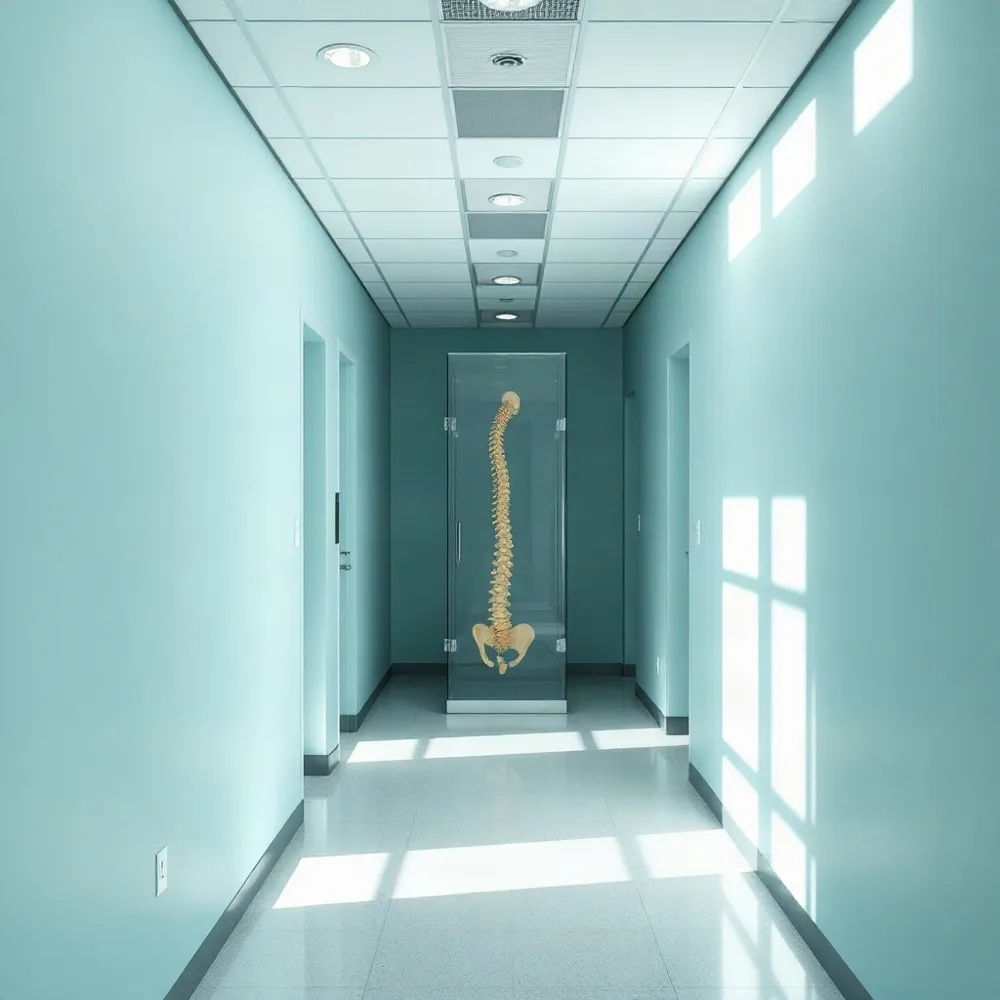
The spine is the central axis of the body, enabling bending, twisting, and everyday movement while also protecting the spinal cord and nerve roots that control sensation and function. When spinal health is compromised, even simple activities like sitting, walking, or lifting can become painful or restricted, diminishing quality of life.
Starting Conservative: Non-Surgical Paths to Mobility
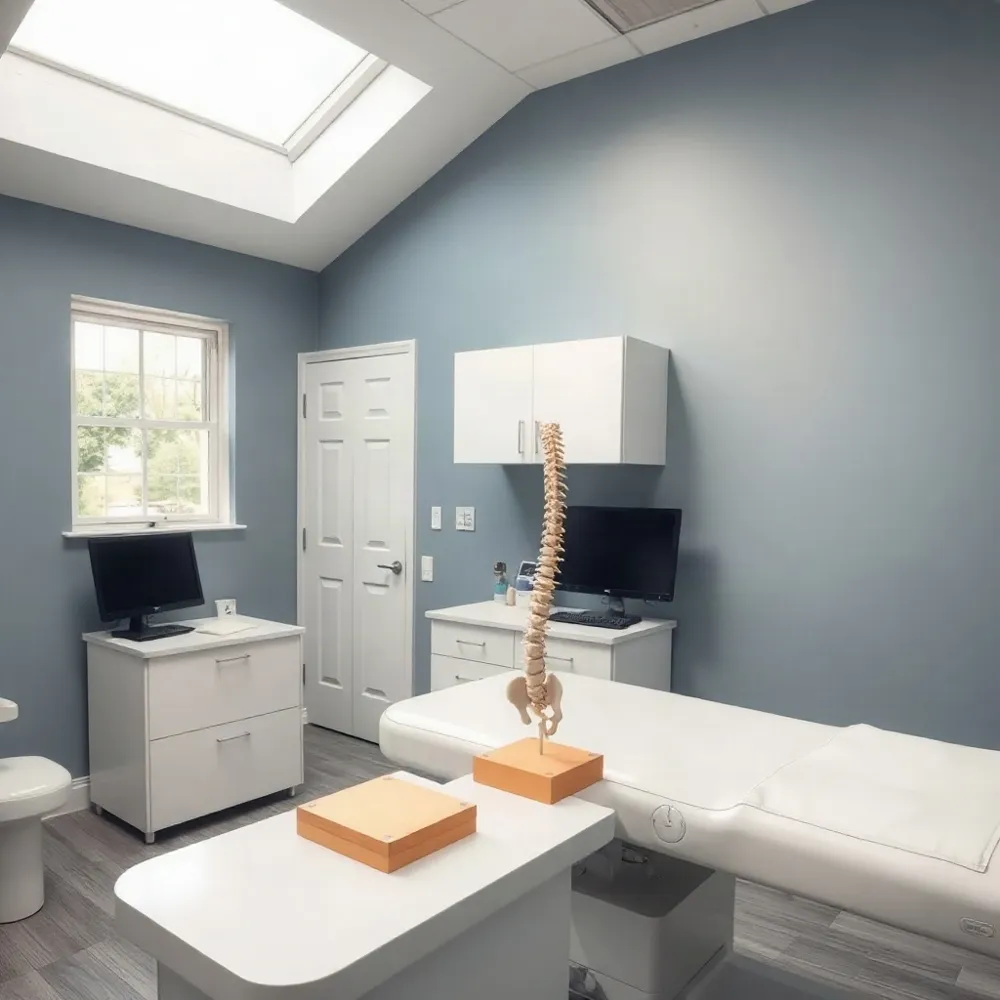 Conservative care is a non-surgical, patient-first approach that aims to relieve pain and restore function without invasive procedures. It preserves the body's natural anatomy and empowers patients to take an active role in recovery. At the Orthopedic Spine Institute of St. Louis, the philosophy is to start with these methods, reserving surgery only when they have been fully explored.
Examples of conservative treatments include physical therapy, medication management, spinal injections, chiropractic care, massage, and lifestyle modifications. Physical therapy is the cornerstone, combining manual therapy, targeted exercises, and patient education to strengthen the core and improve posture. Additional modalities like ultrasound and electrical stimulation can reduce inflammation and muscle tension.
Conservative care is highly effective for many spine conditions. Studies indicate that up to 80% of patients improve within 6–12 weeks of non-surgical treatment. For conditions like lumbar spinal stenosis, conservative care can produce results comparable to surgery in the first six months. While surgery may offer better outcomes after one year, it carries higher complication rates, making a conservative first step the safest and often most effective path.
Understanding Minimally Invasive Spine Surgery
Minimally invasive spine surgery (MISS) uses small incisions and specialized tools, such as a tubular retractor, to access the spine. This technique avoids the large incisions and muscle stripping required in traditional open surgery, leading to less tissue damage.
Patients who undergo MISS typically experience less post-operative pain, faster recovery, and fewer complications such as infection and blood loss compared to open surgery. The Orthopedic Spine Institute of St. Louis prioritizes minimally invasive approaches when surgery becomes necessary, aiming to reduce recovery time and preserve long-term mobility.
However, MISS carries potential risks including infection, excess bleeding, nerve damage, blood clots, and complications from anesthesia. There is also a risk of spinal fluid leakage, which can cause headaches, and some patients may experience incomplete relief of back pain. Your individual risk profile depends on your age, overall health, and the specific procedure.
MISS is typically considered after conservative treatments such as physical therapy, medication, and injections have failed to provide adequate relief. A thorough evaluation by a spine specialist can determine whether MISS is appropriate for your condition.
Spinal Fusion and Its Impact on Mobility
Does Spinal Fusion Reduce Mobility?
Yes, spinal fusion reduces mobility at the treated segment. The procedure permanently connects two or more vertebrae, eliminating movement at that location. After fusion at L4-L5 or L5-S1, patients experience a permanent loss of flexibility, limiting their ability to bend, twist, or flex the lower back.
For many patients, however, the trade-off is a meaningful improvement in overall function. Before surgery, chronic pain and instability often limited daily activity far more than the fusion itself. By stabilizing the spine and relieving nerve compression, fusion can enable patients to move more freely and with less pain than they did before the procedure.
Permanent Restrictions and Recovery Timeline
While no single set of restrictions applies to every patient, surgeons commonly advise a permanent lifting limit of 20 to 40 pounds and avoidance of high-impact activities such as running, jumping, or contact sports to protect the fusion and reduce the risk of adjacent segment disease (ASD). The risk of ASD — accelerated degeneration at the spinal levels next to the fusion — occurs in 26.6% of lumbar fusions, according to published research.
Recovery is lengthy. Bone fusion typically solidifies over 6 to 12 months, and physical therapy often begins around 6 weeks after surgery. Most patients return to desk work within 4 to 6 weeks, while heavy lifting and full unrestricted activity take 6 months or longer. The approach at the Orthopedic Spine Institute of St. Louis emphasizes a patient-first recovery plan, starting with conservative care and offering minimally invasive surgical options when appropriate to support faster mobilization and long-term mobility.
Common Post-Operative Problems
Beyond reduced flexibility, spinal fusion carries potential complications. Post-operative pain, muscle stiffness, infection, bleeding, and blood clots are possible. Nonunion (pseudoarthrosis), where the vertebrae fail to fuse properly, may require revision surgery. Hardware issues — loosening or breakage of screws, plates, or rods — can also arise. Scar tissue formation around the surgical site can restrict movement, and some patients experience persistent pain or a return of their original symptoms.
Quality of life after fusion varies. Most patients achieve significant pain relief: fewer than 10% continue to require chronic pain management for the original condition. Yet adapting to permanent lifting restrictions and limited spinal flexibility is a long-term reality. For those considering surgery, motion-preservation alternatives such as artificial disc replacement may offer similar pain relief while maintaining natural spine mobility.
Motion Preservation: An Alternative for Long-Term Mobility
For patients who want to address spinal pain without sacrificing flexibility, motion preservation surgery offers a compelling alternative. Instead of permanently connecting two or more vertebrae like a fusion, this technique uses an artificial disc or decompression procedure to maintain natural movement at the treated segment. The goal is to relieve pain while keeping the spine as close to its original function as possible.
The most common motion-preserving procedure is artificial disc replacement. The damaged disc is removed and replaced with a prosthetic device designed to mimic the disc's natural cushioning and range of motion. Another option, decompression without fusion, relieves pressure on spinal nerves without fusing the vertebrae, leaving the spine's structure and flexibility intact. Both approaches aim to preserve motion rather than eliminate it.
A major benefit of preserving motion is the reduced stress placed on adjacent spinal segments. After a fusion, the nearby discs must absorb extra movement and force, which can accelerate wear and lead to adjacent segment disease (ASD). Studies indicate ASD occurs in 26.6% of lumbar fusions and 32.8% of cervical fusions, often requiring additional surgery. Motion preservation avoids this cascade by keeping the spine's load distribution closer to normal.
Recovery from motion preservation surgery is typically faster than fusion, because no bone healing is required. Many patients return to light activity within weeks rather than months. This makes the approach especially suitable for younger, active individuals who want to maintain a high level of function. However, not every patient is a candidate — factors such as advanced arthritis, instability, or severe deformity may still make fusion the better option. A thorough evaluation by an experienced orthopedic spine surgeon can determine if motion preservation is appropriate.
A comprehensive care plan integrates motion preservation with a broader, multidisciplinary approach that includes non-surgical care and advanced diagnostics. This starts with conservative management — physical therapy, injections, and medication — and only moves to surgery when those options have been fully explored. At Orthopedic Spine Institute of St. Louis, the patient-first philosophy emphasizes evaluating the full picture — from lifestyle goals to spinal anatomy — to select the procedure that offers the best long-term mobility.
| Approach | Movement at Treated Segment | Risk of Adjacent Segment Disease | Typical Recovery Window |
|---|---|---|---|
| Spinal Fusion | Eliminated | Higher (26-33% reported) | 6-12 months for full fusion; activity restrictions persist |
| Motion Preservation (Disc Replacement) | Preserved | Lower | Weeks to months; faster return to light activity |
| Decompression Without Fusion | Preserved | Lower | Often faster than fusion; no bone healing required |
The Role of Orthopedic Physical Therapy in Recovery
 Orthopedic physical therapy is a specialized branch of rehabilitative care focused on the musculoskeletal system — the muscles, bones, ligaments, and tendons that support movement and stability. The primary goals include reducing pain, improving range of motion, and strengthening the muscles that support the spine and joints, helping patients regain function and prevent future injury.
A physical therapist develops a customized plan tailored to the individual's condition, whether that involves post-surgical recovery, a sports injury, or a chronic issue like degenerative disc disease. Personalized exercise programs typically combine stretching, core strengthening (using exercises like planks and bridges), and manual therapy techniques to address the root cause of pain rather than just symptoms.
Benefits of a Structured Program
Pain reduction. Targeted exercises and hands-on manual therapy can decrease chronic back and neck pain, often reducing the need for pain medications such as NSAIDs.
Injury prevention. Strengthening core and spinal stabilizer muscles, along with education on proper posture and body mechanics, lowers the risk of reinjury during daily activities.
Patient education. Therapists teach patients how to perform tasks like lifting, bending, and sitting in ways that minimize spinal strain, empowering long-term self-care.
Common Techniques Used in Orthopedic PT
Physical therapists use a variety of evidence-based techniques to address pain and dysfunction. Manual therapy involves hands-on mobilization of joints and soft tissues to improve flexibility and reduce stiffness. Therapeutic exercises — including stretches, strengthening moves, and functional movements — are the core of any program. Modalities such as heat and cold therapy, electrical stimulation, and ultrasound may be used to reduce inflammation and promote healing.
Recovery After Spine Surgery
For patients who undergo spinal surgery, physical therapy is an integral part of the recovery process. Depending on the procedure, therapy typically begins between 6 weeks and 3 months after surgery, once the surgeon confirms the surgical site is healing properly. Early sessions focus on gentle stretching, core activation, and gradual increases in flexibility and walking duration. Later phases advance to strengthening exercises that prepare the patient for a return to daily routines and, eventually, higher-impact activities.
The Orthopedic Spine Institute of St. Louis integrates physical therapy into a broader continuum of care, starting conservatively and offering minimally invasive surgical options when appropriate. Their patient-first approach ensures that rehabilitation plans are coordinated with surgical and non-surgical treatments to support long-term spinal health.
Long-Term Spine Health Through Consistency
Maintaining the gains made during formal physical therapy requires ongoing effort. Consistent exercise — including walking, core strengthening, and flexibility work — helps preserve range of motion and prevent stiffness. Good posture during daily activities and maintaining a healthy weight reduce the cumulative strain on the spine and discs. Together, these habits form a foundation for lifelong spinal mobility and lower the risk of future injuries.
Choosing the Right Specialist for Your Spine
 When back or neck pain persists, the provider you choose can shape your entire recovery path. The difference between an orthopedic doctor and a spine specialist comes down to training focus. Orthopedic doctors complete a five-year residency covering the entire musculoskeletal system, including joints, trauma, and sports medicine. A spine specialist, by contrast, is an orthopedic surgeon or neurosurgeon who has completed an additional one- to two-year fellowship focused exclusively on the spine. That extra training means they handle the full spectrum of spinal conditions, from acute injuries to complex deformities.
Many top spine surgeons in St. Louis begin with conservative, nonoperative approaches and turn to minimally invasive surgery only when needed. Washington University Orthopedics, for example, is a nationally recognized center where spine specialists treat herniated discs, spinal stenosis, scoliosis, and complex deformities using both non-surgical and advanced surgical techniques, including total disc replacement and microdecompression. Contrast that with the approach at the Orthopedic Spine Institute of St. Louis — Dr. David S. Raskas prioritizes patient-first care, starting conservatively and offering minimally invasive surgery when appropriate, with the goal of preserving long-term mobility rather than rushing to surgery.
What to Look for in a Spine Specialist
Beyond fellowship training, a strong spine practice brings together multiple specialties for complex cases. Multidisciplinary teams that combine orthopedic surgeons and neurosurgeons, such as those at the St. Louis Minimally Invasive Spine Center, can collaborate on difficult surgeries like spinal deformity reconstruction. That kind of collaboration helps ensure a personalized care plan built around your specific condition, activity level, and goals for long-term mobility.
Fellowship Training. A spine fellowship (orthopedic or neurosurgical) means the surgeon has performed hundreds of dedicated spine procedures under expert mentorship, far beyond what a general orthopedist does in residency.
Conservative-First Philosophy. Look for a provider who explores physical therapy, medications, and injections before recommending surgery. Dr. Raskas exemplifies this approach, treating back, neck, and sciatica pain with evidence-based conservative care first.
Minimally Invasive Options. Surgeons who offer MISS, artificial disc replacement, or decompression without fusion can preserve more of your natural spinal mechanics, leading to faster recovery and reduced stress on adjacent segments.
Multidisciplinary Collaboration. When a practice combines orthopedic and neurosurgical expertise, patients with complex conditions like scoliosis or failed fusions get the benefit of multiple surgical perspectives in one care plan.
Before scheduling any procedure, confirm that your potential surgeon is fellowship-trained in spine surgery and that their practice aligns with a conservative-first philosophy. The right specialist will develop a personalized plan that prioritizes your long-term mobility over a quick fix.
Conclusion: A Lifelong Commitment to Spinal Mobility
Protecting spinal mobility starts with conservative care, moves to minimally invasive options when needed, and depends on consistent physical therapy and healthy habits for the long term. A patient-first approach tailors each step to your specific condition and goals. The Orthopedic Spine Institute of St. Louis beginning with conservative care and advancing to minimally invasive surgery when appropriate puts your mobility first.
Seeking specialized orthopedic spine care from trained experts can deliver lasting relief and help you stay active for years to come.