Understanding the Vital Role of Your Spine in Overall Wellness
Your spine acts as the central axis of your body, providing structural support while facilitating movement and balance. Beyond acting as a shock-absorption system through its natural curves and discs, the spinal column serves as a vital protective casing for the spinal cord and nerve roots. This structure is essential for neurological communication, ensuring that signals travel efficiently between the brain and the rest of your body.
When the integrity of the spine is compromised, issues often manifest as systemic symptoms rather than just local back pain. Patients may experience headaches, fatigue, or mood changes, highlighting that spinal health is inseparable from overall wellness. Distinguishing between pain types is critical for effective management. For instance, acute back pain typically lasts between three and six months and is often triggered by injury or strain.
If discomfort persists beyond six months, it is categorized as chronic back pain, which frequently points to deeper structural or neurological concerns. Orthopedic spine care at the Orthopedic Spine Institute of St. Louis focuses on identifying these root causes through precise diagnostic evaluations. By addressing these issues before they progress, patients can often avoid the impact of chronic conditions and focus on maintaining long-term mobility.
Differentiating Orthopedic Expertise from Other Spine Care Providers
When addressing persistent spinal discomfort, patients often find the field of spine care populated by various specialists, including chiropractors, pain management physicians, and neurosurgeons. Distinguishing between these providers is essential for selecting the path that aligns with your health goals. At osistl.com, our approach centers on the musculoskeletal and biomechanical integrity of the spine. We prioritize identifying how the bones, ligaments, and supporting muscles contribute to your overall mobility and comfort before considering any invasive interventions.
What is the difference between an orthopedic spine specialist and other types of doctors for spine care?
An orthopedic spine specialist is a medical professional who has completed specialized fellowship training focused on the skeletal, muscular, and structural mechanics of the spine. While other providers, such as neurologists or non-surgical pain specialists, prioritize managing symptoms or nervous system function, an orthopedic spine surgeon focuses on correcting spinal alignment, stability, and biomechanical integrity. Compared to neurosurgeons, who are often trained primarily in microsurgical techniques for nerve decompression, orthopedic spine specialists typically have extensive experience in complex spinal reconstructions and deformity corrections. Both types of surgeons are highly qualified to perform spine surgery; however, the orthopedic approach emphasizes restoring the structure and function of the musculoskeletal system as a whole. Ultimately, an orthopedic spine specialist offers a comprehensive, patient-first approach that prioritizes conservative care whenever possible before considering surgical intervention.
Modern spine care increasingly relies on a collaborative, multidisciplinary philosophy to ensure the highest quality of treatment. At osistl.com, we frequently coordinate with physical therapists and rehabilitative experts to build treatment plans that begin with conservative, non-operative steps. Even in complex scenarios where surgical correction becomes necessary, our focus remains on restoring physical function and long-term quality of life through minimally invasive techniques.
Identifying When Professional Spinal Consultation Becomes Necessary
 Distinguishing between a temporary muscle strain and an underlying spinal condition can be difficult, as both often manifest as localized discomfort. Many minor aches caused by poor posture or sudden physical exertion resolve with rest, balanced movement, and basic at-home care. However, pain that persists beyond a few weeks, or that interferes with your routine activities, warrants a more detailed investigation by a professional, such as the team at osistl.com.
What are the common signs that you should see a spine specialist?
You should consult a qualified provider if your spinal discomfort is chronic or unrelenting. Professional evaluation is particularly important if you experience radiating pain into your arms, hands, legs, or feet, as these sensations often point to nerve compression. Watch for changes in your physical abilities, such as a decline in balance or diminished hand dexterity, which may signal that your condition is affecting neurological function. At osistl.com, specialists utilize advanced diagnostics to locate the root cause of these symptoms, moving beyond simple symptom management to restore long-term mobility.
Certain warning signs, known as red flags, require immediate medical assessment. Any instance of sudden bowel or bladder dysfunction, severe pain accompanied by a persistent fever, or unexplained weight loss should be treated as a priority. If you are experiencing these symptoms, seeking timely care is essential to prevent permanent damage. osistl.com provides a stepwise approach to spinal health, ensuring that patients receive appropriate intervention before complex conditions progress. Whether you are dealing with degenerative disc disease or structural abnormalities, reaching out for an expert opinion early in the process is the most effective way to protect your quality of life.
Your First Orthopedic Consultation and Diagnostic Evaluation
 Your initial visit at the Orthopedic Spine Institute of St. Louis focuses on establishing a precise roadmap for your recovery. Providers begin with a detailed review of your medical history and current pain symptoms, as your candid reporting of daily experiences and past treatments is essential for building an accurate diagnostic profile. This intake ensures that your personalized care plan addresses the mechanical or structural origin of your discomfort rather than just the surface symptoms.
What can I expect during my first visit with a spine specialist?
During your consultation, you can expect a comprehensive physical examination designed to evaluate your range of motion, reflexes, gait, and muscle strength. To confirm these clinical observations, your specialist may order advanced diagnostic imaging. While X-rays provide necessary data on bone alignment and stability, MRI or CT scans are often used to visualize soft tissues, nerve roots, and the specific extent of disc or canal involvement. These tools are vital for differentiating between localized muscle strain and degenerative conditions that require targeted intervention.
We prioritize a patient-first approach to comprehensive orthopedic spine care, which emphasizes conservative, non-operative treatments as the firm starting point. By exhausting options like physical therapy, targeted exercises, or medication management before entertaining minimally invasive surgery, our team ensures that every step of your journey is medically necessary. This commitment to an evidence-based, stepwise process is part of why we empower patients to regain mobility through specialized medical guidance rather than rushing toward aggressive procedures.
Conservative Management Strategies for Lasting Spinal Relief
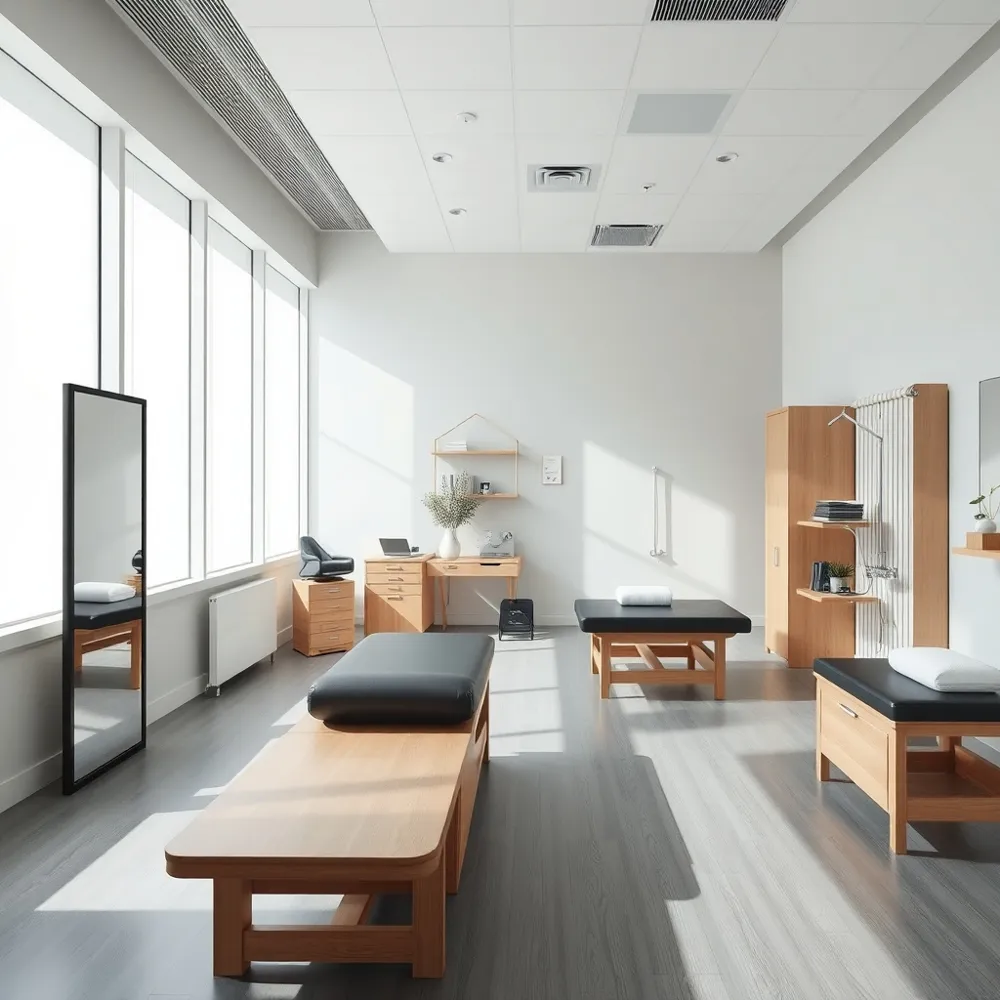 For the vast majority of patients at the Orthopedic Spine Institute of St. Louis, the path to restored mobility begins with a tiered, non-surgical approach. Relying on conservative management as the first line of defense allows us to address the root causes of discomfort while avoiding the inherent risks and recovery requirements associated with invasive procedures. We focus on stabilizing the musculoskeletal system and reducing inflammation through methods that empower patients to take an active role in their own recovery.
How are back and neck pain managed conservatively before considering surgery?
At the Orthopedic Spine Institute of St. Louis, conservative care is our first priority for managing persistent back and neck pain. We begin by addressing underlying issues through physical therapy to improve strength and flexibility, alongside targeted medical interventions like anti-inflammatory medications or muscle relaxants to reduce discomfort. Patients are also encouraged to make ergonomic adjustments to their daily routines and address lifestyle factors, such as weight management or poor body mechanics, that contribute to spinal stress. In some cases, targeted injections may be used to specifically alleviate inflammation and nerve pressure. These comprehensive, non-surgical approaches aim to restore your function and quality of life while helping your body recover naturally before we ever consider surgical intervention.
- Physical therapy to correct alignment and build supportive core musculature
- Medication management to control pain and reduce systemic inflammation
- Ergonomic improvements for workspaces and daily activities to minimize recurring strain
- Targeted injections to provide localized relief for conditions like disc herniations
- Weight management strategies to reduce mechanical burden on the spinal column
This structured progression ensures that we do not move to advanced surgical options until conservative measures have had an adequate trial. By focusing on these latest advances in orthopedic spine care, our specialists help you avoid unnecessary procedures. When non-invasive techniques provide the necessary relief, you regain your quality of life faster and with fewer complications, which remains our primary goal for every patient.
Technological Innovations Improving Surgical Outcomes
The evolution of spinal medicine has introduced a new era of minimally invasive spine surgery (MISS), where small incisions and advanced optics work together to preserve surrounding muscle and soft tissue. By focusing on precision rather than traditional open approaches, patients often experience significantly less post-operative pain and a faster trajectory back to their normal routines.
What are the latest advancements in minimally invasive spine surgery?
Recent years have seen the widespread adoption of robotic-assisted platforms and high-definition endoscopic suites that provide surgeons with unmatched visualization. Navigation systems now offer 3D imaging during the procedure, ensuring that hardware like screws and rods are placed with near-perfect accuracy. These tools allow for the correction of complex degenerative conditions, such as spinal stenosis or herniated discs, while minimizing the trauma often associated with older, more invasive methodologies.
At the Orthopedic Spine Institute of St. Louis, we integrate these surgical innovations to manage patient recovery with greater efficiency. Unlike facilities that rely on generalized surgical protocols, our practice leverages minimally invasive techniques to ensure that every intervention is tailored to your specific anatomy and functional goals. By combining real-time surgical navigation with a focus on tissue preservation, we help patients overcome chronic issues with less risk and fewer disruptions to their daily lives.
Evaluating the Role of Surgery in Chronic Pain Management
Deciding whether to proceed with spinal surgery is a significant personal choice that follows a structured, trial-based approach to your health. At the Orthopedic Spine Institute of St. Louis, our specialists emphasize that surgery is generally reserved for cases where non-operative avenues have failed to provide relief for chronic, persistent pain. This ensures that every patient has the benefit of a thorough risk-versus-benefit assessment before entering an operating room.
Is spinal surgery worth the risk for chronic pain?
Every procedure carries inherent risks, including potential infection, bleeding, or nerve complications. However, surgical intervention becomes a life-changing necessity when mechanical or structural issues like herniated discs, severe spinal stenosis, or spinal instability are confirmed. By addressing these underlying anatomical problems directly, surgery can effectively alleviate nerve pressure and stabilize the spine. At the Orthopedic Spine Institute of St. Louis, we focus on the importance of patient-selected goals, ensuring that the procedure aligns with your desired functional outcomes and quality-of-life improvements.
Ultimately, the decision rests on matching your specific diagnosis with the probability of long-term improvement. For patients whose daily routines are curtailed by pain or declining mobility, the benefit of restoring function often outweighs the surgical risks involved. Our team works closely with you to review your clinical history, ensuring that if you do move toward surgery, you are doing so with a clear understanding of the recovery process and the expected functional gains.
Clearing Distinctions Between Orthopedic and Neurosurgical Specializations
When addressing complex spinal pathology, patients often choose between two highly trained surgical paths: the orthopedic spine surgeon and the neurosurgeon. While both specialties share competence in common procedures like discectomies and spinal fusions, their foundational training pathways differ significantly. Orthopedic specialists focus on the musculoskeletal system, emphasizing bone and joint stability, whereas neurosurgeons undergo extensive residency training specifically dedicated to the nervous system and spinal cord.
What is the difference between an orthopedic surgeon and a neurosurgeon for spine procedures?
The choice of specialist often hinges on the specific pathology. Neurosurgeons are uniquely equipped for intradural procedures, which involve the area inside the lining of the spinal canal, such as managing spinal tumors or specific nerve entrapments. Conversely, orthopedic spine surgeons at the Orthopedic Spine Institute of St. Louis often demonstrate superior expertise in complex mechanical reconstructions, such as deformity corrections and scoliosis surgery. Because many modern spine centers now utilize a multidisciplinary approach, your care plan may integrate the strengths of both fields to ensure the best possible outcome. Ultimately, a surgeon's specific fellowship training and clinical experience carry more weight in determining surgical success than their initial medical credential alone.
Prioritizing Long-term Spinal Health and Mobility
Achieving lasting relief requires more than just addressing immediate discomfort. Seeking early orthopedic intervention allows you to stabilize conditions before they progress, often yielding a 30% faster recovery time for patients who consult specialists promptly. At osistl.com, we focus on this proactive approach to protect your long-term mobility.
Sustainable spine health depends on your commitment to healthy habits after your symptoms subside. Maintaining a target body mass index can reduce occurrences of back pain by 40%. By integrating consistent core-strengthening exercises, proper ergonomic habits, and a balanced diet into your daily routine, you solidify the gains made during professional treatment.
Finally, view follow-up visits not as a burden, but as a safeguard for your spinal longevity. Regular check-ins allow your provider to monitor healing and adjust strategies as your activity levels evolve. By staying engaged with comprehensive spine care, you ensure that your body remains resilient against the physical demands of daily life.