
When Symptoms Follow a Collision
You may leave a car accident feeling fine, then notice neck stiffness, back pain, or other symptoms later. A delay does not reveal how serious an injury is, and feeling well at first does not rule one out.
This guide covers practical next steps: recognizing warning signs, arranging an assessment, and understanding how care may vary. Seek emergency help for severe pain, new weakness or numbness, trouble walking, or loss of bladder or bowel control. If you suspect a serious spinal injury, avoid unnecessary movement and call emergency services. Mayo Clinic’s guidance on spinal cord injury explains why suspected injuries need urgent attention.
Symptoms alone cannot identify the cause. At Orthopedic Spine Institute of St. Louis, care for back, neck, and sciatica pain starts conservatively, with minimally invasive surgery considered when appropriate. A clinician’s evaluation helps determine what care fits your condition.
Recognize Delayed Pain and Whiplash
 Neck or back pain can start hours or days after a collision, and occasionally later. Feeling fine at the scene does not rule out an injury, since soft-tissue irritation or problems involving a disc or nerve may not be noticeable right away. If symptoms emerge, note when they began and whether they are changing.
Whiplash describes a rapid back-and-forth movement of the head that can strain the neck’s muscles and ligaments. A collision may also affect discs, joints, or nerves, so the label alone does not establish what is injured. Common symptoms include stiffness, headaches, reduced neck movement, dizziness, and tingling, but no single symptom confirms a diagnosis.
The evidence on treatments for whiplash-associated disorders is limited and does not establish one conservative approach as best for everyone, according to a Cochrane review of whiplash treatments. Assessment can help match care to the person’s symptoms and findings. At Orthopedic Spine Institute of St. Louis, care starts conservatively, with minimally invasive surgery considered when appropriate.
Arrange a medical evaluation if pain or stiffness develops or persists after a crash rather than assuming it will resolve without assessment. Seek urgent care for severe or worsening pain, new numbness or weakness, difficulty walking, or loss of bladder or bowel control. For suspected serious spinal injury, Mayo Clinic guidance advises urgent medical attention.
Know the Warning Signs
 New or worsening symptoms after a collision deserve attention, especially when they affect movement or sensation. Severe neck or back pain, pain that travels into an arm or leg, or new numbness, tingling, or weakness can indicate nerve or spinal involvement. Trouble walking, balancing, or moving a limb also warrants prompt medical assessment.
Seek emergency care for loss of bladder or bowel control, sudden loss of sensation or movement, or rapidly worsening symptoms. These signs may point to serious injury involving the spinal cord or nerves. A Mayo Clinic guide to spinal cord injury advises urgent attention when a head or neck injury may have affected the spine.
If you suspect a serious spinal injury, call 911 and avoid unnecessary movement. Do not try to move or transport the person yourself; movement could worsen an injury. Emergency responders can take steps to protect the spine while arranging care.
When symptoms are concerning but there are no emergency warning signs, arrange a timely clinical evaluation rather than waiting for pain to become severe. At Orthopedic Spine Institute of St. Louis, evaluation by a spine specialist can help distinguish among possible causes and guide care, which may begin conservatively when appropriate.
Understand Possible Spine Injuries
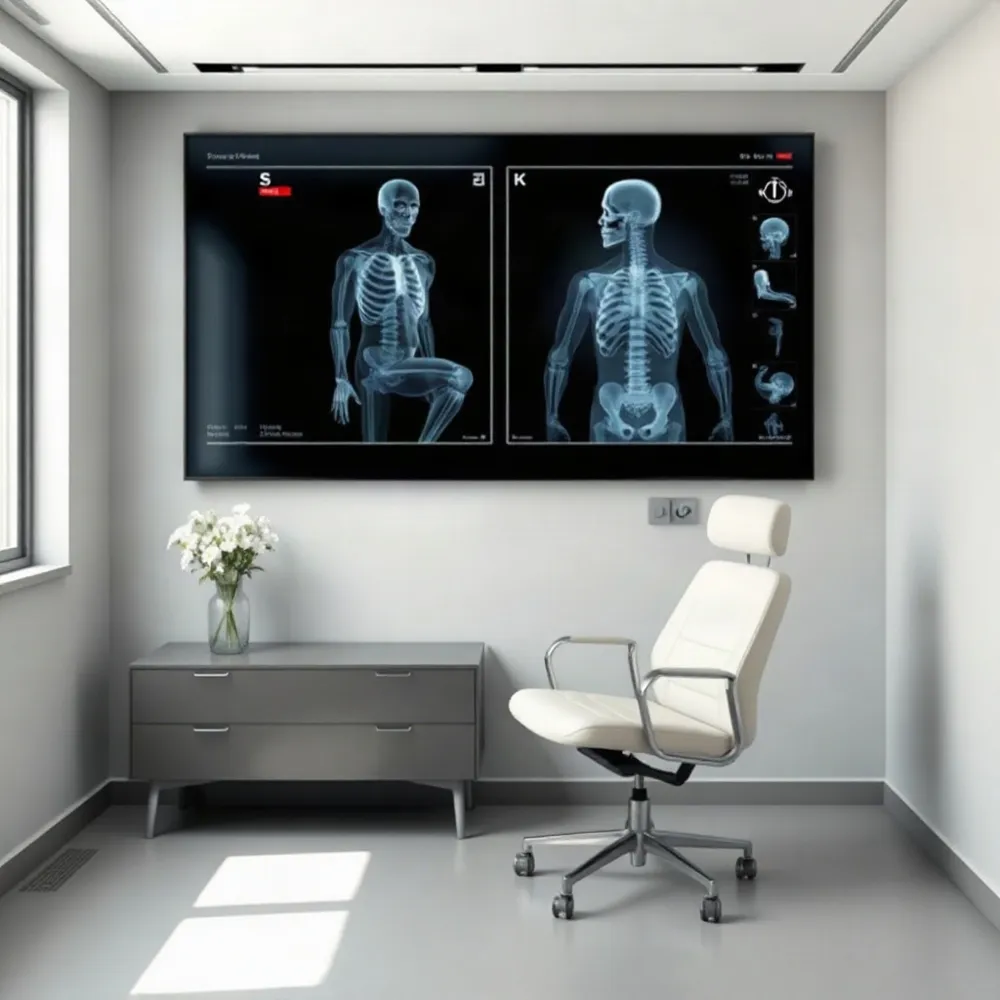 A collision can affect the neck, upper back, or lower back, but the forces involved do not mean that every crash causes structural damage. When an injury does occur, it may involve muscles, ligaments, discs, joints, vertebrae, or nearby nerves. Spinal injuries after car accidents can vary in type and severity.
Whiplash describes a rapid back-and-forth movement of the neck that can strain muscles and ligaments. Other soft-tissue strains or sprains may cause pain, stiffness, or spasms in the back. A collision can also affect the spinal discs or facet joints, which connect the vertebrae and help guide movement.
A disc bulge or herniation may irritate nearby nerves. Depending on the area involved, symptoms can include pain that travels into an arm or leg, tingling, numbness, or weakness. Similar symptoms can have different causes, though, so they cannot identify a particular injury on their own.
A vertebral fracture is another possible injury, particularly after a more forceful impact. The type and severity of an injury guide care, and a clinician may assess symptoms and movement and order imaging when appropriate. The Orthopedic Spine Institute of St. Louis begins care conservatively when suitable and offers minimally invasive surgery when appropriate, based on the individual condition.
A medical evaluation can help distinguish among possible causes and guide safe next steps. If you have severe pain, new weakness or numbness, or trouble walking after a collision, seek urgent medical care.
Get an Individual Evaluation
A spine evaluation starts with the details of the collision and your symptoms. A clinician may ask how the impact occurred, when discomfort began, and whether it has changed or spread. At Orthopedic Spine Institute of St. Louis, care begins with an individual assessment and a conservative approach when appropriate.
The physical and neurological examination may check tenderness, movement, muscle strength, sensation, reflexes, and signs of nerve or spinal cord involvement. If there is concern about a serious spinal injury, seek emergency care, particularly for new weakness or numbness, difficulty walking or breathing, or loss of bladder or bowel control. Mayo Clinic’s spinal cord injury guidance describes clinical assessment and imaging after a suspected injury.
Imaging is chosen according to symptoms and examination findings. X-rays can show some fractures and bone changes, CT scans provide detailed views of bone, and MRI can assess discs, the spinal cord, and other soft tissues. A crash or an imaging result alone does not establish the full diagnosis; clinicians interpret findings alongside symptoms and examination results.
Before an appointment, write down when symptoms started, what makes them worse, and whether pain travels into an arm or leg. Bring available emergency-care records and imaging reports. These details can help the clinician assess your condition and decide whether additional tests or a specific treatment plan are appropriate.
For a closer look at what an assessment may include, see this individual evaluation outline.
Choose Care Based on the Injury
Treatment for neck or back pain after a collision depends on the diagnosis, symptom severity, and your health and circumstances. The same symptom can have different causes, so an evaluation should guide care rather than assuming one treatment fits every case. At osistl.com, care starts conservatively, with minimally invasive surgery considered when appropriate.
For many conditions, a clinician may recommend guided physical therapy, changes to activities, or medication to help manage pain or inflammation. The plan should reflect your examination and goals, with adjustments if symptoms change or progress stalls. A Cochrane review of conservative whiplash treatments found limited and inconsistent evidence, and did not establish one approach as most effective for the whiplash conditions it examined. Its findings do not apply to every type of spine injury.
If symptoms persist, further assessment may help identify whether a disc, joint, or nerve is involved. Depending on those findings, a spine specialist may consider a targeted, minimally invasive procedure. Such treatments are options for selected conditions, not automatic next steps; osistl.com provides conservative care first and considers surgery when it is clinically appropriate.
Surgery may be considered for a serious structural injury or when conservative treatment has not helped, but it is not inevitable. Seek urgent medical attention for new or worsening weakness or numbness, difficulty walking, or loss of bladder or bowel control. For other ongoing or worsening symptoms, follow up with a clinician so the diagnosis and care plan can be reassessed.
Set Realistic Recovery Expectations
Recovery after a collision varies with the type and severity of the injury, overall health, and other individual factors. A mild muscle strain may improve over days or weeks, while more significant injuries can take longer and may need continued care. These are broad patterns, not a timetable or a promise about an individual outcome.
Persistent or recurring neck pain, stiffness, headaches, or pain extending into an arm deserves attention, especially if it affects daily activities. A review of conservative care for whiplash found that available studies did not establish which treatment works best, underscoring the value of matching care to a person’s symptoms and needs (Cochrane review of whiplash treatments). At Orthopedic Spine Institute of St. Louis, care begins conservatively, with minimally invasive surgery considered when appropriate.
Contact your clinician if symptoms worsen, new symptoms develop, or progress stalls rather than continuing an unchanged plan. New weakness or numbness, trouble walking, or severe worsening pain calls for urgent assessment. Mayo Clinic advises urgent medical attention when a spinal cord injury is suspected (spinal cord injury diagnosis and treatment).
Some people experience symptoms for a prolonged period, but pain lasting for years is not inevitable. An individual evaluation can help clarify what may be contributing to ongoing symptoms and whether the care plan should change.
Take the Next Safe Step
If new neck or back pain appears after a collision, contact a healthcare professional promptly. Feeling fine at first does not rule out an injury. Arrange an evaluation sooner if pain worsens or begins to interfere with movement, sleep, work, or everyday tasks.
Seek emergency care for severe pain, new weakness or significant numbness, trouble walking, loss of bladder or bowel control, or numbness around the groin. If you suspect a serious spinal injury, call 911 and avoid unnecessary movement while waiting for help. Mayo Clinic’s spinal cord injury guidance explains why suspected spinal cord injuries need urgent assessment.
Before an appointment, note when symptoms began, what makes them worse, and whether pain travels into an arm or leg. Bring any emergency department records or imaging reports, and follow any discharge instructions you have received. Until a clinician assesses the injury, avoid forceful stretching and workouts that cause pain.
At the Orthopedic Spine Institute of St. Louis, care for back, neck, and sciatica pain starts conservatively, with minimally invasive surgery considered when appropriate. An individualized evaluation can help clarify what may be causing your symptoms and which next steps fit your situation. For practical guidance on seeking care after a crash, see managing spine pain immediately following a car accident.
Evaluation Comes Before Assumptions
Symptoms may emerge after a collision, and changes such as worsening pain, numbness, weakness, or difficulty walking should not be ignored. The timing of discomfort alone cannot identify the cause. A medical assessment can help determine whether testing or treatment is appropriate.
At Orthopedic Spine Institute of St. Louis, care starts conservatively, with minimally invasive surgery considered when appropriate. Seek emergency help for severe or changing symptoms; otherwise, arrange an evaluation and follow the clinician’s guidance.