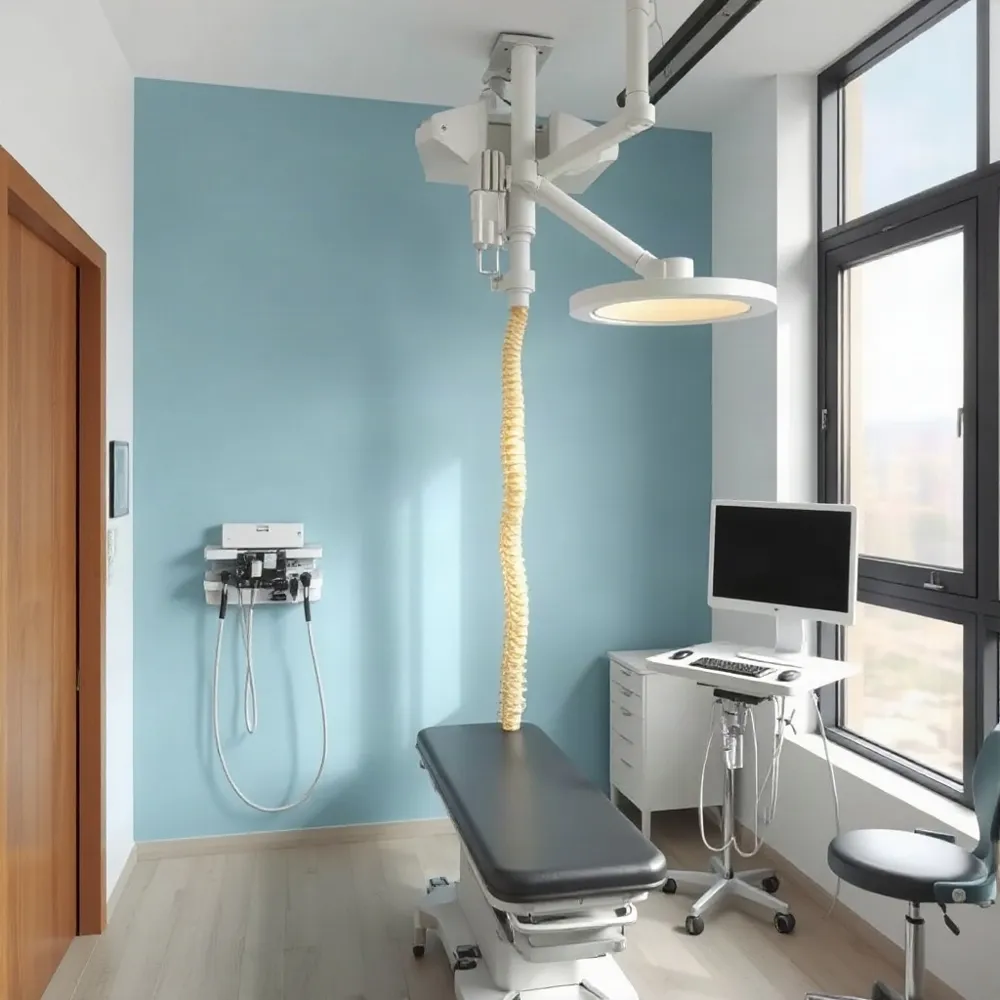
Prioritizing Non-Surgical Spine Care For Lasting Results
Effective spine management often begins by recognizing that the human body possesses a substantial capacity for natural healing. Medical research suggests that approximately 90% of individuals experiencing back pain will never require surgery as most conditions resolve through dedicated conservative care strategies A Review of Conservative Spine Treatments. By prioritizing the least invasive interventions first, patients can frequently avoid the inherent risks associated with operative procedures, such as nerve damage or prolonged recovery times.
At the Orthopedic Spine Institute of St. Louis, the clinical philosophy centers on a patient-first approach that emphasizes non-surgical pathways for addressing back, neck, and sciatica pain. Specialists at this practice focus on helping patients restore their physical function and quality of life rather than solely eliminating immediate symptoms. Through personalized care plans that may incorporate physical therapy, targeted medication management, or advanced injections, patients benefit from a structured conservative spine care strategy designed to address the root cause of discomfort.
Choosing a conservative-first approach provides a clear advantage in both cost-effectiveness and avoiding the permanence of surgery. If initial efforts do not yield the intended results, the specialized team at the Orthopedic Spine Institute of St. Louis remains prepared to transition toward minimally invasive techniques when medically necessary. By navigating treatment options with a trusted provider, patients can gain confidence in a recovery process that prioritizes their long-term health.
Core Principles of Conservative Spine Management
- Approximately ninety percent of back pain cases resolve without surgery.
- Physical therapy acts as the foundation for restoring spinal function.
- Passive treatments like heat and TENS reduce initial inflammation.
- Active therapy focuses on dynamic stabilization through core strengthening.
- Targeted NSAIDs reduce systemic inflammation to aid movement.
- Clinicians avoid opioids to prevent dependency and tolerance cycles.
- Injections like epidural steroids target inflammation at the source.
- Smoking cessation is vital to improve blood flow to spinal tissue.
- Bed rest should be avoided as it weakens muscles and joints.
- Loss of bowel or bladder control requires immediate emergency evaluation.
1. Physical Therapy and Targeted Core Strengthening Exercises
 Physical therapy serves as a foundation of conservative care, focusing on core strengthening, stretching, posture retraining, and consistent home exercise routines to maintain spine stability 7 Ways to Treat Chronic Back Pain Without Surgery. While some approaches rely solely on symptom suppression, the experts at osistl.com prioritize restoring functional movement patterns that support long-term spinal health. Unlike generic fitness programs that may overlook specific segmental weaknesses, these customized rehabilitation plans address the unique musculoskeletal imbalances contributing to your discomfort.
Passive vs Active Physical Therapy
Effective rehabilitation typically integrates two distinct therapeutic phases. Passive treatments, such as heat, ultrasound, and TENS, are used initially to reduce pain and inflammation, creating a comfortable window for movement A Review of Conservative Spine Treatments. Active therapy follows, shifting the focus to dynamic stabilization through core strengthening. Core muscles in the abdomen, hips, and back provide the essential support necessary to offload forces from the spine, discs, and nerves Keep Your Spine Healthy With These Expert Strategies.
What is conservative treatment in the context of orthopedic spine care?
In the context of orthopedic spine care, conservative treatment refers to a comprehensive, non-surgical approach aimed at managing pain, reducing inflammation, and restoring spinal function. This patient-first strategy prioritizes healing through physical therapy to strengthen supporting muscles, targeted medication management, and activity modification to prevent further injury Exploring Conservative Spine Treatment: Your Path to Relief. Specialists may also incorporate interventional options such as corticosteroid or facet joint injections and the use of orthotic devices to provide relief. osistl.com professionals aim to exhaust all safe, non-invasive methods to improve quality of life before considering surgical intervention. By focusing on these conservative measures, patients can often achieve significant recovery and avoid the risks and recovery times associated with surgery Surgical vs. Conservative Management of Chronic Sciatica.
2. Effective Medication Management and Anti-Inflammatory Strategies
 Effective medication management serves as a critical component in your recovery path at osistl.com, where our specialists tailor protocols to support spinal function during rehabilitation. Unlike approaches that rely solely on heavy-duty interventions, we utilize targeted NSAIDs like ibuprofen or naproxen to reduce systemic inflammation and address the underlying swelling that often triggers nerve pain. These medications help facilitate the active work of physical therapy by making movement more comfortable.
For patients grappling with acute muscle spasms, short-term use of muscle relaxants can provide necessary relief. While Mayo Clinic notes these medications are useful for managing discomfort in the early stages of a flare-up, they are intended for brief periods only. We prioritize these limited protocols to prevent the common side effects and risks of physical dependency that can arise from prolonged or improper medication use.
A fundamental tenet of our clinical philosophy is avoiding the risks of opioid dependency entirely. As highlighted by Johns Hopkins Medicine, opioids should not be treated as a first-line solution because they often create cycles of tolerance without correcting the root spinal condition. Many patients who fear they have reached a dead end with other clinics find that the comprehensive conservative spine care at our institute focuses on restoring natural biomechanical harmony instead of masking symptoms with habit-forming substances.
What are the benefits of choosing conservative treatment for spine conditions?
Choosing conservative treatment allows patients to prioritize their body’s natural healing processes, with research indicating that approximately ninety percent of individuals with back pain can resolve their symptoms without ever needing surgery. This approach offers a safer starting point by avoiding the inherent risks, recovery time, and complications associated with invasive surgical procedures. By utilizing a diverse toolkit, including physical therapy, medication management, and specialized injections, patients can effectively reduce inflammation, alleviate pain, and restore mobility. Furthermore, conservative care focuses on active patient participation, training you to improve your long-term spinal health through functional restoration. Ultimately, this strategy ensures that more invasive interventions are only considered if non-surgical methods fail to provide the relief you need.
3. Advanced Injection Therapies for Targeted Pain Relief
 When physical therapy and medication regimens are not enough to manage persistent discomfort, advanced injection therapies can provide a necessary reprieve. At the Orthopedic Spine Institute of St. Louis, our specialists utilize targeted procedures to address inflammation directly at the source, helping patients regain the mobility needed to continue their rehabilitation progress.
Epidural Steroid Injections. These epidural steroid injections deliver corticosteroids into the epidural space surrounding the spinal cord. By reducing nerve inflammation, they can provide meaningful relief for lumbar or cervical radiculopathy.
Facet Joint Injections. When pain originates from the joints connecting your vertebrae, facet joint injections use a local anesthetic to alleviate localized stiffness. These are particularly effective for patients suffering from spinal arthritis.
Diagnostic Nerve Blocks. Nerve blocks serve a dual purpose as both diagnostic tools and therapeutic interventions. By temporarily interrupting pain signals, they help surgeons and specialists pinpoint the exact origin of a patient's chronic pain.
What are the most effective non-surgical treatments for chronic back pain?
The most effective non-surgical approach often begins with physical therapy, which utilizes targeted exercises and stretches to improve flexibility, strength, and posture. Complementary therapies such as acupuncture, massage, and chiropractic care are also well-regarded for their ability to reduce muscle tension and pain. For more localized, persistent discomfort, medical professionals may recommend the precise injections mentioned above to soothe inflammation and provide significant temporary support. Over-the-counter anti-inflammatory medications can assist with acute flare-ups, though they are best used as part of a comprehensive plan rather than a long-term solution. Ultimately, these conservative treatments are often combined with lifestyle modifications, such as ergonomic adjustments and weight management, to address the root cause of the pain and improve long-term spinal health.
4. Lifestyle Modifications and Daily Activity Optimization
Your daily habits play a vital role in long-term spinal health. Integrating small, sustainable adjustments can significantly reduce the mechanical stress placed on your vertebrae and intervertebral discs. Proper ergonomics, such as maintaining eye-level screens and using dedicated lumbar support, minimizes the strain that contributes to chronic pain. At osistl.com, our specialists often emphasize that weight management is equally important. Maintaining a healthy weight lowers the physical burden on your spine, while quitting tobacco is essential to improve blood flow, as smoking reduces the oxygen supply necessary for spinal tissue recovery 7 Ways to Treat Chronic Back Pain Without Surgery.
What common mistakes should be avoided when managing back or sciatica pain?
When managing back or sciatica pain, avoid the temptation of prolonged bed rest, as inactivity can often weaken supporting muscles and stiffen joints, ultimately prolonging your recovery Sciatica - Diagnosis and treatment. Refrain from heavy lifting, high-impact activities, or sudden twisting motions that place undue stress on the spine 7 Ways to Treat Chronic Back Pain Without Surgery. It is a mistake to rely on self-diagnosis or unverified at-home treatments, as these can delay an accurate clinical assessment and allow a manageable issue to worsen. Do not ignore your body’s signals by masking pain with over-the-counter medications without addressing the root cause through professional guidance. Finally, ensure you seek timely medical evaluation to determine the specific source of your discomfort, as a specialized treatment plan is essential for effective, long-term relief.
5. Complementary Holistic Care Modalities
Integrating holistic therapies into your recovery can significantly enhance the effectiveness of standard clinical protocols. At osistl.com, we recognize that spinal health often requires more than just mechanical intervention. Acupuncture and massage therapy serve as powerful contributors to this process by reducing muscle tension and modulating pain perception. While providers may offer varying techniques, our approach emphasizes evidence-based integration to ensure these modalities support rather than replace core physiological strengthening.
- Acupuncture and massage therapy: These practices assist in loosening tight or spasming soft tissues, which Mayo Clinic notes is vital for alleviating the discomfort associated with sciatica and chronic tension.
- Chiropractic care: By focusing on spinal manual adjustments, this modality can improve joint range of motion and alignment, serving as a safe and effective complement to traditional physical therapy.
- Yoga and Tai Chi: These movement-based disciplines help regulate the nervous system and manage the emotional strain often inherent in long-term pain conditions, while also building necessary structural flexibility.
Are there specific vitamins or supplements that support spine and nerve health?
While there is no single magic vitamin to cure structural spinal conditions, maintaining adequate levels of certain micronutrients is vital for nerve health and inflammation management. B-complex vitamins, particularly B6 and B12, play a fundamental role in supporting nerve function and repair. Additionally, vitamins D and E, along with minerals like magnesium, zinc, and selenium, act as essential antioxidants that help suppress inflammatory processes in the body. Omega-3 fatty acids, often found in fish oil, are also recommended for their potent anti-inflammatory properties. Because these supplements can interact with medical treatments, it is essential to consult with our team at the Orthopedic Spine Institute of St. Louis before starting a new regimen to ensure it aligns with your specific care plan.
Navigating Severe Pain and Urgent Symptoms
Most back and neck discomfort improves through conservative therapy, but ignoring specific signs can lead to permanent nerve damage. Recognizing when your condition shifts from a manageable recovery phase to an urgent situation is essential for long-term health.
Red-flag symptoms requiring emergency intervention
Certain indicators act as warning signs that your spine requires immediate professional evaluation. According to Mayo Clinic and Johns Hopkins Medicine, red-flag symptoms include the sudden loss of bowel or bladder control, significant limb weakness, or gait instability. These findings may indicate cauda equina syndrome or severe nerve compression requiring urgent medical attention.
How should a patient manage unbearable sciatica or severe back pain? If you are experiencing severe or unbearable back pain, it is critical to seek a professional medical evaluation to rule out underlying structural issues or nerve damage. While mild sciatica can sometimes be managed with rest, gentle movement, ice, heat, and anti-inflammatory medications, you must avoid quick fix online remedies that may worsen your condition. At the Orthopedic Spine Institute of St. Louis, we prioritize a patient-first approach, starting with conservative treatments and offering minimally invasive surgical options only when necessary. Please contact our office to schedule a consultation with Dr. David S. Raskas so we can accurately diagnose your pain and develop a personalized plan for your recovery.
Understanding Surgical Risk Evaluation
Deciding to move forward with a spinal procedure is a significant choice that warrants a careful assessment of both potential benefits and inherent hazards. At osistl.com, specialists prioritize thoroughly vetting these variables to ensure that surgery is only performed when it offers a clear pathway to restored function and improved quality of life.
How are the risks associated with spinal surgical procedures, such as L4-L5 surgery, evaluated?
Orthopedic specialists evaluate the risks of spinal procedures like L4-L5 surgery by carefully weighing the potential for symptom relief against the patient's individual anatomy, lifestyle, and the severity of nerve compression. A comprehensive risk assessment accounts for patient-specific factors, including age, weight, smoking history, and underlying conditions like diabetes, all of which influence recovery and the likelihood of complications like infection 0. Surgeons also assess the complexity of the intervention, as involving more spinal levels generally increases the technical demands of the operation.
By prioritizing evidence-based conservative treatments first at osistl.com, clinical teams ensure that surgical paths are reserved for cases where non-invasive options no longer provide adequate relief. This highly personalized evaluation process allows the care team to minimize risks, such as nerve injury or hardware complications, while focusing on the best outcomes for your long-term mobility 1. Each surgical plan is balanced against the patient's functional status to ensure the intervention aligns with their specific goals and physical capacity.
Committing to Your Long-Term Spinal Health
Effective recovery requires a steady commitment to your treatment plan, as conservative protocols often yield the most lasting improvements over several weeks or months. Progress is rarely linear, but consistent participation enables better functional outcomes than rushing toward invasive procedures. Because most spinal issues resolve through non-surgical methods 90% of individuals experiencing back pain will never require spine surgery, staying the course is a verified path to success.
At osistl.com, our team prioritizes a personalized approach that aligns your daily activity goals with your specific medical needs. If you find your current routine is not providing the relief you expected, it is time to consult with a specialist at our practice to evaluate your progress. Preparation for your visit includes bringing recent imaging and a clear record of previously tried therapies to ensure your care plan is optimized for your long-term health.