Why Early Action Matters
After a car crash, you may feel shaken but otherwise fine. That first impression does not always tell the full story: pain, numbness, or weakness can become noticeable later, and a spinal injury may not be obvious at the scene. A spinal cord injury can affect movement, sensation, and other body functions.
Collision forces can affect the neck or back, including discs, nerves, vertebrae, and the spinal cord. Similar symptoms can come from different injuries, so pain alone cannot identify what has been harmed or how serious it is. At Orthopedic Spine Institute of St. Louis, care starts conservatively, with minimally invasive surgery considered when appropriate.
The immediate priorities are to spot warning signs, limit movement if a serious spine injury is suspected, and get medical help. Severe neck or back pain, limb weakness or numbness, difficulty walking, or loss of bladder or bowel control warrant urgent attention. Mayo Clinic first-aid guidance advises calling 911 and keeping the person still while help is on the way. Even without emergency signs, arrange a professional assessment after a concerning collision rather than relying on symptoms to rule out injury.
Recognize Emergency Warning Signs
 After a collision, severe or worsening neck or back pain, numbness or tingling, and weakness or loss of movement can signal a serious spine or spinal cord injury. Difficulty walking or keeping your balance, loss of bladder or bowel control, trouble breathing, altered consciousness, or an unusually twisted neck or back also warrant urgent concern. Mayo Clinic’s warning signs for spinal cord injury include changes in strength, sensation, coordination, and bladder or bowel function.
Call 911 for severe symptoms, new weakness or loss of sensation, trouble moving, breathing difficulty, or bladder or bowel changes. If someone may have a spinal injury, do not move them unless there is immediate danger. Keep their head and neck as still as possible while waiting for emergency responders, following the Mayo Clinic’s first-aid guidance for spinal injuries.
Symptoms may be present right away or develop later, and feeling fine at first does not rule out an injury. Being able to move also does not establish that the spine is unharmed. Pay attention to new or worsening neck or back pain, tingling, weakness, or changes in walking, and contact a healthcare professional promptly even when symptoms do not seem severe.
At osistl.com, care for back and neck problems starts conservatively, with minimally invasive surgery considered when appropriate. A professional evaluation can help determine whether symptoms need urgent attention or further spine care.
Call for Help and Limit Movement
 If a collision raises concern about a spine injury, call 911 rather than waiting to see whether symptoms worsen. Tell the dispatcher how the crash happened, what symptoms you observe, and what the person cannot feel or move. Follow the dispatcher’s instructions and Mayo Clinic’s spinal injury first-aid guidance.
Unless the person faces immediate danger, keep them still until emergency responders arrive. Do not ask them to sit up, stand, walk, or turn their head. Even if they are alert or can move, avoid testing their movement or sensation. Movement may worsen an injury, so let trained responders decide how to assess and transport them.
Do not try to straighten the neck, reposition the body, or remove a helmet. If fire, another immediate hazard, or a breathing emergency makes movement necessary, get help if possible and keep the head, neck, and back aligned. Otherwise, leave the person where they are and follow the dispatcher’s directions.
Stay nearby, speak calmly, and monitor breathing and responsiveness while help is on the way. If the person becomes less responsive or has trouble breathing, tell the dispatcher immediately and follow their guidance. For a suspected injury that later needs assessment, Orthopedic Spine Institute of St. Louis begins care conservatively and offers minimally invasive surgery when appropriate; an evaluation does not mean surgery is required.
Understand Possible Collision Injuries
A crash can place sudden force on the body, stretching or tearing muscles and ligaments, injuring spinal discs, or affecting the small joints between vertebrae. More serious injuries can include a fractured vertebra or damage to the spinal cord. Motor vehicle accidents can cause several kinds of spinal injury, and symptoms alone cannot identify which structure is affected.
Whiplash describes a forceful back-and-forth movement of the neck. It can strain the muscles and ligaments and lead to pain, stiffness, or reduced range of motion. To understand how a collision may affect different parts of the spine, see this guide to possible collision injuries.
A bulging or herniated disc may irritate nearby nerves. Depending on where it occurs, this can cause pain, tingling, numbness, or weakness that travels from the neck into an arm or from the lower back into a buttock or leg. Muscle and joint injuries can cause overlapping symptoms, so pain location or intensity alone is not a reliable way to diagnose the problem.
Symptoms may begin at the scene or become noticeable later. New or worsening pain deserves medical attention, while significant weakness, loss of coordination, or trouble controlling the bladder or bowels calls for urgent care. At Orthopedic Spine Institute of St. Louis, care for back, neck, and sciatica pain starts conservatively, with minimally invasive surgery considered when appropriate. A professional evaluation can help determine the cause and guide next steps.
Watch for Symptoms That Appear Later
Yes, neck or back symptoms can begin hours or days after a crash, even if you felt fine at first. Adrenaline and shock may temporarily dull discomfort, while inflammation and muscle stiffness become more noticeable later. Delayed pain does not identify the cause, so avoid trying to diagnose the injury from symptoms alone. Mayo Clinic explains that spinal injury signs may emerge gradually.
Watch for neck or back stiffness, headaches, reduced range of motion, or pain that travels into an arm or leg. Numbness, tingling, or weakness also deserve attention. If symptoms appear or change, contact a medical professional for guidance rather than waiting for them to become severe. The Orthopedic Spine Institute of St. Louis evaluates back and neck conditions, beginning with conservative care when appropriate.
Before speaking with a clinician, note when each symptom began, where it occurs, what activities make it worse, and whether it is improving or worsening. These details can help guide an assessment. You can also read more about symptoms that may appear after a crash.
Seek urgent medical attention for severe or worsening pain, new weakness, or loss of bladder or bowel control. These signs can indicate a serious problem and should not wait for a routine appointment.
Get a Professional Evaluation
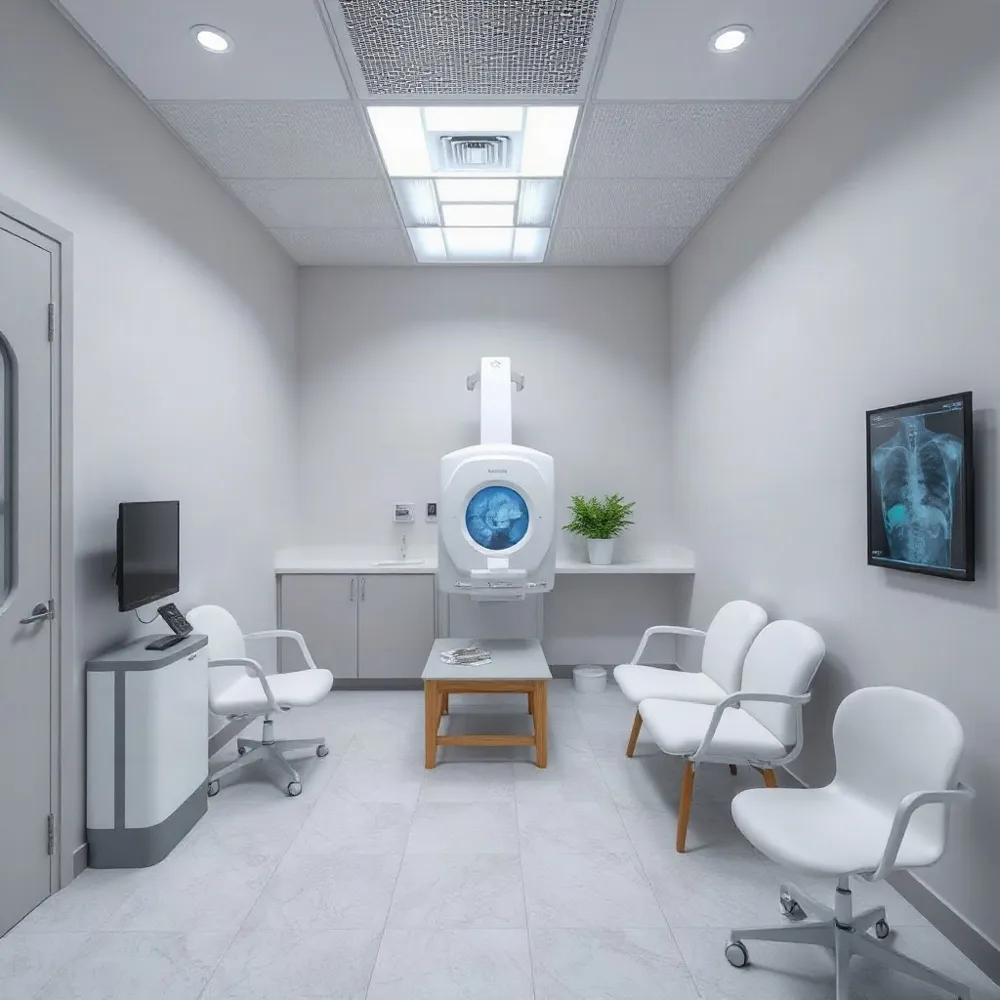 If neck or back symptoms appear after a collision, arrange a medical evaluation instead of trying to identify the injured structure yourself. Severe pain, weakness, numbness, or other signs of a possible serious spine injury call for emergency help, not self-treatment. Mayo Clinic’s spinal injury first-aid guidance advises keeping a person with a suspected injury still and calling emergency services.
During an assessment, a clinician may ask how the crash happened, when symptoms began, and whether they have changed. The examination can include checks of movement, strength, and sensation. At Orthopedic Spine Institute of St. Louis, care for back, neck, and sciatica pain starts conservatively, with minimally invasive surgery considered when appropriate.
Imaging is chosen according to the examination and clinical concerns. X-rays can show fractures and other bone changes; CT provides detailed views of bones and discs; MRI can help identify spinal cord compression or other soft-tissue problems. These tests answer different questions, so not everyone needs the same scan. Mayo Clinic’s overview of spinal cord injury diagnosis and treatment describes how clinicians use examination findings and imaging to assess suspected injuries.
Test results need to be interpreted alongside symptoms and examination findings. Follow the clinician’s recommendations for further tests, activity restrictions, or follow-up, and report new or worsening symptoms promptly. A medical evaluation can guide next steps without assuming that a particular scan or treatment is right for every person.
For more on seeking care after a collision, read how to get a professional evaluation.
How Clinicians Assess Whiplash
A clinical assessment looks beyond neck pain alone. The clinician may ask how the collision happened, when symptoms began, what makes them better or worse, and how they affect activities such as turning your head, working, or sleeping. At Orthopedic Spine Institute of St. Louis, care starts with a conservative approach, with treatment decisions guided by the examination and your symptoms.
The physical examination may include checking the neck and shoulders for tenderness and assessing range of motion, strength, reflexes, and sensation. These findings help the clinician consider whether symptoms fit a soft-tissue injury or whether further assessment is needed. See what to expect during a spine specialist evaluation for more about this process.
Whiplash is generally a soft-tissue injury, so it may not show up on imaging. When needed, X-rays can help identify fractures, while CT or MRI may be used to assess other suspected injuries. The choice of imaging depends on the examination and clinical concerns, as Mayo Clinic’s guidance on spinal cord injury diagnosis explains.
Seek urgent medical attention for severe or worsening neck pain, numbness or weakness, difficulty walking, or other concerning symptoms. New or changing symptoms deserve reassessment, even if you have already been examined.
Treatment depends on the findings and may include pain-relief medication, brief use of ice, and guided movement or physical therapy to restore motion and function. Follow a clinician’s advice about activity, and avoid prolonged rest or a soft collar unless specifically recommended. If symptoms persist or worsen, arrange follow-up so the care plan can be reviewed.
Take the Next Step Safely
If a serious spine injury is suspected, call 911 and keep the person still unless there is immediate danger. Avoid trying to straighten their neck or move them into a vehicle. Mayo Clinic’s spinal injury first-aid guidance recommends limiting movement while waiting for emergency responders.
For new or delayed neck and back symptoms, seek professional assessment rather than relying on how the injury feels or trying to diagnose it yourself. At Orthopedic Spine Institute of St. Louis, care starts conservatively, with minimally invasive surgery considered when appropriate. An evaluation does not mean surgery is inevitable; the right plan depends on the findings.
Follow the clinician’s guidance about tests, activity, treatment, and follow-up. If symptoms appear after a crash or change after an earlier visit, share those details with a qualified medical professional. Readers with post-accident neck or back concerns can contact a medical professional to discuss an assessment and appropriate next steps.