Understanding the Procedure and Its Aftermath
Cervical disc replacement, also called cervical disc arthroplasty, removes a damaged disc in the neck and inserts an artificial one. Unlike fusion, which joins the bones at the treated level, replacement is designed to preserve motion. It may be considered for selected people whose neck or arm symptoms have not improved with nonsurgical care, but it is not suitable for everyone. Cleveland Clinic’s overview of cervical artificial disk replacement explains common uses and factors a provider weighs.
Deciding whether surgery is appropriate involves more than reviewing symptoms. A spine specialist considers imaging, spinal health, medical history, and the potential benefits and risks alongside alternatives. At osistl.com, care for back and neck pain starts conservatively, with minimally invasive surgery considered when appropriate.
Recovery can involve temporary discomfort, activity limits, follow-up visits, and a gradual return to daily routines. The pace differs from person to person, so general timelines are only a guide. Your operating surgeon’s instructions should take precedence, including advice on wound care, medication, driving, work, exercise, and when to call about symptoms.
What the Artificial Disc Does
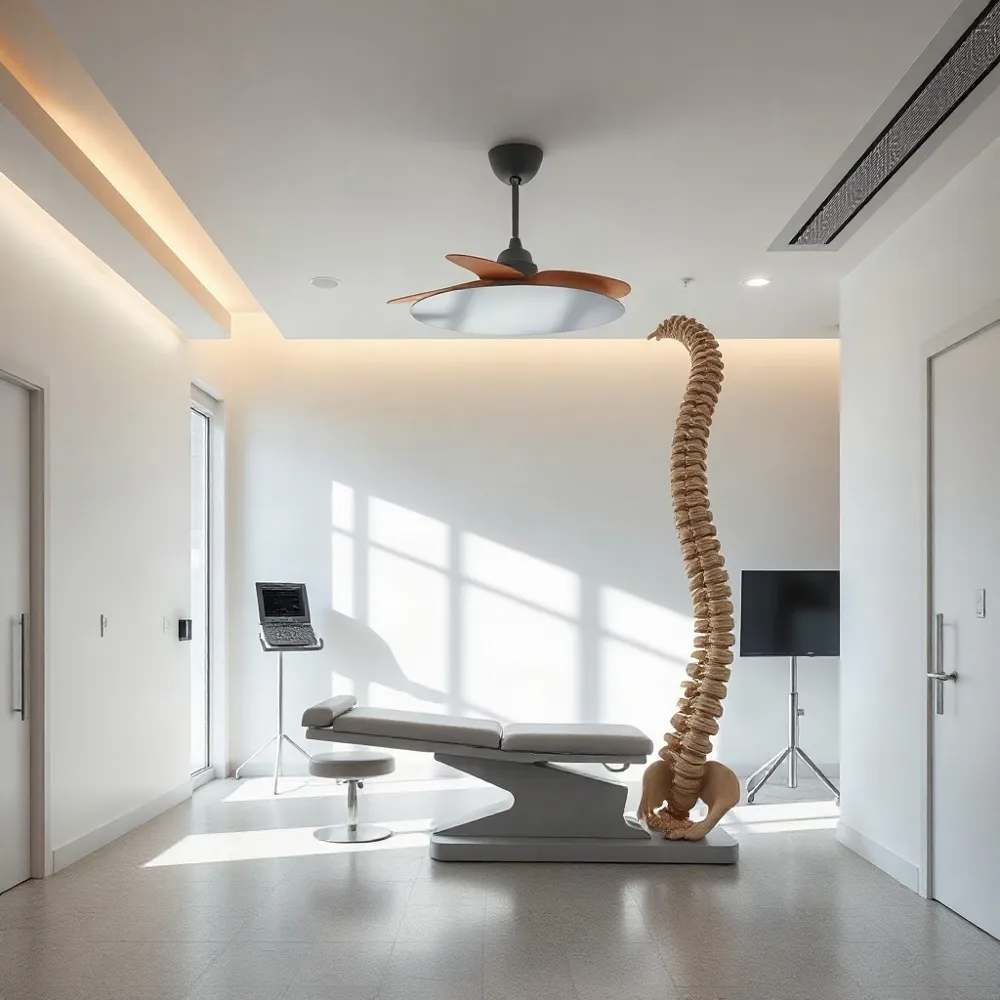 Cervical disc replacement removes a damaged disc in the neck and places an artificial disc between the neighboring vertebrae. The implant helps maintain the space between the bones while allowing movement at the treated level. This motion-preserving design is one difference from fusion, though it does not guarantee that every person will regain normal movement or be free of pain.
With anterior cervical discectomy and fusion (ACDF), the surgeon removes the damaged disc and joins the vertebrae above and below it. The bones then heal together, limiting movement at that segment. Replacement and fusion can both address certain problems caused by a damaged disc or pressure on nearby nerves, but the choice depends on a patient’s symptoms, imaging, and spinal health. Cleveland Clinic’s overview of cervical artificial disk replacement describes how clinicians assess the options.
Artificial discs differ in design and materials. Many have metal endplates, which may be made from titanium alloy or cobalt-chromium, and a moving core made from polyethylene or polycarbonate urethane. The exact materials vary by device, so ask the surgeon which implant is being considered and whether its materials raise any concerns for you.
Cervical disc replacement may be considered when a damaged disc causes persistent neck or arm pain, numbness, tingling, or weakness and nonsurgical care has not provided enough relief. A spine specialist evaluates the source of symptoms, imaging findings, affected levels, and the condition of the neck before recommending treatment. At osistl.com, care begins conservatively, with minimally invasive surgery considered when appropriate; a specialist can discuss whether replacement or fusion fits an individual case.
For a comparison of how the procedures differ and what to discuss before choosing, see this guide to cervical disc replacement versus spinal fusion.
How Surgeons Weigh Potential Benefits
Cervical disc replacement aims to reduce neck and arm pain and relieve nerve-related symptoms, including numbness, tingling, or weakness. Whether those goals are realistic depends on what is causing the symptoms and whether the patient’s spine is suited to the procedure.
For selected patients with one- or two-level cervical disease causing radiculopathy, randomized FDA investigational-device trials have established disc replacement as an effective alternative to anterior cervical discectomy and fusion (ACDF). The trials report results across different devices and measures, so they do not promise the same outcome for everyone. A review of long-term cervical arthroplasty trial outcomes describes benefits that generally persisted during follow-up.
Preserving movement at the treated level may reduce mechanical stress on nearby spinal levels compared with fusion. That potential advantage does not guarantee that degeneration or future surgery will be prevented. Research findings on adjacent-level reoperations vary by device and study, and other factors, including natural aging and spinal alignment, also matter.
How successful is cervical disc replacement, and what factors can affect the outcome? The best answer is individual: symptom cause and severity, the number of affected levels, overall spinal health, general health, and suitability for the implant all shape the likely benefit. Following the surgeon’s postoperative guidance also supports recovery. At osistl.com, care for neck pain begins conservatively, with minimally invasive surgery considered when appropriate; a spine specialist can assess whether replacement fits a patient’s circumstances.
Clinical evidence supports lasting relief and improved function for some well-selected patients, but group results cannot predict one person’s experience. A discussion with a spine specialist should weigh the expected symptom relief and motion preservation against the alternatives and the patient’s own health goals.
Risks to Discuss Before Surgery
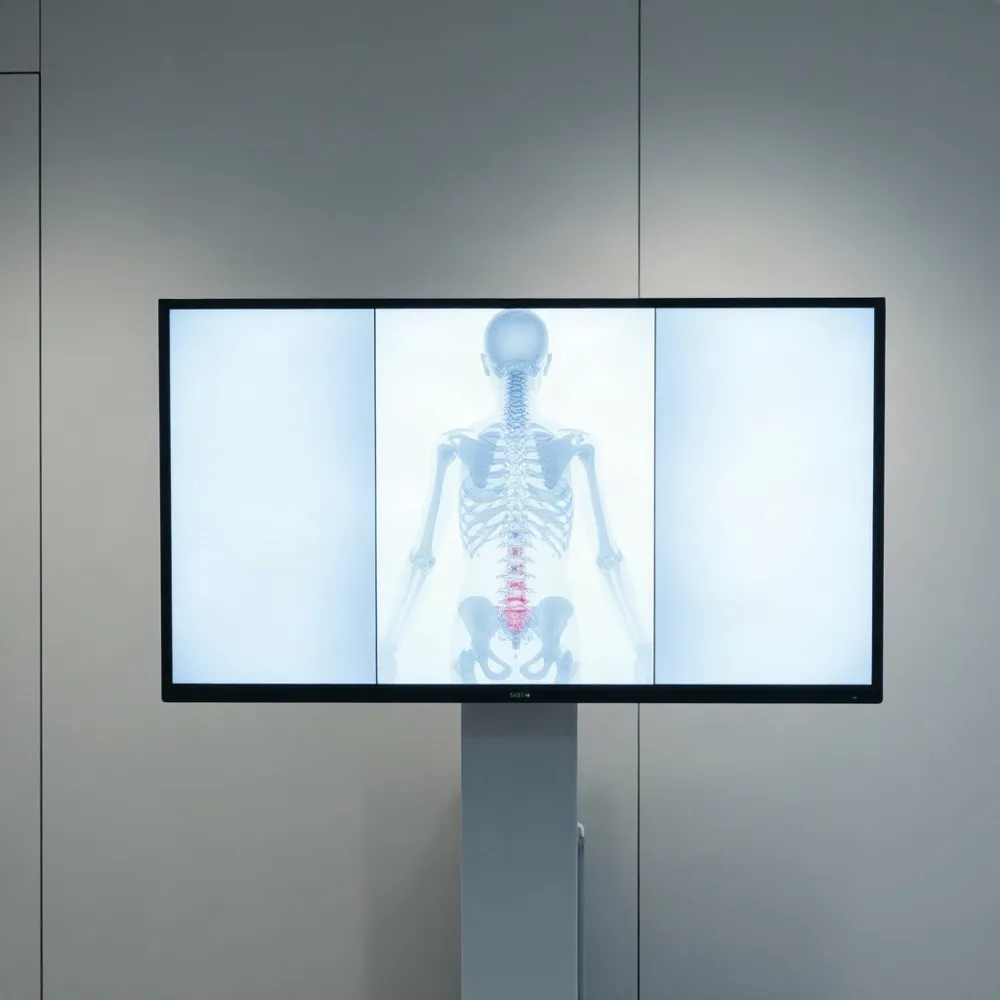 Cervical disc replacement is surgery, and its risks vary with a person’s health, anatomy, procedure, and other clinical circumstances. Understanding possible complications can help patients ask focused questions and compare replacement with alternatives such as fusion. The review of complications and complication avoidance in cervical disc replacement describes risks related to both the front-of-neck surgical approach and the artificial disc itself.
Because the surgeon works through the front of the neck, temporary difficulty swallowing, throat discomfort, or hoarseness may occur. Swallowing problems can be common immediately after surgery and often improve, but their duration varies. Other possible complications include bleeding, infection, injury to a blood vessel or nerve, and a tear in the membrane surrounding the spinal cord. Spinal-cord injury, major weakness, and paralysis are serious potential risks, but no general estimate can predict an individual outcome.
Problems involving the implant can also arise. It may shift from its intended position, settle into the bone, wear down, or fail. Bone can form around the disc and restrict movement, while changes in spinal alignment or persistent pressure on a nerve may contribute to ongoing symptoms. Depending on the problem, another procedure may be needed.
Bone health and spinal anatomy matter when deciding whether replacement is suitable. Osteoporosis and certain other bone or spinal conditions may make a person a poor candidate or increase risks. At osistl.com, care for neck and spine conditions starts with a clinical evaluation, with minimally invasive surgery considered when appropriate. A surgeon can assess how a patient’s imaging, symptoms, and health affect the choice between disc replacement, fusion, and nonsurgical care.
Patients can ask the spine specialist which complications are most relevant to their case, how the surgeon weighs replacement against fusion, and what experience the surgeon has with both procedures. The Cleveland Clinic’s overview of cervical artificial disk replacement also outlines factors that may affect candidacy. Individual risks and alternatives should be discussed with the treating surgeon, not inferred from general information.
For more on recognizing possible problems after surgery, see risks and complications to discuss before cervical disc replacement.
The First Days After Surgery
After cervical disc replacement, the care team monitors you as you wake from anesthesia and checks your comfort and recovery. Before discharge, staff review your medication plan, incision care, activity limits, and arrangements for getting home. Some patients leave the same day, while others stay overnight, depending on their needs and the surgeon’s plan. Cleveland Clinic’s overview of cervical artificial disk replacement describes postoperative monitoring and the possibility of an overnight stay.
Soreness, neck stiffness, tiredness, or temporary discomfort with swallowing may occur early on. Symptoms do not always improve in a straight line: you may feel better one day and more tired or sore the next. Tell your care team about symptoms that concern you, and use medication only as directed.
Short, gentle walks are commonly encouraged as tolerated, but avoid lifting, strenuous activity, and movements your surgeon has restricted. The team at osistl.com takes a patient-first approach, beginning with conservative care when appropriate and tailoring treatment recommendations to each person’s condition.
Follow your discharge instructions for keeping the incision clean and caring for its dressing. Avoid soaking or submerging the incision until your surgical team confirms it is safe. Collar instructions also vary: some patients may be told to wear one, while others may not need one, so follow your surgeon’s specific guidance.
A Gradual Recovery Timeline
 Recovery after cervical disc replacement is gradual, and the pace differs from person to person. Some patients notice changes in neck or arm symptoms during the first few weeks, but improvement may continue over several months. The Cleveland Clinic’s recovery guidance describes general milestones, not a personal prediction.
The first one to two weeks are often focused on healing, managing symptoms, and protecting the incision. An early appointment lets the surgeon assess the wound and recovery and discuss what comes next. At the Orthopedic Spine Institute of St. Louis, care is tailored to each patient’s condition, and follow-up with Dr. David S. Raskas helps guide decisions about progressing activity.
Light daily activities may return before more demanding tasks. Some people with desk-based jobs resume work within a few weeks, while jobs involving lifting or strenuous physical effort may require a longer break. These are broad expectations, not clearance dates. Work plans should account for symptoms, job demands, and the surgeon’s assessment.
Physical therapy may be recommended to rebuild strength, flexibility, and function. Its start date and exercises depend on healing and the surgeon’s plan, so patients should not begin neck exercises or increase effort without guidance. At osistl.com, treatment begins conservatively when appropriate, with rehabilitation and surgical care considered in light of each patient’s needs.
Many people return to most regular activities within weeks, but rebuilding strength and flexibility can take about three to six months, and full recovery may take up to six months. Progress is not always steady from week to week. Keep follow-up appointments and use the surgeon’s guidance, rather than a calendar estimate, to decide when to increase activity.
Driving, Exercise, and Everyday Movement
Walking is generally encouraged soon after cervical disc replacement, but start with short, gentle walks and build gradually as your comfort and energy allow. Your care team can advise how much movement is appropriate during each stage of recovery. Cleveland Clinic’s guidance on cervical disk replacement notes that activity should return gradually and that recovery varies by patient.
Until your surgeon clears you, avoid heavy lifting, strenuous or high-impact exercise, contact sports, overhead weightlifting, and sudden or forceful neck movements. Do not start neck exercises or increase activity based on a general timeline alone. At osistl.com, treatment planning begins with an individual assessment, and postoperative instructions should reflect your healing and symptoms.
Driving is a safety decision, not simply a date on the calendar. Arrange transportation until your surgeon approves your return, and do not drive while taking medication that affects alertness or if you cannot turn your head enough to check traffic safely. Some patients may resume driving within a few weeks, but timing depends on recovery and medical guidance.
Rest when you need to, and choose a comfortable, supportive sleeping position rather than forcing your neck into a specific posture. Follow any personal instructions about a collar, sleep, or neck movement. Return to work and other daily activities also depends on your symptoms, the physical demands of your job, and your surgeon’s assessment.
When Symptoms Need Medical Attention
Some neck soreness and stiffness can occur as you recover from cervical disc replacement. The general direction should be toward improvement, even if progress is not perfectly steady. Cleveland Clinic advises contacting your healthcare provider about severe pain, fever, incision changes, or new numbness or weakness after cervical disk replacement.
Call your surgical team promptly if pain becomes severe, worsens, returns after easing, or persists, particularly if it spreads into an arm. New or increasing numbness, tingling, or weakness also needs assessment. Changes in balance or difficulty walking should be reported rather than watched at home.
Pay attention to the incision. Increasing redness, warmth, swelling, or drainage, as well as a fever, can signal a problem that needs medical advice. Worsening or persistent difficulty swallowing or eating should also be discussed with your care team. Severe difficulty breathing requires emergency help.
These warning signs do not prove that the artificial disc has failed. Several causes can produce similar symptoms, and an examination or imaging may be needed to identify what is happening. At Orthopedic Spine Institute of St. Louis, care begins with an individual assessment and a treatment plan shaped around the patient’s condition. Follow the operating surgeon’s instructions and contact the surgical team when a symptom concerns you. For related guidance on changes that merit a call during recovery, see monitoring progress and recognizing warning signs.
Long-Term Monitoring and Follow-Up
Many patients have lasting improvement after cervical disc replacement and return to everyday activities, but outcomes differ. Surgery cannot guarantee that pain will disappear, and ongoing or new symptoms deserve discussion with the treating team. At the Orthopedic Spine Institute of St. Louis, care begins with an individual evaluation and may include conservative treatment before surgery is considered.
The artificial disc is designed to preserve movement at the treated level. Research suggests cervical arthroplasty may reduce stress on nearby spinal levels compared with fusion, but it does not prevent adjacent-level degeneration or rule out future spine problems. Findings on later surgery vary across studies, so the possible long-term benefits should be weighed against each patient’s circumstances in discussion with a spine specialist. A review of long-term cervical arthroplasty outcomes describes sustained benefits while noting that results differ by device, study, and outcome.
Follow-up visits give the surgeon a chance to review symptoms, healing, neck movement, and how the implant is functioning. The clinician may use an examination and, when appropriate, imaging such as X-rays. The need for imaging and the visit schedule depend on the procedure and the patient’s progress. Even when you feel well, attend scheduled appointments: some implant-related changes may be found later, and monitoring can help guide care.
Tell your surgeon about new or worsening pain, numbness, tingling, weakness, or changes in function. Ask when you can resume particular activities, including work, exercise, and sports, rather than relying on a general timetable. At osistl.com, Dr. David S. Raskas provides patient-first spine care, beginning with conservative options and considering minimally invasive surgery when appropriate.
For background on what follow-up and longer-term recovery may involve, see cervical disc replacement recovery and quality of life.
Planning for Cost and Insurance
How much does cervical disc replacement cost, and what factors may affect insurance coverage? There is no single standard U.S. price. A broad estimate sometimes given is the mid-$20,000s to $50,000 or more, but that range is context, not a verified quote for any specific practice. For background on comparing procedure costs, see disc replacement and fusion costs.
The total may vary with the number of spinal levels treated and the complexity of the procedure. Other charges may include the artificial disc, surgeon and facility fees, anesthesia, a hospital stay, and related services. Ask which items are included in any estimate, since a procedure quote may not reflect every bill.
Coverage depends on the terms of a patient’s insurance plan. Before scheduling, check whether the insurer requires documentation of medical necessity, a particular diagnosis, or evidence that the recommended procedure is appropriate. Ask whether prior authorization is needed and whether both the surgeon and facility are in network.
An authorization or coverage decision does not necessarily mean every charge will be paid. Deductibles, copays, coinsurance, and excluded services can affect what a patient owes. Coverage rules may also differ between the surgeon, hospital, imaging, and anesthesia providers.
Contact the insurer and the surgeon’s billing team to request a written estimate that identifies expected covered charges and patient responsibility. The Orthopedic Spine Institute of St. Louis begins care conservatively and considers minimally invasive surgery when appropriate; its billing team can clarify practice-specific estimates and insurance questions without assuming a particular plan will cover treatment.
Make the Decision With Your Spine Specialist
Cervical disc replacement is an option for selected patients, not a universal solution for neck or arm symptoms. A spine specialist can weigh your symptoms, imaging, spinal anatomy, and overall health against the potential benefits and risks, and discuss alternatives such as continued nonsurgical care or fusion. Cervical disc replacement is intended to preserve motion, but individual results vary.
Before deciding, ask what implant materials are being considered and how your bone and joint health affect candidacy. Discuss your personal complication risks, the expected recovery, activity restrictions, and how follow-up will assess healing and implant function. Evidence reviews describe both the potential benefits and procedure-specific risks, while emphasizing patient selection and the limits of applying group findings to one person. A review of cervical disc replacement complications can help frame questions for your consultation.
At the Orthopedic Spine Institute of St. Louis, care begins with a review of your condition and conservative options, with minimally invasive surgery considered when appropriate. Bring your symptoms, prior treatment details, and imaging to a spine specialist, and ask your insurer and care team about expected costs and coverage. If you proceed, follow the operating surgeon’s individualized instructions before and after surgery, including guidance on medication, wound care, activity, and follow-up.