Introduction to Advanced Orthopedic Spine Care
Overview of Spine Conditions Treated
Orthopedic spine care covers a wide range of conditions affecting the back and neck, such as herniated discs, spinal stenosis, degenerative disc disease, scoliosis, and chronic pain. These conditions often lead to discomfort, restricted movement, and impact on daily life.
Emphasis on Patient-First Care
A patient-first approach is at the heart of advanced spine care. This means personalized treatment plans tailored to individual needs, aiming to reduce pain and restore active lifestyles. Providers listen carefully to patient concerns and prioritize minimally disruptive therapies.
Importance of Conservative and Minimally Invasive Treatment Options
Conservative options like physical therapy, medications, and injections are emphasized as first-line treatments to avoid surgery whenever possible. When surgery is necessary, minimally invasive techniques are preferred because they offer smaller incisions, less tissue damage, reduced pain, quicker recovery, and minimal hospital stays. These approaches help patients return to their lives faster and with fewer complications.
Comprehensive Treatment of Back, Neck, and Sciatica Pain at the Orthopedic Spine Institute of St. Louis
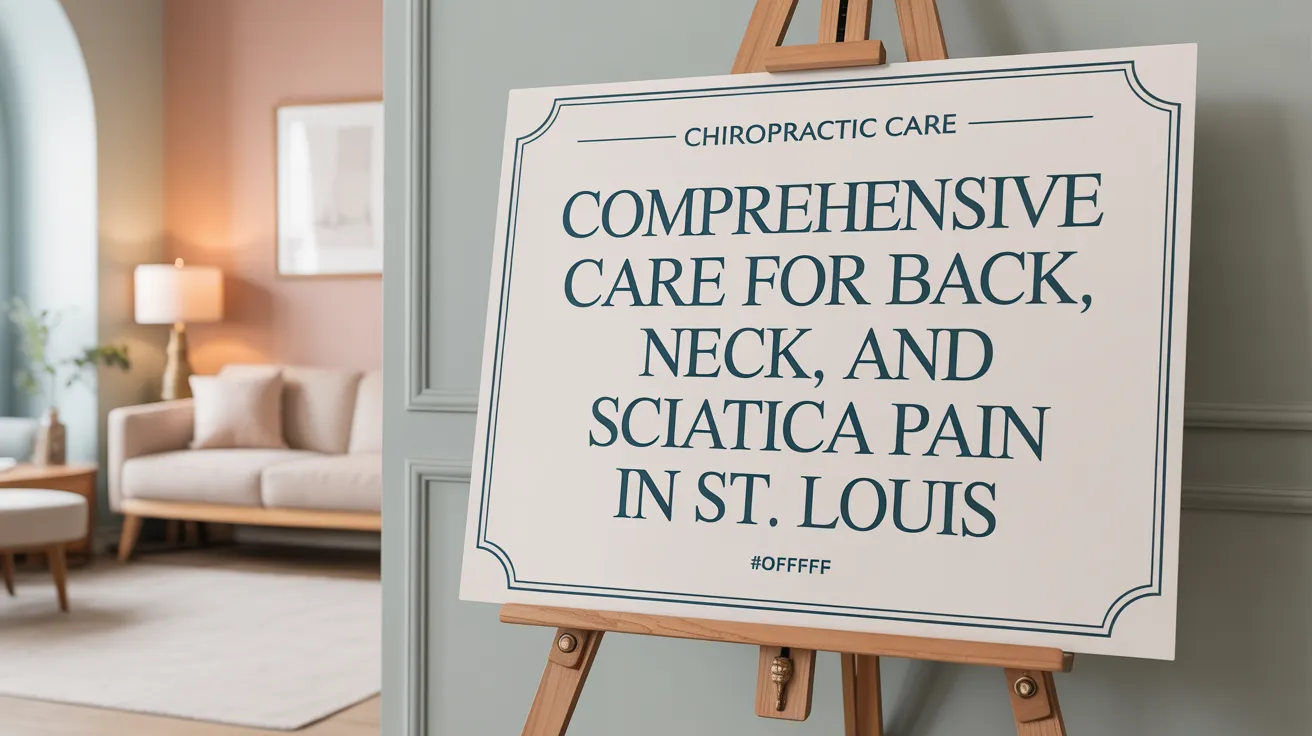
What types of back, neck, and sciatica pain does the Orthopedic Spine Institute of St. Louis treat?
The Orthopedic Spine Institute of St. Louis provides expert care for a broad spectrum of spine conditions. They treat herniated discs, spinal stenosis, degenerative disc disease, scoliosis, spondylolisthesis, and spinal fractures, addressing problems caused by aging, injury, or congenital factors.
Common symptoms addressed
Patients often experience pain, numbness, weakness, and tingling sensations that can radiate along affected nerves. Abnormal spinal curvatures such as those in scoliosis may also cause discomfort or mobility issues.
Conservative treatment approaches
The institute prioritizes non-surgical options as a first step. Treatments include tailored physical therapy programs, use of medications to manage pain and inflammation, and targeted injections like epidural steroid injections or nerve blocks. These therapies aim to reduce symptoms and improve function without surgery.
Minimally invasive surgical options
When conservative treatments are insufficient, Minimally invasive spine surgery are available. These include discectomy to remove problematic disc material, spinal fusion to stabilize unstable vertebrae, and laminectomy to relieve nerve compression. Such surgeries use smaller incisions, resulting in less tissue damage, faster recovery times, and often allow patients to return home sooner. The institute employs Advanced imaging technologies for spine diagnosis for precise, patient-specific care.
By combining comprehensive diagnostics with a stepwise approach to treatment, the Orthopedic Spine Institute of St. Louis works to restore mobility and reduce pain for its patients effectively.
Minimally Invasive Spine Surgery and Innovative Surgical Technologies
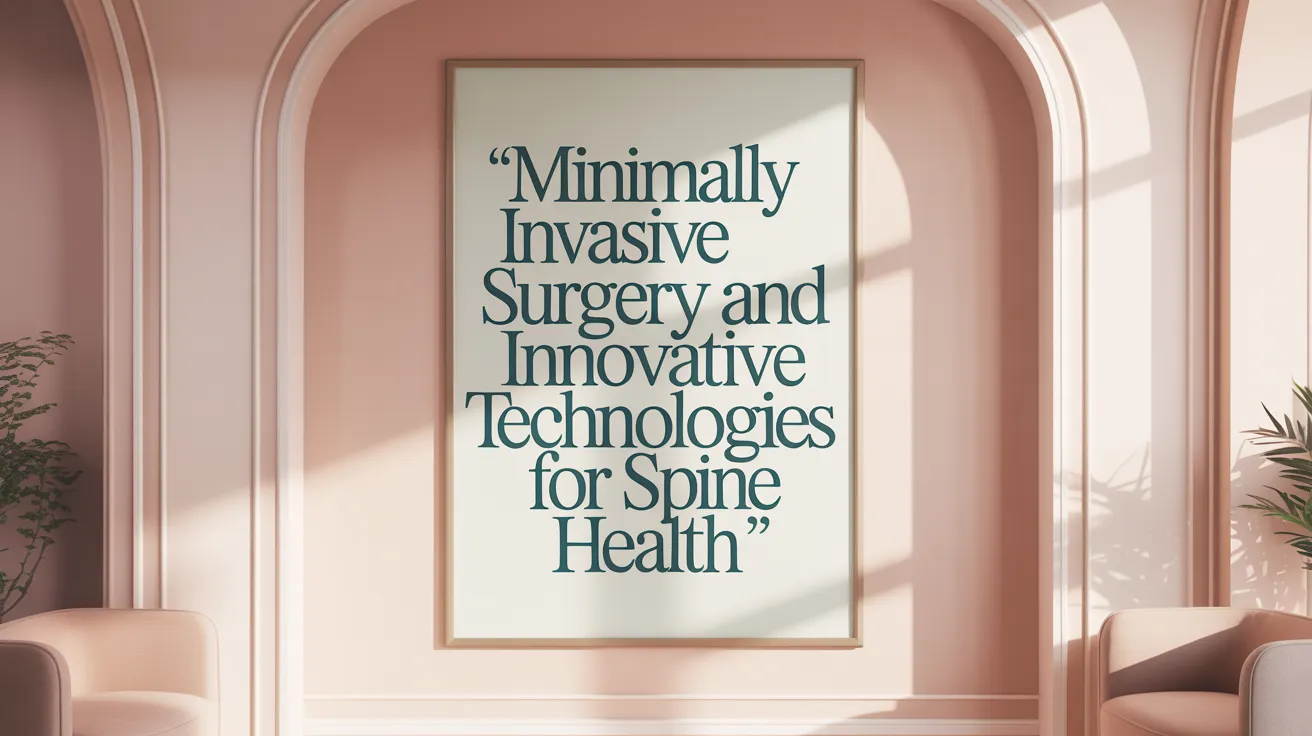
What treatment approaches does the Orthopedic Spine Institute of St. Louis use for spine-related pain?
At the Orthopedic Spine Institute of St. Louis, spine-related pain treatment starts with conservative methods like medication, physical therapy, and lifestyle changes to manage pain safely. When these are not enough, the institute offers minimally invasive spine surgery (MISS).
Benefits of Minimally Invasive Spine Surgery (MISS)
MISS uses small incisions to treat conditions such as herniated discs, spinal stenosis, scoliosis, and spinal fractures. Benefits include:
- Less muscle and tissue damage
- Reduced blood loss
- Smaller scars
- Less postoperative pain
- Shorter hospital stays
- Faster recovery and return to daily activities
Techniques Used in MISS
MISS often employs tubular retractors to gently create access tunnels through muscles without major cutting. Endoscopic methods in spine surgery use tiny cameras and tools inserted through small incisions, providing excellent visualization of the spine. These techniques help surgeons perform precise operations with minimal trauma.
Role of Robotic-Assisted and AI-Enhanced Surgeries
Robot-assisted spine surgeries and AI in spine healthcare are revolutionizing spine surgery. Robots help surgeons with accurate screw placement and precise tool guidance. AI analyzes imaging and patient data to personalize surgery planning and improve safety. Together, these technologies reduce complications and enhance outcomes.
Advanced Imaging and Navigation Technologies
High-resolution imaging such as EOS full body imaging, CT scans for spine conditions, and advanced MRI sequences provide detailed views of spine anatomy. Intraoperative navigation and real-time 3D imaging guide surgeons during MISS, increasing precision and reducing risks. Some centers also use augmented reality spinal surgery systems to overlay images directly onto the surgical field.
With these new and innovative treatment options for spine health, patients in St. Louis can access safer, more effective spine treatments that minimize pain and accelerate recovery.
Groundbreaking Pain Management and Rehabilitation Innovations

What Are Radiofrequency Nerve Ablation Techniques?
Radiofrequency nerve ablation is a minimally invasive procedure that uses heat generated by radio waves to target specific nerves responsible for chronic pain. Two notable types include genicular nerve radiofrequency ablation for knee pain and basivertebral nerve ablation (also known as the Intracept procedure) for vertebrogenic low-back pain. These treatments effectively block pain signals, providing relief that can last from six months to several years. They are especially valuable for patients who cannot or prefer not to undergo surgery.
How Have Spinal Cord Stimulation Methods Advanced?
Spinal cord stimulation therapy (SCS) delivers electrical pulses to the spinal cord to disrupt pain signals before they reach the brain. A recent breakthrough is High-Frequency Neuromodulation, a next-generation SCS technique that relieves chronic back pain without causing tingling sensations (paresthesia). This minimally invasive outpatient procedure allows customized stimulation settings and has led to improvements in patients’ activity levels and sleep quality, representing a significant step forward in pain management.
What Role Does Virtual Reality Play in Postoperative Rehabilitation?
Virtual reality (VR) therapy is emerging as a non-pharmacological tool to aid rehabilitation after spine surgery. VR programs immerse patients in calming virtual environments that help reduce pain perception and promote mental well-being. This innovative approach enhances recovery by improving patients’ strength and overall spine health while reducing reliance on medications, supporting a more holistic path to healing.
How Is Regenerative Medicine Transforming Spine Care?
Regenerative medicine—using treatments like Platelet-Rich Plasma (PRP) therapy and stem cell therapies—is increasingly applied in spine care to promote natural healing and tissue regeneration. These therapies offer promising alternatives or supplements to traditional surgical interventions by targeting the underlying causes of spine degeneration and enhancing recovery. Although still evolving, regenerative techniques present exciting future options for long-lasting spine health.
Together, these innovations in chronic pain management, High-Frequency Neuromodulation, Virtual reality in spine surgery recovery, and Regenerative medicine for spine care are revolutionizing pain management and recovery for spine patients, offering effective relief options with fewer risks and faster recoveries.
Leveraging Artificial Intelligence and Advanced Imaging for Personalized Spine Care
AI Integration in Diagnosis and Treatment Planning
Artificial intelligence (AI) is transforming AI in spine healthcare by enabling highly personalized patient care. By analyzing clinical signs, symptoms, and intricate imaging results, AI analysis of spine symptoms and imaging assist physicians in making more accurate diagnoses and crafting effective treatment plans tailored to individual needs. This integration helps reduce diagnostic uncertainty and improves outcomes for patients with complex spine conditions.
Use of EOS Full-Body Imaging, 3D Assessments, and Advanced MRI
Advanced imaging technologies for spine diagnosis such as EOS full body imaging, 3D spine assessments, and Advanced MRI sequences provide detailed visualization of spinal anatomy and pathology. EOS imaging captures weight-bearing full-body images with low radiation, enabling precise evaluation of spinal alignment and pelvic parameters. Combined with 3D reconstructions and sophisticated MRI sequences, these modalities allow earlier detection and nuanced understanding of spine disorders, improving treatment direction.
Robot-Assisted Surgeries Enhancing Precision and Outcomes
Robot-assisted spine surgeries leverage AI and robotic platforms in spine surgery to increase surgical safety and precision. These technologies provide enhanced visualization and instrument control, allowing surgeons to perform minimally invasive procedures with greater accuracy. Benefits include reduced tissue damage, improved implant placement, and potentially faster recovery times, all contributing to better patient outcomes.
Future Prospects in AI and Orthopedics
The future of spine care holds exciting prospects with ongoing advancements in AI in spine healthcare. These innovations promise smarter diagnostic tools, improved predictive models for surgical success, and real-time intraoperative guidance through augmented reality. The synergy of AI with emerging technologies like 3D printing and regenerative medicine is set to revolutionize personalized orthopedic care, offering more effective and less invasive treatments tailored to each patient's unique spine condition.
Accessing Care at the Orthopedic Spine Institute: Appointments and Insurance Details

How can patients book an appointment with Dr. David S. Raskas at the Orthopedic Spine Institute?
Patients seeking care from Dr. David S. Raskas can conveniently schedule appointments through the Orthopedic Spine Institute of St. Louis's official website. The site offers clear, secure forms allowing patients to book visits from home at any time. For those needing extra help, direct phone contact with the clinic staff is available to guide patients through the booking process and answer questions about conditions and treatments. The institute prioritizes a patient-first approach, ensuring appointments are coordinated promptly and tailored to individual needs, whether focusing on conservative therapies or minimally invasive spine surgery options.
What insurance options are accepted at the Orthopedic Spine Institute of St. Louis?
The Orthopedic Spine Institute accepts a broad range of insurance plans designed to ease financial concerns for patients. Information about specific accepted insurance providers—including major private insurances and government programs—is easily accessible on their website. Staff members are ready to help patients verify their insurance coverage and clarify any benefit-related questions before treatment starts. This proactive communication helps patients understand their financial responsibilities while maintaining focus on delivering personalized, seamless care.
How does the Orthopedic Spine Institute ensure a seamless care experience?
From scheduling through treatment, the institute integrates patient education and personalized assistance to create a smooth and supportive experience. Patients receive guidance about what to expect before and after visits, enabling them to prepare effectively and feel confident about their treatment decisions. Coordinated communication between patients and the healthcare team at every step promotes timely access to the latest minimally invasive spine surgery and advanced spine care available locally in St. Louis.
By combining accessible appointment scheduling, insurance support, and patient-centered communication, the Orthopedic Spine Institute of St. Louis strives to make expert spine care straightforward and stress-free for all patients.
Looking Ahead: The Future of Orthopedic Spine Care in St. Louis
Ongoing Research and Technological Trends
St. Louis is at the forefront of spine care innovation. Emerging technologies like artificial intelligence, robotic-assisted surgeries, and advanced imaging enhance diagnosis and treatment precision. Studies focus on personalized brain stimulation and regenerative medicine, driving new, effective therapies for chronic pain and complex spine disorders.
Emphasis on Personalized, Minimally Invasive Care
The future prioritizes minimally invasive approaches tailored to individual patients, reducing recovery times and surgical risks. Surgeons in the region employ cutting-edge techniques such as endoscopic surgery, nerve ablation, and outpatient procedures to maximize outcomes with less trauma.
Commitment to Improving Patient Quality of Life
Innovations aim not only to treat pain but also to restore function and promote active lifestyles. Rehabilitation integrates virtual reality and wearable technologies, supporting recovery and overall spine health. Local experts remain dedicated to combining science with compassionate care for lasting benefits.