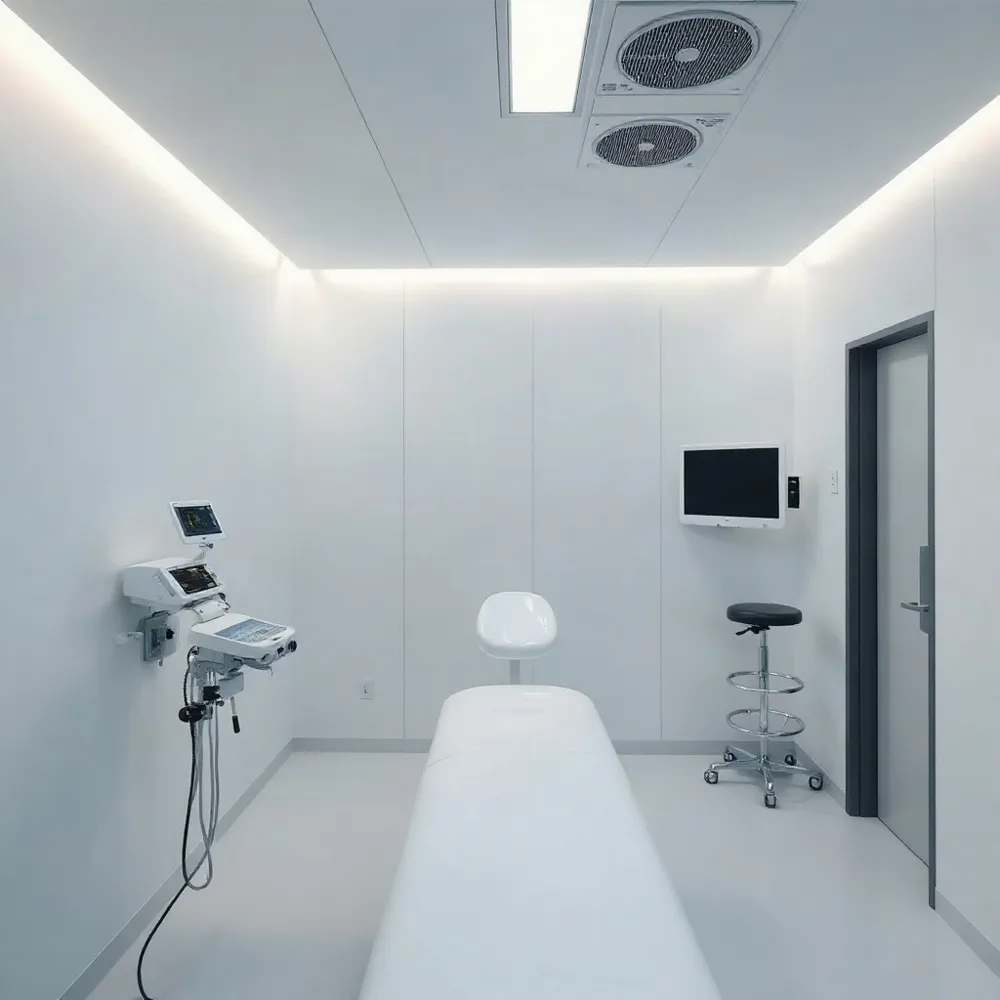
Start With the Source of Pain
Back or neck pain can come from muscles, joints, discs, or irritated nerves, so the same treatment will not suit everyone. Care may include guided exercise, medication, changes to daily activities, or an injection when appropriate. The first step is to understand the likely source of pain and how it affects movement, sleep, and everyday tasks.
For many people, a clinician-guided conservative plan is a reasonable place to begin. A review of conservative management for low back pain describes education, staying active, and therapeutic exercise as important parts of care. At the Orthopedic Spine Institute of St. Louis, treatment starts conservatively, with minimally invasive surgery considered when appropriate.
Persistent or worsening symptoms, severe pain, or new weakness, numbness, or bowel or bladder problems deserve prompt clinical assessment. An individualized evaluation can help clarify whether nonsurgical treatment is suitable or whether another approach is needed.
Why Back and Neck Pain Develop
 Pain along the spine or at the back of the neck can follow a muscle or ligament strain, repetitive activity, strenuous lifting, an injury, or prolonged poor posture. Weak supporting muscles and excess pressure on the spine may also contribute. Sometimes the cause is not immediately clear, which is one reason persistent or worsening symptoms deserve clinical assessment.
Age-related changes, including arthritis, narrowing of the spinal canal, or a bulging or herniated disk, can irritate or compress nearby nerves. Less commonly, pain may stem from a fracture, infection, or abnormal growth. Symptoms that travel into an arm or leg, or include numbness, tingling, or weakness, can suggest nerve involvement. Johns Hopkins Medicine describes several of these possible causes and advises prompt evaluation for new or worsening neurological symptoms.
Conservative treatment means nonsurgical care intended to ease pain and improve movement. Depending on the assessment, a plan may combine staying active, physical therapy, individualized home exercise, and adjustments to daily habits, with clinician-guided medication or injections when appropriate. The NIH review of conservative low-back-pain care emphasizes education, activity, and therapeutic exercise, while noting that treatment should reflect the person’s symptoms and health.
At Orthopedic Spine Institute of St. Louis, care starts conservatively, with minimally invasive surgery considered when appropriate. An evaluation with Dr. David S. Raskas can help connect symptoms and medical history to suitable options. Surgery may be discussed if nonsurgical care does not provide enough relief or if the clinical findings call for another approach.
Build a Practical Nonsurgical Plan
 Many episodes of back pain and some conditions, including herniated discs and spinal stenosis, can improve without surgery. The right approach depends on the diagnosis, symptoms, and response to prior treatment. At Orthopedic Spine Institute of St. Louis, care starts conservatively, with minimally invasive surgery considered when appropriate. Learn more about when nonsurgical care may be enough.
For lower-back pain, a plan may include staying active as tolerated, physical therapy, and exercises suited to your needs. Gentle movement is generally preferred to extended bed rest when no warning signs suggest a serious condition. Heat and adjustments to activities that aggravate symptoms may also help. A clinical review describes education, activity, and therapeutic exercise as central parts of conservative care for low-back pain (clinical review of conservative management).
Chronic back pain means pain lasting three months or longer. Treatment goals are often practical: reduce pain and make daily activities easier, rather than promise complete relief. A personalized exercise plan and changes to posture or everyday habits may support those goals. For persistent pain, a specialist can assess whether other nonsurgical options, such as a targeted injection, fit the diagnosis.
Medication should be chosen with a clinician, who can consider your health, other medicines, and possible risks. If symptoms continue despite nonsurgical care, surgery may be considered when examination and imaging point to a problem it can address. Surgery is not a guarantee of complete pain relief, so discuss expected benefits, risks, and alternatives with a spine specialist. New loss of bowel or bladder control, numbness around the groin, or rapidly worsening weakness calls for urgent medical evaluation.
Make Physical Therapy Work for You
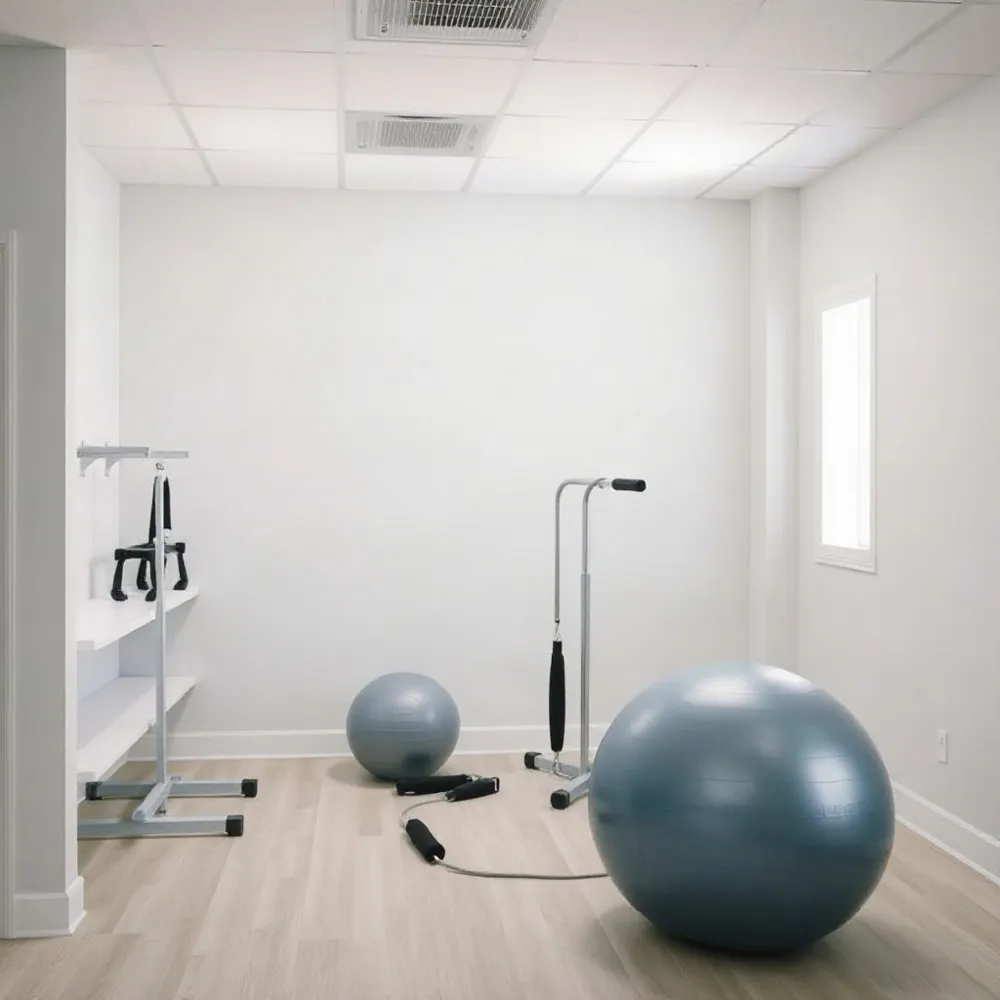 What should you expect from physical therapy for lower back pain? It usually begins with a conversation about your symptoms, health, and daily activities, followed by an assessment of movement, strength, and mobility. This kind of evaluation helps shape a plan around your needs rather than relying on a standard set of exercises. You can read more about what to expect during an initial spine evaluation.
A tailored program may work on flexibility, core and back strength, endurance, posture, and movements used in everyday tasks. The aim is to improve function and help you build toward exercising independently. A therapist may add hands-on care or heat and ice to support comfort, but active exercise is generally the part intended to build lasting strength and function. OHSU’s overview of physical therapy for spine conditions explains how programs can be adapted to a person’s condition and needs.
At Orthopedic Spine Institute of St. Louis, care starts conservatively, with minimally invasive surgery offered when appropriate. Tell your therapist what feels manageable and what worsens symptoms. Progress can take time, and exercises can be adjusted if they cause sharp or increasing pain. Avoid heavy lifting and repeated painful bending or twisting, especially while carrying a load. Prolonged bed rest can add stiffness, so gentle activity, such as a short walk, may be reasonable if comfortable. A clinical review supports staying active as tolerated rather than relying on complete rest for uncomplicated low back pain conservative management of low back pain. Seek medical advice if pain is severe, persistent, or travels into a leg, particularly with numbness or tingling; new bowel or bladder control problems or significant weakness need urgent attention.
Use Injections Selectively
At Orthopedic Spine Institute of St. Louis, care starts with an assessment of your symptoms and possible causes, with conservative options considered before more advanced treatment. A spinal injection may be discussed when other measures have not helped enough and the suspected pain source fits the procedure. The American Academy of Orthopaedic Surgeons’ guidance on spinal injections emphasizes that injections generally form part of a broader plan, often alongside exercise.
The type of injection depends on where pain may be coming from. An epidural steroid injection places anti-inflammatory medicine near irritated spinal nerves and may be considered for radiating pain, such as sciatica. Facet joint injections or medial branch blocks target or assess pain suspected to arise from the small joints at the back of the spine. A sacroiliac joint injection may help assess or relieve pain from the joint connecting the spine and pelvis.
Injections may ease symptoms or help clarify a diagnosis, but they do not repair the underlying structural problem and are not a guaranteed stand-alone treatment. Relief varies: some people notice little benefit, while others experience temporary improvement that may begin within days and last weeks or months. For lumbar epidural injections, the Cleveland Clinic’s patient guidance notes that the aim is pain relief, not a cure.
When pain is reduced, an injection may make it easier to take part in physical therapy and rehabilitation. A response to a diagnostic injection may also help inform later decisions, including whether another treatment should be considered. At osistl.com, injection options are considered in the context of a patient’s evaluation and overall care plan, rather than as a substitute for ongoing treatment.
Know What to Expect From an Epidural
A lumbar epidural steroid injection places anti-inflammatory medicine in the space around irritated nerves in the lower back. The clinician typically uses X-ray guidance to position the needle, and may use a local anesthetic to numb the skin. Learn more about how lumbar epidural steroid injections are performed.
You may notice brief pressure, stinging, or soreness during the procedure. Temporary leg heaviness or numbness can occur from the anesthetic and usually fades within a few hours. Afterward, mild tenderness at the injection site or a short-lived increase in pain is possible. The steroid may take several days to begin working, and the amount and duration of relief vary.
Many people take it easy for the rest of the day, then return to light activity as they feel able. Follow your clinician’s instructions about activity and medicines, and ask what to do if symptoms flare. At Orthopedic Spine Institute of St. Louis, epidural injections are considered as part of a patient’s broader care plan, rather than as a stand-alone fix.
Side effects can include temporary facial flushing, headache, dizziness, sleep or mood changes, and a short-term rise in blood sugar or blood pressure. Less common complications include infection, bleeding, an allergic reaction, or a dural puncture that may cause a severe positional headache. Nerve injury and other serious complications are rare, but individual risks depend on health and procedure details.
Seek prompt medical assessment for a fever, severe headache, new or worsening weakness or numbness, or new bowel or bladder problems after an injection. These symptoms need timely attention, not watchful waiting. Discuss any concerns with your clinician, including how your health conditions or medicines may affect the procedure.
Tailor Care for Lumbar Spinal Stenosis
Lumbar spinal stenosis narrows the spaces around nerves in the lower back, but an imaging finding alone does not determine whether treatment is needed. A clinician considers symptoms, walking and daily function, overall health, examination findings, and imaging together. At Orthopedic Spine Institute of St. Louis, care starts conservatively when appropriate, with minimally invasive surgery considered when a patient’s condition warrants it.
For mild symptoms, monitoring and practical activity adjustments may be enough at first. Physical therapy can work on strength, flexibility, balance, and walking tolerance; a therapist may also suggest ways to modify daily tasks or use support when needed. The clinical review of conservative low back pain care describes individualized exercise and activity as central parts of nonsurgical management.
Medication may help manage pain when a clinician considers it suitable for the patient’s health and other medicines. In selected cases, an injection may offer temporary relief and make movement or rehabilitation easier, but it does not correct the narrowing itself. The Cleveland Clinic’s overview of lumbar epidural steroid injections explains that response varies and that injections are used to manage symptoms.
Persistent or worsening pain, numbness, weakness, or difficulty walking deserves review by a spine specialist. New loss of bowel or bladder control, numbness around the groin, or rapidly worsening weakness calls for urgent medical care. An assessment can help clarify whether to continue conservative care or discuss other options, including surgery.
Check Coverage Before Starting Therapy
Does insurance typically cover physical therapy for back pain? Many health plans cover therapy when it is medically necessary, but benefits and patient costs vary. A plan may require a referral, prior authorization, or an in-network therapist, and may set limits on covered visits.
Before scheduling, ask your insurer whether your plan requires documentation or approval and what your deductible, copayment, and coinsurance will be. Confirm network status and visit limits with both the insurer and the therapy provider, then ask the provider to estimate your out-of-pocket cost. The Orthopedic Spine Institute of St. Louis starts care conservatively and can help patients consider treatment options suited to their condition; its physical therapy coverage and cost guidance offers related questions to raise before therapy begins.
Choose the Next Step With Guidance
There is no single treatment path for every back or neck problem. Care may begin with staying active and guided exercise, then add other nonsurgical options based on symptoms, examination findings, and response. A clinical review of low back pain supports education, activity, and individualized exercise as parts of conservative care (clinical review).
If pain persists or limits daily activities, an evaluation at osistl.com can help connect your symptoms and treatment history with appropriate next steps. The practice begins with conservative care and offers minimally invasive surgery when appropriate, so you can discuss your goals and options with a spine specialist.
Seek urgent medical care for new loss of bowel or bladder control, numbness around the groin, or rapidly worsening weakness. These symptoms need prompt assessment, not a routine appointment.