
Understanding Your Back Pain Treatment Options
Facet joint injections are a minimally invasive treatment for back and neck pain that originates in the small joints between your vertebrae. These joints, called facet joints, help your spine move and flex, but they can become inflamed from arthritis, injury, or wear and tear, leading to localized pain and stiffness.
During the procedure, a spine specialist uses imaging guidance to place a needle directly into the affected facet joint and delivers a combination of a local anesthetic and a corticosteroid. The anesthetic provides immediate pain relief, while the steroid reduces inflammation over the following days. The entire process typically takes less than 30 minutes and can be done in an outpatient setting.
How Facet Injections Differ From Epidural Injections
The main difference lies in the target. Epidural injections deliver medication into the epidural space, which surrounds the spinal nerves, making them ideal for nerve-related pain like sciatica or radiculopathy. Facet injections, by contrast, go directly into the facet joints themselves, addressing joint inflammation and arthritis-related pain. One helpful comparison explains that while facet injections target the joint structure, epidural injections focus on nerve inflammation.
This distinction matters for treatment planning. If your pain is sharp and radiates down a leg, an epidural may be the right choice. If the pain is centralized and worsens with twisting or bending, a facet injection could provide better relief. Many patients need imaging or a diagnostic block to determine the exact source before committing to a specific injection.
For those weighing options, the team at OSI starts with a thorough evaluation to pinpoint whether your pain comes from the facet joints or the nerves. This diagnostic approach helps you avoid unnecessary procedures and ensures you get the injection most likely to help.
What to Expect During the Procedure
You’ll lie on your stomach, and the doctor will clean the area and use fluoroscopy (live X-ray) to guide the needle. You may feel brief pressure, but most patients tolerate the procedure well. Afterward, you might experience soreness at the injection site for a day or two, but many people notice relief within hours.
While facet injections are generally safe, some risks include infection, bleeding, or temporary increased pain. Serious complications are rare when performed by an experienced specialist. The relief can last from several weeks to months, and repeat injections may be needed depending on your condition. Learn more about the differences between facet and epidural injections to make an informed choice.
What Are Facet Joint Injections?
Epidural injections target the space around the spinal nerves, delivering steroid medication directly to reduce nerve-root inflammation. This approach is often chosen when pain radiates down an arm or leg, a classic sign of nerve irritation. In contrast, facet injections aim at the small joints between vertebrae, addressing localized joint inflammation that typically causes aching pain in the back or neck.
The choice between these injections depends on where your pain originates. Epidural injections focus on calming irritated nerves, while facet injections treat the joints themselves. A careful evaluation is essential to determine whether your symptoms stem from nerve compression or joint dysfunction, as treating the wrong target often leads to disappointing results.
Key Differences in Mechanism and Target
Understanding the anatomical distinction helps clarify why one injection may work where the other does not. Epidurals place medication in the epidural space, immediately around the nerve roots, which is ideal for radiating pain caused by a herniated disc or spinal stenosis. Facet injections, on the other hand, introduce medication directly into or around the facet joints, which are small stabilizing joints at the back of each spinal segment.
Epidural Injection. Targets nerve-root inflammation in the epidural space, best for radiating pain down the arms or legs.
Facet Injection. Targets inflammation in the facet joints themselves, best for localized aching pain in the neck or lower back.
Procedure Approach. Epidurals often use fluoroscopic guidance for precision; facet injections involve placing medication near the joint capsule, sometimes with a contrast dye to confirm placement.
Both procedures are considered minimally invasive and are typically performed in an outpatient setting. Recovery is usually brief, allowing most patients to return to normal activities within a day or two. However, the decision of which injection to pursue should rest on a thorough diagnosis, not just symptom severity.
When Each Injection Is Typically Recommended
- Choose an epidural when pain radiates along a nerve path, such as shooting pain into the leg or arm, often linked to a herniated disc or spinal stenosis.
- Choose a facet injection when pain is localized to the low back or neck, worsens with twisting or extending, and results from arthritis or joint inflammation.
Your physician will review imaging and perform a physical examination to identify the exact pain generator. In some cases, a diagnostic facet block is used to confirm the source before committing to a longer-term treatment plan. This step helps avoid unnecessary procedures and ensures the injection matches the underlying cause.
What Are Epidural Steroid Injections?
Epidural and facet injections are two of the most common image-guided procedures used to treat back pain. Each targets a different source of discomfort: epidural injections deliver steroid medication into the epidural space to calm nerve root inflammation, while facet injections aim at the small joints between vertebrae to reduce local joint irritation. Choosing between them depends on whether your pain originates from nerve compression or from the joints themselves.
For many patients, the distinction is not obvious. A detailed comparison of epidural and facet injections explains that epidural injections focus on radiating nerve pain, often linked to conditions like herniated discs or spinal stenosis. Facet injections, by contrast, address more localized aching over the spine, frequently worsened by twisting or extending the back.
Epidural Injections: Targeting Nerve Root Inflammation
An epidural steroid injection places a corticosteroid near the spinal nerves to reduce swelling and irritation. This approach is particularly helpful for pain that travels down an arm or leg, such as sciatica. The procedure is typically performed under fluoroscopy so the medication reaches the exact area of inflammation.
Epidurals are often recommended when imaging shows a herniated disc, spinal stenosis, or other structural cause of nerve compression. The goal is temporary relief that allows patients to progress with physical therapy and other conservative care.
Facet Injections: Addressing Joint Inflammation
Facet injections target the small joints that connect the vertebrae. These joints can become inflamed from arthritis or repeated stress, producing pain that feels like a dull ache near the spine, often on one side. Injecting anesthetic and steroid directly into the joint can break the cycle of inflammation and provide lasting relief.
According to a comparison of facet injections and epidurals, facet injections are best suited for pain that is not radiating but stays localized. They are also used diagnostically, helping confirm whether the facet joints are the true source of the pain.
Comparing the Two Approaches at a Glance
| Factor | Epidural Injection | Facet Injection |
|---|---|---|
| Target | Epidural space around spinal nerves | Facet joints between vertebrae |
| Pain type | Radiating nerve pain (sciatica) | Localized joint ache |
| Common causes | Herniated disc, spinal stenosis | Arthritis, joint strain |
| Diagnostic value | Limited | Helps confirm joint source |
| Typical response | Reduces nerve inflammation | Reduces joint inflammation |
Which Option Might Be Right for You?
The choice between epidural and facet injections is not one-size-fits-all. It hinges on the pattern of your pain, your imaging results, and how your symptoms respond to conservative treatment. A careful clinical evaluation is essential before proceeding with either option.
At Orthopedic Spine Institute of St. Louis, our team begins with a thorough assessment to pinpoint the source of your discomfort. We explain the differences between these procedures, their goals, and what to expect, so you can make an informed decision. If you are unsure whether an epidural or facet injection is right for your spine pain, we can help clarify your options.
Key Similarities Between the Two Injections
Epidural injections and facet injections both deliver a steroid to calm inflammation, but they aim at entirely different structures. Choosing the wrong one means placing medication where it cannot reach the source of your pain, which often leads to disappointing relief and wasted time. Understanding how each works helps you ask the right questions before your procedure.
Epidural Injections for Nerve Pain
An epidural injection places steroid medication into the epidural space, the area surrounding the spinal nerve roots. This approach reduces inflammation directly on the nerves, making it a common choice for radiating leg pain, sciatica, and pain that travels down an arm. If your symptoms follow a nerve pathway rather than staying in one spot, an epidural may address the root cause more effectively.
Facet Injections for Joint Pain
A facet injection instead targets the small joints between vertebrae, called facet joints. These joints guide movement and can become inflamed from arthritis or repetitive strain, producing localized back or neck pain that worsens with certain postures or twisting. When the pain sits over the joint rather than radiating along a nerve, a facet injection places the steroid exactly where the inflammation lives, as outlined in this facet vs. epidural comparison.
Why the Distinction Matters
Mixing up these two procedures is more than a terminology problem. An epidural does little for arthritis pain centered in a facet joint, and a facet injection cannot calm nerve-root inflammation that is causing shooting pain down your leg. Selecting the right target depends on a careful exam and imaging, not guesswork.
At the Orthopedic Spine Institute of St. Louis, physicians begin with a conservative approach and use diagnostic imaging to pinpoint whether your pain traces to a nerve or a joint. That evaluation guides the choice between an epidural and a facet injection, so the medication lands where it can help. If you are unsure which option applies to your spine pain, this guide to epidural vs. facet injections offers a useful starting point.
Epidural injection. Targets the epidural space around nerve roots; best for radiating nerve pain like sciatica.
Facet injection. Targets the facet joints themselves; best for localized joint pain from arthritis or strain.
Choosing correctly. Requires a physical exam and imaging to identify whether pain originates from a nerve or a joint.
Difference in Target Areas and Conditions
 When you’re weighing an epidural against a facet injection, the most useful question is not which one is “stronger.” It’s which structure is driving your pain. An epidural injection delivers corticosteroid into the epidural space, where it settles around the nerve roots to reduce inflammation that radiates outward, often into a leg or arm. A facet injection targets the small joints between the vertebrae themselves, addressing arthritis-related joint inflammation that tends to stay localized in the back or neck.
That distinction shapes almost everything else, from which imaging is used to guide the needle to how long the relief lasts. Facet injections focus on joint structure, while epidurals focus on nerve-related pathways. The overlap in target areas and conditions is a common source of confusion, which is why the clinical goals matter more than the injection's name.
How the Targets Differ in Practice
Epidural target areas. The epidural space sits between the spinal cord’s protective covering and the vertebrae, near the affected nerves. Injections here bathe the nerve roots in anti-inflammatory medication, directly addressing radiating pain such as sciatica.
Facet target areas. Facet joints are paired structures at each vertebral level that guide spinal movement. Inflammation or arthritis in these joints causes a dull, localized ache that worsens with extension or rotation, and facet injections deliver medication right into the joint capsule.
Typical conditions. Epidurals suit nerve compression from herniated discs or spinal stenosis. Facet injections suit arthritis, whiplash-related sprains, or degeneration of the joint itself. The conditions may overlap, but the source of pain differs.
When you understand the difference between facet injections and epidurals, you move past the general label “spine injection” and toward a precise plan. That plan matters because relief depends on matching the target to the pain generator — something an orthopedic specialist evaluates before recommending either option.
Epidural Steroid Injection vs. Steroid Injection
Epidural injections and facet injections are both image-guided spine procedures, but they target different structures and treat different pain sources. An epidural steroid injection places medication into the epidural space around the spinal nerves to reduce nerve-root inflammation, while a facet injection targets the small joints between vertebrae to address localized joint pain. Choosing between them depends on where your pain originates and what is driving it.
The distinction matters because the wrong injection may provide little relief. Epidurals are best suited for radiating nerve pain that travels down an arm or leg, often linked to conditions like a herniated disc or spinal stenosis. Facet injections are more appropriate for pain that stays close to the spine, particularly in the lower back or neck, and worsens with certain movements or prolonged positions. Your physician will use your symptoms, physical exam, and imaging to identify which structure is the source before recommending a procedure.
Anatomical Targets and Clinical Differences
Epidural injections focus on the epidural space, a cushion of fat and blood vessels that surrounds the spinal cord and nerve roots. When a disc or bone spur irritates a nerve, inflammation in this space produces radiating pain. An epidural delivers a steroid directly to that inflamed area to quiet the nerve. Facet injections, in contrast, target the facet joints themselves, which are paired joints on the back of each vertebra that guide spine movement. When these joints become arthritic or inflamed, the result is localized stiffness and tenderness rather than nerve radiation.
Epidural injections. Best for radiating nerve pain, such as sciatica or pain that shoots down the arm. They address inflammation around the spinal nerves and are commonly used for herniated discs, spinal stenosis, and nerve compression.
Facet injections. Best for localized, axial pain that stays near the spine, often felt in the low back or neck. They target joint inflammation and are typically used for facet arthritis or pain aggravated by bending, twisting, or prolonged standing.
Many patients wonder whether the two are interchangeable. Research comparing facet joint injections to epidural steroid injections shows they are distinct tools, and the right choice depends on the anatomical source of pain rather than preference. A clear way to think about it: epidurals calm the nerves, while facet injections ease the joints.
Procedure Details and Recovery
Both procedures are performed under fluoroscopic guidance, meaning X-ray imaging helps the physician place the needle precisely. They are minimally invasive, outpatient procedures that take about 15 to 30 minutes. Patients typically receive a local anesthetic, and some may opt for light sedation. After the injection, you may feel numbness or temporary relief from the anesthetic, which can last a few hours. The steroid itself may take several days to reach its full effect.
| Aspect | Epidural Injection | Facet Injection |
|---|---|---|
| Target | Epidural space around spinal nerves | Facet joints between vertebrae |
| Pain type | Radiating nerve pain (sciatica, arm pain) | Localized joint pain in back or neck |
| Common causes | Herniated disc, spinal stenosis | Facet arthritis, joint inflammation |
| Recovery | Minimal downtime; rest for 24 hours | Minimal downtime; rest for 24 hours |
| Effect onset | Several days for full steroid effect | Several days for full steroid effect |
Because both are steroid injections, some people use the terms loosely. But a steroid injection is a broad category that includes both epidural and facet procedures. Clarifying that distinction helps you understand what your physician is recommending and why. If you are weighing your options, this comparison of epidural and facet injections can help you prepare for that conversation.
At the Orthopedic Spine Institute of St. Louis, we start conservatively and use minimally invasive procedures when they are appropriate for your specific pain pattern. If you are unsure whether an epidural or facet injection fits your situation, a consultation with Dr. David S. Raskas can clarify the source of your pain and the most effective next step.
Which Injection is Right for Your Pain?
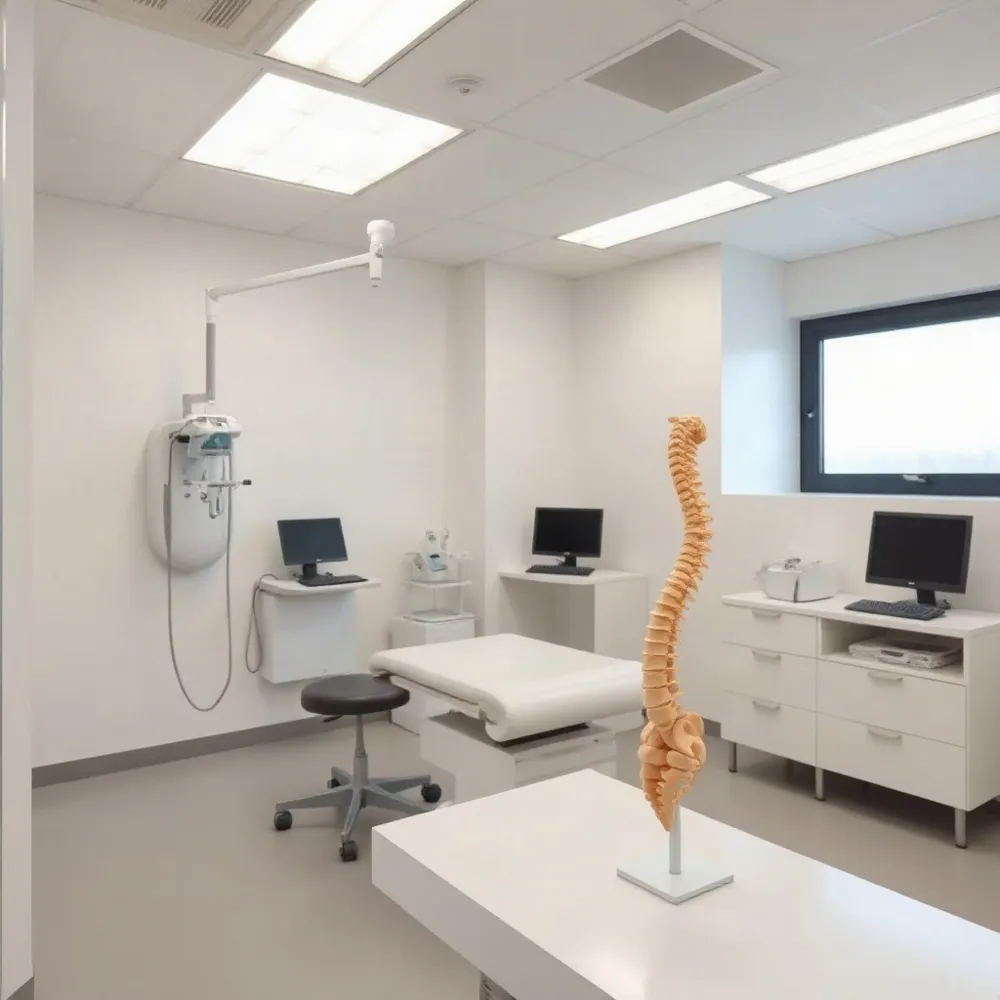 Facet injections and epidural injections both deliver medication near the spine, but they treat different sources of pain. Epidural injections target inflammation around the spinal nerves, which typically sends pain shooting down the arms or legs. Facet injections aim directly at the small joints between vertebrae, addressing localized back or neck discomfort that often worsens with twisting, bending backward, or prolonged standing.
When your pain follows a radiating pattern down an extremity, epidural injections tend to provide more effective relief. If the discomfort stays close to the spine and feels like deep joint soreness, facet injections usually offer a better match. Knowing which type targets your specific pain is the first step toward a treatment plan that actually works.
Types of Facet Injections
Intra-articular. Medication is placed directly into the facet joint space, delivering relief right at the inflamed joint surfaces.
Medial branch block. The injection targets the small nerves that carry pain signals from the facet joint, temporarily numbing those signals so your doctor can confirm the joint is the true pain source.
Your physician may use a diagnostic facet injection first to confirm whether the facet joint is responsible for your pain. If it is, a longer-lasting steroid can then provide more sustained relief. Complete Care explains the differences between medial branch blocks and epidural steroid injections, noting that facet blocks specifically target the joint structure rather than the nerve roots.
| Aspect | Epidural Injection | Facet Injection |
|---|---|---|
| Primary target | Spinal nerves / epidural space | Facet joints between vertebrae |
| Pain pattern | Radiating pain down arms or legs | Localized joint pain, worsens with twisting or bending |
| Injection approach | Needle guided toward nerve roots | Needle guided into or near the facet joint |
Frequently Asked Questions
 When conservative care and physical therapy do not fully relieve your spine pain, injection-based treatments are often the next step. Each type targets a different source of pain, so choosing the right one depends on where your discomfort originates. The main options are epidural injections, facet joint injections, and medial branch blocks.
Epidural injections deliver steroid medication into the epidural space to reduce inflammation around irritated nerve roots. Facet injections target the small joints between vertebrae to ease arthritis-related joint pain. Medial branch blocks are a diagnostic tool that temporarily numbs the nerves sending pain signals from the facet joints, confirming the joint as the pain source before a longer-lasting treatment like radiofrequency ablation.
Facet Injections vs. Epidural Injections
The distinction is straightforward: epidural injections focus on nerve-related pain, while facet injections address joint inflammation. If your pain worsens with twisting or leaning backward, a facet joint injection may be the better fit. If pain radiates down your leg or follows a nerve pathway, an epidural is often more appropriate. For a deeper comparison, see this guide on epidural vs. facet injections from the Orthopedic Spine Institute.
Now, what about the choice between a facet injection and a medial branch block? The facet injection delivers medication directly into the joint. The medial branch block, in contrast, numbs the tiny nerves that transmit pain from that joint. Many patients wonder which approach suits them, and the answer often depends on whether you need therapeutic relief or a diagnostic test. Learn more about the difference between facet injections and medial branch blocks at the Orthopedic Spine Institute.
| Injection type | Target | Primary purpose |
|---|---|---|
| Epidural | Epidural space around nerve roots | Reduce nerve-root inflammation |
| Facet joint | Facet joints between vertebrae | Relieve joint-related arthritis pain |
| Medial branch block | Nerves feeding the facet joints | Diagnose facet joint pain source |
Talk to Your Spine Specialist Today
Facet joint injections are a common, minimally invasive treatment for back and neck pain that originates from the small joints between your vertebrae. These joints, called facet joints, guide spine movement and can become inflamed from arthritis, injury, or wear and tear. When they swell, the pain can feel like a dull ache in the lower back, neck, or even radiate into the buttocks and legs.
During the procedure, a physician uses imaging guidance, typically X-ray or fluoroscopy, to place a needle precisely into the affected joint. A small amount of contrast dye may be injected first to confirm the correct location. Then, a combination of a local anesthetic and a corticosteroid is delivered directly into the joint space. The anesthetic offers immediate, temporary relief, while the steroid works over a few days to reduce inflammation and deliver longer-lasting pain control.
How Facet Injections Compare to Epidural Injections
The main difference between facet injections and epidural injections comes down to the target. Epidural injections place medication into the epidural space around the spinal nerves, aiming to soothe nerve-root inflammation that often causes radiating pain like sciatica. Facet injections, on the other hand, focus precisely on the joint structure itself. As one comparison explains, epidural injections target nerve pain while facet injections address joint pain.
Because the targets differ, the conditions they treat differ too. Facet injections are best for localized arthritis-related pain in the joints, while epidurals are chosen for nerve-related symptoms such as shooting pain, numbness, or tingling. An in-depth guide from Illinois Pain highlights that facet injections target joint inflammation, easing localized arthritis pain, whereas epidural injections focus on reducing nerve root inflammation.
Which Approach Is Right for You?
Your doctor will determine the appropriate treatment based on a physical exam, imaging, and your specific symptoms. If your pain worsens with certain movements like twisting or bending backward and is localized over the spine, a facet injection is often the right choice. If you experience radiating pain following a nerve pathway, an epidural may be more effective.
At the Orthopedic Spine Institute of St. Louis, we prioritize a patient-first approach, starting with conservative care and offering minimally invasive procedures like facet injections when appropriate. Our team evaluates each case thoroughly to ensure the treatment targets the true source of your pain, whether that means a facet injection, an epidural, or another solution entirely. To learn more about how we approach spine care and to schedule a consultation, visit our facet vs. epidural comparison.