
Understanding Your Path to Relief
Effective relief for cervical pain begins with an accurate diagnosis. Because the neck contains a complex structure of more than 20 muscles, eight nerves, and seven bones according to HSS, pinpointing the source of discomfort is the cornerstone of any successful recovery plan. While primary care physicians often serve as your first point of contact, a dedicated spine specialist provides the specialized insight needed to distinguish between simple muscle strain and structural issues like herniated discs or spinal stenosis.
At Orthopedic Spine Institute of St. Louis, we prioritize a patient-first approach. By beginning with a comprehensive, personalized evaluation, we ensure your treatment is tailored to your unique anatomy rather than relying on generalized protocols. Our first office visit process involves a detailed review of your symptoms and history, enabling us to set realistic long-term health goals for your functional improvement.
Managing neck pain is rarely an overnight process. It requires consistent follow-up and a clear understanding of your diagnosis. By focusing on conservative treatments initially, we help you avoid unnecessary procedures, though we remain ready to offer minimally invasive surgical options if evidence-based clinical indicators demonstrate they are necessary for your recovery.
Preparing for Your Clinical Evaluation
 Your first trip to a specialist is arguably the most important appointment in your recovery journey, as it sets the foundation for your accurate diagnosis and treatment path. To prepare for your visit at the Orthopedic Spine Institute of St. Louis, gather your comprehensive medical history and a complete list of current medications, supplements, and previous spine-related treatments like physical therapy or injections. Taking the time to compile these documents allows our team to focus entirely on your immediate needs and long-term goals.
Take time to document your symptoms, noting when pain started, its specific characteristics, and which daily activities make it better or worse. Keeping a pain log can turn vague sensations into useful data for Dr. Raskas as he correlates your history with his physical findings. If you have had diagnostic imaging or records from other providers, ensure these are sent to our office beforehand so they can be reviewed prior to your consultation.
How should I prepare for an appointment with an orthopedic spine specialist?
Logistics matter when you want to maximize your time with the clinician. Arriving 15 to 30 minutes early ensures all administrative requirements and insurance verifications are settled before you head into the exam room. When you arrive, wear comfortable, loose-fitting clothing that allows for a thorough physical examination of your range of motion and gait.
Many patients find value in bringing a trusted friend or family member along for support. A second set of ears helps with note-taking and understanding the various questions you should ask about your diagnosis and potential treatment options. Preparing these inquiries on a written list ensures you leave the office feeling informed, confident, and clear on your next steps toward relief.
The Physical Examination Process
 Your initial clinical evaluation at osistl.com serves as the gateway to an accurate diagnosis and a personalized recovery path. While large corporate medical chains often rush through this step, Dr. David S. Raskas prioritizes a thorough examination to ensure your specific movement limitations and pain triggers are clearly understood.
What can I expect during a physical examination for neck pain?
During your consultation, the provider first assesses your range of motion and posture by observing how your head and neck move during simple head rotations, lateral bends, and forward or backward tilting. This visual inspection helps reveal functional restrictions or asymmetrical movement patterns that might suggest underlying damage to the cervical spine.
A key portion of the visit involves palpation of the neck. The specialist uses their hands to check for tenderness, inflammation, and localized muscle spasms. Unlike some standard clinics that focus only on the reported area of pain, the team at osistl.com evaluates the neck relative to the upper back and shoulder structure to build a holistic picture of your health.
The final stage is a structured neurological assessment. Because the cervical spine facilitates complex neural pathways, providers must check for signs of nerve or spinal cord compression. This process involves testing your reflexes, skin sensation, and the strength of your upper extremities per the American Academy of Family Physicians. If specific symptoms like numbness or weakness are detected, the doctor correlates these physical findings with your medical history and imaging to rule out severe conditions and determine if your issue requires conservative treatment or more advanced intervention.
Diagnostic Imaging and Specialized Testing
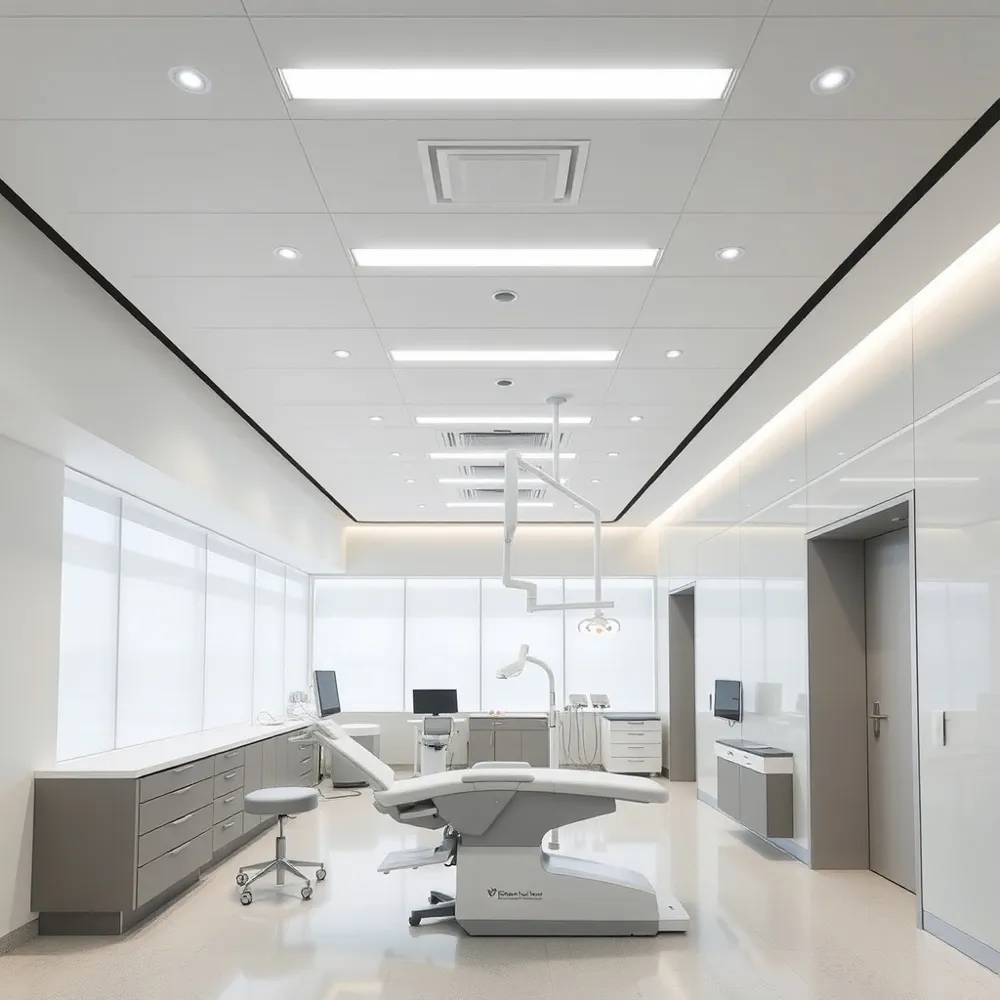 For most patients at osistl.com, the diagnosis begins with a clinical evaluation rather than immediate imaging. Diagnostic imaging, such as X-rays, MRI scans, or CT scans, is prioritized when there is a suspicion of structural abnormality or a history of trauma. While clinical judgment guides the diagnostic path, these tools help confirm conditions that may not be apparent through physical assessment alone.
Differentiating visualization techniques
The utility of diagnostics depends heavily on what structure the physician needs to visualize. X-rays are generally the first step for checking bone alignment and spotting bone spurs or degenerative changes. When soft tissue involvement, such as a herniated disc or nerve compression, is suspected, advanced imaging provides more clarity. Unlike other providers who may rely exclusively on one modality, the team at osistl.com selects the specific tool that best aligns with your suspected clinical presentation.
What is the difference between an MRI and a CT scan for neck pain diagnosis? While both diagnostic tools help identify the source of neck pain, they operate using different technologies and highlight distinct anatomical features. An MRI uses magnetic fields and radio waves to provide highly detailed images of soft tissues, such as spinal disks, nerves, and spinal cord injuries. Conversely, a CT scan utilizes radiation to create cross-sectional, 3D images of bone structures, making it the preferred choice for detecting fractures or complex bony abnormalities. Because an MRI involves no radiation, it is often favored for repeat imaging, whereas CT scans offer a faster, clearer view of skeletal integrity. Your doctor will evaluate your specific symptoms to determine the most effective diagnostic approach for your care plan.
Supplementary diagnostic testing
Sometimes, imaging alone does not provide the full picture of nerve or systemic health. If a patient exhibits persistent numbness or weakness, a physician may order Electromyography (EMG) to assess the electrical activity of muscles and nerves. Similarly, blood tests may be performed to screen for inflammatory or infectious conditions. Integrating these supplementary tests with physical findings ensures a comprehensive, accurate diagnosis—a standard approach practiced at osistl.com to avoid unnecessary treatments.
Knowing When to Seek Urgent Medical Care
Distinguishing between common muscular soreness and serious spinal issues is essential for your long-term health. While most minor neck discomfort improves with conservative care, specific red flag symptoms require prompt evaluation to prevent permanent damage. If your pain follows a traumatic injury, such as a fall or car accident, seek emergency assistance immediately rather than waiting for formal diagnostic appointments.
What are the 'red flag' symptoms of neck pain that require medical attention?
Seek medical attention if your pain persists or worsens after one week of at-home management. More critical warnings include unexplained weight loss, night sweats, or a persistent fever, which may correlate with infection or systemic inflammation per 2020 AFP research. You must prioritize care if you notice neurological deficits, such as sudden weakness in your limbs, loss of bowel or bladder control, or a shock-like sensation radiating through your extremities when you bend your chin toward your chest. At osistl.com, our team emphasizes that these signs suggest spinal cord or nerve compromise requiring urgent assessment.
What are the '5 Ds' for neck pain?
Beyond standard orthopedic warnings, you should stay alert for the '5 Ds,' which may indicate serious vascular conditions like cervical artery dissection. These symptoms include diplopia (double vision), dizziness, drop attacks, dysarthria (slurred speech), and dysphagia (difficulty swallowing). Often occurring alongside nausea or involuntary eye movements, known as nystagmus, these indicators signal potential blood flow disruption to the brainstem. Unlike typical musculoskeletal pain, which is localized and mechanical in nature, these neurological and vascular signs are medical emergencies. If you experience these changes alongside severe, sudden neck or head pain, do not delay—seek emergency medical services at the nearest hospital immediately.
Standard Treatment Protocols and Expectations
The neck operates as a complex structure containing over 20 muscles, eight pairs of nerves, and seven bones that rely on proper alignment to function without pain. When discomfort arises, the Orthopedic Spine Institute of St. Louis prioritizes non-surgical, conservative care strategies as the initial pathway to recovery, reserving advanced interventions for cases where they are strictly necessary.
When should I see a doctor for neck pain?
While many cases of neck pain improve via rest and gentle stretching, you should seek immediate emergency medical attention if your pain follows a traumatic injury, such as a car accident or fall per the Mayo Clinic. You must also prioritize professional care if your pain is accompanied by a high fever, unexplained weight loss, or loss of bowel or bladder control. Schedule an office visit if your pain persists for more than a few weeks, worsens despite initial self-care, or radiates into your arms or legs. Furthermore, consult a specialist if you experience numbness, tingling, or a shocking sensation in your extremities when bending your chin toward your chest. If these alert signals are present, do not wait; please book an appointment with our team to ensure you receive a thorough diagnostic evaluation for your spine health.
What is the first-line treatment for neck pain?
The first-line approach to treating neck pain is typically a conservative strategy favored by Orthopedic Spine Institute of St. Louis focusing on self-care and symptom management. Initial treatment often includes the use of nonsteroidal anti-inflammatory drugs (NSAIDs) to reduce inflammation and muscle tension per the AAFP. Lifestyle modifications, such as correcting posture at your desk and taking frequent breaks, are essential to protect the cervical spine from strain. Physical therapy remains a cornerstone of early treatment, helping patients strengthen supportive neck tissues and improve range of motion. Ultimately, a customized plan developed after a professional evaluation ensures that you begin with the least invasive methods, reserving advanced options only when these foundational steps fail to provide relief.
The Specialist Approach to Chronic Conditions
An orthopedic spine specialist plays a critical role by conducting a comprehensive evaluation to identify the specific anatomical source of your chronic neck pain, such as herniated discs, spinal stenosis, or arthritis. Rather than immediately recommending invasive procedures, they prioritize a patient-first approach that begins with conservative, non-surgical treatments. These personalized plans often include targeted physical therapy to improve strength and spinal alignment, lifestyle modifications, and activity adjustments. The specialist monitors your progress closely, utilizing their deep expertise in the musculoskeletal system to help you regain function and reduce discomfort. Should your condition not improve with conservative care, they are uniquely qualified to discuss and perform advanced, minimally-invasive surgical interventions when necessary.
Moving beyond conservative care
When persistent pain fails to improve after an initial evaluation or conservative measures, specialists at osistl.com provide a more nuanced level of care. This phase focuses on pinpointing deeper mechanical issues using advanced diagnostic tools that go beyond the basic imaging performed by a general provider.
Advanced pain management options
For patients whose discomfort remains despite targeted treatments, specialists may introduce interventional options. These include epidural steroid injections or radiofrequency ablation to manage nerve-related symptoms. These procedures serve both to alleviate inflammation and provide further diagnostic clarity, ensuring the treatment plan remains aligned with your specific symptoms.
Minimally invasive surgical considerations
Surgical intervention is rarely the first step, and it is reserved for cases where nerve or spinal cord pressure causes significant disruption. When surgery is required, specialists focus on minimally invasive techniques that prioritize faster recovery times and less tissue disruption compared to traditional open surgery. By addressing the root cause through precise, modern methods, the surgical team at osistl.com aims to restore your long-term mobility and quality of life.
Commitment to Your Long-Term Spinal Health
Achieving lasting relief from cervical discomfort requires more than just an initial visit. At osistl.com, our team views every patient relationship as a partnership in recovery. Consistent follow-up care allows your provider to monitor improvements, adjust your personalized treatment plan, and ensure your functional goals for strength and mobility are reached.
True recovery is powered by open communication. We encourage you to track your pain patterns and bring specific questions about your diagnosis, potential recovery timelines, and home-care strategies to every session. By staying engaged, you remain at the center of your healing process.
Ready to take the next step toward a pain-free life? You can schedule your initial consultation at osistl.com today. Our experts are prepared to evaluate your symptoms and guide you toward the most appropriate, conservative approach for your specific needs.