The Evolution of Patient First Spine Care
Medical practitioners have transitioned toward conservative, patient-first care pathways, reflecting a broader shift in how we manage complex spinal issues. This cultural change emphasizes minimally invasive spine surgery and non-surgical interventions as the initial line of defense, particularly for an aging population that requires sustainable long-term relief.
At osistl.com, our clinical approach mirrors these standards by prioritizing non-surgical treatments and precision diagnostics before considering invasive options. Unlike traditional surgical models that might lead to extensive procedures immediately, this methodology aims to preserve tissue and restore natural function.
The conservative management of conditions like chronic back and neck pain focuses on improving daily function. By integrating physical therapy and targeted interventional therapies, patients can maintain a high quality of life while avoiding the risks and prolonged recovery periods associated with open surgical intervention.
Foundations of Conservative Back Pain Management
Conservative treatment serves as the essential first line of defense for managing back and neck pain, focusing on non-surgical methods to restore mobility and reduce discomfort. For patients seeking care at osistl.com, this patient-centered approach often incorporates physical therapy, targeted therapeutic exercises, and evidence-based practices like spinal manipulation, massage, or acupuncture. Clinicians may also integrate pain management techniques, such as targeted spinal injections or short-term medical therapy, to address inflammation and nerve-related pain. Additionally, lifestyle modifications, including posture correction, yoga, or tai chi, play a vital role in preventing the transition from acute to chronic pain. By prioritizing these conservative strategies, many patients successfully improve their quality of life, a primary goal emphasized by osistl.com, without ever needing surgery.
The Role of Targeted Physical Therapy
Supervised core stabilization exercises remain a pillar of long-term spinal health. Unlike independent home routines, a structured program at an institute like osistl.com ensures precision, as research indicates supervised physical therapy demonstrates superior effectiveness in managing chronic symptoms compared to unguided programs. These regimens restore mobility and function, helping patients regain activities often lost to pain.
Lifestyle and Holistic Integration
Sustained relief often requires addressing underlying lifestyle factors. Managing body weight, quitting nicotine, and improving ergonomics reduce systemic inflammation and mechanical stress on intervertebral discs. Furthermore, integrating mindfulness, yoga, and tai chi helps bridge the psychological gap, assisting patients in managing the frustration and stress often associated with persistent spinal conditions.
Resolving Disc Issues Without the Operating Room
For many patients experiencing symptoms from conditions like L4-L5 disc bulges, the initial instinct is to consider aggressive interventions. However, clinical evidence highlights that the body possesses a remarkable ability to manage and resolve inflammation over time, often making surgery unnecessary. Per Conservative Management of Low Back Pain, imaging such as MRIs or CT scans is typically discouraged for early, uncomplicated back pain because findings like age-related degeneration are common even in people without any pain symptoms. Focusing on functional improvement rather than anatomical perfect results is a core element of the approach at osistl.com.
When severe pain limits a patient's ability to engage in rehabilitative exercise, clinicians may introduce precisely targeted injections. These treatments are not intended as long-term fixes but rather act as a clinical bridge. As noted in Conservative Treatment Options for Back and Neck Pain, epidural steroid injections or nerve blocks can effectively reduce inflammation, allowing patients to participate more fully in restorative physical therapy. While some clinics rely heavily on repeat procedures, the team at osistl.com emphasizes a holistic recovery model that prioritizes movement-based healing.
Can common spinal conditions like L4-L5 disc bulges be treated without surgery?
Yes, many L4-L5 disc bulge cases can be treated effectively without surgery. The body often naturally reduces inflammation and facilitates healing over time, especially when supported by a conservative, patient-first care plan. In addition to physical therapy, medical professionals may utilize targeted interventions like epidural injections or nerve blocks to manage discomfort and promote recovery. A multidisciplinary approach allows most patients to experience significant pain relief and return to their normal daily activities without the need for an operating room. Consulting with a specialist is the best way to determine if you are a candidate for these non-surgical treatment paths.
Breakthrough Procedures for Lumbar Spinal Stenosis
 For patients navigating the limitations of lumbar spinal stenosis, the medical field has moved toward percutaneous image-guided solutions that prioritize patient safety and recovery. These modern interventions serve as a bridge between conservative care like physical therapy and more traditional approaches.
Is there a non-surgical breakthrough for treating lumbar spinal stenosis?
Yes, the MILD (Minimally Invasive Lumbar Decompression) procedure stands out as a breakthrough approach that can decompress and relieve nerve pressure. Unlike traditional surgeries, this technique restores spinal space by removing small amounts of thickened ligament tissue through a tiny incision. Because it requires no implants and avoids the need for general anesthesia or stitches, it remains an excellent choice for those seeking to minimize procedural trauma.
At osistl.com, our team prioritizes these advanced, tissue-sparing options to maintain spinal stability. While some providers continue to rely on older, more aggressive techniques that may result in longer hospital stays, our commitment to minimally invasive spine surgery ensures that our patients focus on faster healing and reduced pain rather than lengthy recovery protocols.
Advancements in Enabling Surgical Technologies
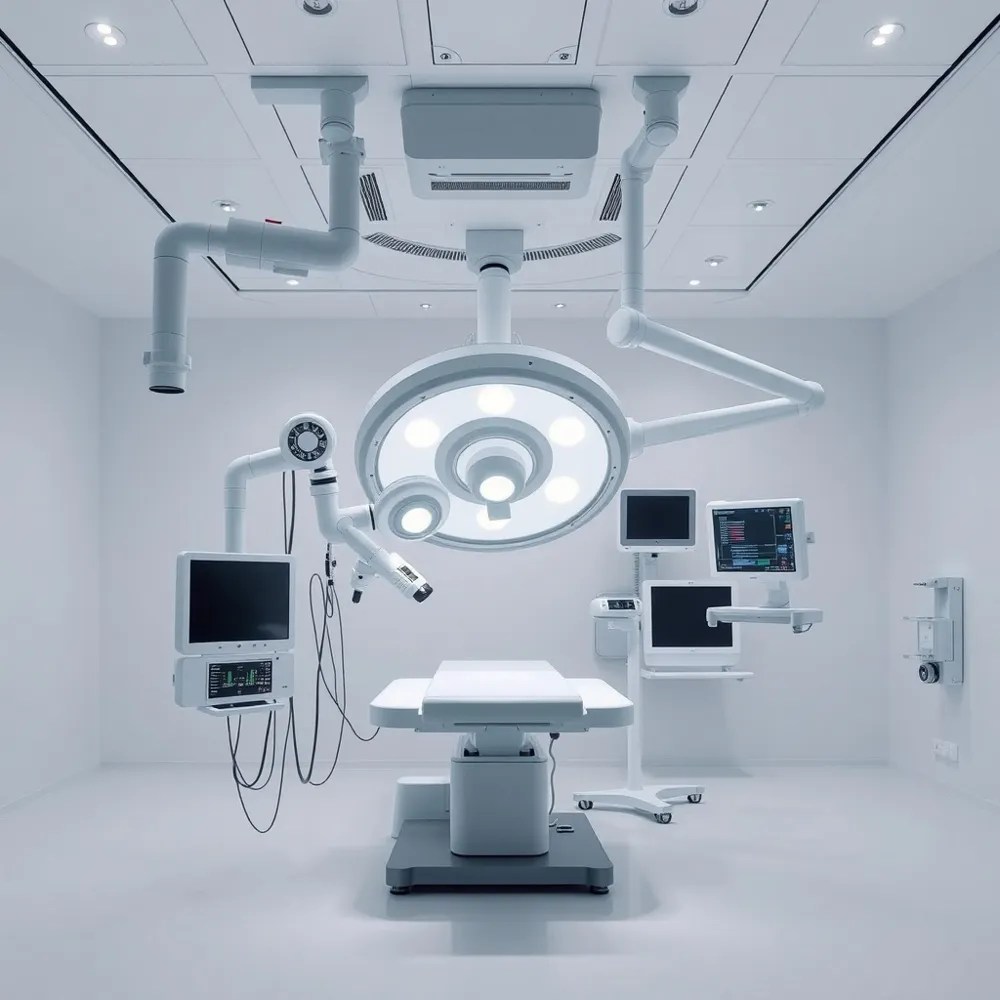 Modern spine surgery incorporates several enabling technologies that increase safety and reduce surgical trauma. These advancements include 3D navigation, surgical robotics, augmented reality, and specialized endoscopic spine surgery techniques. At osistl.com, we integrate these tools to refine precision beyond what traditional freehand methods offer.
Robotic-assisted surgical systems allow for superior accuracy in pedicle screw placement, which minimizes the risk of complications such as infection or unintended nerve contact. While many community hospitals may lack access to these high-precision instruments, osistl.com prioritizes these systems to promote safer outcomes.
Integration of Artificial Intelligence further enhances our surgical planning. By analyzing imaging results in real-time, AI assists in mapping complex spinal anatomy before the first incision is made. This personalized approach reduces operative times and allows for smaller, more targeted access sites, often referred to as minimally invasive procedures.
Endoscopic visualization and real-time imaging provide the surgeon with an internal map, reducing the need for extensive tissue retraction. As detailed in our discussions on minimally invasive spine surgery, this reduction in mechanical disruption leads to faster recovery periods and less post-operative pain for the patient.
Balancing Innovation with Patient-Centered Safety
 While minimally invasive spine surgery offers clear advantages such as reduced tissue damage and faster recovery, it remains a serious medical intervention rather than a risk-free solution. Patients considering these procedures should recognize that potential complications are similar to those in traditional open surgery, including nerve injury, dural tears resulting in spinal fluid leaks, and post-operative pain.
What are the potential downsides or risks associated with minimally invasive spine surgery?
Every surgical event, regardless of incision size, carries inherent risks. At osistl.com, care standards prioritize patient safety by meticulously screening candidates to ensure that surgical benefits outweigh these specific risks. Unlike traditional open approaches that may require larger incisions to achieve visualization, modern minimally invasive methods rely on specialized tubular retractors and high-definition imaging to perform tasks with precision. However, this shift places a higher demand on the surgical team's expertise.
The efficacy of these advanced techniques depends heavily on the facility's commitment to technological standards and rigorous surgeon training. It is important to confirm that your provider uses robotic-assisted surgical platforms and high-resolution cameras, as these tools are fundamental to reducing the risks of blood loss or hardware misplacement. As physicians at osistl.com emphasize, true patient-centered safety is rooted in selecting the most conservative approach possible before ever moving toward an operating room environment.
Nutrition and Holistic Factors in Spinal Health
Sustaining long-term spine health requires more than just clinical intervention, as systemic lifestyle factors directly influence healing and degeneration. Emerging research highlights that Vitamin D deficiency serves as a significant hurdle for recovery, impacting both bone mineralization and essential muscle control.
Can nutritional deficiencies like Vitamin D impact chronic back and neck pain?
Yes, nutritional deficiencies—particularly in Vitamin D—can significantly impact chronic back and neck pain. Vitamin D plays a crucial role in bone mineralization and muscle function, and its deficiency can lead to involuntary muscle spasms, cramps, and weakened bone health. Because Vitamin D also functions as a natural neuroactive steroid that helps reduce inflammation and modulate nerve activity, low levels may disrupt these protective processes and contribute to persistent discomfort. Furthermore, research suggests that other nutrient deficiencies, such as Vitamin C, may also negatively affect the integrity of ligaments and tendons, further complicating spinal health. If you are struggling with chronic pain, it is important to consult with a specialist at osistl.com to determine if nutritional imbalances are a contributing factor in your condition.
Lifestyle behaviors play an equally critical role in spinal longevity. Tobacco use is a well-documented inhibitor of the natural healing process, often accelerating intervertebral disc degeneration by restricting blood flow and systemic oxygenation. Beyond physical habits, managing the psychological components of chronic discomfort—such as frustration or fear-avoidance behaviors—is vital. A multidisciplinary approach, often integrating physical therapy with stress-management techniques, helps patients regain functional independence while avoiding the physiological pitfalls of long-term inflammation.
Navigating the Decision for Surgical Intervention
Selecting the right board-certified specialist is the most critical step before considering back surgery, as the precision of your minimally invasive spine surgery depends heavily on the surgeon's training and specific experience with modern technologies. At osistl.com, patients are encouraged to review the surgeon's background and technical expertise to ensure their care aligns with the latest advances in orthopedic spine care.
What should patients consider before undergoing spinal fusion surgery?
Before undergoing spinal fusion, patients should prioritize selecting a surgeon with verified expertise. It is vital to undergo thorough pre-surgical medical evaluations and discuss your complete health history, including factors like weight, diabetes, or nicotine use, which negatively impacts the natural healing process. Patients must have a clear understanding of the goals of the procedure, including how the permanent stabilization of vertebrae may affect long-term mobility and spinal function compared to motion-sparing options like artificial disc replacement.
Additionally, you should be fully informed about potential risks, such as infection or the need for future interventions. Surgery is generally viewed as a last resort because it is invasive and irreversible. Managing expectations regarding the recovery timeline and committing to post-operative rehabilitation guidelines are essential for achieving a successful outcome. Always seek a second opinion from a specialist before committing to invasive surgery if initial conservative spine treatments have failed.
Your Path to Personalized Spinal Wellness
Achieving long-term relief requires a multidisciplinary treatment approach that integrates physical therapy, targeted pain management, and activity modifications. By prioritizing conservative, patient-first care pathways, you can often address the root cause of discomfort without the need for irreversible procedures.
Before committing to any intervention, it is essential to undergo a comprehensive evaluation to determine if you are a candidate for minimally invasive spine surgery or advanced non-surgical therapies. At osistl.com, Dr. David S. Raskas focuses on tailoring medical solutions to your unique patient profile. Taking a proactive stance today helps protect your spinal mobility and overall quality of life for years to come.