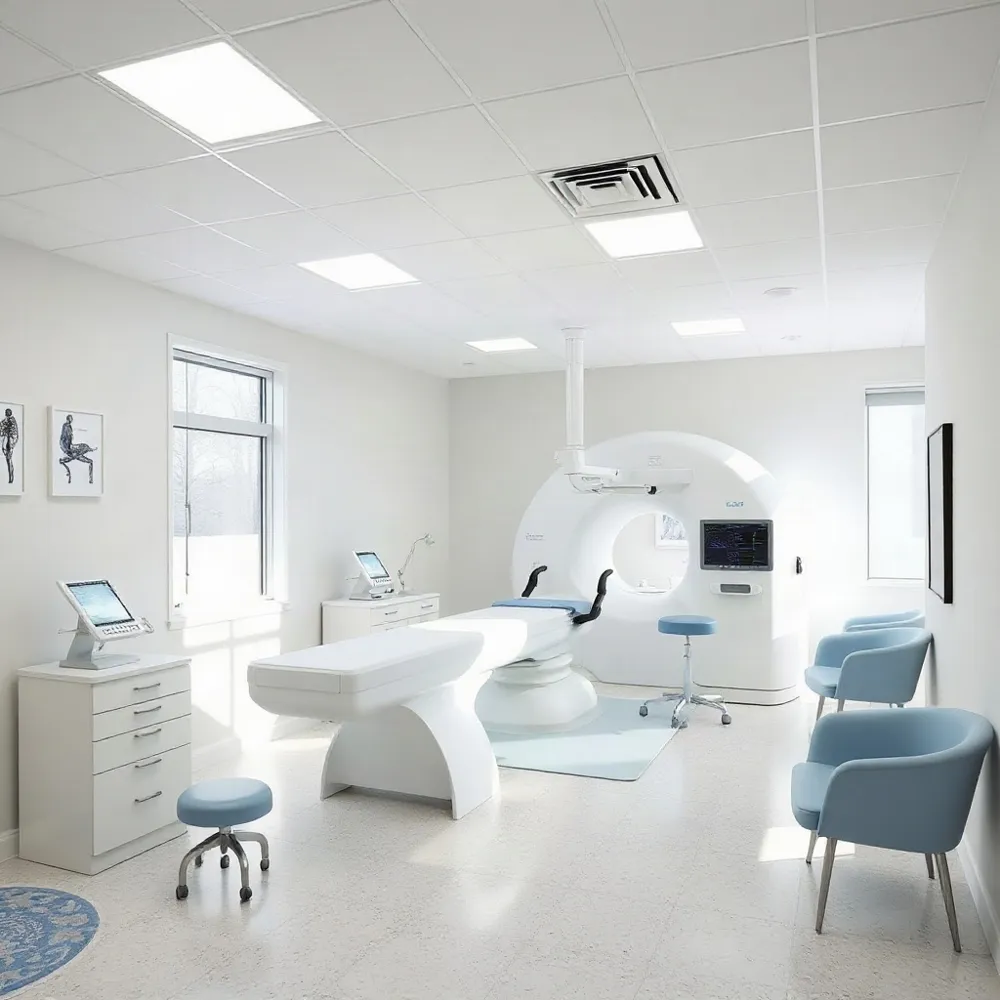
When Spine Pain Disrupts Daily Life
Back or neck pain can make ordinary tasks harder, from sitting through a workday to sleeping comfortably, walking, or enjoying time with family. When pain travels into a leg, or comes with numbness or tingling, it can also make movement feel uncertain.
Relief starts with understanding what may be causing the symptoms. A clinician can assess your history and examine how you move, then decide whether imaging or other evaluation is needed. At the Orthopedic Spine Institute of St. Louis, care for back, neck, and sciatica pain begins conservatively, with treatment shaped around the person and the diagnosis. Options for chronic back pain can include exercise-based physical therapy, medication, and other nonsurgical approaches, as Johns Hopkins Medicine explains.
Surgery is not the first step for most people with back pain, and an operation cannot guarantee relief. It may be considered when a confirmed spinal problem has not improved with other care and surgery is appropriate for that condition. The practice offers minimally invasive surgery when suitable, but the decision depends on individual evaluation, expected benefits, risks, and alternatives.
What May Be Behind Spine Pain
 Back and neck pain can come from muscles, ligaments, discs, joints, bones, or nerves. Because different problems can produce similar symptoms, identifying the likely source helps a clinician choose appropriate care. Learn more about possible sources of spine pain.
Common causes include a muscle or ligament strain after lifting, repetitive movement, overuse, or poor posture. Arthritis and other age-related changes can affect joints and discs, while a herniated disc may irritate nearby nerves. Narrowing of the spinal canal, called spinal stenosis, can also put pressure on nerves. Johns Hopkins Medicine describes these conditions among possible sources of chronic back pain.
Injuries can cause pain in spinal structures, and weakened supporting muscles may add strain. Excess weight can increase stress on the spine, while smoking can affect healing. Less common possibilities include infection, tumors, osteoporosis-related fractures, and other medical conditions.
Symptoms alone do not establish a diagnosis, and sometimes the cause remains unclear. At osistl.com, care for back, neck, and sciatica pain begins with evaluation and a conservative approach, with minimally invasive surgery considered when appropriate. If pain persists, worsens, or limits normal activities, a professional assessment can help clarify the cause and guide next steps.
Start With Evaluation and Conservative Care
 The right first step is an evaluation that connects symptoms with their likely cause. A clinician may ask when the pain began, what makes it better or worse, and how it affects daily activities, then assess movement, strength, sensation, and reflexes. X-rays, MRI, or CT may be considered when the findings suggest imaging could help clarify the diagnosis. For a guide to preparing for this conversation, see what to expect at a first spine appointment.
Treatment is individualized and commonly begins with physical therapy, guided exercise, activity adjustments, or medication. Selected injections and other pain-management options may help some people control symptoms enough to stay active, but they are not universal solutions or guarantees. Exercise and home routines should match the diagnosis, comfort, and ability to move. Johns Hopkins Medicine describes tailored exercise-based physical therapy as an early option for chronic back pain, alongside other nonsurgical approaches (chronic back pain treatments).
How can I safely relieve back pain at home?
For mild pain without warning signs, gentle activity such as short walks is usually preferable to prolonged bed rest. Avoid movements that sharply increase pain, heavy lifting, and twisting while symptoms settle. After a recent strain, a wrapped ice pack may help during the first 48 to 72 hours; gentle heat afterward may ease tightness. Follow medicine labels, and ask a clinician or pharmacist if a health condition, other medication, or uncertainty could affect safety. Return to exercise gradually, stopping activities that worsen symptoms.
Seek urgent care for new leg weakness, loss of bowel or bladder control, fever, or other severe symptoms. Contact a clinician if pain worsens or does not improve after a few days. At osistl.com, care for back, neck, and sciatica pain starts conservatively, with minimally invasive surgery considered when appropriate.
What treatments are available for chronic back pain?
The plan depends on the cause, symptoms, and effect on daily life. It may combine physical therapy and home exercises with medication, posture changes, or selected injections. Texas Health describes physical therapy, medication management, and injections as conservative options chosen according to individual needs (conservative treatment options). Surgery may be considered selectively when testing identifies a problem that may respond to it and nonsurgical care has not helped enough. A minimally invasive approach is not suitable for every condition, and surgery cannot guarantee pain relief.
Recognize Sciatica and Warning Signs
Sciatica describes symptoms that occur when nerve roots in the lower back are irritated or compressed. Pain may travel from the lower back or buttock down a leg, sometimes reaching the foot. Johns Hopkins Medicine notes that back pain can have several causes, so identifying the source helps guide care.
Symptoms vary. Some people mainly feel pain, while others notice numbness, tingling, or weakness in a leg or foot. At osistl.com, care for back, neck, and sciatica pain begins with a conservative approach, with minimally invasive surgery considered when appropriate.
When should I see a doctor for sciatica?
Arrange an evaluation if symptoms are severe, worsening, persistent, or interfering with daily activities. Seek care sooner for new numbness, tingling, or weakness. A clinician can assess possible causes and discuss treatment options; surgery is reserved for selected cases when other care has not helped or the condition calls for it.
New loss of bowel or bladder control, difficulty urinating, or numbness around the groin or inner thighs requires emergency evaluation. These symptoms can signal serious nerve compression. The Texas Health guidance on conservative back and neck pain treatment also emphasizes that treatment choices depend on an individual assessment.
Finding the Right Spine Specialist
A primary care doctor can assess sciatica, review symptoms and begin treatment. If symptoms persist, are severe, or include numbness or weakness, a spine specialist may help investigate the cause and discuss next steps. Learn more about when a doctor may refer you to a spine specialist.
What type of doctor evaluates and treats sciatica?
Orthopedic spine surgeons and neurosurgeons both assess overlapping conditions, including herniated discs and spinal stenosis, and can discuss nonsurgical and surgical options. Orthopedic spine surgeons train in the musculoskeletal system, with attention to spinal structure and stability. Neurosurgeons train in the brain, spinal cord, and nerves, including problems involving nerve compression. These are broad distinctions, not strict limits: both may perform procedures such as decompression or spinal fusion. The surgeon’s spine training and experience, along with the specific diagnosis, matter more than the title alone. The American Academy of Orthopaedic Surgeons’ OrthoInfo resources offer patient education on spine conditions and treatments.
How do orthopedic spine surgeons and neurosurgeons differ in treating back pain?
Care may also involve a physiatrist, who focuses on rehabilitation and nonsurgical treatment, or a pain-management clinician who may discuss medication or injections. Evaluation generally starts with your symptoms and a physical and neurological examination; imaging may be considered when needed.
At the Orthopedic Spine Institute of St. Louis, Dr. David S. Raskas evaluates back and leg pain and recommends a plan that begins conservatively when appropriate. The practice provides care for back, neck, and sciatica pain, with minimally invasive surgery considered when suitable.
When Minimally Invasive Surgery May Fit
 Surgery may be considered when a specific spinal problem continues to cause symptoms and appropriate nonsurgical care, such as medication, physical therapy, or injections, has not provided enough relief. At the Orthopedic Spine Institute of St. Louis, care begins conservatively, with minimally invasive surgery considered when appropriate for the diagnosis and the patient.
Who may be a candidate for minimally invasive spine surgery?
Candidacy depends on more than pain alone. A spine surgeon considers symptoms, medical history, examination findings, and imaging to confirm the cause and location of the problem. The team also determines whether the affected area can be reached safely through a minimally invasive approach. Some herniated discs, spinal stenosis, instability, and degenerative conditions may be treated this way, but not every patient or condition is suitable. A consultation can help clarify whether surgery or continued nonsurgical care makes sense.
Minimally invasive spine surgery uses smaller incisions and specialized instruments to reach the spine while limiting disruption to nearby muscles and soft tissues compared with open surgery. This approach may reduce tissue disruption, but smaller incisions do not guarantee a better result or remove the risks of surgery. The Johns Hopkins overview of minimally invasive spine surgery explains that not every operation is suited to this method.
What types of minimally invasive spine surgery are available?
The procedure depends on the diagnosis, anatomy, and affected area of the spine. Options may include decompression, such as a laminectomy to relieve pressure on nerves; diskectomy to remove the portion of a herniated disc causing pressure; or fusion and fixation to stabilize the spine. These techniques may be used in the neck or lower back when appropriate. The Cleveland Clinic guide to minimally invasive spine surgery describes these procedures and notes that treatment suitability is assessed for each patient.
A specialist can explain the expected benefits, risks, alternatives, and recovery considerations for a recommended procedure. That discussion helps patients weigh surgery against continued conservative care and make a decision based on their individual circumstances.
Balance Possible Benefits Against Risks
Smaller incisions can mean less disruption to nearby muscles and soft tissues, which may reduce postoperative pain or support a faster recovery than open surgery. These are possible advantages, not guarantees, and results vary by patient and procedure. The Johns Hopkins overview of minimally invasive spine surgery explains how the approach differs from open surgery.
What are the risks and potential downsides of minimally invasive spine surgery?
Minimally invasive surgery is still surgery. Possible complications include infection, bleeding, blood clots, injury to nerves or nearby blood vessels, spinal-fluid leakage, and problems related to anesthesia. Symptoms may persist, return, or worsen, and another operation may sometimes be needed. The narrow working corridor can also make some cases harder to treat, so the approach is not suitable for every patient or condition. Stanford Health Care’s discussion of surgical risks describes complications that patients can discuss with their care team.
What is the success rate of minimally invasive spine surgery?
There is no single success rate that applies to everyone. Results depend on the diagnosis, procedure, and a patient’s overall health. Surgery may ease pain or improve function when it addresses a clearly identified problem, but no result is assured, and smaller incisions alone do not make an operation more successful.
At the Orthopedic Spine Institute of St. Louis, care begins conservatively, with minimally invasive surgery considered when appropriate. Before deciding, ask why surgery is recommended, what alternatives are available, what benefits and risks apply to your circumstances, and about the surgeon’s experience and expected outcomes. You can also review possible benefits and risks of minimally invasive spine surgery as you prepare questions for your consultation.
Recovery Planning and Costs
Recovery after minimally invasive spine surgery depends on the procedure, the area treated, overall health, and how the body heals. Some people return to light daily activities within days or weeks, while work, exercise, and other demanding tasks may take longer. Johns Hopkins Medicine notes that recovery varies, and some patients may resume normal activities within a few weeks.
How long does recovery from minimally invasive spine surgery usually take?
Recovery after a discectomy may differ from recovery after spinal fusion, which requires time for bone to heal. Your surgeon can set expectations based on the operation and your health rather than relying on a single timeline. At osistl.com, care starts conservatively, with minimally invasive surgery considered when appropriate.
Follow your surgeon’s instructions about walking, lifting, bending, activity limits, and physical therapy. Keep follow-up visits so the care team can assess healing and guide your return to activity. Contact them if symptoms worsen or you have concerns; urgent symptoms require prompt medical attention. Recovery guidance is also discussed in planning for recovery and returning to activities.
What factors affect the cost of minimally invasive spine surgery, and does insurance cover it?
The total cost can depend on the procedure, number of spinal levels treated, complexity, surgeon, facility, anesthesia, imaging, location, and follow-up care. Insurance coverage and out-of-pocket costs vary by plan, network, setting, and benefits. Some plans may cover surgery when it meets medical-necessity rules and plan requirements.
Before scheduling, ask your insurer and care team to verify coverage and any prior authorization requirements. Request an estimate that includes your deductible, copay, or coinsurance, and ask whether facility and follow-up charges are included. The team at osistl.com can discuss treatment options and help patients understand the next steps in planning care.
A Clear Next Step Toward Relief
Understanding what is causing spine pain gives you and your clinician a starting point for a plan suited to your symptoms and goals. Care often begins with nonsurgical options, with other approaches considered when appropriate. The Johns Hopkins guide to chronic back pain outlines ways clinicians may address pain and function without surgery.
If pain persists, worsens, or limits daily activities, arrange a professional assessment. Ask what may be causing your symptoms, what options fit your situation, and how your preferences can shape the plan. At the Orthopedic Spine Institute of St. Louis, care for back, neck, and sciatica pain starts conservatively, with minimally invasive surgery considered when appropriate.
Visit osistl.com to review the practice’s care information and appointment options. A conversation with a spine specialist can help you understand possible next steps without assuming that one treatment is right for everyone.