
Start With the Cause
When neck pain starts, should you see a chiropractor, a medical spine specialist, or another clinician? The answer depends less on a provider label than on what may be causing the pain and how it affects you.
Neck symptoms can come from muscle strain or posture, but also from an injury, disc changes, or irritation of a nerve. Pain that travels into an arm, or comes with numbness or weakness, can offer clues, though a clinician’s assessment is needed to identify the cause. Mayo Clinic’s overview of neck pain describes this range of possible causes and symptoms.
A patient-first decision considers symptoms, health history, and examination findings before choosing treatment. At Orthopedic Spine Institute of St. Louis, care starts conservatively, with minimally invasive surgery considered when appropriate. That approach leaves room for home care or other nonsurgical options when suitable, while allowing a medical evaluation to guide next steps when the cause is unclear or symptoms raise concern.
Patterns and Home Care
 Neck pain that comes and goes often follows a familiar pattern: it flares after long periods at a screen, poor posture, repetitive activity, or an awkward sleeping position, then eases when the strain passes. Stress can add muscle tightness, while age-related changes in the discs or joints may bring recurring stiffness. These possible triggers are useful clues, but they do not confirm the cause. Mayo Clinic’s overview of neck pain describes causes ranging from muscle strain to disc and joint conditions.
Pain that travels into a shoulder or arm, especially with tingling or numbness, may involve an irritated nerve rather than muscle tension alone. Pay attention to symptoms that are severe, worsening, persistent, or accompanied by weakness. After a significant injury, seek prompt medical care instead of trying to manage the pain with stretches.
For mild symptoms, keep moving gently and take breaks from positions that strain your neck. Set screens at eye level, and try a wrapped cold pack for short periods during the first day or two; gentle heat may feel soothing afterward. Easy neck and shoulder stretches can help maintain movement, but stop if they worsen pain or bring on tingling, numbness, or weakness. Over-the-counter pain relievers may be an option if safe for you. Follow the label directions, or ask a healthcare professional if you are unsure.
Noticing what brings on a flare and what eases it can help guide next steps. This practice’s guide to common pain patterns and home care offers related strategies; persistent or concerning neck symptoms warrant an individual clinical assessment.
When Medical Evaluation Matters
 A mild neck strain that is gradually easing may need only time and sensible self-care. If pain is not improving, lasts several weeks, worsens, or interferes with everyday activities, contact a medical professional for an assessment. Persistent or changing symptoms deserve attention rather than an assumption that the problem is only muscular. Mayo Clinic’s guidance on neck pain explains that causes can range from strain to conditions affecting disks, joints, or nerves.
Seek urgent care after a significant fall, collision, or other injury, especially when pain is severe. New weakness, numbness or tingling, difficulty walking or coordinating movement, or loss of bowel or bladder control also require prompt medical attention. Fever or chills with neck pain warrant evaluation, particularly if you feel very unwell. Severe symptoms that worsen quickly, or sudden severe pain without an obvious cause, should not wait for a trial of manual treatment. When symptoms suggest an emergency, contact emergency services.
A clinician can review when the pain began, your health history, and any injury, then examine neck movement, strength, sensation, and reflexes. Imaging or other tests may be considered if the history or examination points to a need; scans are interpreted alongside symptoms and examination findings. At Orthopedic Spine Institute of St. Louis, care starts with evaluation and conservative options, with minimally invasive surgery considered when appropriate.
If you are unsure whether symptoms are urgent, seek professional advice rather than continuing a treatment that is not helping. For more on situations that warrant specialist assessment, see when medical evaluation matters.
Choosing a Care Professional
The right professional depends on your symptoms, health history, and examination findings. Chiropractors commonly provide hands-on care, including spinal manipulation, while medical spine clinicians can assess a wider range of possible causes and consider testing, medication, injections, or referral when appropriate. The exact options depend on the clinician’s training and diagnosis.
A physical therapist can work on mobility, strength, posture, and everyday function through exercises and other nonsurgical care. A clinician may recommend physical therapy after assessing your neck and determining whether it fits your needs. At Orthopedic Spine Institute of St. Louis, care starts conservatively, with minimally invasive surgery considered only when appropriate.
Chiropractic care may be an option for some musculoskeletal neck symptoms, but it is not a universal answer. A chiropractic adjustment uses controlled pressure or movement at a joint. Discuss the proposed approach, its potential benefits and risks, and alternatives with a qualified healthcare professional before treatment.
Consider a medical spine evaluation if pain persists or worsens, travels into an arm, causes numbness or weakness, or interferes with daily activities. Assessment usually begins with a history and physical examination; imaging may be considered when findings warrant it, and scan results should be interpreted alongside the exam and symptoms. A neck-pain diagnosis and treatment assessment does not mean surgery is inevitable. A spine clinician can recommend conservative care, further evaluation, or another option based on the cause.
Care may also be coordinated among clinicians when that suits the patient’s needs. A clear assessment can help determine whether physical therapy, manual treatment, medical management, or a combination is appropriate. Seek urgent medical attention for new weakness, trouble walking, or loss of bladder or bowel control.
Understanding Neck Adjustment Risks
A chiropractic adjustment applies controlled pressure or movement to a joint. Afterward, some people notice temporary soreness, stiffness, tiredness, or a headache. These effects are usually mild, but neck manipulation also has rare, serious reported complications, including injury involving blood vessels or the spinal cord. Blood-vessel injury can lead to stroke. Research has not established that every reported event was caused by an adjustment, and the frequency of severe complications is not known. Cleveland Clinic’s guidance on chiropractic adjustments describes both temporary effects and serious complications.
Before treatment, discuss your medical history, current symptoms, possible benefits and risks, and other options with a qualified clinician. Ask whether a gentler approach is appropriate for your situation. The Orthopedic Spine Institute of St. Louis takes a conservative-first approach, with evaluation to help determine whether manual care, another nonsurgical option, or further assessment fits your needs. For more on possible after-effects, see neck adjustment risks and what to expect.
Seek emergency care if sudden severe headache or neck pain, weakness, numbness, trouble speaking, dizziness, or vision changes develop after an adjustment. These symptoms need prompt evaluation rather than another treatment session. Mayo Clinic’s neck pain guidance advises discussing chiropractic care with a healthcare professional before starting.
Treatment Options and Medication
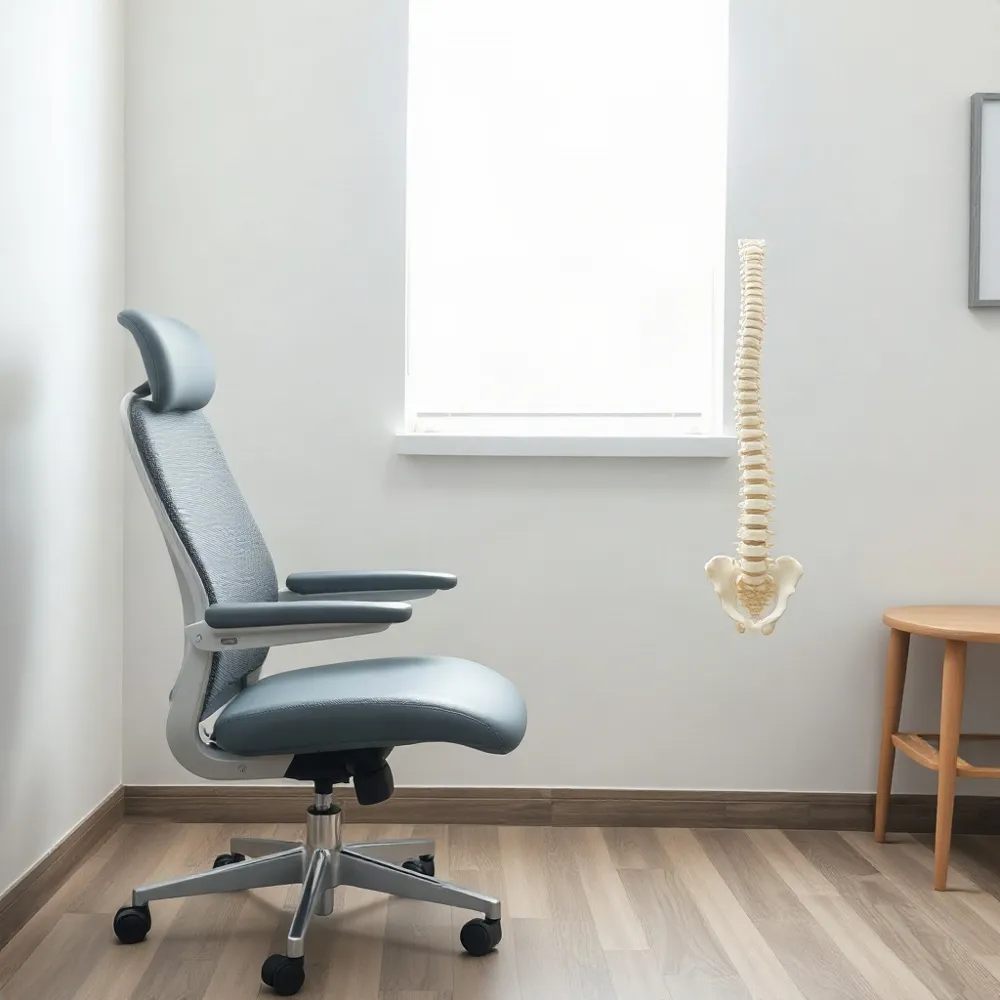 Treatment depends on what is causing the pain, how severe it is, and whether symptoms are changing. A clinician may recommend medication, physical therapy and exercise, or changes to posture and daily activities. At Orthopedic Spine Institute of St. Louis, care starts conservatively, with minimally invasive surgery considered when appropriate. Conservative spine care can include several nonsurgical approaches tailored to the patient.
For mild, short-term pain, an over-the-counter medicine such as acetaminophen or ibuprofen may help. If these do not provide enough relief, a clinician may consider prescription anti-inflammatory medicines or a muscle relaxant. For selected cases, injections near an affected nerve may be considered when pain radiates into an arm. These treatments are not necessary for everyone, and the choice depends on the evaluation and likely cause. Mayo Clinic’s neck-pain treatment guidance describes medication, physical therapy, injections, and other options.
Before taking medicine, follow the label and ask a clinician or pharmacist about health conditions, other medicines, interactions, and side effects. Do not exceed the recommended dose or combine products containing the same active ingredient unless a professional advises you to do so. An HSS guide to neck-pain evaluation also advises seeking care when symptoms worsen or concerning signs appear.
Medication should not delay prompt evaluation for numbness or weakness. Surgery is rarely needed for neck pain, but may be considered if a nerve or the spinal cord is under pressure and other treatments have not helped. A clinical assessment can help determine which pathway fits.
Living With Persistent Neck Pain
Whether ongoing neck pain resolves depends on its cause. Some problems improve or go away, while age-related changes such as arthritis may need continued care. The aim is to reduce pain, restore daily function, and limit flare-ups, not to assume discomfort must simply be endured.
Care often starts with conservative steps. Physical therapy can help build strength, improve flexibility, and address posture; appropriate medication and changes to work or sleep habits may also help. The right plan depends on an evaluation of symptoms and health history, since neck pain can arise from several different conditions (Mayo Clinic’s neck pain guidance).
At Orthopedic Spine Institute of St. Louis, care begins conservatively, with minimally invasive surgery considered when appropriate. If symptoms continue, a spine specialist can assess the cause and discuss next steps, which may include injections or, in selected cases, surgery. Persistent pain may call for ongoing management tailored to its source, as explained in this guide to living with persistent neck pain.
Do not wait for a routine appointment if neck pain comes with new arm weakness, difficulty walking, or loss of bowel or bladder control. These symptoms need prompt medical attention.
Choose Care That Fits
There is no single right provider for every case of neck pain. Symptoms, health history, and examination findings help determine whether hands-on care, rehabilitation, further testing, or another approach is appropriate. If pain persists, worsens, or comes with numbness or weakness, seek a medical evaluation rather than assuming an adjustment is the answer.
At Orthopedic Spine Institute of St. Louis, care starts conservatively, with minimally invasive surgery considered when appropriate. An appointment with Dr. David S. Raskas can help clarify possible next steps and give you a chance to discuss treatment options, risks, and questions based on your situation, without assuming a procedure is needed.