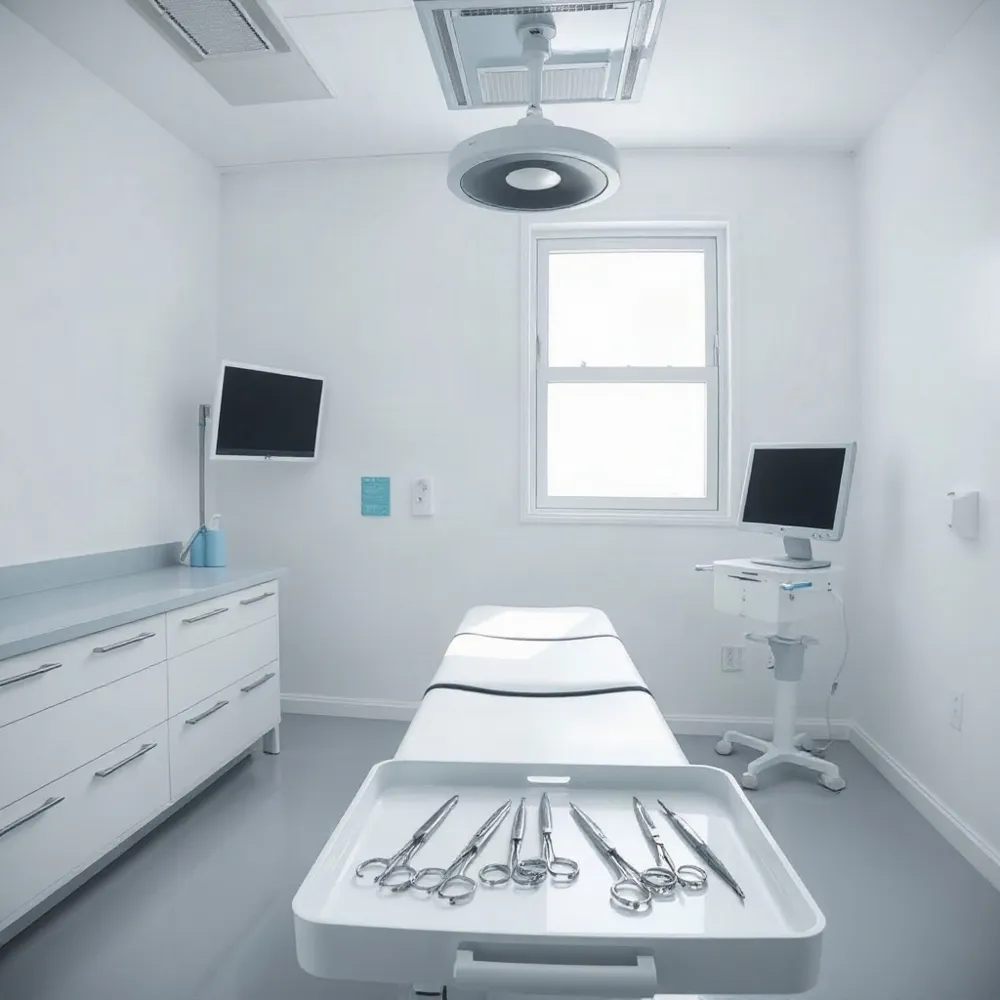
When Neck Pain Needs Expert Hands
The Shift from General Care to Specialized Expertise
Neck pain that persists or worsens under primary care often indicates the need for a spine specialist. These experts bring precision in diagnosis and treatment, equipped with advanced training to address conditions that standard care may overlook. Their specialized knowledge of the cervical spine structure allows for tailored therapies, such as fluoroscopic-guided injections, which improve outcomes for complex cases.
Why Chronic Neck Pain Merits a Specialist's Attention
Chronic neck pain is more than persistent discomfort—it can signal underlying issues like degenerative disc disease or nerve compression. Left unaddressed, it may progress to chronic conditions that significantly affect mobility and daily function. A specialist can intervene early with non-invasive treatments, such as physical therapy or nerve blocks, which are more effective when initiated promptly. This approach not only reduces pain but also prevents long-term complications.
The Benefits of Early and Accurate Diagnosis
Early consultation with a neck pain specialist enables accurate diagnosis and a 50% greater chance of full recovery when treatment starts within the first six weeks. Advanced diagnostics and techniques, such as MRIs and epidural steroid injections, allow for precise identification of pain sources. Timely intervention with customized care plans can prevent the need for surgical procedures and improve long-term patient outcomes.
Key Facts: Spine Specialist vs. General Practitioner for Neck & Back Conditions
- 40% greater accuracy in spinal irregularity detection by specialists compared to GPs as per NIH research
- Spinal specialists can provide epidural injections and nerve blocks for targeted pain relief
- Neurologists and orthopedic spine surgeons recommended for severe/nervous system-related issues
- Customized treatment plans often include spinal cord stimulation and PRP therapy
- 65% improved management of chronic spine issues with early diagnosis & intervention
- Multi-modal approaches reduce pain by 35% within 8 weeks
- Pain medicine specialists reduce opioid use while improving quality of life
- MRI/CT access helps diagnose spinal irregularities with 40% higher accuracy
- Integrated care results in 25% faster recovery for chronic neck pain
- Vitamin D deficiency can cause **chronic neck pain (70% improvement with supplementation reported)
1. Superior Diagnostic Accuracy
Comparing Diagnostic Accuracy of Generalists vs. Specialists
When evaluating spinal conditions, specialists offer significantly better diagnostic accuracy. Research from the National Institutes of Health shows spine specialists detect spinal irregularities with 40% greater accuracy than general practitioners. This difference is critical for conditions like herniated discs or spinal stenosis, where accurate diagnosis is the first step toward effective treatment. Early and correct identification enables timely intervention, reducing the risk of chronic complications and ensuring treatment aligns precisely with the underlying condition.
2. Targeted Treatment Expertise
Access to advanced techniques like epidural steroid injections
Epidural steroid injections and nerve blocks are among the advanced procedures available to spine specialists, offering targeted pain relief. If you experience chronic neck pain unresponsive to basic self-care and non-invasive spine treatments, a spine specialist can provide these specialized interventions.
When should you see a doctor for neck pain?
Schedule an office visit if neck pain persists beyond several weeks, worsens despite self-care like ice/heat or stretching, or radiates to arms/legs. Seek immediate emergency care if symptoms include trauma (e.g., car collisions, falls), high fever (possibly meningitis), or severe muscle weakness in arms/legs. Consult a spine specialist if pain is accompanied by headaches, tingling, numbness, or suggests a neurological issue. Chronic pain or limitations in daily activities should also prompt a visit to determine if physical therapy (physical therapy for neck pain), injections, or minimally invasive spinal care are needed. Early evaluation by a specialist like Dr. David S. Raskas can identify underlying causes such as herniated discs (HPM's neck pain specialist), arthritis, or spinal stenosis (HPM's neck pain specialist) for tailored treatment.
3. Access to Specialized Treatments
What kind of doctor should I see for neck and shoulder pain?
For neck and shoulder pain, begin with a primary care physicians handle a wide range of medical issues for an initial assessment and conservative treatments. If symptoms persist, are severe, or involve nerve-related issues (e.g., numbness, weakness, chronic pain), seek a spine specialist consultation. These specialists diagnose and manage musculoskeletal and nerve-related conditions like herniated discs, rotator cuff injuries, and cervical spine specialist. For severe or complex neurological issues, a Neurologists for Neck Pain with Numbness may also be necessary. If conservative care doesn’t provide relief, a spine specialist can assess whether advanced treatment options for neck pain or surgical intervention are appropriate to restore mobility and reduce pain.
4. Personalized Care Plans
Tailored Treatment Strategies for Individual Patient Needs
Pain management specialists develop customized care plans that address unique patient requirements. These plans often combine various treatments like injections, medications, and physical therapy. For example, at The Pain Center, specialists assess patients to determine the root cause of chronic pain and design therapies accordingly. This approach may involve techniques such as spinal cord stimulation or radiofrequency ablation for targeted relief.
The role of a neck pain doctor near you emphasizes the importance of individualized strategies, considering factors like age, overall health, and pain severity. Advanced diagnostic tools such as MRI and CT scans help in accurate diagnosis and treatment planning. Patients receive a range of interventions, including specialized physical therapy and regenerative treatments like platelet-rich plasma (PRP) therapy.
What is the Best Doctor to See for Severe Neck Pain?
For severe neck pain, the best doctors to consult are neurologists (to assess nerve-related issues) and orthopedic spine surgeons (to address structural problems or surgical needs). At the Orthopedic Spine Institute of St. Louis, Dr. David S. Raskas specializes in conservative and minimally invasive spine care, offering diagnostic imaging (MRI, CT, X-rays) and personalized treatments, including physical therapy, injections, or surgery if required. Neurologists may also use EMG and blood tests to diagnose neurological causes. For comprehensive care, an orthopedic spine specialist is ideal to evaluate structural damage or spinal compression needing surgical intervention. Patients experiencing persistent or severe neck pain should seek evaluation to determine the root cause and tailored treatment plan.
Additional Insights for Effective Treatment
Personalized care in chronic pain management involves a multidisciplinary approach, integrating therapies such as acupuncture and regenerative medicine. Pain specialists at The Pain Center use holistic methods that address both physical and psychological aspects of pain. This model ensures that treatment strategies are not only effective but also sustainable over time. For neck pain patients, a blend of minimally invasive procedures and lifestyle modifications can significantly enhance quality of life. Such a strategy is essential when seeking lasting relief from chronic neck pain.
5. Early Detection and Intervention

Identifying chronic issues before they escalate
Research reveals 65% of chronic spinal issues could be managed more effectively with earlier diagnosis. Chronic neck pain lasting over three months impacts 15% of the U.S. population. Delaying treatment beyond the first six weeks reduces recovery chances by 50%. Early intervention allows less invasive options like physical therapy or targeted rehabilitation. For instance, a herniated disc caught early can be resolved with physical therapy instead of surgery. Specialists accurately detect spinal irregularities with 40% greater accuracy than general practitioners. Patients see 70% quality of life improvements with effective spinal treatments. Early care also prevents complications like nerve damage. A multidisciplinary approach ensures comprehensive evaluations to catch issues early.
6. Comprehensive Pain Management Strategies
### Multi-modal Approach: Integrating Treatment Modalities
A multi-modal treatment strategies to pain management combines physical therapy with medication and interventional techniques. This strategy has been shown to produce significant improvements in both pain levels and quality of life metrics. Pain specialists often utilize a combination of physical therapy sessions, non-pharmacological interventions such as acupuncture or massage, and medication when appropriate. A recent study found that this integrated approach can reduce pain scores by up to 35% within 8 weeks of treatment.
### Evidence-Based Treatment Planning
Pain management specialists base their treatment plans on the latest evidence-based guidelines, including those from the CDC and the American College of Physicians. These guidelines recommend a progressive approach starting with conservative treatments before considering pharmacological options or surgery. For instance, the integration of physical therapy with spinal injection therapy has demonstrated a 60% success rate in managing chronic neck pain.
### Patient-Centered Care: Building Trust and Compliance
Central to effective pain management is fostering a trusting relationship between the patient and the specialist. This ensures adherence to treatment plans and enhances overall outcomes. Studies indicate that patients who feel listened to are 40% more likely to follow through with their treatment programs. Additionally, patient satisfaction is closely linked to treatment success, as seen in a 2024 study where 81% of participants reported improved quality of life after receiving personalized spine treatment plans.
Benefits of a Multi-Disciplinary Approach to Pain Management**
A collaborative approach among various healthcare professionals improves care quality. Pain specialists work alongside physical therapists, chiropractors, and neurologists to create integrated treatment plans. For example, a coordinated care model involving all these specialties has resulted in a 25% faster recovery rate for patients with chronic neck pain.
7. Access to Cutting-Edge Research
What is a pain management doctor called?
A pain management doctor may be referred to as a pain medicine specialist, pain doctor, or interventional pain physician. These specialists are trained in diagnosing and treating both chronic and acute pain, using non-surgical methods that may include medications, nerve blocks, and minimally invasive procedures. The titles "pain management doctor" and "pain medicine doctor" are often used interchangeably, though they may differ slightly in focus—pain medicine specialists focus on treating chronic and acute pain can come from backgrounds in anesthesiology, physiatry, or neurology. Interventional Pain Medicine Experts specifically prioritize procedures such as spinal injections or radiofrequency ablation. At institutions like the Orthopedic Spine Institute of St. Louis, these specialists aim to address the root of the pain, blending conservative approaches with advanced pain management training as appropriate.
8. Improved Quality of Life Metrics
Evidence-backed improvement in patient well-being
According to the American Chiropractic Association, effective spinal treatments can improve quality of life by up to 70%. Patients treated at integrative clinics also report 81% improvement in quality of life after chronic pain interventions. Pain management specialists use minimally invasive methods like nerve blocks (success rate ~70%), epidural injections (efficiency up to 85%), and radiofrequency ablation (long-term relief for ~80% of patients).
9. Specialized Diagnostic Techniques
What is the best doctor to see for severe neck pain?
For severe or persistent neck pain, it's important to see a doctor who specializes in spine care and pain management. The best options are neurologists, who specialize in nerve-related issues, and [orthopedic spine surgeons], who address structural problems or surgical needs. At the Orthopedic Spine Institute of St. Louis, Dr. David S. Raskas uses advanced diagnostic tools like MRI, CT, and X-ray to identify the root cause of neck pain. Neurologists may also conduct diagnostic procedures such as EMG (electromyography) and blood tests to assess nerve function and identify conditions like cervical radiculopathy, spinal stenosis, or disk degeneration.
Spinal specialists, like Dr. Raskas, are particularly well-suited for structural issues that may require minimally invasive interventions or surgery. Patients with severe neck pain should seek a consultation with a spinal specialist to determine the most appropriate treatment.
Specialized Diagnostic Tools
Specialized spinal experts use various diagnostic techniques to accurately pinpoint the cause of neck pain, including:
| Technique | Purpose | Benefits |
|---|---|---|
| MRI (Magnetic Resonance Imaging) | Provides detailed images of soft tissues, discs, and nerves | [High-resolution images for spinal irregularities detection](https://the-pain-center-specialists.com) |
| Cervical X-rays | Identifies bone abnormalities, alignment issues, or osteoarthritis | Quick and effective for detecting structural problems like fractures or bone spurs |
| CT Scan | Offers detailed cross-sectional images for complex cases | Better visualization for bone structures and conditions like degenerative disc disease |
| EMG (Electromyography) | Measures nerve and muscle electrical activity | Helps identify nerve-related pain or compression |
These diagnostic tools ensure accurate identification of the underlying cause, helping specialists design effective treatment plans.
10. Reduced Reliance on Opioids
What is a pain management doctor called?
A pain management doctor may also be called a pain medicine specialist, pain doctor, or interventional pain physician. These specialists focus on diagnosing and treating chronic or acute pain through non-surgical methods, often using medications, nerve blocks, or minimally invasive procedures like spinal injections or radiofrequency ablation. The terms "pain management doctor" and "pain medicine doctor" are often used interchangeably, though some differentiate them based on training—pain management doctors may have backgrounds in anesthesiology, physiatry, or neurology. Interventional pain doctors specifically emphasize hands-on, procedure-driven treatments like spinal injections or radiofrequency ablation. At institutions like the Orthopedic Spine Institute of St. Louis, these specialists work to address pain's root cause, integrating conservative care with advanced techniques when needed.
11. Long-Term Pain Management
Why Choose a Pain Management Specialist
Pain management specialists are dedicated to the comprehensive treatment of chronic and acute pain, offering a level of expertise that primary care physicians often don’t have. They undergo extended training and can utilize advanced techniques not typically available in general care settings. This focus enables them to provide more precise diagnoses and develop effective treatment plans that target both the symptoms and root causes of pain.
What to Look for in a Pain Management Specialist
When selecting a pain management specialist, consider their board certifications, years of experience, and the range of treatments they offer. Look for specialists who are equipped with the latest technology and have a proven track record of success in managing conditions similar to yours. Also, evaluate their patient reviews and ask about their approach to long-term pain management strategies. Ensuring the specialist has a good communication style and offers personalized care is crucial for a positive treatment experience.
The Benefits of Consulting a Specialist
Consulting a pain specialist early can significantly impact your recovery and quality of life. Their expertise allows for early identification of chronic pain conditions, enabling the use of less invasive and more effective treatment methods. This not only helps prevent the escalation of pain conditions but also reduces the potential need for more aggressive interventions later. Specialists are also equipped to handle complex cases, offering a more tailored approach that considers your unique health history and lifestyle factors to develop a sustainable treatment plan.
Access to Advanced Treatments
Pain management specialists have access to a wide array of therapeutic options, including advanced medications, physical therapies, interventional procedures like nerve blocks and spinal cord stimulation, and innovative treatments like regenerative medicine. These options allow for a holistic approach to treatment, addressing pain from multiple angles while minimizing reliance on traditional painkillers, which can have harmful long-term effects.
Navigating Health Care Options
With the growing importance of patient-centric care, pain specialists often collaborate with a variety of healthcare providers to ensure comprehensive treatment. They take responsibility for coordinating your care and ensuring that all your treatment needs are met. This collaboration extends to working with physical therapists, neurologists, and surgeons to provide a cohesive treatment experience. Choosing a specialist who offers convenience, like nearby clinics or online consultation options, can also help improve the continuity of your care.
12. Integration with Physical Therapy
Coordinating exercise and manual therapies
What is the role of physical therapy versus chiropractic care for lower back pain?
Physical therapy and chiropractic care both address lower back pain but differ in their approaches. Chiropractic care focuses on spinal adjustments to relieve pain rapidly by correcting structural misalignments, often using hands-on techniques or instruments. Physical therapy emphasizes long-term solutions through targeted exercises, stretches, and manual therapies to strengthen muscles, improve flexibility, and retrain movement patterns. For optimal results, chiropractic adjustments may initially reduce acute pain and improve mobility, while physical therapy follows to address underlying muscle imbalances and prevent recurrence. The choice depends on individual needs: chiropractic for immediate relief and spinal stability, while physical therapy fosters endurance and functional recovery. Combined, they often form a comprehensive conservative care strategy.
13. Neurological Disorder Management
What is the best doctor to see for severe neck pain?
For severe neck pain, the best doctors to consult are Neurologists for Neck Pain with Numbness, Orthopedic Surgeons and Neck Pain, Pain Management for Neck and Back Pain, and Spinal specialists (to address structural issues).
14. Preoperative Consultations and Planning
Strategic decision-making for surgery
Spine specialists play a critical role in preoperative evaluation and planning for neck and back procedures. Their expertise enables precise assessment of spinal anatomy through advanced imaging like MRI and CT scans, ensuring surgical plans are tailored to individual patient needs. By analyzing the root cause of pain rather than symptoms alone, surgeons can optimize techniques and minimize risks. Early specialist involvement allows for more accurate predictions of outcomes and helps patients make informed choices about their care path.
15. Post-Operative Recovery Guidance
Expert-led post-surgical care coordination
Post-surgical recovery benefits significantly from guided care. Specialists coordinate all aspects of your recovery, ensuring optimal healing. From managing pain to recommending physical therapy, a structured plan supports a safer, faster return to normal activities. This tailored approach can minimize complications and enhance recovery outcomes.
For example, a specialist might start with pain management using targeted medications or injections, then transition to rehabilitation exercises designed for your specific spinal surgery. Continuous monitoring by healthcare professionals allows for timely adjustments to your plan, ensuring it adapts to your healing progress. As a result, patients often experience fewer setbacks and smoother recoveries compared to those managing recovery alone.
Specialists also assist in identifying early signs of complications. By detecting issues like infection or improper healing promptly, they can intervene before the situation worsens, reducing the need for additional procedures. This proactive care model prioritizes patient safety and ensures a more predictable recovery journey. Overall, expert-coordinated care enhances post-operative healing, contributing directly to long-term spinal health and functionality.
16. Regenerative Medicine Options
Biological treatments for tissue repair
Regenerative medicine, an innovative field in healthcare, utilizes the body's natural healing processes to repair and regenerate damaged tissues. Techniques such as platelet-rich plasma (PRP) and stem cell therapy are being explored for their potential to treat chronic neck pain by promoting the body's own healing mechanisms. These biological treatments are being developed to provide long-lasting relief and improve tissue function, with a focus on minimizing invasive procedures. Early research suggests these therapies may support tissue regeneration and reduce inflammation, offering a promising alternative for patients seeking non-surgical solutions for persistent spinal issues.
What are the best practices for a chiropractor today and how does the profession promote health?
Best practices for chiropractors today include embracing evidence-based practice, as highlighted by clinical research supporting spinal manipulation for musculoskeletal conditions, and integrating patient-centered care through regular appointments and holistic assessments. The profession emphasizes staying updated with clinical guidelines, such as those from the CDC and American College of Physicians, which prioritize non-drug treatments like spinal adjustments for pain management. Chiropractors promote health by advocating for conservative, non-invasive care that reduces reliance on opioids and surgery while addressing lifestyle factors like nutrition, exercise, and stress management. By maintaining rigorous educational standards—requiring over 4,200 hours of training—and upholding state licensure, the profession ensures qualified practitioners deliver safe, effective care. Overall, chiropractic care focuses on preventive wellness, aligning with broader healthcare trends to enhance patient outcomes through integrative, conservative approaches.
17. Ergonomic and Lifestyle Counseling
Tailored Advice for Spine Health
Spinal specialists provide ergonomic recommendations to reduce the risk of neck and back pain recurrence. Strategies may include posture correction, workstation adjustments, and ergonomic aids.
Reducing Recurrence Risk
Lifestyle counseling encompasses activity modification, weight management, and exercise routines. This personalized guidance supports long-term spinal health and minimizes strain.
| Recommendation | Benefit | Example |
|---|---|---|
| Posture correction | Reduces spinal strain | Adjusting monitor height to eye level |
| Ergonomic chairs | Improves alignment | Chairs with lumbar support |
| Exercise routines | Strengthens core muscles | Yoga or Pilates sessions |
18. Emergency Spinal Care Access
When should you see a doctor for neck pain?
Schedule an office visit if neck pain persists beyond several weeks, worsens despite self-care like ice/heat or stretching, or radiates to arms/legs. Seek immediate emergency care if symptoms include trauma (e.g., car collisions, falls), high fever (possibly meningitis), or severe muscle weakness in arms/legs. Consult a neck and back pain specialist if pain is accompanied by headaches, tingling, numbness, or suggests a neurological issue. Chronic pain or limitations in daily activities should also prompt a visit to determine if physical therapy, injections, or minimally invasive spinal care are needed. Early spine specialist consultation like Dr. David S. Raskas can identify underlying causes such as herniated discs, arthritis, or spinal stenosis for tailored treatment.
19. Insurance and Cost Navigation
Assisting Patients with Financial Concerns
Pain management specialists understand that financial concerns can hinder access to necessary care. By offering transparent pricing and insurance assistance, specialists help patients navigate the costs associated with treatment. This includes verifying insurance coverage, exploring flexible payment options, and providing guidance on maximizing healthcare benefits to ensure accessible, affordable care.
20. Patient Education and Resources
Empowering Patients Through Knowledge
Patient education is a vital component of effective neck and back pain management. When individuals understand their condition and treatment options for neck and back pain, they are better equipped to make informed decisions about their care. Healthcare providers often recommend educational resources such as pamphlets, online materials, and instructional videos to support patient understanding. Additionally, some clinics offer workshops or seminars focused on spine health and rehabilitation. These resources help patients adopt healthier habits, reduce the risk of recurring pain, and improve their overall recovery outcomes.
21. Convenient Clinic Accessibility

Local availability for regular follow-up:
Visiting a local neck and back pain specialist reduces travel challenges for ongoing care. Proximity allows for consistent treatment plans and easier scheduling, ensuring patients can participate in regular follow-ups. For individuals in rural or remote areas, clinics with multiple locations help maintain continuity of care without long commutes.
22. Research Participation Opportunities

Contributing to Clinical Studies for Potential Treatments
Research is an essential part of advancing healthcare and developing innovative treatments for spine issues. Clinical trials allow patients to participate in studies that test new therapies, medications, and procedures aimed at improving outcomes for neck and back pain. These studies are conducted under strict oversight to ensure safety and reliability of results. Your involvement can directly impact the development of future treatments by providing valuable data on what works best for different conditions.
What You Can Expect
Participating in clinical trials may involve regular visits to a specialized clinic, standardized treatments, and monitoring of your progress. Researchers collect information on your symptoms, how your body responds to the intervention, and any side effects experienced. The results from these studies help shape treatment guidelines and offer hope for more effective care. Patients often gain early access to promising new therapies that are not yet widely available to the general public.
How to Learn More
If you're interested in contributing to medical research or want to explore how your condition can benefit from clinical studies, start by consultation with a spinal specialist. They can provide information on current trials and determine if your profile matches the study's requirements. You may also search online using the query “Spine-related clinical trial enrollment” to find opportunities near you. Active participation in research not only supports medical advances but also empowers patients to take an active role in their health.
23. Psychological Support Integration
Integrating Mental Health Care for Neck Pain Relief
Chronic neck pain can lead to emotional distress, including symptoms of anxiety and depression. Pain management specialists recognize the mind-body connection and often incorporate psychological support into treatment plans. Studies show 1 in 4 Americans suffering from chronic pain benefits from this holistic approach.
Mind-Body Therapies and Their Role
Mind-body techniques like cognitive behavioral therapy (CBT) and mindfulness can reduce perceived pain intensity by as much as 30%. A 2024 integrative medicine study showed 81% of patients reported improved quality of life after adding psychological care.
| Therapy Type | Pain Reduction Potential | Common Techniques |
|---|---|---|
| Cognitive Behavioral Therapy (CBT) | 30% | Thought restructuring, relaxation training |
| Mindfulness | 25% | Meditation, body scanning |
| Biofeedback | 40% | Muscle relaxation monitoring |
When Psychological Care is Recommended
Specialists may suggest psychological support if pain lasts beyond 2-3 months, shows no significant improvement in 8 weeks, or is accompanied by sleep disturbances or mood shifts. Early integration of mental health care has been shown to improve long-term outcomes by 40%.
For patients seeking multidisciplinary pain care, the American Chiropractic Association reports 70% improvement in overall well-being through combined physical and psychological treatments.
24. Telehealth Appointment Options
Virtual consultations for continuity of care
Telehealth is revolutionizing access to spine care by allowing patients to connect with spinal specialists remotely. Virtual appointments maintain regular follow-ups during recovery or chronic treatment plans, ensuring patients stay on track without the need for in-person visits each time. These sessions are particularly convenient for minor check-ins, symptom reviews, and medication adjustments.
Telehealth also reduces travel time and costs, making it easier for patients in rural or urban areas to access specialized spinal care. Many clinics now integrate telehealth tools with electronic medical records, allowing seamless communication between patients and providers. This maintains continuity of care and supports timely interventions when changes in condition occur.
25. Community Outreach and Support Groups
Leveraging Peer Support and Local Initiatives
Engaging with community outreach programs and support groups can significantly benefit individuals dealing with neck and back pain. These groups offer peer-driven support, shared experiences, and practical advice on managing chronic pain. Local initiatives often include physical therapy for neck pain, stress management workshops, and nutrition seminars tailored for pain relief.
| Initiatives | Benefits | Accessibility |
|---|---|---|
| Physical therapy for neck pain | Improved mobility and posture | Local health centers or clinics |
| Support group meetings | Emotional support and practical insights | Community centers or online platforms |
| Pain management workshops | Educate on pain-relief techniques | Hospitals or healthcare professionals for neck pain |
Patients are encouraged to actively seek out these programs for holistic and long-term pain management strategies solutions.
26. Nutritional Guidance for Pain Relief
What vitamin deficiency causes neck pain?
Vitamin D deficiency is a well-documented cause of neck pain, often contributing to chronic musculoskeletal discomfort, muscle spasms, and weakened bones. Research shows that low vitamin D levels disrupt calcium absorption, leading to bone density loss, osteomalacia, and nerve-related pain, which can manifest in the neck and back. A 2019 Permanente Journal case series found that 4 patients with chronic neck pain experienced over 70% symptom improvement after 12 weeks of high-dose vitamin D supplementation. Similarly, studies cited by SAPNA and Impact of Vitamin D show deficiency may impair neuroactive steroids and neuromuscular function, exacerbating pain unresponsive to opioids or NSAIDs. Correcting vitamin D insufficiency through diet, sunlight, or supplements can alleviate symptoms, making it a critical consideration for conservative management of neck pain.
27. Stress Reduction Techniques
Mindfulness and Relaxation Methods
Mindfulness practices like deep breathing, meditation, and visualization help reduce stress and muscle tension that can exacerbate neck pain. Regular sessions of 10-15 minutes can lead to long-term improvements in both pain levels and emotional well-being.
Practical Stress Relief Strategies
Practicing gentle stretching, maintaining a balanced schedule, and ensuring proper sleep can indirectly impact neck pain. These habits reduce physical stress and prevent muscle tension from worsening. Stress management is an essential complement to medical treatments like spinal nerve blocks and physical therapy for neck pain.
28. Workplace Accommodation Guidance
Adapting Jobs to Reduce Spinal Strain
Adjusting your work environment can significantly reduce neck and back strain. Ensure your workstation is set up to promote good posture: your monitor should be at eye level, and your keyboard and mouse at elbow height. Take regular breaks for stretching, and consider using ergonomic chairs and standing desks to alternate positions throughout the day.
29. Sleep Position Optimization
Sleeping Position Tips for Neck and Back Health
Choosing the right sleep position can dramatically reduce neck and back pain. Sleeping on your back with a supportive pillow to maintain the neck’s natural curve is often recommended. Side sleeping with a pillow between the knees helps align the spine and relieve pressure. Stomach sleeping should be avoided, as it can strain the neck by causing unnatural curvature. A firm mattress that supports the body's natural shape is also beneficial for pain-free sleep.
Benefits of Proper Sleep Posture
Maintaining a proper sleep posture can improve spinal alignment, reduce the likelihood of developing chronic spinal issues, and enhance sleep quality. It prevents the strain on neck muscles during the night and allows for a more restful, uninterrupted sleep. For those experiencing neck pain, these adjustments can mean the difference between waking up with discomfort and feeling refreshed in the morning.
30. Exercise Prescription Programs
Custom workouts to build spinal strength
Custom exercise programs are an essential part of spinal rehabilitation, combining flexibility, strength, and posture correction. A spinal specialist designs these routines to target specific areas of weakness or tension associated with neck and back pain. By incorporating movements like isometric exercises, rotational stretches, and postural alignment techniques, the program enhances spinal resilience and mobility. Consistent, properly guided exercise helps prevent future discomfort and supports long-term recovery.
31. Pain Journal Tracking Support
Guidance for documenting and analyzing symptoms
Spine specialists can assist patients in tracking and analyzing their symptoms through a dedicated pain journal. This tool allows individuals to log details like pain intensity (using a 1-10 scale), the onset of discomfort, and any activities that exacerbate or relieve symptoms. Such documentation supports more accurate diagnosis by providing a timeline of pain patterns, which can be crucial in identifying triggers and guiding treatment adjustments. Research indicates that patients who track their symptoms systematically can help specialists refine care plans and address issues more effectively. In one clinical model, tracking symptom changes over four weeks was a critical factor in decisions to recommend continued care for neck or back pain patients.
32. Alternative Treatment Integration
Complementary therapies like acupuncture and massage have grown in popularity for managing neck and back pain. These approaches are often used alongside traditional pain treatments to enhance relief. Acupuncture, for instance, involves inserting thin needles into specific points to stimulate natural pain-relieving chemicals, as endorsed by the National Institutes of Health. Massage therapy can relieve muscle tension, increase blood flow, and reduce stress, all of which can benefit those with chronic or acute pain conditions.
Do chiropractors help with back pain?
Chiropractors may help alleviate back pain, particularly for acute cases, through spinal manipulation, which can improve mobility, reduce pain, and enhance function, as supported by studies like the 2018 JAMA research noting improved outcomes in patients receiving manual therapy in continued chiropractic care. Treatments such as manual adjustments, exercise guidance, and ergonomic advice are commonly used, aligning with clinical guidelines that recommend conservative approaches before invasive procedures. While some patients report significant relief, effectiveness varies, and not all may respond to this treatment. Risks, though rare, include mild side effects like stiffness or, in rare cases, herniated disks or nerve compression, emphasizing the importance of consulting a licensed chiropractor. For many, chiropractic care offers a non-opioid alternative to manage pain and functional limitations, especially when combined with lifestyle advice.
33. Multidisciplinary Care Coordination
Collaboration with Other Medical Specialists
Pain management specialists often coordinate care with experts like physical therapists, neurologists, and orthopedic surgeons. This teamwork ensures a thorough approach to diagnosing and treating neck pain through various methods. By integrating different expertise, specialists can offer more comprehensive care, leading to better outcomes for patients with complex issues.
34. Clinical Trial Access
Opportunities to test novel treatments
Patients consulting a neck and back pain specialist may gain access to clinical trials of innovative spinal care. These opportunities allow for early evaluation of advanced spinal treatments before they become widely available. For instance, new regenerative techniques or minimally invasive spine treatments can be assessed under expert supervision. Clinical trials often focus on treatments with promising preliminary results, aiming to validate efficacy and safety for broader patient populations.
35. Emergency Preparedness Planning
Understanding Urgent Spine Care Scenarios
Spinal emergencies can arise suddenly and require immediate attention. These situations often include severe trauma from accidents or sudden, intense pain that radiates down the limbs. Recognizing the signs of a spine issue diagnosis, such as loss of bladder or bowel control, paralysis, or progressive neurological deficits, is crucial for timely intervention. Rapid response in these cases can significantly improve outcomes and prevent chronic spinal issues.
36. Long-Term Monitoring Protocols
Ongoing surveillance for chronic conditions
Chronic neck and back pain often requires continuous monitoring to prevent chronic spinal issues and ensure treatment effectiveness. Long-term monitoring protocols involve regular follow-ups, lifestyle adjustments, and periodic assessments to track progress and modify interventions as needed. These protocols also help identify early signs of flare-ups, enabling timely early spinal intervention to reduce pain recurrence and maintain overall spinal health.
37. Home Exercise Program Design
{}
38. Postural Correction Education
Training to maintain proper alignment
39. Workplace Ergonomy Assessment
### Evaluating and improving job environments:
Poor workplace ergonomics can contribute significantly to neck and back pain or other spinal issues. Simple changes, such as adjusting monitor height or using an ergonomic chair, can reduce strain and improve posture. Ergonomic assessments help identify risk factors in the work environment and suggest modifications to prevent chronic pain. For example, a study by the National Institutes of Health found that ergonomic interventions can reduce musculoskeletal disorders by up to 60%. Additionally, implementing ergonomic strategies can improve productivity and comfort, ultimately aiding in the prevention of chronic pain.
40. Family Health Planning
Family Members and Their Spine Health
Maintaining spine health in the family requires attention to different age groups. For example, teenagers may develop neck pain from poor posture during screen time, while the elderly are at higher risk of spinal degeneration. Proactive spine care involves encouraging regular stretching and ergonomics. Educate family members about proper posture and safe lifting techniques to reduce strain. Regular physical activity, particularly low-impact exercises, can enhance spinal stability.
Creating an Ergonomic Home Environment
Adapting the home to support good posture is essential. Provide supportive chairs, avoid prolonged sitting, and ensure proper monitor heights to minimize neck hunching. For elderly relatives, using supportive pillows and supportive mattresses can ease discomfort. For children, ergonomic backpacks and adjusted desks promote healthy development.
Early Detection and Professional Guidance
Establish a practice of regular health checkups for all family members. Early spinal intervention of potential spine issues, especially in those with a history of spine problems, can prevent long-term complications. Encourage prompt visits to healthcare providers if symptoms like persistent neck pain or stiffness arise. Early consultation with a spinal specialist can lead to effective treatment options for neck and back pain and personalized spine treatment tailored to the individual’s needs.
41. School and Academic Support
Pain Management for Neck and Back Issues: Advanced Solutions Available
If you're experiencing persistent or severe neck and back pain, consult a neck and back pain specialist for a comprehensive evaluation. A spine issue diagnosis by spinal specialists ensures that potential spinal irregularities detection begins with precision, leading to effective treatment options for neck and back pain. Conditions like chronic spinal issues benefit significantly from specialized spinal care, especially when early spinal intervention is prioritized.
Modern spinal pain specialists utilize non-invasive spine treatments and personalized spine treatment plans. Techniques like spinal injection therapy and spinal nerve blocks are part of advanced spinal treatments offered at clinics such as Spine and Joint. For those seeking specialized equipment for pain treatment, clinics like Pain Treatment Specialists provide a range of options.
Patients with chronic neck pain are encouraged to seek expert care. For example, Dr. Possley highlights how proactive spine care and prevent chronic spinal issues through specialist-approved pain management can transform long-term outcomes. If non-surgical neck pain relief methods align with your needs, Spine and Joint outlines customized neck pain treatment plans.
For those interested in integrative medicine approaches, studies like those from Science Direct show significant improvements in pain scores at integrative clinics, with over 80% of patients reporting better quality of life. Meanwhile, centers like Pain Management Centers offer guidance on healthcare professionals for neck pain, including recommendations for chiropractic care for neck pain and physical therapy for neck pain.
In emergency or trauma cases, DFW Spine Center advises when spinal injury evaluation is necessary. Their specialists handle whiplash treatment and spinal injury evaluation after a fall, ensuring timely care for persistent neck pain diagnosis and treatment.
If you require multi-modal treatment strategies, The Pain Centers offer a range of services, including radiofrequency ablation and epidural steroid injections. For a comprehensive, non-surgical approach to pain, clinics like Mount Sinai Health provide multidisciplinary approaches to manage conditions like arthritis and pinched nerves.
Lastly, Occupational Therapy plays a role in comprehensive integrative pain management, offering techniques to improve daily function and reduce pain impact. Whether you seek specialist-led back and neck pain solutions or long-term pain management strategies, expert care tailored to your needs is available through dedicated pain management professionals.
42. Transportation and Mobility Solutions
Adaptive Methods for Travel Comfort
For individuals managing neck pain, adapting travel methods is essential for maintaining comfort and preventing pain exacerbation. Simple changes, such as using ergonomic car seats or supportive seat cushions, can significantly enhance mobility during trips. Additionally, opting for adjustable headrests and neck pillows in vehicles and aircraft can help maintain proper alignment and reduce strain on the cervical spine. These small adaptations not only improve comfort but also contribute to long-term spinal health by reducing mechanical stress during travel.
43. Legal Advocacy Assistance
Legal Advocacy Assistance for Chronic Neck Pain
Legal advocacy assistance is crucial for individuals dealing with chronic neck pain linked to disability or workers' compensation cases. Pain specialists can guide patients through the complex legal processes by providing detailed medical documentation and expert testimony. This support ensures that patients' conditions are accurately represented, increasing the likelihood of successful claims. Access to legal resources enhances the ability to navigate disability evaluations and workers' compensation hearings effectively. Pain centers often partner with legal experts to streamline this process for better patient outcomes.
44. Hearing Aids and Assistive Devices
Technology for Pain Monitoring and Relief
In recent years, advancements in medical technology have introduced innovative solutions for managing consult a neck and back pain specialist. These tools offer patients greater control over their treatment and enhance the effectiveness of care provided by spinal specialists. Some notable examples include:
- Wearable Pain Monitors: Devices that track pain levels and activity can help spinal specialists tailor treatments to individual needs.
- Smart Injections: Utilizing fluoroscopic-guided pain techniques, specialists can target pain relief more precisely during injections.
- Telemedicine Platforms: Remote consultations allow for continuous monitoring and timely adjustments to treatment plans without the need for in-person visits.
These technologies, when integrated into a comprehensive care plan, can significantly improve outcomes for patients with chronic pain, reinforcing the value of treatment for neck pain.
45. End-of-Life Care Planning
Palliative Approaches for Advanced Cases
Palliative care for neck pain involves a holistic strategy focused on comfort and quality of life. Pain management specialists utilize minimally invasive methods like epidural steroid injections and nerve blocks. Personalized treatment plans consider patients’ medical history and goals. Advanced interventions such as spinal cord stimulation may also be employed. These approaches aim to alleviate chronic discomfort and maintain daily functioning.
46. Holistic Wellness Workshops
Community programs for spinal health awareness
Community-based workshops focused on spinal health bring individuals together to learn, engage, and adopt proactive habits. These programs often include demonstrations in posture correction, ergonomic adjustments at home and work, and basic stretching routines to reinforce neck and back strength. By integrating education with interactive elements, participants gain practical tools to manage spinal health collectively. Local initiatives are increasingly recognizing their role in reducing prevent chronic spinal issues and preventing complications through early spinal intervention and community involvement.
Such workshops are typically led by certified professionals who use evidence-based practices to ensure accuracy and effectiveness. Topics may cover the importance of physical activity, non-invasive spine treatments, and stress management in preventing neck strain. Attendees often receive follow-up resources like digital guides and support networks to maintain progress. These programs are designed to be inclusive, addressing diverse lifestyles and promoting spinal wellness for all.
When to Consult a Specialist for Neck Pain
When to see a doctor for neck pain
According to the article, you should schedule an office visit if neck pain persists for more than several weeks, becomes worse despite self-care strategies like applying ice or heat and stretching, or radiates to your arms or legs. Immediate emergency care is recommended if the neck pain involves trauma from incidents like car collisions or falls, or if there's a high fever (which could indicate meningitis) or significant muscle weakness in the arms or legs. If you are experiencing pain along with headaches, tingling, or numbness that suggests a neurological issue, it's also important to consult a doctor. Chronic neck pain or any pain that limits your daily activities should prompt a visit to determine if treatments such as physical therapy for neck pain, injections, or minimally invasive spinal care are necessary. Early evaluation by a Pain Management Specialist, for example, can help identify underlying causes such as herniated discs, arthritis, or spinal stenosis for tailored treatment plans.
Choosing the Right Specialist for Neck and Shoulder Pain
What kind of doctor should I see for neck and shoulder pain?
If your neck or shoulder pain is mild and recent, consider initially consulting your primary care physician (PCP) for an initial assessment and conservative treatments like rest, physical therapy for neck pain, or OTC pain relievers. However, if the pain persists beyond a few weeks, worsens with time, or is accompanied by symptoms like numbness, tingling weakness, or limited mobility, it is recommended to see an orthopedic spine specialist. These doctors specialize in diagnosing and treating musculoskeletal and nervous system disorders of the spine and shoulders. They are equipped to address conditions such as herniated discs, cervical spinal stenosis, rotator cuff injuries, and nerve impingement with both non-surgical and surgical interventions. For non-orthopedic, non-surgical cases involving nerve disorders, you may instead consult a neurologist or a pain management specialist, depending on the primary cause and severity of symptoms.
A 40% higher accuracy in detecting spinal irregularities detection makes spinal specialists particularly effective in managing complex neck and shoulder issues. If symptoms persist beyond initial non-surgical treatments and lifestyle modifications are not alleviating them, your PCP may refer you to a spinal specialists for further diagnostic evaluation and advanced care.
| Condition | Specialist | When to Seek Help |
|---|---|---|
| Herniated Disc | Spinal Specialists | Pain radiating into arms or worsening with activity |
| Cervical Spinal Stenosis | Spinal Specialists | Neck pain with numbness, tingling, or gait instability |
| Nerve Compression | Pain Management Specialist | Severe numbness, weakness, or pain unrelieved by OTC meds |
Specialists for Severe Neck Pain Conditions
What is the best doctor to see for severe neck pain?
For severe neck pain, neurologists and orthopedic spine surgeons are the best doctors to consult. Neurologists assess nerve-related issues, while orthopedic surgeons address structural problems or surgical needs. At the Orthopedic Spine Institute of St. Louis, Dr. David S. Raskas specializes in conservative and minimally invasive care. He offers diagnostic imaging (MRI, CT, X-rays) and personalized treatments, including physical therapy, injections, or surgery if required. Neurologists may use EMG and blood tests to identify neurological causes. An orthopedic spine specialist is ideal for evaluating structural damage or spinal compression that may require surgical intervention. Patients with persistent or severe neck pain should seek immediate evaluation to determine the root cause and develop a tailored treatment plan.
Understanding Vitamin D Deficiency and Neck Pain
What vitamin deficiency causes neck pain?
Vitamin D deficiency is a well-documented cause of neck pain, often contributing to chronic musculoskeletal discomfort, muscle spasms, and weakened bones. Research shows that low vitamin D levels disrupt calcium absorption, leading to bone density loss, osteomalacia, and nerve-related pain, which can manifest in the neck and back. A 2019 Permanente Journal case series found that 4 patients with chronic neck/back pain experienced over 70% symptom improvement after 12 weeks of high-dose vitamin D supplementation. Similarly, studies cited by SAPNA and "Impact of Vitamin D show deficiency may impair neuroactive steroids and neuromuscular function, exacerbating pain unresponsive to opioids or NSAIDs. Correcting vitamin D insufficiency through diet, sunlight, or supplements can alleviate symptoms, making it a critical consideration for Non-Surgical Treatment Options of neck pain.
Pain Management Specialist Terminology
What is a Pain Management Doctor Called?
A pain management doctor may also be called a pain medicine specialist, pain doctor, or interventional pain physician. These specialists focus on diagnosing and treating chronic or acute pain through non-surgical methods, often using medications, nerve blocks, or minimally invasive procedures. The terms "pain management doctor" and "pain medicine doctor" are often used interchangeably, though some differentiate them based on training—pain management doctors may have backgrounds in anesthesiology, physiatry, or neurology.
Interventional pain doctors specifically emphasize hands-on, procedure-driven treatments like spinal injections or radiofrequency ablation. At institutions like the Orthopedic Spine Institute of St. Louis, these specialists work to address pain's root cause, integrating conservative care with advanced techniques when needed.
Chiropractic Best Practices for Pain Management
What are the best practices for a chiropractor today and how does the profession promote health?
Chiropractic care today is guided by evidence-based practice and patient-centered approaches. Best practices include:
- Embracing Evidence-Based Practice: Clinical research supports the efficacy of spinal manipulation for musculoskeletal conditions, guiding modern chiropractic treatments.
- Regular Patient Appointments: Chiropractors prioritize continuation of chiropractic care for neck pain to track progress and adjust treatment plans for optimal outcomes.
- Integrating Holistic Assessments: Practitioners evaluate lifestyle factors like nutrition, exercise, and stress, offering recommendations to enhance overall wellness, including a multi-faceted approach to pain relief.
- Staying Updated with Guidelines: Adherence to clinical standards from organizations like the CDC and American College of Physicians ensures care aligns with non-drug treatment priorities.
- Non-Invasive Interventions: Chiropractors promote non-invasive spine treatments such as spinal adjustments to reduce reliance on surgery and opioids.
- Educational Rigor: Training exceeds 4,200 hours, with state licensure requirements ensuring well-qualified professionals provide safe care.
- Advocacy for Preventive Care: Chiropractors emphasize preventing chronic spinal issues through strategies to prevent pain flare-ups and improve daily function.
By focusing on these standards, chiropractic care contributes to holistic, effective pain management while reducing healthcare system strain through non-surgical neck pain relief methods, cost-effective, conservative treatment options.
Chiropractic Care and Back Pain
Do chiropractors help with back pain?
Chiropractors may help alleviate back pain, particularly for acute cases, through spinal manipulation, which can improve mobility, reduce pain, and enhance function, as supported by studies like the 2018 JAMA research noting improved outcomes in patients receiving chiropractic care. Treatments such as manual adjustments, exercise guidance, and ergonomic advice are commonly used, aligning with clinical guidelines that recommend conservative approaches before invasive procedures. While some patients report significant relief, effectiveness varies, and not all may respond to this treatment. Risks, though rare, include mild side effects like stiffness or, in rare cases, herniated disks or nerve compression, emphasizing the importance of consulting a spinal specialist. For many, chiropractic care offers a personalized spine treatment alternative to manage pain and functional limitations, especially when combined with lifestyle advice.
Comparing Physical Therapy and Chiropractic Care
What is the role of physical therapy versus chiropractic care for lower back pain?
Physical therapy and chiropractic care both address lower back pain but differ in their approaches. Chiropractic care focuses on spinal adjustments to relieve pain rapidly by correcting structural misalignments, often using hands-on techniques or instruments. Physical therapy emphasizes long-term solutions through targeted exercises, stretches, and manual therapies to strengthen muscles, improve flexibility, and retrain movement patterns.
For optimal results, chiropractic adjustments may initially reduce acute pain and improve mobility, while physical therapy follows to address underlying muscle imbalances and prevent recurrence. The choice depends on individual needs: chiropractic for immediate relief and spinal stability, while physical therapy fosters endurance and functional recovery. Combined, they often form a comprehensive conservative care strategy.
Anesthesiologists in Pain Management
Are pain management doctors anesthesiologists?
Yes, some pain management doctors are anesthesiologists, particularly in interventional pain management. Anesthesiologists trained in this field use procedures like epidural steroid injections, nerve blocks, and spinal cord stimulation for chronic or acute pain. Their expertise combines procedural and pharmacological methods, often overlapping with physiatry (physical medicine and rehabilitation). Not all pain specialists are anesthesiologists—some are physiatrists or other specialists. At the Orthopedic Spine Institute of St. Louis, providers use both conservative and minimally invasive techniques, integrating anesthesiologist-led care when appropriate.
For more information on anesthesiology in spine care, consider searching for additional resources or consulting the institute directly.
Making the Right Choice for Your Neck Pain Care
Neck pain specialists offer tailored treatment plans, advanced diagnostic accuracy, and less invasive interventions that can significantly improve outcomes. These experts are trained to address chronic and complex issues, ensuring targeted relief and long-term recovery. Choosing a specialist like an orthopedic spine doctor provides specialized evaluations, customized therapies, and access to cutting-edge techniques, making it a pivotal step for those seeking effective, lasting relief from persistent or severe neck pain.