Defining Minimally Invasive Spine Surgery and Its Core Goals
Minimally invasive spine surgery (MISS) represents a modern evolution in back and neck care. Unlike traditional open surgery, which requires large incisions and significant muscle retraction to access the spine, MISS employs small, precise portals. At the Orthopedic Spine Institute of St. Louis, Dr. David S. Raskas utilizes these advanced techniques to treat spinal conditions with a primary focus on preserving the patient's natural anatomy.
The core objective of this approach is to perform necessary decompression or stabilization procedures while minimizing local tissue trauma. By tunneling beneath muscles rather than cutting through them, surgeons can significantly reduce blood loss and decrease the risk of surgical site infections. Specialized tools, including tubular retractors and high-definition endoscopes, allow for specialized visualization deep within the surgical site.
This technology-driven method often leads to faster recovery times compared to conventional methods. Patients frequently experience less postoperative pain and a quicker return to daily life. While not every patient is a candidate for this approach, the team at osistl.com evaluates each individual to determine if their unique spinal anatomy is better suited for a minimally invasive pathway.
How MISS Compares to Traditional Open Surgery
 Minimally invasive spine surgery (MISS) is a surgical approach designed to stabilize the spine or decompress nerves using significantly smaller incisions than traditional open surgery. By utilizing specialized instruments, such as tubular retractors and microscopic video cameras, surgeons can access the spine with minimal disruption to the surrounding muscles and soft tissues. This technique is often used to treat conditions like herniated discs, spinal stenosis, and degenerative disc disease. Because it avoids the extensive muscle cutting required in traditional procedures, patients typically experience less blood loss, a reduced risk of postoperative infection, and a faster overall recovery. Ultimately, MISS aims to achieve the same therapeutic goals as open surgery while significantly lowering the trauma inflicted on the patient's body.
At Orthopedic Spine Institute of St. Louis, our approach centers on a patient-first philosophy that explores conservative interventions before recommending surgical solutions. Unlike traditional methods which require large incisions and significant muscle retraction, MISS allows surgeons to navigate around essential structures. This precision often translates into shorter hospital stays, with some patients returning home within 24 to 48 hours or even on the same day for specific outpatient procedures.
The logistical advantages for the patient are distinct. Beyond the functional recovery, the smaller incisions required by minimally invasive techniques lead to better cosmetic outcomes and minimal scarring compared to the lengthy incisions associated with conventional operations. Many patients treated by Dr. David S. Raskas report an accelerated return to light activities and work, as the reduction in soft tissue damage lessens the burden of postoperative pain and long-term rehabilitation.
| Feature | Open Surgery | Approach Comparison |
|---|---|---|
| Incision | Large | Typically < 1 inch |
| Muscle Handling | Cutting/Retraction | Muscle-sparing access |
| Recovery | Extended | Faster return to activity |
Conditions Commonly Treated Through Small Incisions
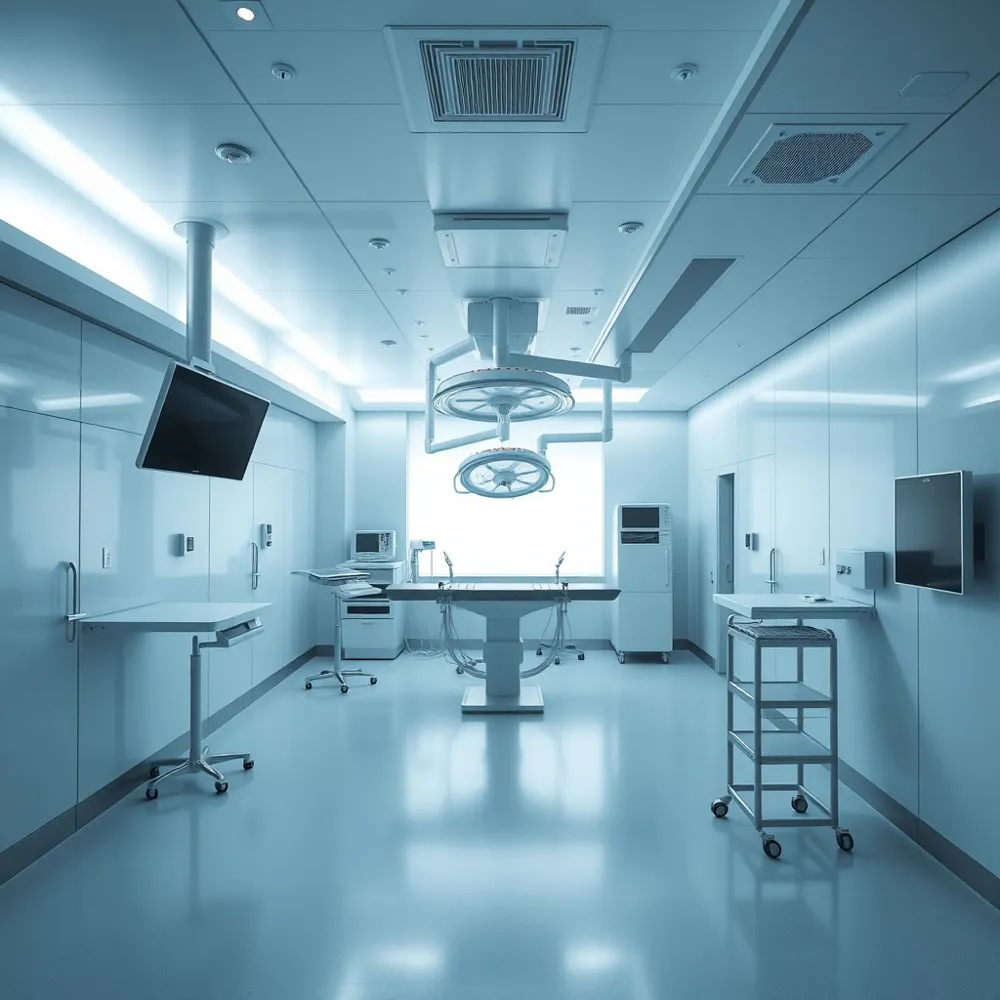 The Orthopedic Spine Institute of St. Louis focuses on a patient-first philosophy, prioritizing non-surgical care for spine conditions before evaluating whether surgery is necessary. When conservative therapies like physical therapy or medication prove ineffective, minimally invasive spine surgery (MISS) may become a viable avenue for addressing specific, localized issues.
This modern surgical approach utilizes small corridors to access the spine, allowing surgeons to address common conditions such as herniated discs and degenerative disc disease while minimizing damage to surrounding tissues. Beyond these, MISS is frequently used to treat lumbar spinal stenosis, spondylolisthesis, and various forms of compression fractures. By employing advanced instrumentation, a skilled surgeon can often treat pinched nerves or cervical spondylosis with less blood loss and a reduced risk of infection compared to traditional open techniques.
For patients living with scoliosis or kyphosis, MISS may be an option, provided the anatomy is accessible and the deformity is not overly complex. Other treatable conditions include spinal instabilities and certain spinal tumors. However, the decision to proceed rests on whether the issue can be safely reached through small surgical windows. Dr. David S. Raskas ensures that each patient receives an individual evaluation to determine if this approach aligns with their specific anatomical needs and goals for recovery.
Who is a candidate for minimally invasive spine surgery, and who might not be?
Minimally invasive spine surgery is often ideal for patients experiencing conditions like herniated discs, spinal stenosis, degenerative disc disease, or scoliosis that have not sufficiently improved with conservative treatments such as physical therapy or medication. Ideal candidates generally possess good overall health and are motivated to actively participate in their post-operative rehabilitation. Conversely, patients with complex spinal deformities, significant comorbidities, or specific anatomical complications may not be candidates for this approach. In such cases, a surgeon may determine that a traditional open procedure is necessary to safely and effectively address the underlying issue. Ultimately, a thorough clinical evaluation is essential to assess whether MISS is the appropriate, safest treatment path for your specific spine condition.
Who Is Typically a Good Candidate?
 Selecting the right surgical path requires a careful assessment of your unique anatomy and health profile. At the Orthopedic Spine Institute of St. Louis, we prioritize conservative care first, typically recommending surgery only after patients have failed to find relief through physical therapy, targeted injections, or medication management.
Ideal candidates are usually in strong overall health, as significant comorbidities can add complexity to the operation. Smoking is a significant factor in these outcomes, as nicotine impairs the body's natural ability to grow bone and heal effectively. Because of this, non-smokers or those willing to commit to long-term cessation are often better positioned for success. Additionally, we look for patients who are motivated to participate actively in their recovery, as physical therapy and follow-up rehabilitation plans are essential to regaining full function.
How effective is minimally invasive spine surgery?
Minimally invasive spine surgery is highly effective, with success rates often exceeding 90% in patients who meet the clinical criteria, such as having a clear, localized source of nerve compression that is anatomically accessible through small corridors, per clinical findings from HSS. By using specialized tools to tunnel beneath muscles rather than cutting through them, surgeons can achieve results comparable to traditional open surgery while causing far less damage to surrounding tissues. This precision is particularly beneficial for those struggling with conditions like herniated discs or spinal stenosis. Because the procedure is less disruptive, patients often benefit from shorter hospital stays and faster recovery. Ultimately, an experienced spine specialist like Dr. David S. Raskas will determine if you are a candidate by verifying that your specific pathology can be safely and effectively addressed without the need for an traditional, larger incision.
When Miss Might Not Be the Right Choice
While minimally invasive spine surgery (MISS) provides significant benefits for many, it is not a universal solution for every spinal concern. Surgical safety and anatomical access remain the absolute priority at Orthopedic Spine Institute of St. Louis, where Dr. David S. Raskas utilizes a patient-first approach to determine if your condition truly benefits from a smaller incision or if a traditional open approach offers a more reliable outcome.
Certain anatomical and health factors can make a minimally invasive approach less practical or potentially unsafe. Complex spinal deformities, such as severe scoliosis or multi-level kyphosis, often require a larger, open view to ensure an accurate correction and stable fusion. Similarly, patients with substantial epidural scarring from previous operations may face increased risks during a smaller, guided procedure. Other contraindications include severe osteoporosis that might compromise hardware placement, active cancer treatments, or extreme obesity, which can complicate both the surgical corridor and recovery. Furthermore, heavy smokers should note that nicotine significantly impairs bone healing and may force a reconsideration of the surgical plan.
What is the typical recovery time following minimally invasive spine surgery?
Recovery times for MISS are significantly shorter than traditional open procedures because the technique minimizes muscle and tissue disruption. While the exact timeline depends on the specific procedure performed and your individual health, many patients experience less postoperative pain and a faster return to daily activities. Some individuals may be able to return to work or light activities within a few weeks, though a full recovery typically spans several months as the spine continues to heal. During this period, your surgical team will guide you through a personalized rehabilitation plan to ensure a safe and effective transition back to your normal routine. Because every patient’s journey is unique, Dr. Raskas will provide a tailored recovery outlook based on your specific condition and treatment goals.
Pre-Surgical Evaluation and Imaging Requirements
Before proceeding with minimally invasive spine surgery (MISS), surgeons require a rigorous diagnostic phase to ensure the anatomy is accessible through small corridors. At the Orthopedic Spine Institute of St. Louis, Dr. David S. Raskas conducts a comprehensive physical exam and thorough medical history review to confirm you are a suitable candidate. This initial evaluation helps determine whether specialized techniques will effectively address the root cause of your pain compared to traditional open methods.
Imaging is vital for localizing the exact source of symptoms. Surgeons typically rely on MRI, CT scans, and X-rays to map the spine's alignment and identify specific nerve compression sites. Beyond spine-specific imaging, physicians assess overall health through preoperative blood tests and electrocardiograms, particularly for patients who may need inpatient monitoring. Evaluating your unique anatomy, age, and lifestyle is essential, as some complex spinal conditions may necessitate larger incisions to ensure patient safety.
Does insurance cover minimally invasive spine surgery?
Yes, many insurance providers cover minimally invasive spine surgery, particularly when it is determined to be medically necessary to treat a specific, identifiable spine condition. Coverage typically depends on your individual insurance plan, which may have its own criteria regarding medical necessity, network restrictions, and coverage exclusions. Before scheduling your procedure, it is important to review your policy and discuss pre-authorization requirements with your provider's office to understand your specific benefits. Insurance companies generally authorize these procedures when conservative treatments, such as physical therapy or medications, have not successfully relieved your symptoms. Our office is here to help guide you through the process of navigating insurance approval and understanding the financial aspects of your care.
Preparing for Surgery: Steps to Optimize Outcomes
Preparing for minimally invasive spine surgery (MISS) requires proactive lifestyle adjustments to ensure optimal healing. At the Orthopedic Spine Institute of St. Louis, we prioritize your long-term success by guiding you through every step of the pre-surgical process. Because smoking nicotine significantly impairs the body's ability to grow and repair bone tissue, smoking cessation is a mandatory requirement to reduce surgical risks and support successful instrumentation fusion.
Beyond lifestyle changes, you must coordinate with your medical team to pause or modify specific medications that could complicate blood clotting. Maintaining your physical health through light, approved activity levels is also beneficial, as it helps keep your muscles conditioned for post-surgical rehabilitation. We encourage our patients to arrange for assistance at home before their procedure date, as initial recovery periods require restricted activity to protect the surgical site.
What is the typical recovery time following minimally invasive spine surgery?
Recovery times for MISS are significantly shorter than traditional open procedures because the technique minimizes muscle and tissue disruption. While the exact timeline depends on the specific procedure performed and your individual health, many patients experience less postoperative pain and a faster return to daily activities. Some individuals may be able to return to work or light activities within a few weeks, though a full recovery typically spans several months as the spine continues to heal. During this period, your surgical team will guide you through a personalized rehabilitation plan to ensure a safe and effective transition back to your normal routine. Because every patient's journey is unique, Dr. David S. Raskas will provide a tailored recovery outlook based on your specific condition and treatment goals.
| Preparation Step | Clinical Goal | Patient Action |
|---|---|---|
| Smoking Cessation | Improve Bone Healing | Quit nicotine prior to surgery |
| Medication Review | Manage Bleeding Risk | Adjust regimens with physician |
| Facility Planning | Ensure Safety | Determine Inpatient vs Outpatient |
Understanding the Risks and Success Rates
For patients considering minimally invasive spine surgery (MISS), understanding the balance between potential risks and outcomes is vital for an informed decision. While individual results vary based on anatomy and overall health, success rates typically exceed 90% for symptom relief in patients who are properly selected for these procedures. At the Orthopedic Spine Institute of St. Louis, Dr. David S. Raskas utilizes these advanced techniques to treat conditions like herniated discs or spinal stenosis, offering patients the benefit of significantly less blood loss and a lower infection risk than traditional open surgery.
Potential Surgical Risks to Consider
Although MISS is often safer than traditional approaches, all surgical interventions carry inherent risks. Known complications include nerve damage, blood clots, dural tears (spinal fluid leaks), and infection. Patients may also face risks related to anesthesia, or in rare cases, instrumentation failure during the stabilization process. A specific risk unique to these procedures is the remote possibility that a surgeon may need to convert the operation to an open procedure if the anatomical view is insufficient or if complications arise during the surgery.
The Orthopedic Spine Institute of St. Louis prioritizes safety by conducting a rigorous preoperative evaluation. This diagnostic phase typically requires advanced imaging to confirm that your specific anatomy is accessible via small, targeted corridors. By thoroughly vetting each case, we minimize the likelihood of requiring a transition to open surgery, allowing most patients to experience the benefits of reduced tissue trauma and a faster recovery compared to traditional open methods.
Recovery Timeline: What to Expect After Miss
Recovery times for minimally invasive spine surgery (MISS) are notably shorter than those associated with traditional open procedures, primarily because the approach minimizes trauma to surrounding muscles and ligaments. While exact timelines vary based on the procedure complexity, your age, and your overall health, the Orthopedic Spine Institute of St. Louis focuses on a patient-first approach to help you return to your daily life as safely and efficiently as possible.
What is the typical recovery time following minimally invasive spine surgery?
Most patients can expect an average recovery period of about 6 weeks before they are cleared to resume light activities. During this initial phase, the surgical team at the Orthopedic Spine Institute of St. Louis provides tailored guidance to ensure proper stabilization. While mobility often improves within these first few weeks, a full return to all normal, strenuous activities may take up to 6 months as the bone and soft tissues achieve final healing.
- Hospital stays are generally brief, lasting between 24 and 48 hours for many, though select procedures allow for outpatient, same-day discharge.
- Physical therapy and rehabilitation are critical components of the recovery process, helping to gradually restore strength, mobility, and nerve function.
- Your specific activity restrictions, such as limits on lifting or driving, will be personalized based on the technique utilized by Dr. David S. Raskas.
- Consistent follow-up appointments allow your surgeon to monitor your progress and adjust your rehabilitation plan as your spinal stability improves.
Technological Advances Enhancing Safety and Precision
Modern minimally invasive spine surgery (MISS) relies on sophisticated technology to perform complex repairs through small, targeted corridors. Unlike the broader exposures required in traditional open procedures, surgeons today utilize robotic-assisted systems that provide high-level precision for hardware placement. These systems, combined with real-time 3D imaging, allow for meticulous accuracy when navigating delicate spinal anatomy.
- Endoscopic tools with specialized lenses offer surgeons improved depth perception and visualization of the surgical site, facilitating precise nerve decompression.
- Computer-assisted navigation and CT-based guidance increase accuracy for pedicle screw fixation while reducing unnecessary radiation exposure for the entire surgical team.
- Engineered materials like 3D-printed implants and synthetic biologics allow for effective spinal fusion without requiring additional surgery to harvest bone from the patient.
How effective is minimally invasive spine surgery?
Minimally invasive spine surgery is highly effective, with success rates exceeding 90% for properly selected patients. By using advanced tools and smaller incisions, surgeons achieve results comparable to traditional open surgery while causing far less damage to surrounding muscles and tissues. The Orthopedic Spine Institute of St. Louis ensures this approach is applied only when the procedure is the safest option for your condition, emphasizing conservative care paths first. Because MISS is less disruptive to the body, patients often benefit from a faster recovery time and reduced scarring. Your surgeon will confirm if you are an ideal candidate by assessing whether your specific condition is anatomically accessible through these smaller surgical corridors.
Insurance and Coverage Considerations
Most major insurance companies offer coverage for minimally invasive spine surgery when it is deemed medically necessary. Because coverage is often plan-specific, patients must review the details of their individual policies regarding network restrictions, unique coverage exclusions, and required coinsurance or deductibles. At the Orthopedic Spine Institute of St. Louis, our team assists patients in evaluating these financial aspects to ensure a smooth administrative process.
Does insurance cover minimally invasive spine surgery?
Yes, both Medicare and private insurance providers generally cover these surgical procedures when they are identified as the most effective path to address a patient's spinal condition. Insurance carriers typically require documented evidence that the patient has exhausted conservative treatments, such as physical therapy or prescribed medications, without achieving relief. This verification process often includes a pre-authorization step where clinical records are submitted to justify the necessity of the minimally invasive approach.
Understanding the approval timeline is critical, as documentation must clearly illustrate the location and severity of the spinal issue. Our administrative staff at the Orthopedic Spine Institute of St. Louis is well-versed in navigating these requirements and can help you coordinate with your insurance carrier to secure the necessary approvals for your procedure.
Partner with Your Surgeon to Determine the Best Path Forward
The success of minimally invasive spine surgery (MISS) hinges on rigorous patient selection and precise diagnostic planning. Because every spinal anatomy is unique, identifying the right candidates is the most vital step in the treatment journey. At the Orthopedic Spine Institute of St. Louis, patients receive a comprehensive evaluation to determine if their condition allows for the muscle-sparing benefits of MISS or if traditional approaches are safer for achieving optimal, long-term stabilization.
Dr. David S. Raskas prioritizes a patient-first approach, ensuring that your path to relief begins with a thorough review of conservative care. Before proceeding with surgery, the team at the Orthopedic Spine Institute of St. Louis often explores methods like physical therapy, targeted injections, and medication management to address back, neck, and sciatica pain naturally. This structured sequence ensures surgery remains exactly where it should be—a considered, final option.
Choosing the right surgical partner means selecting an expert who balances advanced technology with your personal health history. If you are struggling with persistent symptoms, reach out to the Orthopedic Spine Institute of St. Louis to discuss your candidacy. By conducting a detailed physical assessment and reviewing advanced imaging, Dr. David S. Raskas can build a customized plan that aligns with your lifestyle goals and anatomy. Your recovery begins with a clear, honest conversation about which interventions will provide the most effective and durable relief.