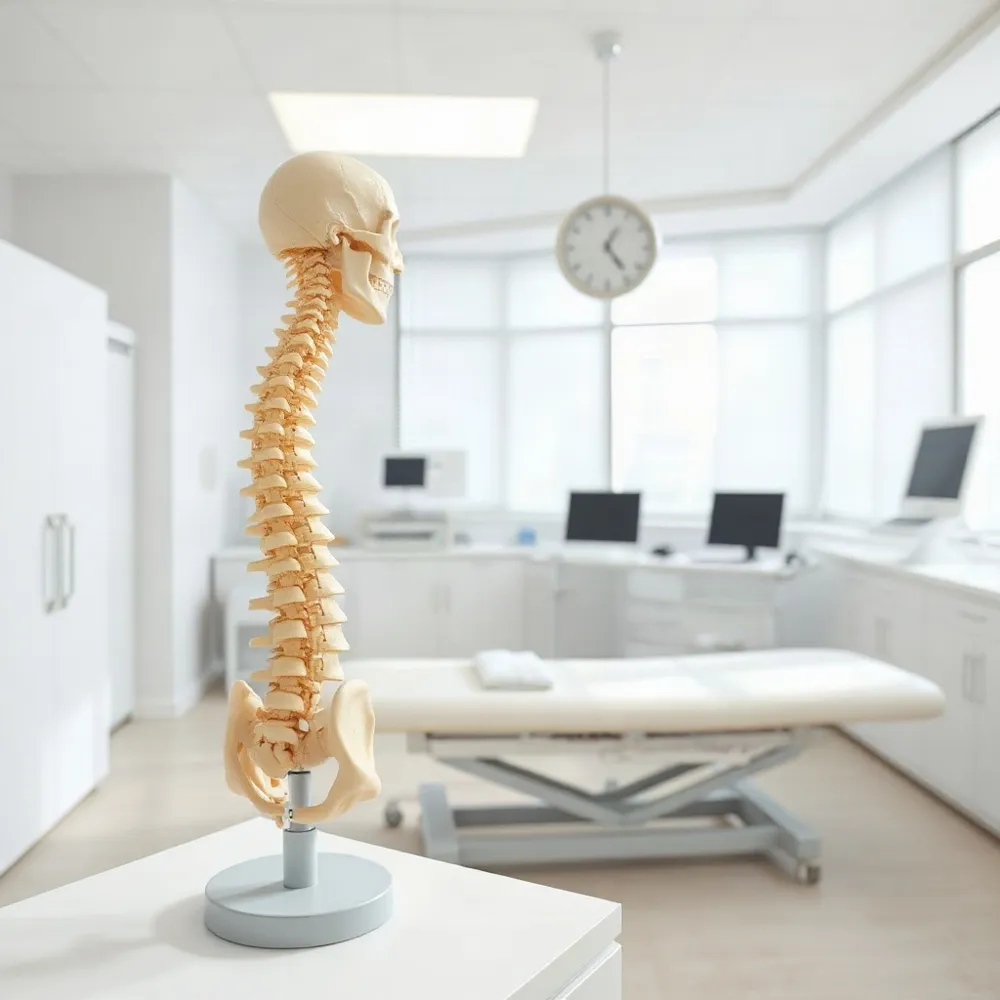
Prioritizing Your Spinal Health and Mobility
Your spine acts as the structural foundation of your daily movement. When back, neck, or sciatica pain persists, it often indicates an underlying condition that requires professional assessment. Delaying evaluation can lead to progression of symptoms, as conditions like spinal stenosis or herniated discs may worsen over time.
The Orthopedic Spine Institute of St. Louis prioritizes a patient-first philosophy, centering treatment on your specific comfort and functional goals. Unlike fragmented care models that may delay access to specialists, this approach focuses on conservative, non-surgical methods before considering minimally invasive surgery. Because approximately 76 percent of adults experience acute back pain, seeking timely intervention is essential to prevent permanent impairment and maintain long-term mobility.
Why Timely Access to Spine Specialists Is Critical
 Your spine serves as the central axis of your body, providing the structural support necessary to stand, move, and maintain balance. Prioritizing spine health is essential for preventing chronic pain and ensuring long-term mobility. While many individuals may experience temporary discomfort, persistent or worsening pain often indicates an underlying issue that requires professional attention. According to research published in the Journal of Spine Surgery, fragmented care can lead to delayed escalation or unnecessary interventions, highlighting the importance of seeking a specialized evaluation early to distinguish between benign aches and urgent neurological concerns.
Procrastinating on an evaluation carries distinct clinical risks. Conditions such as herniated discs or spinal stenosis are often progressive, meaning that leaving them untreated can transform manageable discomfort into debilitating, chronic pain. Data on surgical wait times indicates that prolonged pressure on nerves can eventually lead to permanent neurological impairment. At the Orthopedic Spine Institute of St. Louis, Dr. David S. Raskas prioritizes a conservative, patient-first care philosophy, focusing on evidence-based non-surgical methods before moving to minimally invasive procedures. This approach aims to address the root cause of pain before it necessitates more complex surgical intervention.
Recognizing When Immediate Care Matters
Certain symptoms act as red flags that demand immediate medical assessment. You should seek urgent consultation if you experience sudden loss of bowel or bladder control, significant limb weakness, or numbness in the groin area. These signs may signal severe nerve compression that risks irreversible damage if not addressed within a critical window. Unlike general urgent care facilities that may lack specialized equipment or spinal expertise, dedicated spine specialists can facilitate rapid diagnostics and coordinate a precise treatment plan tailored to your symptoms.
| Symptom Category | Clinical Implication | Recommended Action |
|---|---|---|
| Mild radiculopathy | Early nerve irritation | Schedule prompt evaluation |
| Progressive weakness | Impending nerve damage | Seek urgent consultation |
| Loss of bowel/bladder | Acute neurological deficit | Immediate emergency care |
Understanding Your Orthopedic Spine Care Journey
 An orthopedic spine practice provides comprehensive, patient-centered care for individuals suffering from conditions affecting the back, neck, and spine. These specialists utilize advanced diagnostic tools to identify the root cause of pain, such as herniated discs, spinal stenosis, or sciatica. The care journey at the Orthopedic Spine Institute of St. Louis typically begins with conservative, non-surgical treatment plans, including physical therapy, medication management, and specialized injection therapies. When these methods are insufficient to address symptoms, patients have access to advanced, minimally invasive surgical interventions designed to restore mobility and function. This multidisciplinary framework ensures that care is tailored to the individual rather than a one-size-fits-all approach.
Common Conditions and the Path to Relief
Herniated discs are frequently identified as one of the most common conditions affecting the spine, often causing pain, numbness, or weakness by pressing on nearby nerves. Spinal stenosis, which involves a narrowing of the spinal canal, is another highly prevalent condition, particularly among older adults. These issues, along with degenerative disc disease, are leading causes of persistent back and neck pain that may require medical intervention. While many patients find relief through conservative treatments like physical therapy and lifestyle modifications, these conditions remain primary reasons for seeking specialized spine care.
At the Orthopedic Spine Institute of St. Louis, we prioritize accurate diagnosis to determine whether your specific symptoms require conservative management or minimally invasive surgical options. Delaying an evaluation for these conditions can increase the risk of permanent nerve damage, making timely consultation vital. By choosing a provider that emphasizes conservative-first care, patients often find effective relief without the need for extensive procedures.
Streamlining Your First Consultation and Evaluation
 Your first spine consultation is a comprehensive evaluation designed to identify the root cause of your pain and determine the best path forward. You can expect a thorough review of your medical history and diagnostic imaging, so please bring any relevant X-rays, MRIs, or CT scans to your appointment. Our team will also perform a focused physical examination to assess your range of motion, strength, and reflexes. We will discuss your symptoms and how they impact your daily activities, as understanding your personal functional goals is essential to our care approach. Ultimately, we prioritize a patient-first philosophy that begins with exploring conservative treatment options before considering minimally invasive surgical interventions.
How should I prepare for an orthopedic spine appointment?
To prepare for your appointment, gather all relevant medical records, including any recent X-rays, MRIs, or CT scans, and send them to the office in advance if possible. Create a detailed list of your current medications and supplements to ensure your doctor has a complete picture of your health. It is also helpful to write down a clear summary of your symptoms, noting when they started, what activities trigger them, and which conservative treatments you have already tried. Bringing a family member or friend for support is recommended, as they can help you take notes and ask questions. Finally, check osistl.com to complete any necessary forms before your arrival to streamline your visit.
The Orthopedic Spine Institute of St. Louis emphasizes that proactive preparation allows for more accurate diagnoses and faster relief, as expert consultation helps establish individualized treatment plans according to research on spine care frameworks. Bringing medical records and imaging from previous facilities remains a key recommendation at major institutions like the Mayo Clinic to allow for more expeditious delivery of care.
Navigating Access to Specialized Spine Care
Managing spine health often begins with understanding the administrative path to care. Many patients assume they must secure a formal referral before seeing a specialist, yet this is not always the case. At osistl.com, Dr. David S. Raskas emphasizes a patient-first approach that focuses on conservative treatment before exploring surgical alternatives. While you may contact our office directly, it is important to verify your specific insurance plan's requirements regarding prior authorizations to avoid unexpected out-of-pocket costs.
Can I see a spine specialist without a referral?
While many patients are referred to a spine specialist by their primary care physician after an initial evaluation, a formal referral is not always required to schedule an appointment. You may be able to contact our office directly to request a consultation, though it is essential to verify your specific insurance plan's requirements beforehand. Regardless of how you arrive at our clinic, it is important to understand that seeing a spine surgeon does not automatically mean you will need surgery. We prioritize conservative, non-surgical treatment options whenever possible, utilizing surgery only as a last resort when it provides the most effective path to recovery. Please contact our office or check our website to confirm your coverage and secure your appointment with Dr. Raskas.
When to prioritize urgent evaluation
Certain symptoms act as red flags that necessitate immediate medical attention to prevent permanent neurological impairment. You should seek an urgent consultation if you experience sudden loss of bowel or bladder control, significant weakness or numbness in the limbs, or severe pain following trauma. Per research on the impact of surgical wait time, identifying these conditions early is critical for patient outcomes. Direct communication with osistl.com helps ensure that your clinical status is evaluated before a manageable condition progresses into a long-term deficit.
Taking Proactive Steps Toward Lasting Spine Health
Seeking early evaluation for back, neck, or sciatica pain significantly improves the likelihood of achieving long-term recovery without invasive procedures. While some providers like STL Spine Care or The Orthopaedic Institute of Southern Illinois offer varied approaches, the Orthopedic Spine Institute of St. Louis maintains a dedicated patient-first philosophy that prioritizes conservative treatment plans before exploring surgical interventions.
Prompt clinical intervention is essential to prevent condition progression and avoid the complications associated with delayed surgical outcomes. By choosing a specialized Orthopedic Spine Center, you ensure that your treatment is grounded in specialized expertise rather than fragmented care protocols.
If you are ready to address your discomfort, Dr. David S. Raskas offers the expert guidance needed to establish an accurate diagnosis. Take the first step toward reclaiming your mobility by reaching out to the Orthopedic Spine Institute of St. Louis to schedule your initial consultation today.