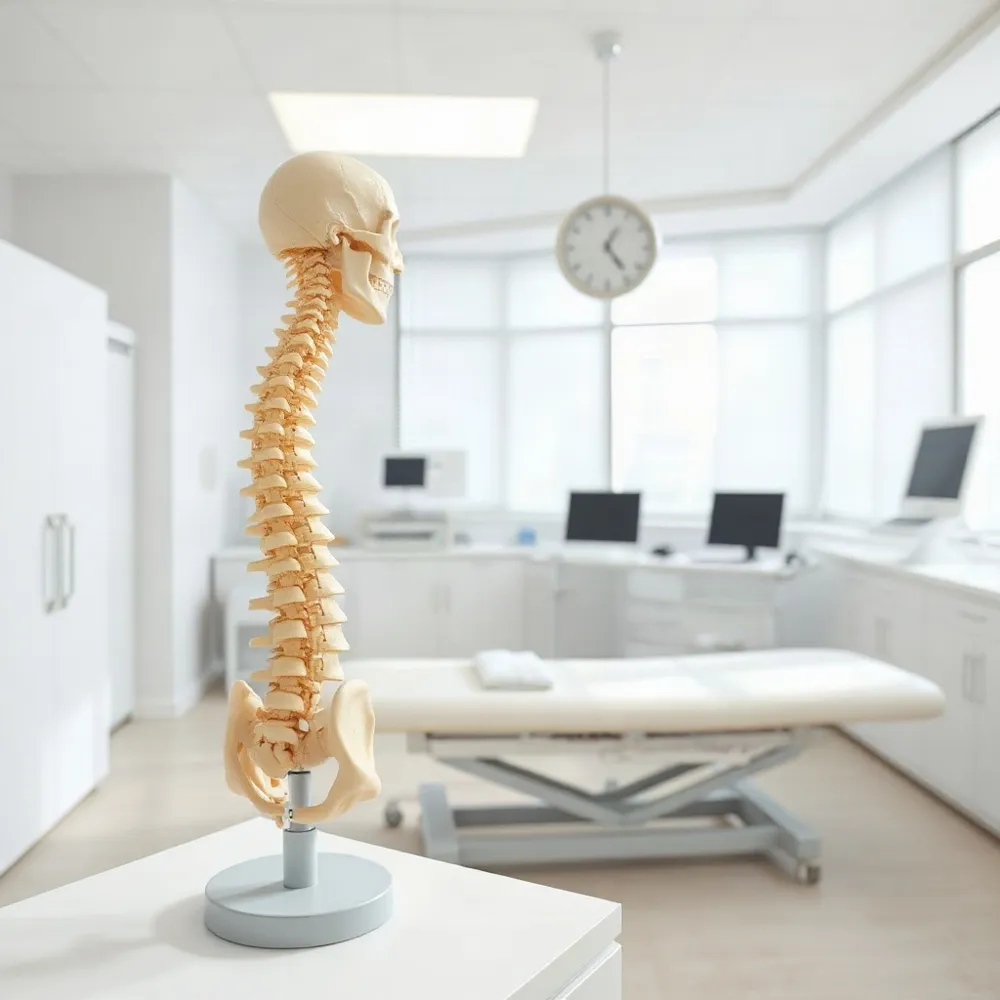
Prioritizing Conservative Care for Spine Health
Effective management of back, neck, and sciatica pain begins with a foundation of non-operative care. At the Orthopedic Spine Institute of St. Louis, the primary goal is to restore patient function and reduce pain using conservative treatment methods before considering any surgical intervention.
Physical therapy acts as the backbone of conservative care, utilizing customized exercise programs to strengthen supporting muscles and improve flexibility. By incorporating targeted physical therapy and lifestyle modifications, such as activity adjustments and medication management, many patients successfully resolve their symptoms without the need for invasive procedures. According to medical research, approximately 75 percent of individuals with chronic pain find significant improvement through these non-surgical avenues.
When consistent adherence to conservative protocols fails to provide adequate relief after a period of six to twelve weeks, it may be time to evaluate more advanced options. If persistent neurological symptoms or severe discomfort continue despite these efforts, minimally invasive spine surgery may be discussed as the next step in your treatment plan. Choosing the right path requires a professional assessment of your specific diagnosis and functional goals to ensure the most effective outcome.
Comparing Conservative Versus Surgical Approaches
 Effective management of spine health typically involves a tiered strategy, where non-operative measures serve as the foundation for recovery. At osistl.com, medical providers emphasize a conservative-first philosophy to address back, neck, and sciatica pain before evaluating the necessity of structural intervention.
What is the difference between conservative treatment and surgical treatment for spine pain?
Conservative care focuses on allowing the body to heal naturally through non-invasive modalities. This approach often includes physical therapy, which strengthens supporting muscles and improves flexibility, as well as medication management and lifestyle modifications to reduce inflammation. By targeting the source of pain without disruption, these methods resolve symptoms for a significant majority of patients.
When structural damage or persistent nerve compression is identified, minimally invasive spine surgery may become necessary to achieve results that conservative measures cannot produce. Procedures such as microdecompression or spinal fusion are designed to correct anatomical issues directly. While surgery can provide more immediate relief from severe symptoms like sciatica, clinical evidence suggests that long-term functional outcomes at the one-year mark are often similar between surgery and conservative care.
Choosing the right path requires careful evaluation. Dr. David S. Raskas and the team at osistl.com prioritize these interventions only when pain persists despite consistent conservative effort or when progressive neurological deficits are present. By maintaining this patient-first focus, the institute ensures that surgical procedures are reserved for cases where they provide the clearest path toward restored mobility and function.
Common Procedures and Modern Minimally Invasive Techniques
 When persistent back pain or nerve compression fails to respond to conservative care, surgical intervention may become necessary. Procedures are designed to restore function by alleviating pressure on delicate neural structures or stabilizing damaged segments of the vertebral column. Common spine surgeries are often performed when conservative treatments fail to relieve chronic pain or nerve compression. A discectomy involves removing part of a herniated disc to ease pressure on a nerve, while a laminectomy relieves spinal canal pressure by removing the bony lamina of a vertebra. For those with vertebral fractures due to osteoporosis, vertebroplasty and kyphoplasty stabilize the bone using medical-grade cement. Another frequent procedure is spinal fusion, which permanently connects two or more vertebrae to improve spinal stability. Additionally, a foraminotomy may be performed to enlarge the bony openings where nerve roots exit, further reducing nerve impingement.
What is the most minimally invasive spine surgery?
Endoscopic spine surgery is widely considered the most minimally invasive approach, typically performed through incisions as small as 1 centimeter. This technique utilizes a specialized camera and miniature tools to access the spine while minimizing disruption to surrounding muscles and tissues. During these procedures, surgeons may use a tubular retractor to create a tunnel to the surgical site, allowing them to work through smaller openings using specialized equipment like operating microscopes, high-resolution cameras, and robotic guidance. While endoscopic procedures offer the smallest incisions, other methods like tubular retraction also fall under the minimally invasive umbrella, using slightly larger portals to achieve similar tissue-sparing goals.
Ultimately, the most minimally invasive approach depends on your specific anatomy and the complexity of your spinal condition. Our team at the Orthopedic Spine Institute of St. Louis prioritizes these advanced, muscle-sparing techniques whenever appropriate to support your faster recovery and long-term relief. By reducing the size of the incision and sparing surrounding musculature, these minimally invasive spine surgery techniques help minimize the risk of complications and shorten the time required for a return to daily activity.
Determining Candidacy and Personalized Treatment Planning
 Selecting the right surgical approach involves a comprehensive evaluation of your medical history, current symptoms, and physical anatomy. At the Orthopedic Spine Institute of St. Louis, the patient-first care philosophy ensures that every treatment plan is tailored to the individual. Surgeons often analyze high-resolution imaging, such as MRI or CT scans, to determine if the specific source of your pain can be effectively addressed through the small surgical corridors required for Minimally Invasive Spine Surgery.
Who is a candidate for minimally invasive spine surgery, and who is not?
Minimally invasive spine surgery is typically considered for patients who have not experienced relief from conservative treatments, such as physical therapy, chiropractic care, or medication. Candidates often include individuals suffering from specific conditions like herniated discs, spinal stenosis, spondylolisthesis, or spinal instability. However, not all spine conditions or patients are suitable for this approach, as the complexity of the procedure requires specialized equipment and precise surgical access. Patients with severe spinal deformities, significant anatomical challenges, or certain high-risk health comorbidities may require traditional open surgery instead. Because candidacy depends on both your unique diagnosis and overall health, a thorough consultation with a specialist like Dr. David S. Raskas is essential to determine if MISS is the safest and most effective option for your recovery.
While Minimally Invasive Spine Surgery offers significant benefits, including reduced tissue trauma and potentially faster recovery times, safety remains the primary priority. Surgeons may recommend a traditional open approach if a procedure requires extensive correction of a complex deformity or if an open field provides superior visualization to prevent nerve injury. Factors like severe osteoporosis or a history of multiple previous surgeries can also influence this decision. Ultimately, the goal is to choose the method that provides the best long-term outcome while minimizing risks, ensuring that patients receive the care best suited to their specific physiological needs.
Recovery Timelines and Surgical Risk Profiles
Minimally invasive spine surgery is designed to reduce tissue disruption, often allowing for shorter hospital stays compared to traditional procedures. While same-day discharge is possible for many patients, more complex cases may require a hospital stay of one to three days. Recovery time varies based on the specific procedure and your overall health, but the focus during the first few days is on pain management and early mobilization, such as short walks. Most patients notice a decrease in pain between days three and five, though a full recovery arc typically spans several weeks to months. Your surgeon at osistl.com will provide a personalized plan to guide your return to daily activities, with milestones such as driving often dependent on your individual healing progress.
While Minimally Invasive Spine Surgery offers the benefit of reduced tissue disruption and faster recovery, it still carries risks common to any surgical procedure, such as anesthesia complications, infection, or excessive bleeding. Because these surgeries are performed through smaller incisions using specialized instruments, there is a technical learning curve for surgeons, which can occasionally lead to prolonged operating times or the need for a secondary procedure if the underlying issue is not fully addressed. Patients may also experience nerve irritation, numbness, or persistent pain during the healing process as the body adjusts to the surgical intervention.
Not every patient is an ideal candidate, as certain complex spinal conditions may be more safely or effectively managed through traditional open surgery. Unlike facilities that may push a one-size-fits-all approach, the experts at osistl.com always conduct a thorough evaluation to weigh these potential risks against the specific benefits for your spinal health, ensuring that your treatment plan is both safe and appropriate for your unique needs.
Assessing Success and Defining Recovery Goals
Minimally invasive spine surgery is widely recognized for achieving high success rates, with many patients reporting significant relief from chronic pain and improved mobility following their procedure per AANS. While specific outcomes vary based on the underlying condition, such as a herniated disk versus spinal stenosis, these techniques are designed to be as effective as traditional open surgeries while minimizing trauma to the surrounding muscles per Cleveland Clinic.
What is the general success rate for minimally invasive spine surgeries?
Research indicates that the complication rate for spinal procedures remains low per Hopkins Medicine, and patients often benefit from a faster recovery time due to the smaller surgical incisions per HSS. At osistl.com, success is defined by your individual health goals and the anatomical findings of your spine. Because clinical data is best interpreted in the context of your personal diagnosis, the most reliable way to gauge your potential for a successful outcome is through a thorough consultation with a specialist who can review your imaging and discuss realistic expectations for your recovery.
Taking the Next Step Towards Your Recovery
Deciding to address chronic back, neck, or sciatica pain is a significant move toward restoring your quality of life. At the Orthopedic Spine Institute of St. Louis, the care team prioritizes a conservative-first philosophy, ensuring that every patient explores non-operative treatments before surgical intervention is ever considered.
When persistent symptoms necessitate a more advanced approach, scheduling a consultation with Dr. David S. Raskas allows for a comprehensive evaluation of your unique spinal anatomy and health history. By leveraging the institute's extensive patient-focused resources, you can move forward with a clearly defined, personalized care path tailored to your specific functional needs and long-term recovery goals.