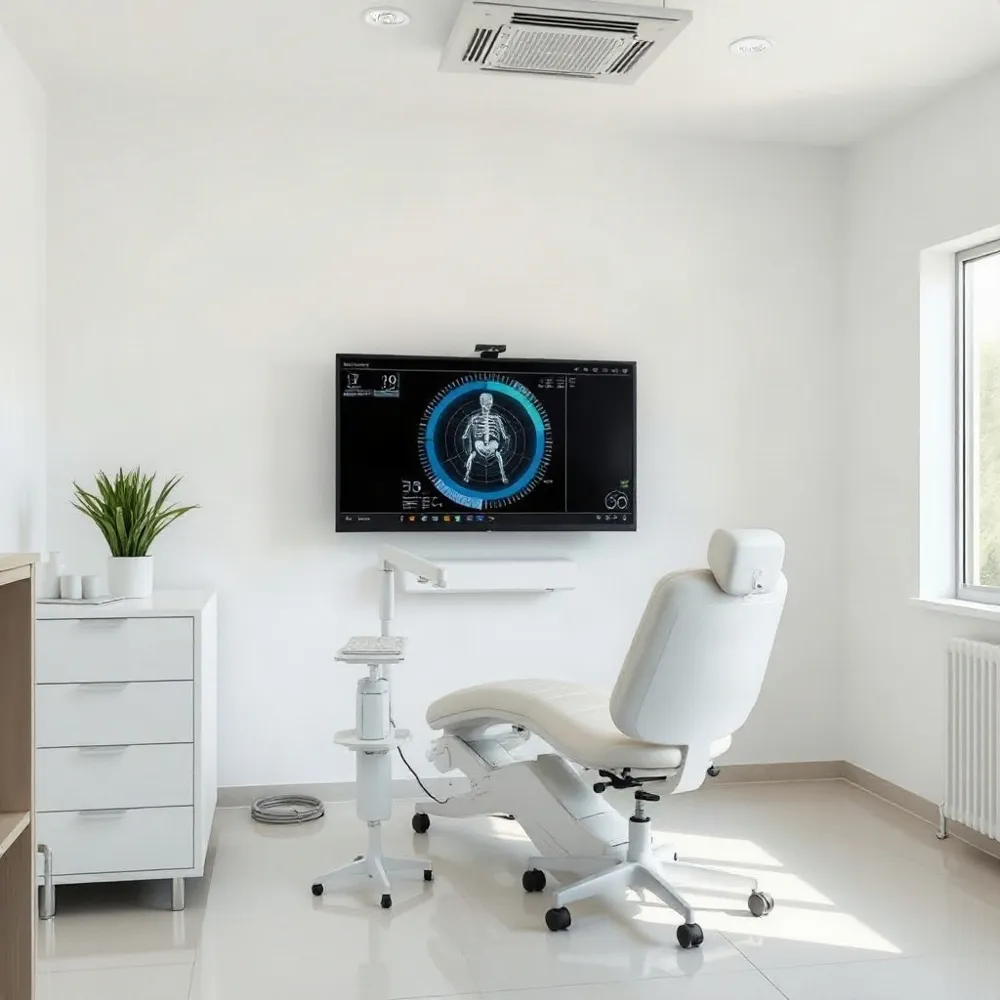
Welcome to Patient-First Spine Care
At the Orthopedic Spine Institute of St. Louis, we believe your journey toward relief should be rooted in clear communication and shared decision-making. Our patient-first approach prioritizes your unique needs by placing your comfort and functional goals at the center of every clinical choice. Unlike facilities that rush through standard diagnostic protocols, we dedicate time to understanding the specific nature of your back, neck, or sciatica pain.
The initial consultation is designed to build a foundation of trust between you and our team, led by Dr. David S. Raskas. This first meeting is far more than a routine check-up. It is a collaborative process where we listen to your history, review existing imaging, and evaluate how your pain impacts your daily life. This careful attention helps us avoid the generic treatments often found in high-volume clinics.
We view your first visit as the beginning of a road map for recovery. By establishing a tailored plan that begins with conservative care before considering minimally invasive surgery, we ensure you feel supported and informed every step of the way. Our goal is to replace uncertainty with a clear, individualized strategy that restores your mobility and long-term health.
Recognizing When It Is Time for Expert Care
 Understanding when discomfort signals a deeper spinal issue is the first step toward effective relief. While common muscle fatigue often resolves with rest, persistent back or neck pain that hinders your daily life requires a closer look. At the Orthopedic Spine Institute of St. Louis, we prioritize early evaluation to determine if your symptoms originate from mechanical strain or structural concerns that benefit from a conservative, patient-first treatment plan.
What are the common early warning signs of spinal issues?
Early warning signs of spinal issues often begin with persistent or worsening neck and back pain, accompanied by stiffness that limits your range of motion. You may notice radiating pain, numbness, or tingling that travels into your arms, legs, or feet, which often indicates potential nerve compression. Watch for signs of muscle weakness or difficulty with coordination, such as challenges with fine motor tasks like writing or buttoning a shirt. Changes in your balance or gait, as well as cramping in the legs after standing or walking, are also common indicators. If you experience these symptoms, it is important to consult a specialist for an accurate diagnosis. Unlike generalized clinics that may jump to aggressive measures, osistl.com focuses on identifying the specific pain generator through targeted testing.
When should you seek medical attention for back pain?
Most back pain is mechanical and resolves with time, but you should seek professional medical evaluation if your pain persists beyond a few weeks, worsens despite home care, or significantly interferes with your daily activities. It is critical to contact a specialist immediately if you experience red-flag symptoms, such as unexplained weight loss, fever, or night sweats, which may indicate more serious underlying conditions. You must also seek urgent medical attention if you experience sudden loss of bowel or bladder control, saddle anesthesia (numbness in the groin area), or progressive weakness in your legs. Additionally, if your pain follows a significant traumatic event, such as a fall or accident, a timely examination is necessary to rule out fractures or spinal instability.
Because even severe pathologies do not always present with classic warning signs, consulting a spine specialist is the safest step whenever you are concerned about the nature or duration of your symptoms. At osistl.com, we utilize advanced on-site imaging and diagnostic testing to ensure your spine care plan addresses your specific pain, function, and long-term spinal health. Per NIAMS data, the goal of these initial assessments is to rule out specific underlying conditions so you can return to your regular activities with confidence.
Preparation Strategy for a Successful Appointment
 Arriving at the Orthopedic Spine Institute of St. Louis with your materials organized helps Dr. David S. Raskas focus immediately on your care rather than administrative tasks. Prior to your visit, compile your comprehensive medical history, including records of past treatments, surgical history, and physical therapy notes. Crucially, bring physical copies of all recent imaging studies, such as MRIs, CT scans, or X-rays. While digital records are helpful, having the actual discs and the official radiologist reports ensures the specialist has the complete data needed for an accurate diagnosis.
Keeping a detailed pain journal in the weeks leading up to your appointment serves as a vital tool for documenting your symptoms. Note the specific location, severity, and nature of your discomfort, such as whether it feels like burning, stabbing, or aching. Be sure to record what activities, positions, or times of day trigger your pain, as this context allows your provider to better correlate your daily experiences with your clinical examination.
Because the initial consultation includes a physical examination, wearing loose, comfortable clothing is highly recommended. This allows the physician to easily assess your posture, gait, range of motion, and muscle strength. A thorough physical assessment is central to the patient-first philosophy at the Orthopedic Spine Institute of St. Louis, enabling the team to evaluate your neurological function and identify the precise source of your pain. Preparing these elements in advance helps streamline your visit, ensuring that your 30 to 40 minutes of direct time with the doctor are used effectively to establish your path forward.
Your First Consultation Experience
 Your first appointment at the Orthopedic Spine Institute of St. Louis will typically last 30 to 60 minutes to ensure a comprehensive evaluation of your spinal health. This time is dedicated to building a clear clinical picture, beginning with an in-depth review of your medical, family, and social history. Being prepared to discuss your specific symptoms, such as the exact location of your pain, whether it radiates, and what daily activities trigger discomfort, helps our team form an accurate diagnosis. Please also bring a complete list of current medications, previous surgeries, and any past treatments like physical therapy or chiropractic care to help us avoid repeating ineffective interventions.
The physical and neurological exam
Following your medical history review, the specialist will conduct a targeted physical and neurological exam. This process involves testing your range of motion, strength, and reflexes to isolate the source of your symptoms. Because clinicians often perform a Low Back Exam to differentiate between musculoskeletal strain and potential nerve irritation, you may be asked to perform movements that help identify mechanical issues. These tests are essential for ensuring that any subsequent treatment is tailored to your unique anatomy.
We prioritize a patient-first approach to spine care, which often begins with conservative methods like activity modification and physical therapy rather than immediate surgery. If your clinical presentation suggests the need for further detail, we may order diagnostic imaging, such as an MRI or X-ray, to visualize spinal structures. At the Orthopedic Spine Institute of St. Louis, our goal is to collaborate with you to create a personalized plan that manages pain and restores function through the most appropriate, minimally invasive path.
Understanding Specific Spinal Conditions
The Orthopedic Spine Institute of St. Louis helps patients navigate complex spinal issues by prioritizing a clear diagnosis for chronic pain. Understanding the specific nature of your symptoms, such as the L3-L4 and L4-L5 spinal stenosis symptoms, is vital for developing an effective, non-surgical treatment path.
What are the common symptoms associated with L3-L4 spinal stenosis?
Symptoms of L3-L4 spinal stenosis often develop slowly and include localized lower back pain, as well as a burning sensation that radiates into the buttocks and down the thighs. Patients frequently experience numbness, tingling, cramping, or muscle weakness in the legs, which typically worsens during standing or walking. Because the L3 nerve root affects the front of the thigh and inner leg, individuals may notice a loss of sensation or persistent weakness in these areas. In some cases, this weakness can manifest as foot drop, where the foot slaps down while walking. If you experience severe symptoms such as loss of bowel or bladder control or sudden, intense leg weakness, please seek immediate medical attention.
How physicians differentiate between nerve root lesions and other conditions
Distinguishing between nerve root injury and spinal cord injury is essential during your examination. Generally, multilevel neurologic deficits suggest spinal cord injury, while motor weakness with absent reflexes often points to a nerve root lesion. While other clinics might rush to imaging, osistl.com utilizes a detailed physical and neurological exam to verify whether your pain stems from structural compression or other mechanical issues. By comparing your reported history against specific clinical markers, the medical team avoids repeating ineffective diagnostic cycles and focuses on targeted relief.
The Specialist's Approach to Treatment
Selecting a provider for spinal care often begins with evaluating the differences between orthopedic spine surgeons and neurosurgeons. While both are qualified to address complex spinal issues like stenosis, their training backgrounds offer distinct perspectives. Orthopedic spine surgeons focus on the musculoskeletal system, emphasizing spine biomechanics, structural stability, and skeletal realignment. Neurosurgeons receive specialized training in the nervous system, prioritizing delicate neural decompression and microsurgical techniques.
At the Orthopedic Spine Institute of St. Louis, the treatment philosophy is built on a patient-centered framework that prioritizes conservative care before considering surgery. Dr. David S. Raskas utilizes a multidisciplinary approach, ensuring that your treatment plan is tailored to your unique functional goals rather than relying on generic interventions. The decision between an orthopedic surgeon and a neurosurgeon often matters less than the individual specialist's fellowship experience and their commitment to preserving your long-term mobility.
What are the key differences between orthopedists and neurosurgeons in treating spinal stenosis?
While both specialists are highly trained, orthopedic surgeons often excel at complex reconstructions and stabilizing the skeletal structure of the spine. Neurosurgeons frequently focus on nerve integrity during decompression. Ultimately, patients should choose a surgeon who demonstrates a clear, conservative-first strategy and utilizes modern minimally invasive surgery when it is the most appropriate path for recovery.
Evaluating Surgical and Non-Surgical Options
For many patients suffering from persistent back or neck pain, the path to recovery begins with a conservative-first approach. At the Orthopedic Spine Institute of St. Louis, we prioritize non-surgical methods such as physical therapy, activity modification, and targeted injections to address pain generators without the need for operative intervention. This strategy allows the body to heal while strengthening the supporting structures of the spine, often yielding significant improvements in function and quality of life.
How serious is surgery for L4-L5 spinal conditions?
Surgery for L4-L5 spinal conditions is a significant medical procedure that requires careful consideration of your specific diagnosis, overall health, and lifestyle goals. While clinical success rates for procedures like fusions or artificial disc replacements can be high, often ranging from 65% to over 90% per National Institutes of Health data, every surgery carries inherent risks that must be weighed against potential benefits. The Orthopedic Spine Institute of St. Louis believes in a patient-first approach, which means we always exhaust conservative treatments like physical therapy and targeted injections before considering surgical intervention.
When surgery is necessary, modern advancements in minimally invasive techniques allow us to treat the source of your pain with less disruption to surrounding muscles and tissues. These specialized minimally invasive interventions offer a clearer roadmap to recovery compared to traditional open surgeries, as they frequently reduce post-operative pain and hasten the return to daily activity. Ultimately, the seriousness of the procedure depends on your unique anatomy and the complexity of the condition, making a thorough evaluation with a specialist essential for your long-term recovery.
Making the Most of Your Consultation
Your first visit to the Orthopedic Spine Institute of St. Louis is a collaborative effort between you and your specialist. Beyond providing a detailed medical history, arriving prepared with specific questions helps you maximize this dedicated time. Understanding your diagnosis is the foundation for your long-term spinal health.
What are the most important questions to ask your doctor about your back pain?
To ensure you receive the best care, start by asking for a clear explanation of your diagnosis and the underlying cause of your pain. Inquire about all available conservative, non-surgical treatment options and how long you should try these methods before considering surgical intervention. It is also important to ask how you can modify your daily activities to manage symptoms and prevent further strain. Finally, discuss the long-term prognosis for your condition and ask which specific warning signs or red flags should prompt you to seek urgent medical attention.
Bringing a trusted friend or family member along can transform your experience. This support person can help recall details during your office visit and assist in taking notes when technical information is discussed. By the end of the appointment, you should feel confident in your roadmap for care, including any planned follow-ups or additional diagnostics required to refine your treatment strategy.
Taking the First Step Toward Long-Term Spinal Health
Addressing back or neck discomfort early is essential for maintaining your quality of life. Chronic pain that persists for 12 weeks or more, or pain that significantly hinders daily activities, is a common threshold for seeking professional consultation with a spine specialist per Sciatica.com.
At the Orthopedic Spine Institute of St. Louis, we prioritize a patient-first approach that begins with conservative care rather than rushing to invasive measures. Modern spine care has evolved significantly, offering advanced diagnostic tools and effective, less invasive procedures that can restore function and mobility. Many patients assume they have exhausted all options when, in fact, there are numerous non-surgical paths left to explore.
Do not let persistent discomfort limit your future. You can book an appointment with Dr. David S. Raskas at the Orthopedic Spine Institute of St. Louis to receive a tailored evaluation. Taking action today is the most effective way to secure long-term spinal health.