When Disc Pressure Becomes the Focus
Pain that travels from the back into a leg can make ordinary tasks difficult. Some people also notice numbness, tingling, or weakness. When a herniated disc presses on a nearby nerve root, it can trigger these symptoms, including sciatica.
A microdiscectomy aims to ease that pressure by removing the disc fragment that is pressing on the nerve. The surgeon does not routinely remove the entire disc. The procedure is generally considered when nonsurgical care, such as medication or physical therapy, has not provided enough relief; the microdiscectomy overview from Hospital for Special Surgery explains how treatment decisions depend on symptoms and clinical evaluation.
Surgery is one option, not an automatic next step. At osistl.com, care for back and sciatica pain starts conservatively, with minimally invasive surgery considered when appropriate. The operation, recovery, and likely benefit vary with a person’s symptoms, health, and examination findings, so a spine specialist can help weigh the options.
When Surgery May Be Considered
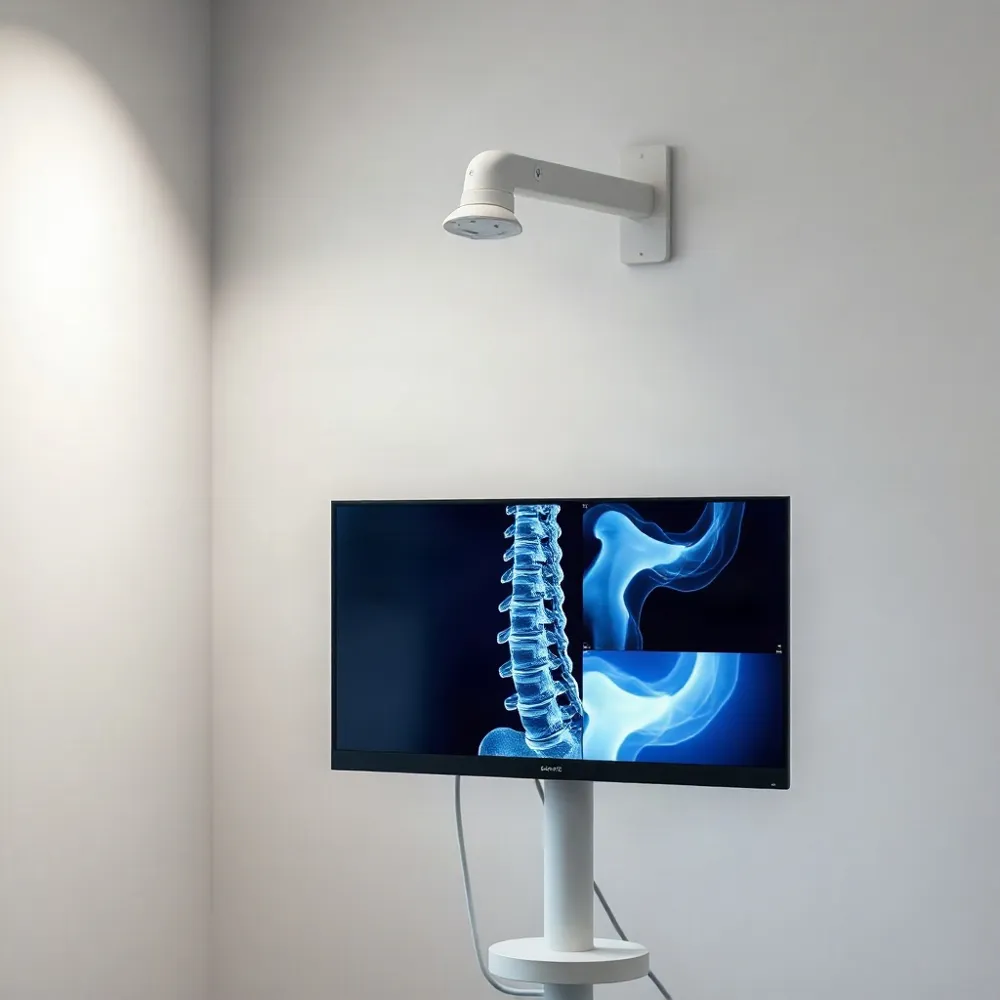 A herniated disc on an image does not, by itself, mean surgery is needed. A spine specialist considers symptoms, examination findings, and imaging together to check whether the disc is pressing on a nerve in a way that explains the patient’s symptoms. This matching process helps distinguish a likely source of nerve pain from an incidental imaging finding. Learn more about how symptoms and imaging inform treatment decisions.
Microdiscectomy may be discussed when radiating leg pain, numbness, tingling, or weakness persists and limits daily activities. The procedure is intended to relieve symptoms caused by nerve compression, so it may not help pain limited to the lower back. At osistl.com, care starts conservatively, with minimally invasive surgery considered when appropriate.
Many herniated discs improve without surgery. Nonsurgical care may include physical therapy, medication, or injections. A typical trial lasts about 6–12 weeks before microdiscectomy is considered, though the right timing depends on symptoms and clinical findings. Hospital for Special Surgery’s microdiscectomy guidance describes this general approach. Surgery may be deferred when symptoms are mild or improving, conservative care has not yet been tried, or imaging does not show nerve compression that accounts for the symptoms.
Motor weakness can affect how soon surgery is considered. Cauda equina syndrome, which can disrupt bladder or bowel function, requires immediate surgical intervention. Anyone experiencing new loss of bladder or bowel control should seek urgent medical care.
Whether microdiscectomy is worth considering depends on the likely benefit for a person’s nerve-related symptoms weighed against surgical risks, including infection, recurrent disc herniation, or injury to a nerve or its covering. A specialist can discuss those risks alongside the examination and imaging findings.
How the Procedure Relieves Pressure
 Microdiscectomy is a form of spinal decompression. The surgeon removes the herniated disc fragment pressing on a nerve, rather than routinely taking out the entire disc. This can ease nerve-related symptoms such as sciatica, though the specific plan depends on the patient’s anatomy and examination.
For a lower-back procedure, the patient lies face down. The team may use X-ray imaging before or during surgery to confirm the affected spinal level. Through a small incision, the surgeon works with magnification, such as a microscope or surgical loupes, and specialized instruments in the confined space around the spine. The Hospital for Special Surgery overview of microdiscectomy describes these techniques and their purpose.
Access varies. A midline approach moves muscle aside, while tubular and endoscopic approaches create narrower corridors using smaller instruments or a camera. These methods differ in how they reach the disc and how much surrounding tissue is disturbed. A tubular approach, for example, uses a muscle-splitting corridor rather than cutting through the back muscles, as described in the AO Foundation’s surgical reference.
To reach the nerve, the surgeon may make a small opening in the lamina, the bony arch at the back of a vertebra, and move a ligament aside. The surgeon then identifies the nerve root and removes the disc material causing pressure. Small amounts of bone or ligament may also be removed if they contribute to compression.
The aim is to relieve pressure while preserving as much healthy tissue as possible. At Orthopedic Spine Institute of St. Louis, treatment planning starts with an individual assessment, and the technique is selected according to the patient’s symptoms and anatomy.
The Time in the Operating Room
The microdiscectomy itself typically takes about 30 to 60 minutes, according to Hospital for Special Surgery’s patient guide. That estimate refers to the operation, not the full time spent at the medical facility.
General anesthesia, preparation, and monitoring in the recovery area extend the visit. In many cases, the total time at the facility is about two hours, and patients go home the same day. The exact schedule can vary with the planned approach and individual circumstances.
At Orthopedic Spine Institute of St. Louis, Dr. David S. Raskas evaluates treatment options based on each patient’s symptoms and clinical findings. Ask your surgeon how long your planned procedure and recovery-room stay are likely to take, and whether anything about your case could affect the estimate.
Risks and Possible Results
Every operation has potential risks, though complications are not expected in every case. With microdiscectomy, these may include bleeding, infection, blood clots, a reaction to anesthesia, or injury to a nerve or the dura, the protective covering around spinal nerves. The Hospital for Special Surgery microdiscectomy guide describes a dural tear as rare; if one occurs, the surgeon may repair it during the operation.
The Orthopedic Spine Institute of St. Louis evaluates symptoms, examination findings, and imaging when discussing whether surgery fits a patient’s situation. This individualized assessment also helps identify other spinal problems that may need separate treatment, rather than assuming a microdiscectomy will address every source of pain.
Relieving pressure on a nerve does not mean every symptom disappears at once. Pain may improve quickly, while numbness, tingling, or weakness can take longer to ease as the nerve recovers. Some symptoms may persist if the nerve does not fully recover, and results vary with the individual and the duration of compression.
Many patients gain meaningful relief from disc-related pain and improved ability to carry out daily activities. These practical changes are more useful measures of success than a single label, since definitions of surgical success differ. A surgeon can help set realistic expectations for symptom relief, function, and how recovery may unfold.
A disc can herniate again, and a recurrence may lead to further evaluation or treatment. A second microdiscectomy may be an option if the same disc herniates again; after a third herniation at that disc, a different approach may be recommended. Surgery also does not prevent age-related changes or a herniation at another level.
Before deciding, discuss personal risk factors, likely benefits, other possible causes of symptoms, and what options might be available if pain returns. The surgeon can explain how these considerations apply to your health and goals.
The First Weeks of Recovery
 Early recovery can bring incision discomfort, stiffness, or soreness in the back. Sitting or standing in one position may also feel uncomfortable at first. These effects generally ease as healing progresses, but the pace differs from person to person.
Pain traveling into the leg may improve quickly after the nerve is decompressed. Numbness, tingling, or other nerve symptoms can take longer to settle, particularly when the nerve was compressed for an extended period. Temporary cramping can occur as well. The Hospital for Special Surgery’s microdiscectomy guide describes these symptoms and notes that relief may vary.
Many patients have an initial period of about two weeks to allow soft tissues to heal, then build activity gradually. Modified activity may continue for about six weeks, and returning to usual routines can take up to about eight weeks for some people, according to Alberta Health’s recovery guidance. These are general timeframes, not a schedule to follow without your surgeon’s approval.
When appropriate, physical therapy often starts around four to six weeks after surgery. It may address core strength, joint mobility, and a home exercise program. Time away from work depends on how recovery is progressing and the physical demands of the job. At Orthopedic Spine Institute of St. Louis, treatment planning begins with individual evaluation, and recovery recommendations should reflect each patient’s needs.
Follow the surgical team’s instructions for wound care, medication, and activity, even when they differ from general guidance. Contact the care team if pain is severe, worsening, or not improving as expected.
Moving Safely at Home
Gentle movement can help you return to daily routines, but the right pace depends on your recovery and your surgeon’s instructions. Walking is generally encouraged as tolerated. Begin with short bouts and gradually add more, rather than aiming for a fixed distance or daily target. Alberta Health Services’ recovery guide also recommends increasing walking little by little.
If pain, tingling, or fatigue increases and does not settle with rest, ease back and resume more slowly. Contact your care team if symptoms worsen significantly or persist despite reducing activity. The Orthopedic Spine Institute of St. Louis emphasizes patient-first care, with treatment and guidance tailored to each person’s needs.
Change positions regularly, especially if you work at a desk or find sitting uncomfortable. A supportive chair may help. For sleep, some people find it more comfortable to lie on their back with a pillow under the knees, or on their side with a pillow between the knees. These are comfort options, not requirements. Stand or walk as tolerated, and follow your surgeon’s individual restrictions.
Wait to drive until you are pain-free, no longer taking medication that causes drowsiness, and able to move between the pedals and turn comfortably. A practice drive in a safe area, with someone else present, can help you assess readiness before returning to regular traffic. Ask your surgeon if you are unsure.
Returning to Usual Activities
Many people return to familiar routines after microdiscectomy, but recovery does not follow one fixed schedule. Healing, lingering nerve symptoms, the type of work you do, and the physical demands of your activities all affect when it is safe to do more.
Early on, your surgeon may ask you to limit bending, twisting, or heavy lifting while the tissues heal. These are temporary precautions, not necessarily lifelong restrictions, and the timing varies by patient and procedure. Follow your own care plan instead of assuming that an activity is either permanently off-limits or safe to resume. The Hospital for Special Surgery’s microdiscectomy guide describes a gradual return to activity, with modified activity commonly continuing during early recovery.
Walking is often part of the gradual return, while physical therapy, when recommended, can help rebuild strength and mobility. Returning to work also depends on the job: physically demanding duties may call for extra caution, while people who sit for work can benefit from changing position and taking brief movement breaks. For more on how activity progresses, see this guide to usual activities after microdiscectomy.
Many patients resume usual activities, though some soreness or numbness may take longer to settle, and symptoms can recur. Contact your care team promptly for new weakness, changes in bladder or bowel function, or severe, unexpected back or leg pain.
Planning for Cost and Coverage
How much does microdiscectomy cost, and what affects insurance coverage? There is no single price in the available patient-education information. Your estimate may vary by surgeon, facility, location, and whether the procedure is outpatient or requires an overnight stay. The practice’s cost and coverage questions offer related guidance on planning for surgery expenses.
A bill may include separate charges for the surgeon, facility, anesthesia, imaging, laboratory work, medication, follow-up visits, and physical therapy. Insurance approval may depend on medical-necessity rules, documentation of symptoms and examination findings, imaging results, prior nonsurgical care, prior authorization, and whether the surgeon and facility are in network.
Before scheduling, ask your insurer and care team to review coverage and prepare a personalized estimate. Confirm your deductible, copays, coinsurance, and out-of-pocket maximum, and ask which services may be billed separately. At osistl.com, care begins with a conservative approach when appropriate, and the team can discuss treatment options and help you understand what to ask about your individual plan.
A Decision Guided by Individual Needs
Microdiscectomy aims to relieve pressure on a nerve from a herniated disc, but symptom relief and recovery vary. Hospital for Special Surgery’s patient guide explains that individual factors shape treatment and outcomes.
A spine specialist can review your symptoms, imaging, prior care, risks, recovery expectations, and insurance coverage. At osistl.com, care begins with a conservative approach when appropriate, with minimally invasive surgery considered when needed. An individual evaluation can help clarify whether to continue nonsurgical care or discuss surgery.