
Understanding the Surgical Approach
Minimally invasive spine surgery (MISS) describes ways to reach and treat the spine through small incisions using specialized instruments. Rather than one specific operation, it is an approach that may be used for selected procedures, such as removing a herniated disk or relieving pressure on a nerve. A tubular retractor can create a narrow path to the treatment area while gently moving nearby muscles aside, and imaging or a camera may help guide the surgeon. Johns Hopkins Medicine explains how MISS is performed.
The smaller access points may limit disruption to nearby tissue, but MISS is still surgery. It is not suitable for every condition or patient, and a smaller incision does not guarantee less pain, faster recovery, or a particular result. The safest approach depends on the diagnosis, the procedure, and the person’s health.
At Orthopedic Spine Institute of St. Louis, care starts conservatively, with minimally invasive surgery considered when appropriate. The sections ahead explain how the technique works, when surgery may be considered, what recovery can involve, and what to discuss with a spine specialist. Patients can also review the American Academy of Orthopaedic Surgeons’ overview of minimally invasive spine surgery as they prepare questions for a clinical visit.
How the Approach Works
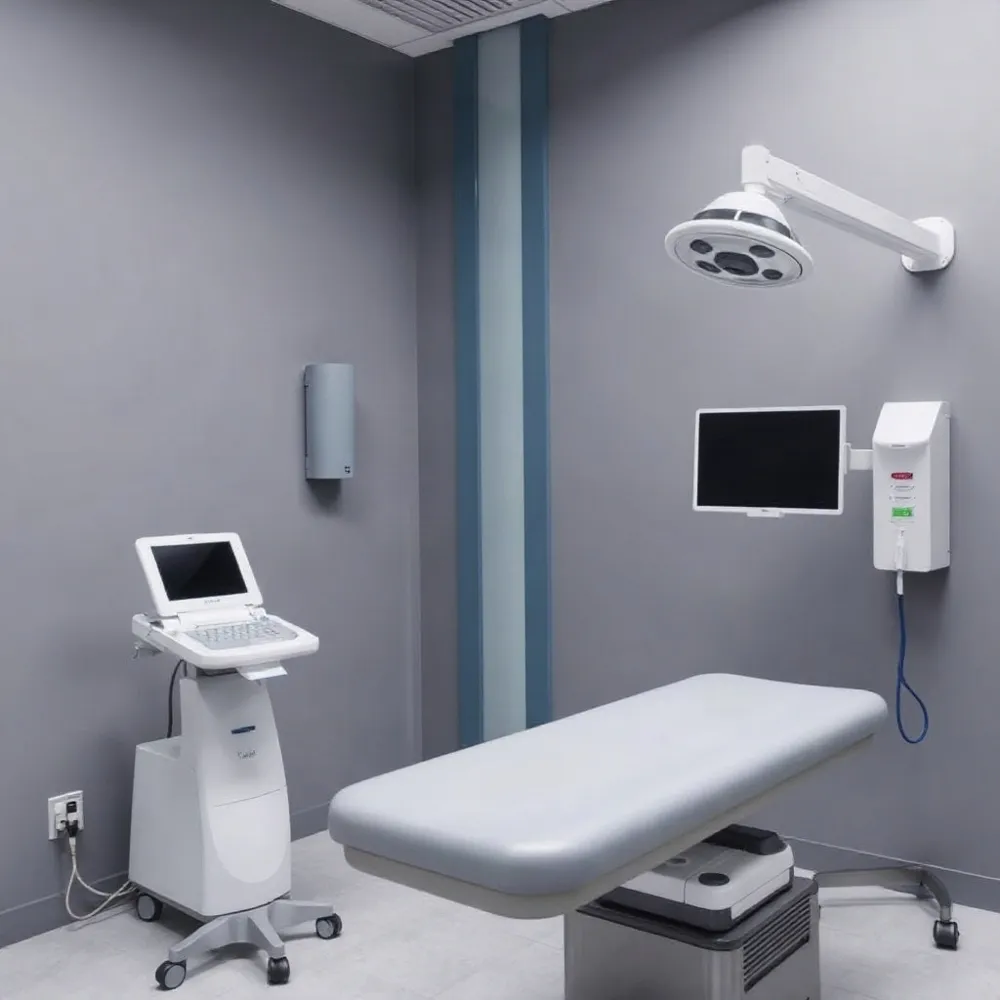 Minimally invasive spine surgery reaches the treatment area through one or more small incisions, using specialized instruments rather than exposing a broad area of the spine. At the Orthopedic Spine Institute of St. Louis, treatment planning starts with the patient’s condition and available options, including conservative care when appropriate.
In a common technique, the surgeon guides a tubular retractor through an incision. The tube creates a narrow working passage and gently holds muscle and soft tissue aside, allowing instruments to reach the spine without opening a larger area. The approach and tools used depend on the procedure and the patient’s anatomy. Johns Hopkins Medicine describes the tubular retractor technique.
To see and guide the work, a surgical team may use a microscope, a small camera, or real-time X-ray imaging. Computer-assisted guidance and robotic assistance may also be used for some procedures, depending on the surgeon, facility, and clinical need. These tools support access and visualization, but do not determine by themselves whether a minimally invasive operation is the right choice.
Open surgery generally involves a larger incision and more exposure of nearby muscles and tissue. A minimally invasive approach aims to limit that disruption, which may mean less postoperative discomfort or a shorter recovery for some patients. Those are possible benefits, not promises: the result depends on the specific operation and individual circumstances. A spine specialist can explain which approach fits the diagnosis and the patient’s goals.
Procedures That May Use This Technique
Minimally invasive spine surgery describes how a surgeon reaches the spine, not a single operation. The technique may be used for several procedures, but suitability depends on the diagnosed problem and the patient's anatomy. The American Academy of Orthopaedic Surgeons overview of minimally invasive spine surgery explains that these techniques can be used for decompression and fusion.
Decompression aims to make more room for spinal nerves when bone or other tissue presses on them. A laminectomy is one form of decompression: the surgeon removes or reshapes part of the lamina, the bony covering over the spinal canal. A lumbar or cervical discectomy, by contrast, removes the portion of a disk that is pressing on a nerve.
When instability is the concern, a surgeon may consider spinal fusion or fixation. Fusion joins vertebrae, and rods and screws may help hold them in position while they heal. These procedures can also be performed through a minimally invasive approach in selected cases, as described in AAOS guidance on decompression and fusion.
At osistl.com, care begins with conservative options and considers minimally invasive surgery when appropriate. The specific operation is chosen after evaluating the source of symptoms, spinal level, anatomy, and clinical findings. Not every patient or procedure is suited to a minimally invasive approach, so the surgeon can explain the options and why one method may fit the diagnosis better than another.
When Surgery May Be Considered
 Surgery is generally considered when appropriate nonsurgical care, such as medication or physical therapy, has not adequately relieved symptoms and a clinician believes an operation may address the underlying problem. Most people with back pain do not need surgery, and an operation cannot correct every cause of pain. At Orthopedic Spine Institute of St. Louis, care starts conservatively, with minimally invasive surgery considered when appropriate.
Conditions that may lead to a surgical discussion include a herniated disk, spinal stenosis, spinal deformity, instability, a vertebral fracture, or certain tumors and infections. These diagnoses do not automatically mean surgery is needed, or that a minimally invasive approach is suitable. The American Academy of Orthopaedic Surgeons’ overview of minimally invasive spine surgery notes that surgery depends on identifying a specific source of symptoms and determining whether treatment can address it.
Candidacy depends on how well symptoms, examination findings, and imaging point to a treatable cause. A surgeon also considers whether the target can be reached safely through a smaller surgical corridor, which procedure is planned, and the patient’s overall health. Age or a diagnosis alone does not settle the question.
Some complex conditions or procedures may be better treated through a different approach, and not every facility has the equipment and experience required for minimally invasive surgery. A specialist can explain the alternatives, individual risks, and reasons for recommending one approach over another. Cleveland Clinic likewise emphasizes that suitability depends on the problem and whether it can be reached through a small surgical corridor (candidate guidance).
If surgery is being discussed, ask what evidence links the diagnosed condition to your symptoms, what nonsurgical options remain, and what the proposed operation is expected to improve. The decision should reflect your circumstances and goals, not the label “minimally invasive” alone.
Risks and Important Tradeoffs
A smaller incision may limit disruption to nearby tissue, but it does not make spine surgery risk-free or guarantee a better result. Potential benefits such as less pain or a shorter recovery are not assured, and symptoms may persist even after the operation.
Possible complications include infection, bleeding, blood clots, nerve or other tissue injury, anesthesia problems, spinal-fluid leakage, and pain where bone graft is taken. Risks can also depend on the procedure: fusion, for example, may involve misplaced hardware or bones that do not fuse as expected. The American Academy of Orthopaedic Surgeons’ overview of minimally invasive spine surgery describes these risks and notes that recovery and outcomes vary.
A person’s age, general health, diagnosis, and the operation planned all affect individual risk. In uncommon cases, the surgeon may need to change to an open approach or recommend another operation. At the Orthopedic Spine Institute of St. Louis, care begins conservatively, and surgery is considered only after a thorough evaluation and discussion of the risks and benefits with the patient.
Planning for an L4-L5 Problem
L4-L5 names the disk between the fourth and fifth lumbar vertebrae, along with the nearby bones. It identifies a level in the lower back, not a diagnosis, a specific operation, or an automatic reason for surgery. The American Academy of Orthopaedic Surgeons’ overview of minimally invasive spine surgery explains that the treatment target and the source of symptoms need to be identified before surgery is considered.
At this level, a herniated disk or spinal stenosis may be considered alongside a person’s symptoms, examination, and imaging. An imaging finding alone does not determine treatment. At osistl.com, care for back and sciatica pain starts conservatively, with minimally invasive surgery considered when appropriate.
The operation depends on what is causing the problem. A discectomy removes the portion of a disk pressing on a nerve; decompression creates more room for a nerve by addressing pressure from bone or other tissue. Fusion joins vertebrae to stabilize the spine in selected cases. These procedures have different aims and are not interchangeable.
Surgery is generally considered when appropriate nonsurgical care has not adequately helped and the diagnosis is one an operation may address. Whether a minimally invasive approach fits depends on the condition, the planned procedure, and the patient’s health. Risks and recovery vary accordingly, so patients can discuss alternatives, expected benefits, and likely recovery with their clinician before deciding.
Pain and Early Recovery
Some soreness or discomfort is common after minimally invasive spine surgery. The smaller access route may disturb less muscle and soft tissue than an open approach, which can ease postoperative pain for some patients, but it does not prevent pain or guarantee a particular level of comfort. The Johns Hopkins overview of minimally invasive spine surgery notes that recovery and discomfort vary with the procedure and the person.
The care team may recommend prescribed pain medicine, cold packs, and regular walking to help manage discomfort. Ask the team before taking over-the-counter pain relievers, since some medicines may not be appropriate after a specific operation or alongside other prescriptions. At osistl.com, care begins with an individualized assessment, so patients can discuss their procedure and postoperative instructions with their spine-care team.
Some patients go home the day of surgery, while others stay overnight or longer, depending on the operation and their needs. Patients generally need someone to drive them home. Follow the surgeon’s instructions for activity and incision care, and contact the care team promptly about increasing drainage, fever, or worsening pain. Trouble breathing or a severe headache calls for immediate medical attention.
Recovery and Returning to Activities
 There is no single recovery timetable after minimally invasive spine surgery. How long it takes depends on the condition treated, the procedure, overall health, and how healing progresses. Some patients may resume normal activities within a few weeks, but a fuller recovery can take longer. The Cleveland Clinic’s recovery guidance stresses that timelines vary by person and operation.
The type of procedure matters. After a smaller operation that relieves pressure on a nerve, a patient may build back toward daily routines differently than someone recovering from a spinal fusion. With fusion, the bones need time to heal together, even if symptoms begin to improve earlier. At the Orthopedic Spine Institute of St. Louis, care begins with an individual assessment, and the recommended approach depends on the patient’s diagnosis and circumstances.
Your care team may ask you to limit lifting or bending, walk regularly, wear a brace temporarily, or attend physical therapy. Follow-up visits help the surgeon check healing and adjust guidance as needed. Instructions vary, so do not assume that a smaller incision means you can return to strenuous activity sooner.
Increase activity gradually and wait for the care team’s approval before resuming heavy lifting, demanding exercise, or other strenuous tasks. Ask your surgeon for a personal timeline for returning to work, household tasks, driving, exercise, and activities that matter to you. For more detail on how individual recovery plans can differ, see recovery after spine surgery.
Setting Realistic Outcome Expectations
There is no single success rate for minimally invasive spine surgery. A discectomy, decompression, and fusion address different problems, and results depend on the diagnosis, the operation, and a patient’s overall health and circumstances. The Cleveland Clinic’s overview of minimally invasive spine surgery also notes that expected success varies by technique and patient.
The goals may include treating the source of symptoms, reducing pain or nerve-related problems, and helping a person function better. Complete relief is not assured, and an operation may not resolve symptoms caused by other conditions.
Smaller incisions and less disruption to nearby tissue may reduce pain, blood loss, scarring, or recovery time compared with open surgery, but these are possible advantages, not promised results. At the Orthopedic Spine Institute of St. Louis, care starts conservatively, with minimally invasive surgery considered when appropriate.
Ask the surgeon what success means for your specific diagnosis, which symptoms the procedure is expected to address, and what degree of improvement is realistic. Discussing those expectations alongside alternatives and risks can help you make an informed decision. See realistic outcome expectations for spine surgery for more context.
Costs and Coverage Questions
What factors affect the cost of minimally invasive spine surgery, and may insurance cover it? There is no single price for this approach. The total depends on the specific operation, how many spinal levels are treated, and the complexity of the case.
Charges may include the surgeon, hospital or surgery facility, anesthesia, imaging, and follow-up care. Whether outpatient care is appropriate depends on the procedure and the patient’s needs, so it should not be assumed to cost less in every case. The American Academy of Orthopaedic Surgeons’ overview of minimally invasive spine surgery explains that some procedures may be outpatient, while care and recovery vary.
Insurance coverage and requirements vary by plan and procedure. Before scheduling, ask your insurer about benefits, network requirements, deductibles, copays, exclusions, and any prior authorization requirements. Confirm details with the care team as well, since the planned procedure and facility can affect which charges apply.
Making an Informed Decision
“Minimally invasive” describes how a surgeon reaches the spine, not a promise that an operation will be simple, risk-free, or successful. The right approach depends on the diagnosis, the procedure, and a person’s health and goals.
Before deciding, ask a qualified spine specialist how the diagnosis was established, which nonsurgical options remain, and what benefits, risks, recovery needs, follow-up, and costs to expect. It is also reasonable to ask about the surgeon’s experience with the proposed procedure. The American Academy of Orthopaedic Surgeons’ overview of minimally invasive spine surgery explains that this approach is not appropriate for everyone.
At Orthopedic Spine Institute of St. Louis, care starts conservatively, with minimally invasive surgery considered when appropriate. An individualized evaluation can help clarify options for back, neck, or sciatica symptoms, without assuming surgery is the right choice.