When Narrowing Limits Everyday Movement
Lumbar spinal stenosis occurs when the canal in the lower back narrows and presses on nearby nerves. For some people, standing or walking brings on pain, tingling, numbness, or cramping, while sitting or leaning forward eases symptoms. These changes can make ordinary routines harder, but symptoms alone do not identify the right treatment.
Minimally invasive lumbar decompression, including the MILD procedure, may be considered for selected patients when thickened ligament contributes to nerve pressure. It is one option, not a universal treatment or a substitute for an individual assessment.
At osistl.com, care for back and leg pain starts conservatively, with minimally invasive surgery considered when appropriate. A discussion with Dr. David S. Raskas can take symptoms, examination findings, imaging, prior treatments, overall health, and personal goals into account when weighing next steps.
Recognizing Lumbar Spinal Stenosis
 What is spinal stenosis, and what symptoms can it cause? Spinal stenosis means that spaces within the spine have narrowed, which can put pressure on the spinal cord or nearby nerves. It commonly affects the lower back or neck, and some people have no symptoms.
In the lower back, narrowing may cause back or leg pain, cramping, numbness, tingling, or weakness. Symptoms often become more noticeable during standing or walking and ease when sitting or leaning forward. Neck stenosis can cause neck pain, symptoms in the arms or legs, balance difficulties, or trouble with fine hand movements.
These symptoms can have causes other than stenosis, so clinicians consider a person’s symptoms alongside a physical examination and imaging. An MRI can help show changes in disks and ligaments, while other imaging may be used when appropriate. The Mayo Clinic’s overview of spinal stenosis diagnosis and treatment explains how these findings help guide care.
At osistl.com, care for back, neck, and sciatica pain starts with an assessment and conservative options when appropriate, with minimally invasive surgery considered when a patient’s diagnosis and needs support it. This individualized approach helps distinguish imaging findings from the source of a person’s symptoms.
New bowel or bladder control changes or rapidly worsening weakness need prompt medical attention. These symptoms may signal serious nerve compression and should not wait for a routine appointment.
Starting With Individualized Care
Treatment for spinal stenosis often begins with nonsurgical care. The right plan depends on how symptoms affect daily life, what an examination and imaging show, a person’s overall health and goals, and which treatments have already been tried. A scan is one part of the decision, not a reason by itself to recommend surgery.
What treatments are available for spinal stenosis, and how is the right option chosen?
Options may include physical therapy, tailored exercise, adjustments to activity or posture, and medication. In some cases, a clinician may also discuss therapeutic or epidural steroid injections. These approaches can ease symptoms and support function, but they do not widen the spinal canal, and their suitability and effects vary. Mayo Clinic’s overview of spinal stenosis treatment describes care as guided by symptom severity and individual assessment.
At Orthopedic Spine Institute of St. Louis, care starts conservatively and treatment decisions reflect the patient’s symptoms, examination, imaging, health, and response to prior care. This helps distinguish a finding on an image from a condition that is actually limiting movement or causing nerve-related symptoms.
Can spinal stenosis be treated without surgery?
Yes. Many people try nonsurgical approaches first, sometimes in combination. Physical therapy and guided exercise can help maintain strength and movement, while activity or posture changes, medication, or an injection may help manage symptoms. These treatments do not remove the narrowing, and improvement is not the same for everyone. A clinician can review whether the plan is helping and whether other options merit discussion.
When might surgery be recommended for spinal stenosis?
Surgery may be considered when pain, numbness, weakness, or difficulty walking continues to interfere with daily activities despite an appropriate course of nonsurgical care. Significant or worsening nerve-related symptoms may also prompt further evaluation. The decision weighs potential benefits and risks alongside the person’s health, priorities, and recovery needs. Guidance on when surgery may be considered for lumbar spinal stenosis likewise emphasizes symptoms and personal circumstances.
New or worsening weakness, sudden changes in walking, or loss of bladder or bowel control needs prompt medical attention. For other persistent symptoms, a discussion with a spine specialist can clarify whether to continue conservative care or consider a procedure.
How MILD Creates More Space
 Minimally invasive lumbar decompression (MILD), also called percutaneous image-guided lumbar decompression (PILD), is a procedure for some people with lumbar spinal stenosis. It is designed for cases where a thickened ligamentum flavum contributes to narrowing and nerve pressure. The evaluation at osistl.com begins with conservative care and considers procedures only when appropriate to the person’s diagnosis and health.
During MILD, a clinician removes small amounts of thickened ligament and, when needed, bone. The goal is to make more room in the spinal canal and reduce pressure on nearby nerves. An MRI and review of symptoms can help determine whether the narrowing is caused by tissue this procedure can address. Johns Hopkins Medicine explains how MILD is used for lumbar spinal stenosis.
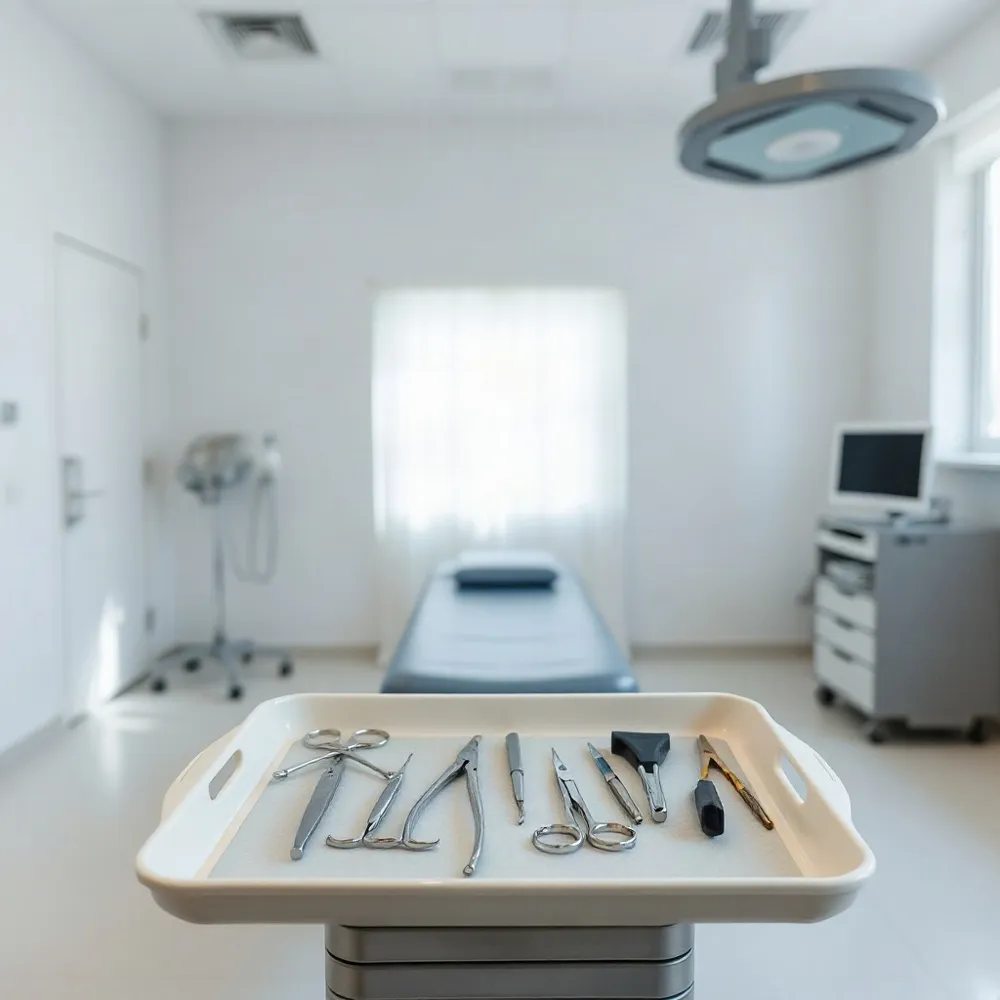
The clinician uses specialized instruments through a small incision, guided by fluoroscopic X-ray images. MILD generally involves local anesthesia with mild sedation rather than general anesthesia. It is usually performed as an outpatient procedure, takes about an hour, and patients typically go home the same day. When narrowing affects more than one area, more than one lumbar level may sometimes be treated during the same procedure.
The word “decompression” can also refer to non-surgical spinal decompression therapy, which uses traction to stretch the spine. That is a different treatment, not the image-guided procedure described here. A spine specialist can review the source of nerve pressure and discuss whether MILD or another approach fits the individual situation.
Who May Be Considered for MILD
Who may be a candidate for minimally invasive lumbar decompression, including the MILD procedure? It may be considered for someone with painful lumbar spinal stenosis linked to thickening of the ligamentum flavum, especially when medication, physical therapy, or therapeutic injections have not provided enough relief.
Symptoms can prompt an assessment, but they do not confirm that MILD is appropriate. Back or leg pain, numbness, tingling, or cramping that worsens with standing or walking and eases when sitting or leaning forward can occur with lumbar stenosis. A clinician must determine whether stenosis is causing the symptoms and whether thickened ligament is contributing to the narrowing. Johns Hopkins Medicine’s MILD guidance describes the procedure as an option for selected patients, not a treatment for every case.
Assessment typically brings together a discussion of symptoms and treatments tried, a physical examination, and imaging. A recent MRI may help show where the canal is narrowed and whether ligament thickening is a suitable target. The clinician also considers overall health, prior procedures, and whether another treatment may better address the source of compression. At Orthopedic Spine Institute of St. Louis, care begins with an individual assessment and conservative options remain part of the discussion when appropriate.
MILD may not be recommended for someone who has had prior spine surgery or has an infection in the affected area. These factors do not replace a full medical review, and suitability depends on the person’s diagnosis and health circumstances. A consultation with Dr. David S. Raskas can help clarify what the imaging shows and which options fit the patient’s situation.
Weighing Benefits and Risks
What are the potential benefits and risks of surgery for spinal stenosis?
When lumbar stenosis presses on nerves, decompression aims to create more room and ease related pain, numbness, weakness, or difficulty standing and walking. Whether that benefit is likely depends on the source of compression and how closely it matches a person’s symptoms. At osistl.com, care starts with an individual assessment and a conservative approach, with minimally invasive surgery considered when appropriate.
MILD is intended for selected patients whose narrowing involves thickened ligamentum flavum. Johns Hopkins describes research in which MILD was associated with greater and more durable pain relief than epidural steroid injections, as well as average improvements in standing tolerance and walking distance. These are study findings, not guarantees of a particular person’s outcome; Johns Hopkins’ overview of MILD also notes that results vary.
MILD is not risk-free. Possible complications include infection, bleeding, injury to a nerve or the spinal cord, epidural hematoma, a dural tear or leak, and spinal instability. The likelihood and significance of these risks depend on individual health and anatomy, so patients should review them alongside the possible benefits and alternatives with their clinician.
How effective is surgery for spinal stenosis, and what factors affect the outcome?
Outcomes can depend on what is causing nerve pressure, which area is treated, overall health, and the procedure selected. One study cited by Johns Hopkins found that 12% of patients underwent spine decompression surgery within five years after MILD. That figure describes a study group; it does not predict whether an individual will need another procedure.
A decision should account for symptom severity, daily activities, imaging, prior treatments, and personal preferences. The Alberta Health Services guide to lumbar spinal stenosis surgery describes weighing expected symptom relief against surgical risks, recovery needs, and the option of continuing nonsurgical care. At osistl.com, this patient-first discussion supports choosing a plan based on the person’s circumstances rather than assuming surgery is the next step.
Preparing for Recovery
 Preparing for MILD involves reviewing health details and practical arrangements with the care team. A clinician may request recent MRI imaging to assess the narrowed area. Tell the team about allergies and all medications, especially blood thinners and antibiotics, since some medicines may need adjustment. Confirm your personal instructions, including whether to avoid food for at least six hours before the procedure, and arrange for someone to drive you home. Johns Hopkins Medicine’s MILD guidance outlines these preparation steps.
What is recovery like after minimally invasive surgery for spinal stenosis?
Recovery varies with the procedure performed and the person’s health and circumstances. After MILD, patients are usually monitored briefly and can go home the same day if no complications arise. Temporary soreness or pain near the incision is expected. Do not drive, bathe, or swim on the procedure day, and follow your clinician’s instructions about when to resume driving.
During the first week, mild incision pain or swelling may continue before easing. Avoid heavy lifting and strenuous activity as directed. Depending on job duties and recovery, returning to work within a few days may be possible, but timing should be discussed with the care team.
Many people gradually return to normal activities during the first month. If prescribed, physical therapy may begin around two weeks after the procedure. Your clinician should guide increases in activity, as well as decisions about work, exercise, and returning to sports. Recovery instructions can differ after other minimally invasive procedures, so patients should not assume that one timeline applies to every operation.
At Orthopedic Spine Institute of St. Louis, care begins with an individual assessment and may include conservative treatment before surgery is considered. A recovery plan should reflect the procedure, health needs, and daily responsibilities rather than a fixed timetable.
If Symptoms Persist or Return
Some people notice relief soon after MILD, with further improvement over days to weeks. Full benefit may take three to 12 months, and results vary. If symptoms persist, return, or change, contact the treating clinician for reassessment rather than assuming the cause. Johns Hopkins describes the range of recovery and follow-up options after MILD.
Can spinal stenosis return after decompression surgery?
Yes. Narrowing or related symptoms can return, and new pain does not necessarily mean stenosis has recurred. A clinician can review symptoms, perform an examination, and order imaging when appropriate to check for remaining or recurrent compression or another cause. MILD targets thickened ligament tissue in selected cases, so it may not address every source of back or leg pain.
At osistl.com, care for back and leg pain starts with an individual assessment and a conservative approach when appropriate. That helps place persistent symptoms in context before another treatment is considered.
What options are available if the MILD procedure does not relieve symptoms?
If improvement is limited or symptoms continue, follow up with the treating clinician. Depending on the diagnosis, imaging, health, and prior care, next steps may include nonsurgical treatment, MILD at another compressed level, or another procedure. Options can include a laminectomy or laminotomy, disk removal, spinal fusion, or a spacer; each is suited to different findings. The choice of surgery for spinal stenosis depends on where and why nerves are compressed.
One study cited by Johns Hopkins found that 12% of people who had MILD underwent decompression surgery within five years. This is a study result, not a prediction for any one person. At osistl.com, Dr. David S. Raskas provides patient-first evaluation of back, neck, and sciatica pain, with minimally invasive surgery considered when appropriate.
Choosing the Next Step Together
MILD is one option for selected people whose lumbar stenosis involves thickened ligamentum flavum. It is not suited to every cause of narrowing or every patient, so imaging and a clinical assessment help determine whether it may address the source of nerve pressure. Johns Hopkins Medicine’s overview of MILD explains the procedure’s intended use and considerations.
At osistl.com, care for back, neck, and sciatica pain starts conservatively, with minimally invasive surgery considered when appropriate. A discussion with a spine specialist can bring together your symptoms, imaging, health history, prior treatments, and daily needs to compare continued nonsurgical care, MILD, and other approaches.
Ask about potential benefits and risks, recovery expectations, and whether your insurance covers a recommended procedure. An individual evaluation can help you decide on a plan that fits your diagnosis and priorities, without assuming that surgery is the next step.