Understanding SI Joint Syndrome and Conservative Care
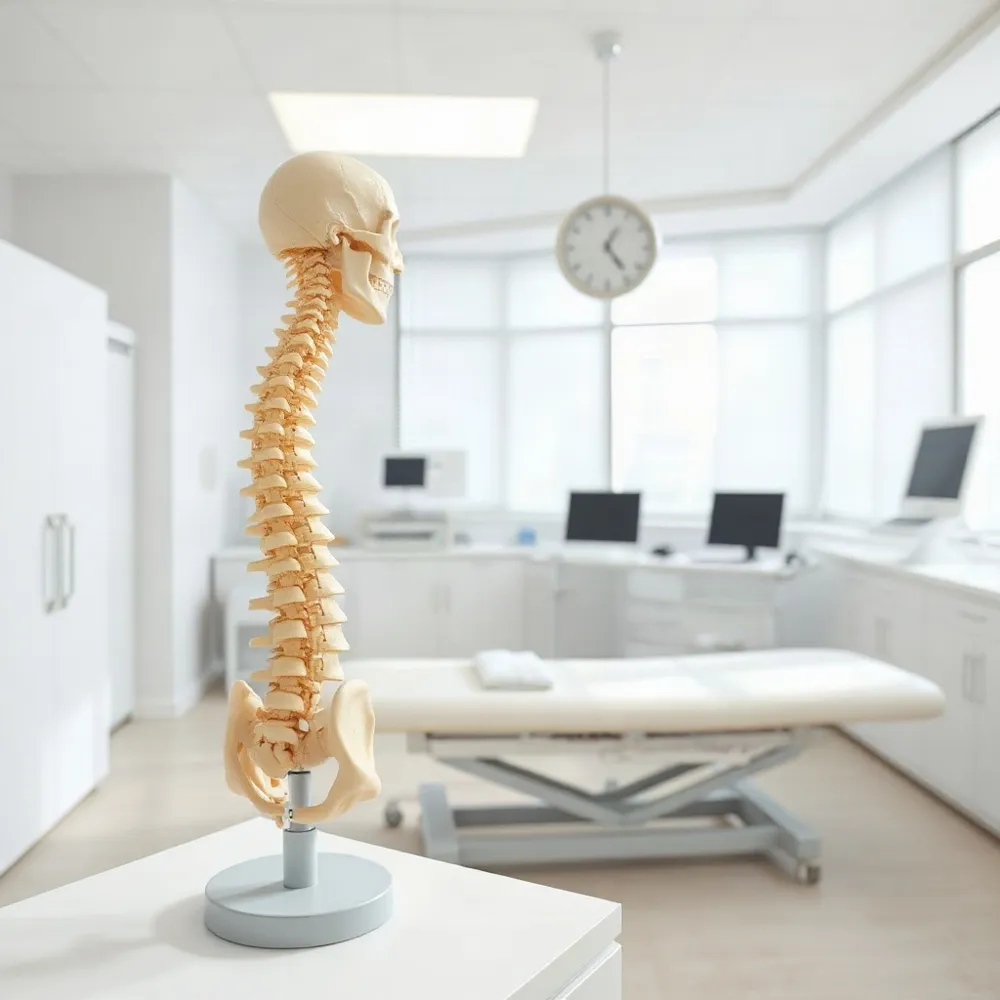
The sacroiliac (SI) joints connect the sacrum of the spine to the pelvic bones, functioning as vital shock absorbers that transfer weight and force between the upper body and the legs. When these joints experience inflammation or dysfunction, they often become a significant source of chronic low back, buttock, or radiating leg pain. Accurate identification of these symptoms is essential, as they frequently mimic other conditions like lumbar disc issues.
At osistl.com, our philosophy centers on a patient-first approach that prioritizes comprehensive conservative management. By focusing on non-surgical strategies, patients can often restore function and alleviate discomfort without the risks associated with invasive procedures. This structured stepwise approach typically integrates physical therapy, medication, and, if necessary, targeted joint injections to confirm the diagnosis and reduce systemic inflammation.
Conservative care is the recognized first-line protocol for SI joint dysfunction. These methods aim to stabilize the pelvic girdle and correct biomechanical imbalances through guided strengthening exercises. Surgery is only considered for patients who continue to experience debilitating symptoms despite a diligent, evidence-based rehabilitation program, ensuring that invasive options remain a final solution rather than a starting point.
The Standard Non-Surgical Treatment Pathway
 Effective management of sacroiliac (SI) joint syndrome centers on a structured, stepwise progression of conservative care. Because chronic SI joint pain can significantly diminish quality of life, an early and accurate diagnostic evaluation by an orthopedic specialist is necessary to rule out other spinal pathologies and confirm the joint as the primary pain generator. Before considering invasive procedures, providers typically prioritize non-surgical strategies aimed at reducing inflammation and restoring mechanical stability.
The primary clinical approach involves the use of nonsteroidal anti-inflammatory drugs (NSAIDs) to decrease localized swelling and modulate pain levels. Alongside pharmacological support, patients are encouraged to implement targeted activity modification, which involves avoiding repetitive twisting, prolonged static positions, or high-impact movements that exacerbate joint stress. These initial steps are frequently paired with specialized physical therapy designed to improve lumbopelvic alignment and strengthen supporting musculature.
What is the standard treatment approach for sacroiliac (SI) joint pain?
The standard approach for treating sacroiliac (SI) joint pain typically begins with conservative management, such as physical therapy to strengthen surrounding muscles and activity modification to reduce stress on the joint. Patients are often advised to use over-the-counter NSAIDs or, in some cases, prescribed muscle relaxers to manage discomfort. If initial methods are insufficient, a provider may perform an SI joint injection using corticosteroids to directly reduce inflammation and pain. These injections can also serve a diagnostic purpose by helping confirm that the joint is the primary source of the symptoms. When conservative care fails to provide adequate relief, we evaluate more advanced options, such as minimally invasive procedures, to address persistent pain.
Physical Therapy and Mechanical Stabilization
 Physical therapy serves as a foundational element in addressing the mechanical origins of sacroiliac joint dysfunction. By focusing on the lumbar-pelvic-femoral complex, therapists aim to restore pelvic symmetry and improve the structural mechanics of the spine and hips The effectiveness of physiotherapy interventions for sacroiliac joint. At osistl.com, our approach emphasizes targeted exercise programs that go beyond simple stretching, focusing instead on stabilizing the entire core to alleviate unnecessary strain on the joints.
What is the role of physical therapy in treating SI joint dysfunction?
Effective rehabilitation typically combines manual techniques with active exercise. Therapists often use manipulation to improve joint mobility while simultaneously fostering neuromuscular control in support muscles like the gluteus medius Rehabilitation for SI Joint Pain and/or Dysfunction. Weakness in these specific muscles is frequently an outcome of chronic pain patterns. To support this recovery, many patients also benefit from the temporary use of a pelvic belt, which provides external compression and feedback to the joint during gait training.
Not all patients respond to home-based routines alone. For those whose symptoms remain persistent, clinic-led Physical Therapy and Mechanical Stabilization programs are designed to transition you safely toward full activity. While conservative care is the first step at osistl.com, failure to see improvement after a consistent six-month course of physical therapy may indicate that the underlying joint instability requires a more definitive solution, such as a minimally invasive procedure.
Diagnostic and Therapeutic Joint Injections

What should I know about sacroiliac joint injections?
Sacroiliac (SI) joint injections are minimally invasive procedures used to both diagnose the source of lower back pain and provide therapeutic relief. During the procedure, a physician injects an anesthetic and a corticosteroid into the joint to help reduce inflammation and manage discomfort. While many patients experience relief that can last from a few days to several months, results vary and injections are not a permanent cure for underlying conditions. Potential, though generally minor, side effects include temporary pain at the injection site or brief leg numbness. If injections are ineffective, your physician will work with you to explore alternative long-term management strategies or more permanent surgical solutions.
Accuracy is vital for these interventions, which is why fluoroscopy or CT guidance is required for precise needle placement. By visualizing the joint in real time, clinicians ensure the therapeutic mixture reaches the target space.
Understanding the timeline for relief helps manage expectations. Patients often notice an initial numbing effect from the local anesthetic, followed by a brief period of increased discomfort before the corticosteroid begins to suppress inflammation—a process that typically takes between three and seven days. Because these injections may not provide a permanent solution, they are used as a diagnostic tool to confirm the joint as a pain generator, allowing physicians to tailor a path toward long-term stability.
Lifestyle Modifications and Home Management
Managing SI joint pain effectively often requires a multi-faceted approach, allowing for daily relief while you work toward long-term stabilization. At the Orthopedic Spine Institute of St. Louis, our clinical philosophy centers on starting with conservative, non-invasive strategies before considering more advanced interventions. Many patients find success by addressing systemic inflammation and modifying their day-to-day movement patterns.
What home remedies or lifestyle adjustments can help relieve SI joint pain?
To reduce swelling and discomfort at home, over-the-counter nonsteroidal anti-inflammatory drugs such as ibuprofen are often recommended. Simultaneously, alternating between ice and heat therapy can soothe localized inflammation and muscle tension. Proper sleeping positions are also essential for neutral alignment. We suggest placing a pillow between your legs while side-sleeping or under your knees when resting on your back to reduce pelvic load.
- Limit high-impact activities such as running, tennis, or golf, which can create asymmetrical loading on the pelvis.
- Implement an anti-inflammatory diet by reducing intake of sugar, processed meats, and refined carbohydrates, which may lessen systemic markers of inflammation.
- Use a pelvic support belt during periods of increased activity to provide external stability and limit excessive joint motion.
- Maintain consistent posture changes throughout the day to avoid the stiffness associated with prolonged static sitting.
While these adjustments provide meaningful support, certain movements can exacerbate the underlying condition. Because symptoms of SI joint syndrome overlap with other spinal issues, professional oversight is vital. Specialists at the Orthopedic Spine Institute of St. Louis help verify that your specific activity modifications align with evidence-based practices for pelvic health. If pain persists despite consistent home management, it may be time to discuss diagnostic and therapeutic options tailored to your specific biomechanical needs.
Success Rates of Non-Surgical Treatment
Many patients with sacroiliac joint pain find relief through dedicated non-surgical care. By following a structured path that often includes physical therapy, activity modification, and NSAIDs, many can see improvement in function and quality of life.
Can sacroiliac joint pain be successfully treated without surgery?
Yes, conservative management is a well-established approach for long-term relief. Providers emphasize a patient-first approach that prioritizes your unique needs by integrating physical therapy to restore pelvic stability and core strength. While some individuals require joint injections to mitigate acute inflammation or facilitate movement, surgery is reserved only as a final step.
Our specialists explore every non-invasive avenue to help you return to regular activity without the recovery time associated with fusion. We personalize your rehabilitation plan, ensuring every step aligns with current evidence-based practices for SI joint syndrome. Surgery is considered only after other effective options have been explored.
Navigating the Path to Surgical Consultation
When is surgical intervention considered for SI joint pain?
Surgical intervention for SI joint pain is typically considered only after a patient has exhausted comprehensive, non-surgical treatment options without experiencing sufficient relief. Before moving toward surgery, your physician will confirm a diagnosis through a thorough physical examination, provocative testing, and diagnostic injections to verify that the SI joint is the primary source of your pain. Candidates for minimally invasive SI joint fusion must also demonstrate that their symptoms, such as trauma or degenerative wear, are significant enough to warrant stabilization. Because insurance plans often mandate strict patient selection criteria based on medical necessity, your records must clearly justify why surgical stabilization is the appropriate next step for your specific condition. If you are experiencing persistent discomfort, Dr. Raskas can evaluate your history to determine if you meet the clinical criteria for this procedure.
What kind of doctor should I see for persistent SI joint pain?
If you are struggling with persistent pain, you should consult an orthopedic spine specialist who possesses the expertise to diagnose the root cause of your discomfort. These specialists are uniquely qualified to differentiate SI joint issues from other spine or pelvic conditions through physical exams and, when necessary, diagnostic imaging or targeted anesthetic injections. Your treatment journey should prioritize a conservative approach, such as physical therapy and activity modification, to help restore mobility and reduce inflammation. If these initial methods are unsuccessful, a qualified spine surgeon can offer advanced solutions, including minimally invasive procedures, to provide lasting relief. Seeking early professional care is essential to prevent chronic pain and ensure you can return to your regular daily activities.
Taking Informed Steps Toward Pain Relief
Effective management of sacroiliac joint pain relies on an accurate diagnosis, as symptoms often mimic other lumbar conditions. Relying on professional clinical evaluation is the most reliable way to distinguish between common mechanical issues and more complex spinal or pelvic disorders. Precise diagnostic testing ensures that your treatment plan targets the actual source of your discomfort rather than just the symptoms.
At the Orthopedic Spine Institute of St. Louis, our team prioritizes a patient-first philosophy. We advocate for a structured, conservative approach to care, ensuring that you explore all suitable non-surgical options before considering invasive alternatives. When persistent pain disrupts your daily activities, it is time to consult with a specialist who understands the mechanical nuances of your spine and pelvis.
Do not leave your mobility to chance. Take the first step toward lasting relief by scheduling a consultation with Dr. David S. Raskas to discuss a personalized recovery path designed for your lifestyle.