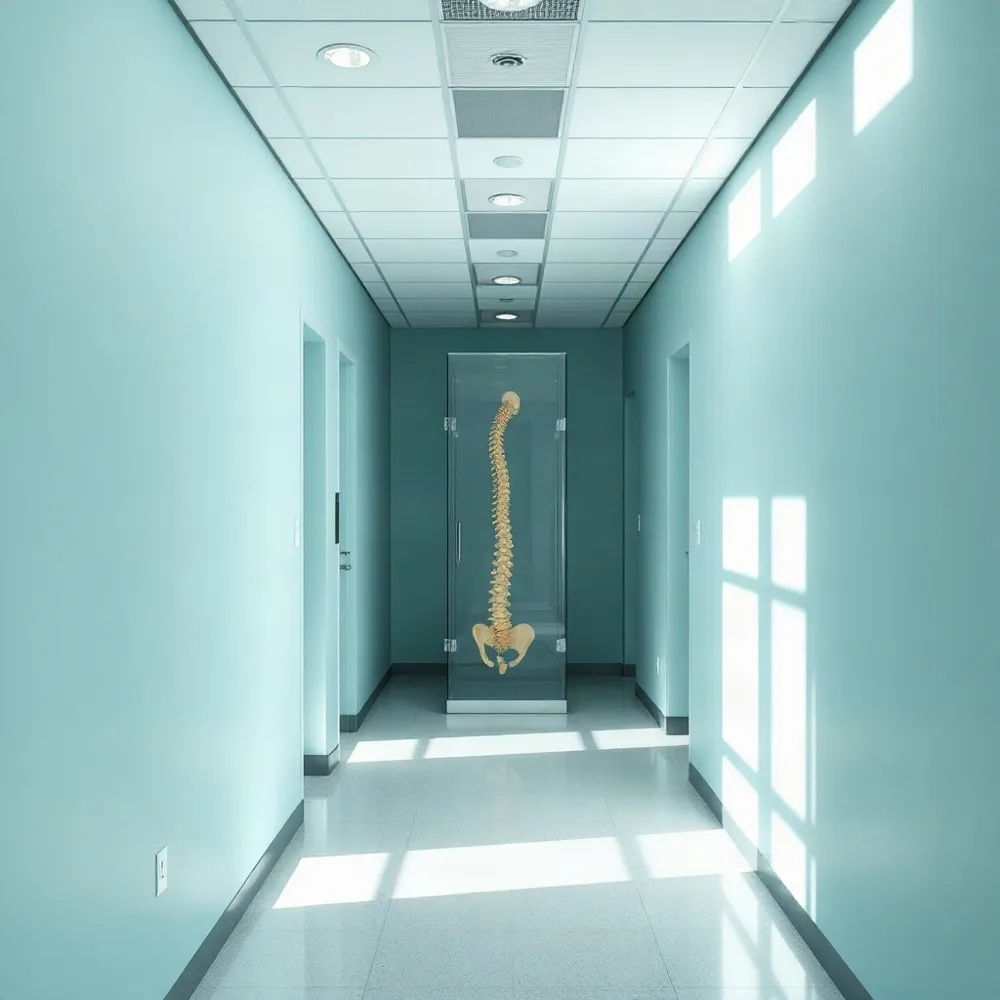
Recognizing When Neck Pain Requires Professional Medical Intervention
Neck pain is a common condition affecting 10% to 20% of adults, often stemming from benign factors like poor posture, repetitive screen use, or stress. Because the cervical spine houses a complex network of nerves, most discomfort resolves with rest, heat, and gentle movement. However, distinguishing between common muscle strain and serious underlying pathology is essential for long-term health.
Early detection of red flags—clinical markers suggesting infection, fracture, or malignancy—is critical for preventing permanent damage. As noted in clinical practice guidelines, professionals evaluate for specific warnings like unexplained weight loss, night pain, or fever and chills. Seeking timely advice ensures you are not overlooking signs of neurological compromise, such as limb weakness, sensory deficits, or changes in gait.
At osistl.com, the approach prioritizes a physical assessment to separate mechanical pain from conditions requiring advanced intervention. While some centers rush toward invasive measures, the team at the Orthopedic Spine Institute of St. Louis emphasizes an initial conservative path. This includes targeted physical therapy, postural correction, and personalized care plans.
If symptoms persist beyond one week despite simple self-care, or if you experience radiating numbness, difficulty with coordination, or loss of bowel or bladder control, immediate professional evaluation is required. By consulting with experts early, you can manage structural spine issues before they progress, often avoiding the need for surgery and ensuring a faster return to daily activities.
Red Flags and Cervical Spine Care Indicators
- The 5 D's of urgent spine care include dizziness, drop attacks, double vision, speech difficulty, and swallowing difficulty.
- Progressive weakness, gait instability, or loss of bowel and bladder control signify potentially serious cervical myelopathy.
- Traumatic neck injuries from accidents or falls require immediate evaluation to rule out fractures or ligamentous damage.
- Loss of fine motor skills, such as difficulty writing or buttoning a shirt, may indicate chronic nerve compression.
- Systemic symptoms like unexplained fever or weight loss may point toward underlying spinal infection or malignancy.
- Pain that persists during rest or disrupts sleep is a distinct marker that differentiates systemic disease from mechanical strain.
- Specialists utilize the Spurling test to isolate the source of radiating symptoms and differentiate nerve root compression.
- Seeking care after six weeks of failed conservative management is the clinical standard for pursuing further orthopedic diagnostics.
- Stabilizing the head and neck is vital following trauma to prevent paralysis or permanent spinal cord damage.
- Orthopedic specialists use objective tools like the Neck Disability Index to track recovery and ensure evidence-based treatment.
1. Neurological Deficits and Signs of Nerve Compression

What are the 'red flags' associated with cervical spine conditions?
While many neck issues are manageable with conservative care, certain 'red flags' signal potentially serious spinal pathology requiring immediate medical attention. You should seek urgent evaluation if you experience the '5 D's': dizziness, drop attacks, double vision (diplopia), speech difficulty (dysarthria), and swallowing difficulty (dysphagia). Other major warning signs include symptoms of [cervical myelopathy](https://www.aafp.org/afp/2020/0801/p150), such as progressive weakness, worsening gait instability, or loss of bowel and bladder control. Additionally, persistent, severe pain that does not improve with rest, sudden neurological deficits, or a history of recent significant trauma must be evaluated immediately. If you are experiencing these symptoms, please contact our office for a prompt assessment or seek emergency care if the situation is acute.
Because physical examination findings can be subtle, professional assessment is essential to distinguish between temporary irritation and genuine structural damage. Unlike general practitioners who may provide broad guidance, spine specialists utilize specific maneuvers, such as the Spurling test, to isolate the source of radiating symptoms. OSISTL providers prioritize these diagnostic steps to ensure that treatment plans are tailored to the specific nerve structures affected, rather than relying on generalized management.
Neurological indicators are among the most critical warning signs when evaluating cervical health. While many minor strains resolve with rest, symptoms like numbness, tingling, or weakness in the upper and lower extremities suggest that spinal nerves or the cord itself may be compromised. These sensations often stem from cervical radiculopathy, where a nerve root is pinched, or myelopathy, a more severe condition involving actual spinal cord pressure.
Patients often overlook subtle changes in their physical capabilities, such as a loss of fine motor skills or decreased dexterity in their hands. Tasks that once felt routine, such as buttoning a shirt, writing, or handling small objects, may become difficult as nerve compression progresses. At the Orthopedic Spine Institute of St. Louis, clinical examinations focus on identifying these manifestations early, recognizing that waiting for symptoms to worsen can lead to more complex outcomes.
2. Trauma and Sudden Physical Injury to the Spine
 Any neck pain triggered by a traumatic event such as a motor vehicle accident, a sports collision, or a fall is considered an urgent condition that requires immediate professional evaluation https://www.hss.edu/health-library/move-better/when-to-see-doctor-for-neck-pain. At Orthopedic Spine Institute of St. Louis, patients are encouraged to seek emergency assessment for such injuries to rule out potential cervical spine fractures or severe ligamentous injury, as delayed diagnosis can lead to lasting complications https://www.emergencyphysicians.org/article/know-when-to-go/neck-or-back-injury.
Traumatic injuries place unique mechanical stress on the neck that differs significantly from chronic strain. While standard clinical practice often reserves diagnostic imaging for specific cases, an accident involving high-impact force necessitates specialized screening https://www.jospt.org/doi/10.2519/jospt.2017.0302. If a spinal injury is suspected, current medical guidelines emphasize that the head and neck should not be moved, as stabilizing the spine is vital to preventing potential nerve damage or paralysis https://www.emergencyphysicians.org/article/know-when-to-go/neck-or-back-injury. Unlike some urgent care facilities that may lack specialized spine resources, our team at osistl.com provides focused diagnostic protocols to manage acute trauma effectively.
When should I seek medical attention for neck pain?
While many neck problems improve within eight weeks with movement and activity, you should speak to a healthcare professional urgently if you experience worsening clumsiness, numbness, tingling, or weakness in one or both arms https://www.aafp.org/afp/2020/0801/p150. You should also seek immediate medical attention if you notice changes in your balance or walking ability, or if your neck pain is associated with a severe headache. Contact your doctor if you feel generally unwell, have a history of specific conditions like cancer or rheumatoid arthritis, or if you develop new dizziness, blurred vision, or ringing in your ears https://www.mayoclinic.org/diseases-conditions/neck-pain/symptoms-causes/syc-20375581. Additionally, consult a professional if your pain persists, prevents you from continuing daily activities, or follows a significant injury like a fall or collision. Prioritizing these warning signs ensures you receive the appropriate diagnostic care when conservative management is no longer sufficient.
3. Constitutional Symptoms of Systemic Disease
While many cases of neck discomfort arise from simple muscle strain, some symptoms suggest a deeper, systemic issue that requires professional attention. When neck pain presents alongside findings like unexplained weight loss or a persistent, unexplained fever, it may indicate a serious underlying condition such as a spinal infection or, more rarely, malignancy https://www.aafp.org/afp/2020/0801/p150. These systemic warning signs act as critical signals that the cause is not merely a localized issue related to posture or minor injury https://www.orthopt.org/uploads/content_files/files/Neck%20Pain%20Revision%20Decision%20Tree%202017%20-%20Ortho%20Section.pdf.
Pain that occurs consistently at night or disrupts sleep is another clinical red flag. Unlike mechanical pain that often improves with rest or positional changes, pain linked to systemic disease may persist during periods of inactivity https://www.uptodate.com/contents/evaluation-of-the-adult-patient-with-neck-pain. At osistl.com, patients can access a specialized care model that prioritizes early identification of these systemic indicators, contrasting with standard clinics where such subtle patterns might be overlooked until symptoms progress.
What type of specialist is most appropriate for persistent neck and shoulder pain?
For persistent neck and shoulder pain, it is most appropriate to consult an orthopedic spine specialist who possesses the expertise to diagnose the underlying cause of your discomfort, whether it stems from the cervical spine or surrounding soft tissues. While primary care doctors can manage minor, muscular-related symptoms, a specialist is essential if your pain is chronic, originates from conditions like disc issues or spinal stenosis, or involves neurological symptoms. These specialists offer a comprehensive approach that prioritizes conservative, non-surgical treatments—such as physical therapy and targeted injections—before considering surgical intervention. Seeking care from a spine expert https://pmc.ncbi.nlm.nih.gov/articles/PMC11232708/ ensures you receive an accurate diagnosis and a personalized treatment plan geared toward restoring your function and mobility. Ultimately, if your symptoms persist for more than a few weeks or impact your daily quality of life, a board-certified spine specialist is best equipped to provide the long-term, patient-first care you need.
4. Chronic Pain Failing Conservative Management
 While many neck issues resolve with rest and over-the-counter anti-inflamatories, the American Academy of Family Physicians notes that persistent pain failing to improve after six weeks of conservative management serves as a primary marker for further intervention. If you find your symptoms remain static or intensify despite diligent at-home care, osistl.com offers a pathway to professional evaluation that prioritizes conservative, non-surgical approaches before considering more invasive options.
- Inability to achieve relief with standard physical therapy routines or activity modifications after six weeks of adherence.
- Pain that consistently disrupts sleep or significantly limits your ability to perform daily work and routine activities.
- The emergence or progression of neurological signs, such as diminished grip strength, persistent tingling, or an unexpected change in your walking gait.
Structural concerns often require diagnostic clarity that goes beyond basic physical examinations. Experts warn that routine imaging like MRI or CT scans is typically reserved for instances where there is a strong suspicion of underlying structural pathology, such as a herniated disc or nerve root compression. At osistl.com, the focus remains on identifying the root cause of your pain to ensure that treatment is targeted and effective rather than reactive.
Moving from general self-care to specialized spine intervention is not a step to fear, but a proactive measure to prevent long-term disability. Specialists at osistl.com work with you to establish a functional baseline using tools like the Neck Disability Index. This objective monitoring ensures that your recovery plan is evidence-based and tailored to your unique anatomical and functional needs.
Prioritizing Your Spine Health Through Professional Diagnosis
Ignoring persistent neck pain or dismissal of systemic warning signs can delay vital care for serious underlying conditions. At the Orthopedic Spine Institute of St. Louis, we prioritize a patient-first approach to address the root cause of your discomfort. Unlike facilities that jump to invasive procedures, we emphasize a conservative treatment-first path to facilitate recovery. If your symptoms linger, we encourage you to schedule an evaluation to rule out major risks and regain your quality of life.