Understanding Conservative Spine Care: A Patient-First Approach
What is Conservative Spine Care?
Conservative spine care refers to non-surgical methods used to manage back and neck pain. This approach prioritizes treatments that reduce pain, improve function, and promote healing without the risks of surgery. It includes physical therapy, medication, lifestyle changes, injections, and complementary therapies like acupuncture and massage.
Why Start with Conservative Care?
Most spinal issues can improve with conservative treatments. About 90% of people with back pain do not require surgery thanks to effective nonsurgical options. Surgery is usually reserved for cases with severe symptoms such as nerve damage or spinal instability, and only after conservative methods have been tried. This patient-first approach helps avoid unnecessary invasive procedures.
Common Spinal Disorders Managed Conservatively
Many spinal conditions respond well to conservative care. These include:
- Herniated or degenerated discs
- Osteoarthritis and facet joint pain
- Spinal stenosis
- Sciatica and nerve impingement
- Muscle strains and ligament injuries
By focusing on personalized, minimally invasive treatments, conservative care aims to restore spinal health while minimizing risks and preserving quality of life.
Core Components of Conservative Spine Treatment
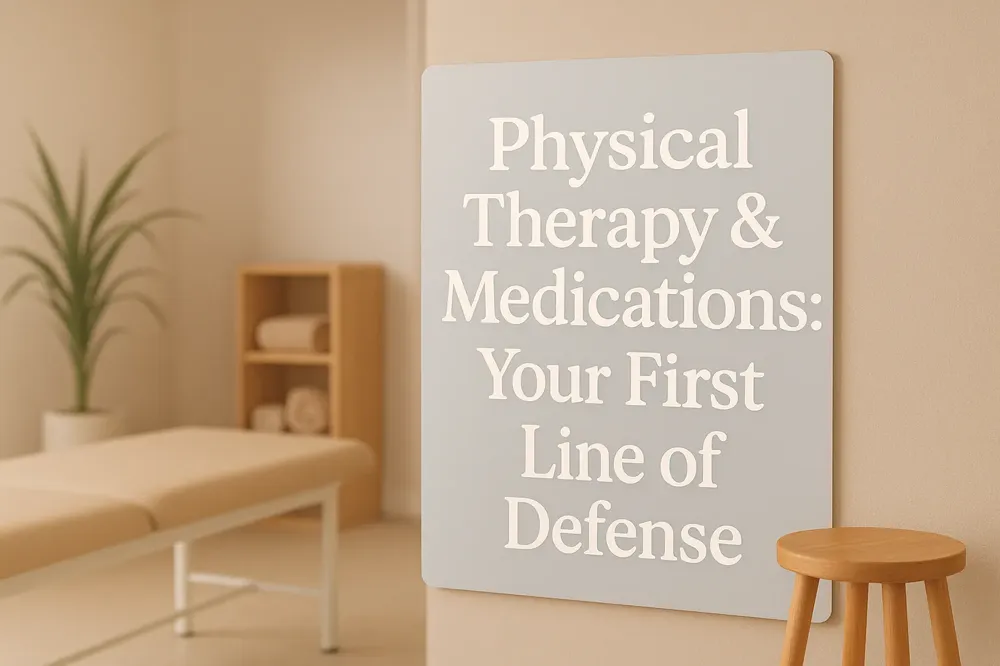
What does conservative treatment for the spine involve?
Conservative spine treatment consists of non-invasive methods aimed at relieving back, neck, and sciatic pain without surgery. It emphasizes physical therapy for spine, core strengthening and improving flexibility, medications to manage pain and inflammation, and injection treatments for back pain to target specific areas of inflammation and nerve irritation. This approach is effective for most patients, with surgery reserved for cases unresponsive to these treatments or with serious complications.
Physical therapy techniques and benefits
Physical therapy for spine is central to conservative care for spinal problems. It focuses on core strengthening, flexibility exercises, posture reeducation, and aerobic activity. Techniques such as the McKenzie Method for neck pain help restore function and reduce pain over a typical 4- to 12-week course. Strengthening muscles that support the spine reduces mechanical stress and prevents recurrence of pain. Active exercise provides longer-lasting benefits compared to passive treatments like heat or ultrasound.
Role of medications in conservative care
Medications used include anti-inflammatory medications for spine(NSAIDs), muscle relaxants, nerve pain agents, and in some cases, short-term oral steroids. These help control pain and reduce inflammation, allowing patients to participate in therapies. Risks of opioid use are significant, so opioids are not recommended as a long-term solution. Medication regimens are tailored and regularly monitored by healthcare providers.
Injection therapies and their applications
Injection treatments for back pain include epidural steroid injections, facet joint injections, sacroiliac joint injections, and nerve blocks. They reduce local inflammation and nerve irritation, providing short- to medium-term relief. Injections can enable patients to engage more effectively in physical therapy and improve mobility. While beneficial, injections are adjuncts rather than stand-alone treatments.
Alternative and complementary treatments
Complementary therapies such as acupuncture for spine pain, chiropractic manipulation, massage, yoga, tai chi, and biofeedback can improve pain management and functional outcomes. These treatments often support emotional well-being and help reduce reliance on medications. Electrical nerve stimulation and laser therapy are additional options with minimal risks. Combining these approaches with conventional care enhances overall spine health and quality of life.
Managing Common Spinal Disorders Without Surgery
What are the three common spinal disorders?
Three common spinal disorders are degenerative disc disease, herniated discs, and spinal stenosis. Degenerative disc disease involves the breakdown of spinal discs, causing pain and reduced mobility. Herniated discs occur when the soft center of a disc bulges out through a tear, pressing on nerves and causing pain or numbness. Spinal stenosis is the narrowing of the spinal canal, potentially compressing the spinal cord or nerve roots, resulting in pain, weakness, or numbness. Diagnosis often involves advanced imaging and symptoms vary based on the severity and location.
What are the best non-surgical treatments for spinal stenosis?
Managing spinal stenosis without surgery typically includes a combination of conservative spinal treatments:
- Physical Therapy: Focuses on strengthening muscles, improving posture, and enhancing mobility to relieve nerve compression.
- Medications: Use of non-opioid pain relievers such as NSAIDs, muscle relaxants, antidepressants, and anticonvulsants to control pain and inflammation.
- Injections: Epidural steroid injections, injections reduce inflammation around nerve roots, providing temporary relief.
- Minimally Invasive Procedures: Options like Percutaneous Image-Guided Lumbar Decompression (PILD) and interspinous spacers (ISS) help decompress nerves on an outpatient basis.
- Radiofrequency Ablation (RFA) and Nerve Blocks: Target specific nerves to alleviate pain.
Can L4 and L5 nerve root compression be treated without surgery?
Yes, L4 and L5 nerve root compression can often be managed effectively with conservative treatment for spine injuries. Treatment may involve tailored physical therapy to strengthen supporting muscles and improve flexibility, aiding spinal stability. Pain control through NSAIDs or corticosteroid injections can reduce inflammation. Monitoring by a healthcare professional ensures treatment is adjusted based on progress. When symptoms persist or worsen, minimally invasive surgical options might be explored.
Can spinal cord compression be treated without surgery?
Mild spinal cord compression may respond to non-surgical spine treatments, including medications to reduce inflammation and pain, physical therapy to build strength, spinal bracing for support, and activity modifications to avoid exacerbation. Corticosteroid injections can also provide relief. However, if neurological symptoms worsen or there is severe compression, surgery might be necessary to prevent permanent damage. Consultation with a spine specialist is essential for determining the best individualized approach.
This spectrum of non-surgical options underscores the importance of a personalized treatment plan developed with spinal care professionals to manage symptoms while avoiding or delaying surgery where possible.
Home Care and Lifestyle Modifications for Quick Pain Relief and Long-Term Spine Health

How can back pain be relieved quickly at home?
For quick relief of back pain at home, gentle stretching and alternating hot and cold compresses can effectively reduce inflammation and ease discomfort. Over-the-counter nonsteroidal anti-inflammatory drugs (NSAIDs) may also provide temporary relief but should be used cautiously. It is vital to maintain good posture and avoid movements or activities that worsen the pain. Engaging in light physical activity such as walking helps prevent stiffness while protecting the spine from additional strain. Persistent or worsening pain should prompt consultation with a spine specialist such as Dr. David S. Raskas for personalized treatment. See more about Non-surgical back pain treatments.
Posture, activity pacing, and ergonomic adjustments
Proper posture is essential in spinal health. Using Proper ergonomics tips and adjusting your workstation can minimize undue stress on the back. Activity pacing—breaking tasks into manageable segments and resting as needed—helps prevent flare-ups. Avoiding prolonged sitting or standing and regularly changing positions support spinal mobility and comfort.
Dietary and lifestyle changes to reduce inflammation
Adopting a Diet changes to reduce inflammation aids in managing chronic back pain. Reducing intake of trans fats, refined sugars, and processed foods can help decrease systemic inflammation. Maintaining a healthy weight lessens strain on spinal structures. Additionally, quitting smoking and staying hydrated promote overall spine health through Lifestyle modifications for pain management.
Integrating mindfulness and stress reduction in pain management
Mindfulness techniques such as meditation, yoga, and tai chi have shown benefits in reducing the emotional distress linked with Chronic back pain causes. These practices can enhance pain coping strategies and improve quality of life. Stress reduction supports muscle relaxation, which may decrease pain intensity and improve functional outcomes.
Together, these home care methods and Lifestyle modifications for pain management serve as vital components in both rapid symptom relief and the long-term maintenance of spine health, often reducing the need for invasive interventions.
Advances and Innovations in Conservative Spine Care
Is it possible to decompress the spine without surgery?
Yes, non-invasive spine decompression therapy offers a drug-free way to relieve pressure on spinal discs without surgery. This therapy gently stretches the spine, creating negative pressure that helps retract herniated or bulging discs and eases nerve compression. It enhances blood flow, reduces inflammation, and promotes natural healing and spinal alignment. Sessions usually last about 45 minutes, with minimal downtime, and many patients find significant pain relief from back, neck, and sciatica pain.
Emerging injection techniques and radiofrequency ablation
Advances in injection techniques such as epidural steroid injections, facet joint injections, and trigger point injections provide targeted inflammation and pain relief. Radiofrequency ablation further improves outcomes by disrupting nerve signals, offering up to 12 months of relief from facet joint pain. Together, these minimally invasive options complement physical therapy for spine and promote long-term spine health.
Role of spinal cord stimulation and neuromodulation
Spinal cord stimulation and neuromodulation use electrical impulses to block pain signals before they reach the brain. These technologies are particularly useful for chronic or surgery-resistant back pain, delivering personalized pain control with a minimally invasive approach. They represent a cutting-edge, conservative option to back surgery to improve quality of life and reduce reliance on medications.
Importance of multidisciplinary care and patient education
Comprehensive conservative spine care emphasizes a multidisciplinary team approach, integrating physical therapists, pain specialists, chiropractors, and behavioral therapists. Patient education about posture, proper ergonomics tips, and activity modification empowers individuals to manage their spine health proactively. Personalized treatment plans that combine these therapies optimize pain relief and functional recovery without surgery.
When Surgery Becomes Necessary: Understanding Treatment Thresholds
Criteria for Considering Spine Surgery
Surgery for back pain is generally considered only after thorough trials of conservative spine care like physical therapy for spine, medications, and injections for back pain have failed to provide lasting relief. Indications for surgery include severe nerve compression causing limb weakness, loss of bladder or bowel control, progressive neurological deficits, or significant spinal instability. Persistent pain unresponsive to multiple nonsurgical spine treatments and structural problems such as herniated discs, spinal stenosis, or vertebral fractures may also prompt advanced surgical spine options.
Common Surgical Procedures and Their Purposes
Several surgical options are tailored to address distinct spinal problems. Vertebroplasty and kyphoplasty stabilize compression fractures often due to osteoporosis. Spinal laminectomy or decompression relieves pressure on nerves caused by spinal stenosis. Discectomy involves removal of herniated disc material that impinges upon nerves, and foraminotomy enlarges nerve exit pathways to reduce irritation. Advanced procedures include spinal fusion to stabilize segments with abnormal motion, and artificial disc replacement to maintain spinal flexibility while replacing damaged discs.
Risks Associated with Back Surgery
While surgical techniques continue to improve, back surgery carries risks such as infection, nerve injury, bleeding, and the possibility of persistent or recurrent pain. Minimally invasive spine surgery options reduce some risks but do not eliminate them. Recovery can involve extended rehabilitation, and outcomes vary depending on individual factors and procedure type. Therefore, surgery is typically reserved as a last resort after conservative spine treatments fails.
Importance of Specialist Consultations Prior to Surgery
Informed decision-making is critical before proceeding with surgery. Patients should seek evaluations from multiple spine specialists, including neurosurgeons and orthopedic spine surgeons, to understand the potential benefits, risks, and alternative treatments. Multidisciplinary team approach ensures appropriate surgical candidacy and tailor interventions to individual needs, maximizing safety and outcomes.
Embracing Conservative Spine Care for Lasting Benefits
Proven Effectiveness of Conservative Spine Treatments
Most people with back pain respond well to conservative care, with up to 90% avoiding surgery. Treatments like physical therapy, targeted injections, medications, and lifestyle changes focus on pain relief, improved function, and healing.
Empowering Patients Through Education and Support
Education about spinal health and pain mechanisms helps reduce fear and promotes safe activity. Multidisciplinary teams—including physical therapists, pain specialists, and alternative care providers—work together to customize treatment plans, ensuring patient-centered care and improved outcomes.
Knowing When to Consider Surgery
Surgery is reserved for cases with red flag symptoms, nerve compression, or failure of conservative methods. Involving spine specialists early ensures informed decisions, minimizing risks while exploring all nonsurgical options first.