Introduction to Class IV Laser Therapy for Back Pain
What is Class IV Laser Therapy?
Class IV Laser Therapy is a cutting-edge, non-invasive treatment that uses high-powered lasers to stimulate healing in deep tissues. By emitting specific wavelengths of light, it enhances cellular processes, particularly by boosting ATP production in mitochondria. This energy surge helps repair and regenerate damaged tissues, making it effective for musculoskeletal conditions.
Using Class IV Laser Therapy for Back Pain
In managing back pain, this therapy targets affected muscles, tendons, ligaments, and even bone tissues. It promotes increased blood flow and oxygen delivery to injured areas, reduces inflammation, and accelerates healing. Patients with conditions like chronic low back pain, muscle strains, and degenerative disc issues often experience meaningful pain relief and improved mobility.
Safe and Non-Invasive Treatment
One of the major advantages of Class IV Laser Therapy is its safety profile. The procedure is painless, does not require surgery or medication, and has minimal side effects. Treatment sessions are short—typically 5 to 20 minutes—and patients can usually resume normal activities immediately afterward. This therapy is FDA-cleared and widely recognized as a safe alternative for back pain management in the United States.
Understanding Class IV Laser Therapy and Its Mechanism for Back Pain Relief
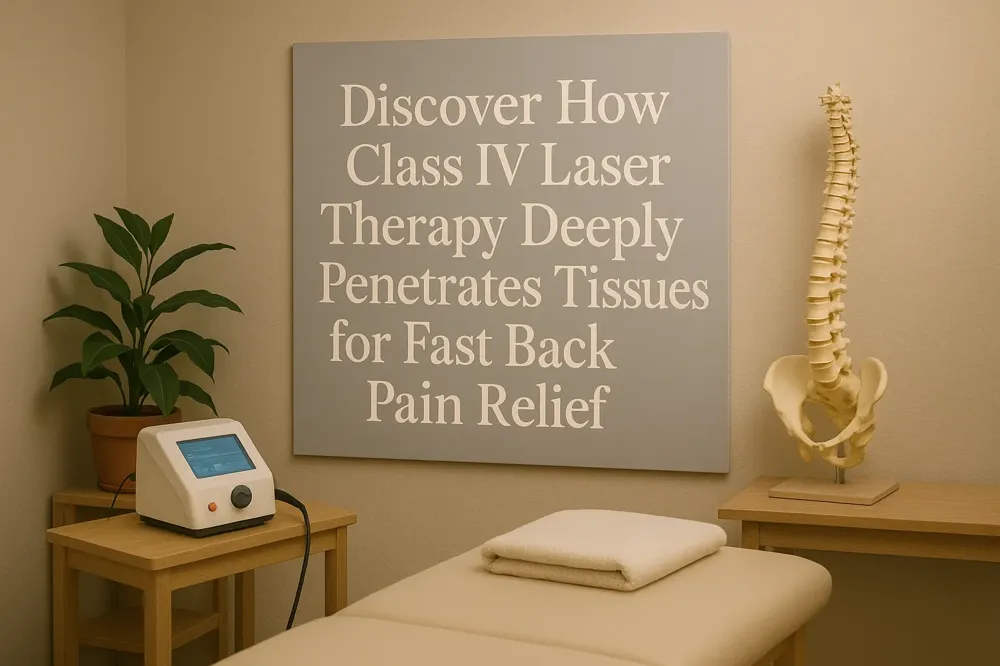
What is a Class IV laser?
Class IV lasers are high-powered medical devices capable of delivering light energy above 500 milliwatts. This elevated power output allows them to penetrate deeply—sometimes up to 10 centimeters beneath the skin—reaching muscle, tendon, ligament, and even bone tissues. These lasers operate primarily within the near-infrared spectrum, commonly emitting wavelengths between 800 and 980 nanometers, which are optimized for deep tissue absorption.
How Class IV laser therapy works
Class IV Laser Therapy is a non-invasive, drug-free treatment that applies this deep-penetrating light energy to affected areas. The light stimulates cellular activity by interacting with tissue chromophores, activating biological processes known as Photobiomodulation Therapy. This energy delivery promotes the body's natural healing mechanisms without heat damage or discomfort.
Cellular processes involved such as ATP production
At the cellular level, the therapy enhances mitochondrial function, significantly increasing the production of ATP production in laser therapy (adenosine triphosphate). ATP is the primary energy currency within cells and is crucial for powering repair and regeneration processes. By boosting ATP synthesis, the therapy accelerates tissue repair, reduces oxidative stress, and promotes nerve and muscle recovery. Additionally, the treatment aids in reducing inflammation by modulating inflammatory mediators. This effect aligns with Class IV Laser Therapy benefits.
Deep tissue penetration capabilities
One of the standout features of Class IV laser therapy is their ability to reach deep musculoskeletal structures such as the lumbar spine, sacroiliac joints, muscles, and tendons involved in back pain. This deep penetration distinguishes Class IV laser therapy from lower-class lasers (e.g., Class 3B), allowing more efficient and effective treatment of chronic and acute back pain conditions. As a result, patients often experience pain relief and improved mobility following just a few sessions.
| Aspect | Description | Benefit for Back Pain Treatment |
|---|---|---|
| Laser Power | >500 mW, high intensity | Deep tissue penetration, effective energy delivery |
| Wavelength Range | 800–980 nm near-infrared light | Targets soft tissue, muscle, tendon, and bone |
| Cellular Impact | Stimulates ATP production via mitochondrial activation | Accelerates healing and pain reduction |
| Treatment Approach | Non-invasive, painless, drug-free | Safe alternative to surgery and medications |
Class IV laser therapy's blend of deep tissue access and cellular stimulation targets both the underlying causes of back pain and symptomatic relief, making it a valuable tool within comprehensive pain management and rehabilitation programs.
How Class IV Laser Therapy Promotes Recovery and Reduces Inflammation
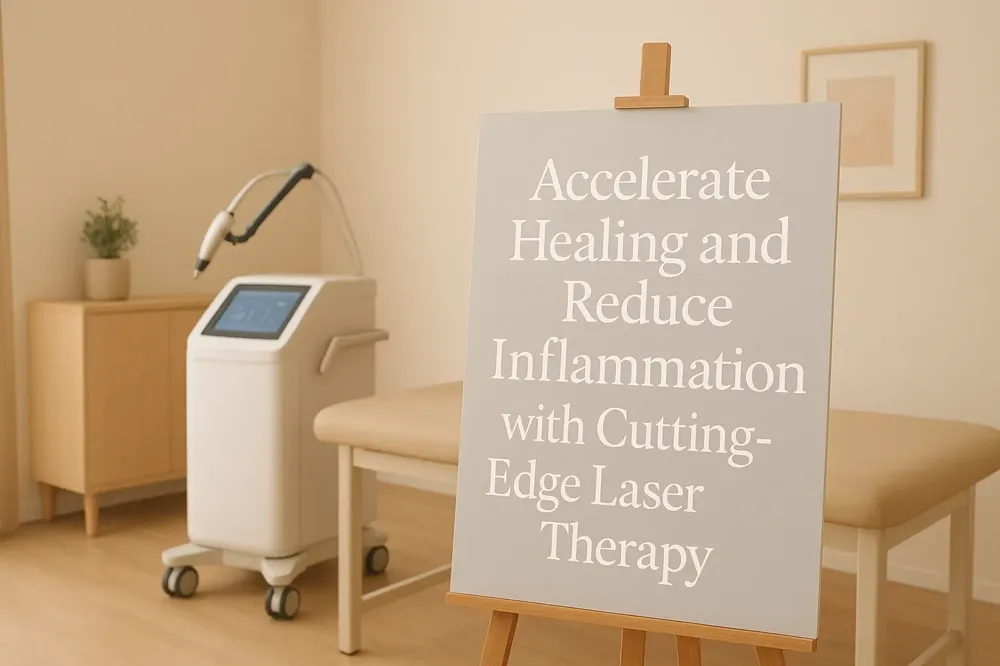
How does Class 4 laser therapy promote recovery and reduce inflammation?
Class IV laser therapy works through the process of photobiomodulation therapy, where specific wavelengths of red and near-infrared light penetrate deeply into tissues to stimulate cellular mitochondria]. This activation boosts the production of ATP (adenosine triphosphate), the essential energy source that powers cellular repair and regeneration. Enhanced ATP production accelerates healing by fueling processes that repair soft tissues, nerves, muscles, tendons, and ligaments.
The therapy also reduces inflammation by decreasing pro-inflammatory mediators, such as cytokines, while increasing anti-inflammatory molecules. This effect helps control swelling and edema in affected areas, common contributors to pain and prolonged healing times. By modulating inflammatory pathways, Class IV Laser Therapy provides both analgesic and anti-edematous benefits.
Another important aspect of recovery is the enhancement of local blood flow and oxygen delivery. The laser light stimulates vasodilation and improves microcirculation through biological mechanisms including nitric oxide signaling. Increased circulation supports tissue repair by delivering necessary nutrients and oxygen while facilitating the removal of waste products and inflammatory markers, as discussed in Limb blood flow after laser therapy.
Together, these combined effects of mitochondrial stimulation, inflammation reduction, and improved blood flow create an optimal environment for faster tissue regeneration and pain relief. Patients often report significant improvement shortly after treatment sessions, making this therapy a safe, non-invasive, and effective tool in managing chronic pain, supporting post-surgical recovery, and expediting athletic injury rehabilitation as explained in the article on Class IV Laser Therapy Benefits.
Range of Conditions Effectively Treated by Class IV Laser Therapy
What kinds of conditions and pain can Class 4 laser therapy effectively treat?
Class 4 laser therapy is a widely recognized, FDA-approved treatment that offers a highly effective, non-invasive pain management approach for managing numerous painful conditions.
The therapy targets a broad spectrum of musculoskeletal and neuropathic disorders including:
- Chronic and acute back pain disorders such as sacroiliitis, radiculopathy, facet syndrome, muscle strains, and degenerative disc disease (Class IV laser therapy)
- Arthritis types including osteoarthritis and rheumatoid arthritis (Degenerative arthritis treatment)
- Tendonitis, bursitis, and ligament sprains (Tendonitis laser treatment)
- Fibromyalgia and repetitive stress injuries (Pain Relief with Class IV Laser Therapy
- Sports injuries affecting muscles, tendons, and ligaments (Laser Therapy for Sports Injuries)
- Neuropathic pain conditions such as peripheral neuropathy with symptoms like burning, tingling, and numbness (Neuropathy symptom alleviation
Class IV laser therapy works by delivering specific wavelengths of red and near-infrared light deep into tissues. This light energy stimulates cellular mitochondria to increase ATP production, which enhances cell metabolism and repair. Simultaneously, it promotes increased blood flow and oxygen delivery, accelerating tissue healing while reducing inflammation and swelling.
This therapy offers significant advantages for both chronic and acute conditions. Patients often experience rapid pain relief and decreased inflammation after just a few sessions, with cumulative benefits that improve function and mobility over time. The non-invasive nature and absence of side effects make it an excellent alternative to surgery or prolonged medication use.
Clinical studies support its use, noting improvements in pain scores, functional ability, and inflammation reduction (Class IV Laser Therapy clinical trials). Its FDA clearance underscores safety and efficacy, which makes Class IV laser therapy an increasingly preferred option among healthcare providers seeking opioid-sparing, drug-free pain management strategies.
Overall, Class IV Laser Therapy provides versatile, targeted relief for a variety of painful musculoskeletal and neuropathic conditions, aligning with comprehensive rehabilitation and pain management protocols.
Expected Timeline and Results from Class IV Laser Therapy

How soon can patients expect to see results from Class 4 laser therapy?
Patients often notice pain relief and improved function within the first few treatment sessions. Class IV Laser Therapy] rapidly reduces inflammation and stimulates cellular regeneration, which helps block pain signals and promotes endorphin release. Many individuals report feeling immediate comfort during or shortly after their initial treatments.
What are the immediate and cumulative effects?
Immediate effects include decreased pain, reduced swelling, and improved mobility. Cumulatively, after 6 to 12 sessions spaced over several weeks, patients usually experience significant improvements in tissue healing and a reduction in chronic pain symptoms. This gradual healing process stems from enhanced blood flow, increased ATP production in cells, and accelerated collagen synthesis (Class IV Laser Therapy benefits).
What is the typical duration and frequency of treatment sessions?
Treatment sessions generally last between 5 to 20 minutes, depending on the area and severity of the condition. Most treatment plans involve multiple sessions, typically 6 to 12 visits over 4 to 6 weeks, allowing progressive healing without downtime and enabling patients to resume normal activities immediately (Class IV laser therapy).
What do patients and clinical studies say about outcomes?
Clinical research reports confirm pain reduction, improved range of motion, and better functional capacity following Class IV Laser Therapy for musculoskeletal and chronic pain conditions. Patients often describe treatment as painless and convenient with notable quality of life improvements. The therapy also reduces the need for medications or invasive procedures, making it a popular adjunct in rehabilitation.
| Aspect | Details | Benefit |
|---|---|---|
| Pain relief timeline | Noticeable within few sessions | Rapid comfort and improved quality |
| Treatment length | 5 to 20 minutes per session | Convenient and time-efficient |
| Total sessions | 6 to 12 sessions over 4 to 6 weeks | Sustained healing and reduced pain |
| Patient experience | Immediate and cumulative improvements | Safe, non-invasive, drug-free option (Class IV Laser Therapy) |
| Clinical outcomes | Reduced inflammation, improved mobility | Enhanced recovery and function (Class IV Laser Therapy Benefits |
Distinct Advantages of Class IV Laser Therapy Beyond Pain Relief
What are the benefits of Class 4 laser therapy beyond pain relief?
Class 4 laser therapy offers several important benefits that extend well beyond simply reducing pain. This treatment actively promotes tissue regeneration by stimulating cells to produce more ATP production in laser therapy (adenosine triphosphate), which supplies the energy required for faster and more effective healing of muscles, tendons, ligaments, and even bone tissues.
How does Class IV laser therapy improve circulation and angiogenesis?
The therapy enhances blood circulation by promoting angiogenesis — the growth of new blood vessels — which increases oxygen and nutrient delivery to injured tissues. Improved microcirculation helps reduce swelling and inflammation, while supporting the body’s natural repair processes through better waste removal. This vascular support is critical for accelerating recovery and restoring function.
In what ways does the therapy enhance range of motion and reduce stiffness?
By reducing inflammation and facilitating tissue repair, Class IV laser therapy benefits helps decrease muscle spasms and joint stiffness. The therapy also promotes collagen synthesis, improving tissue strength and flexibility. Together, these effects contribute to enhanced mobility and a greater range of motion, which are essential for rehabilitation from chronic and acute musculoskeletal conditions.
Why is Class IV laser therapy considered a safe, drug-free, and non-invasive option?
Class IV laser therapy is FDA-cleared and non-invasive, meaning it does not require surgery or medication. It provides a pain-free treatment option with minimal side effects and no recovery downtime. As a drug-free approach, it offers a valuable alternative for patients seeking to avoid the risks associated with opioids or other pain medications, making it suitable for a broad range of individuals, including those with chronic conditions or post-surgical recovery needs.
These secondary benefits make Class IV Laser Therapy a comprehensive and effective modality in musculoskeletal healing and rehabilitation, beyond its well-recognized role in pain management.
Safety Profile and Potential Side Effects of Class IV Laser Therapy
Minimal Side Effects and Patient Tolerance
Class IV laser therapy is widely recognized as a safe and well-tolerated treatment option. Most patients experience minimal side effects, typically limited to temporary warmth, tingling, or redness localized to the treated area. These sensations usually disappear shortly after treatment without requiring additional intervention.
Safety Precautions During Treatment
Given the high-power laser used, safety protocols for Class IV lasers are crucial. Both patients and practitioners are required to wear protective eyewear during sessions to prevent potential eye damage from laser exposure. Treatments are administered by trained healthcare professionals to ensure proper dosimetry and minimize any risk.
Non-Invasive Nature and Absence of Systemic Risks
This therapy is completely Non-invasive laser treatment; it does not involve any incisions, injections, or systemic medications. As a result, it eliminates risks associated with invasive procedures such as infections or adverse drug reactions. Its local action on tissues reduces concerns of systemic complications, making it a favorable choice for pain and healing management.
Recommendations for Patient Consultation
Prior to starting Class IV Laser Therapy, patients should have a consultation with a qualified healthcare provider to determine appropriateness based on their individual health status. The provider can address any concerns, discuss potential risks, and tailor treatment plans. This ensures safe and effective use of the therapy for the patient’s specific condition.
Comparing Class IV Laser Therapy to Other Light-Based Treatments
What are some differences between Class IV laser therapy and red light therapy?
[Class IV Laser Therapy](https://www.newenglandspineanddisc.com/blog/the-benefits-of-class-iv-laser-therapy-revolutionizing-pain-management-and-healing_ae53.html) and red light therapy differ mainly in power output and tissue penetration depth. Class IV lasers are high-powered devices that emit concentrated light capable of penetrating deeply into tissues—up to 10 centimeters. This deep reach allows [Class IV laser therapy](https://www.renovochiro.com/class-iv-laser-therapy-for-chronic-back-pain/) to effectively treat chronic musculoskeletal conditions such as muscle strains, ligament injuries, joint pain, and chronic back pain.
In contrast, red light therapy uses low-level light primarily in the visible red spectrum. Its penetration is much more superficial, typically only a few millimeters beneath the skin, making it ideal for addressing surface-level issues like skin inflammation, minor pain, and superficial wounds.
Applications for Different Conditions
Because of these differences in tissue penetration, Class IV Laser Therapy] is chosen for deeper, chronic, or acute musculoskeletal problems, including arthritis, tendonitis, and sports injuries. Red light therapy is better suited for skin-related concerns, wound healing, or mild inflammation close to the surface.
Mechanisms of Action: Photothermal vs. Photobiomodulation
Class IV Laser Therapy] combines photothermal and Photobiomodulation effects. The laser energy stimulates cellular activity and increases ATP production in laser therapy, promoting tissue repair and reducing inflammation. The deeper penetration also allows a mild warming effect that enhances circulation and metabolism in affected tissues.
Red light therapy primarily works through photobiomodulation, where light prompts cells to regenerate and reduces inflammation without significant heat generation.
Choosing the Appropriate Therapy for Back Pain
For chronic or acute low back pain involving muscles, ligaments, and joints, Class IV laser therapy] is often preferred due to its deeper reach and ability to accelerate healing from within tissues. It also reduces inflammation and pain signals, promoting lasting relief.
Red light therapy, while beneficial for superficial inflammation, is generally insufficient for deep musculoskeletal pain such as that found in many back conditions.
Ultimately, selecting the right light-based treatment depends on the specific condition's depth and severity, with Class IV Laser Therapy benefits] offering a powerful, non-invasive pain treatment option for deeper issues frequently seen in chiropractic and rehabilitation settings.
Integrating Class IV Laser Therapy into Comprehensive Back Pain Treatment Plans
How does Class IV Laser Therapy combine with chiropractic care and spinal decompression?
Class IV Laser Therapy is widely used alongside chiropractic care and spinal decompression to create a more effective treatment plan for chronic back pain treatment. This integration targets inflammation and tissue damage at the source, while chiropractic adjustments address spinal alignment and decompression therapies relieve nerve pressure. The laser's ability for deep tissue laser therapy and ATP production and cellular repair accelerates cellular repair and reduces inflammation, complementing the mechanical relief provided by chiropractic methods.
What role does Class IV Laser Therapy play alongside physical therapy and rehabilitation?
In rehabilitation settings, Class IV Laser Therapy enhances the benefits of physical therapy by stimulating blood flow and promoting tissue regeneration. It helps reduce pain and swelling, allowing patients to participate more fully in exercises. The therapy's promotion of collagen synthesis aids in faster healing of muscles, tendons, and ligaments, which supports improved range of motion and functional recovery when combined with rehab protocols.
How are treatment plans personalized when using Class IV Laser Therapy?
Treatment with Class IV Laser Therapy is tailored to individual needs based on the condition's severity, location, and patient response. Parameters such as wavelength, power, and session duration are adjusted accordingly. This personalized approach can involve combining laser therapy with other modalities like manual therapy, decompression, and rehabilitative exercises to optimize healing outcomes and pain control.
How does this therapy support recovery and long-term pain management?
Class IV Laser Therapy supports long-term management by promoting natural healing processes and reducing the need for medications or surgery. It offers sustained relief by decreasing inflammation, improving circulation, and encouraging tissue repair. This non-invasive laser treatment is safe for ongoing use and can be integrated into maintenance care plans to help patients manage chronic back pain effectively while improving mobility and quality of life.
Conclusion: The Future of Managing Back Pain with Class IV Laser Therapy
Comprehensive Benefits
Class IV Laser Therapy stands out as a powerful, non-invasive treatment for back pain and musculoskeletal disorders. It enhances cellular repair by boosting ATP production, reduces inflammation, increases blood flow, and accelerates healing. Patients commonly experience significant pain relief, improved mobility, and decreased reliance on medications.
Safety and Proven Effectiveness
Clinically proven and FDA-cleared, this therapy is safe when administered by trained professionals. Mild side effects are rare and temporary. Its ability to reach deep tissues and promote natural healing makes it a reliable alternative or complement to conventional treatments.
Integration into Modern Healthcare
Healthcare providers across the United States are increasingly incorporating Class IV Laser Therapy into rehabilitation and pain management programs. It supports recovery from chronic conditions, acute injuries, and post-surgical healing, often in combination with other therapies.
Next Steps for Patients
If you suffer from chronic or acute back pain, consulting a qualified healthcare provider can help determine if Class IV Laser Therapy is appropriate for your condition. This innovative treatment offers promising results and could be a pivotal step toward lasting pain relief and enhanced quality of life.