Choosing the Conservative Path for Spinal Health
Conservative care starts between the patient and their daily movement habits. A structured program of physical therapy, core strengthening, and targeted stretching often provides meaningful relief for back and neck pain without any surgical intervention. According to Johns Hopkins Medicine, these approaches focus on natural healing and can be surprisingly effective for many spinal conditions.
Physical therapy is the anchor of this phase. It builds core strength, improves flexibility, and corrects movement patterns that contribute to pain. A physical therapist designs exercises that offload the spine, reduce nerve irritation, and restore function over weeks rather than days. For issues like sciatica, gentle stretching and nerve-gliding techniques can calm radiating leg pain without medication or surgery.
The Non-Surgical Toolbox
The conservative toolkit includes several evidence-supported modalities that work together. Treatment plans are typically layered and progressive, starting with the least invasive option and advancing only if necessary.
Physical therapy. Structured exercise programs strengthen core and back muscles, improve posture, and reduce strain on the spine. A therapist progresses exercises gradually to protect healing tissues.
Chiropractic care. Spinal manipulation and mobilization can restore joint motion and reduce pain. It works best for acute mechanical pain and is often combined with other therapies.
Medication. Nonprescription anti-inflammatories, muscle relaxants, and topical pain relievers can reduce acute discomfort. They address symptoms while other treatments correct the imbalance.
Injections. Epidural steroid injections or nerve blocks deliver concentrated anti-inflammatory medicine near the irritated nerve. They provide short-term relief and can create a window for therapy.
Manual therapy. Hands-on techniques like massage, myofascial release, and joint mobilization reduce muscle spasm and improve circulation. A trained therapist tailors these to each patient.
Acupuncture. Thin needle insertion at specific points may stimulate natural pain-relieving pathways. Evidence supports its use alongside other conservative care for chronic back pain.
These treatments are designed to work together. For example, a patient might begin with a course of physical therapy and add chiropractic adjustments, while using a home stretching routine from the Cleveland Clinic's overview of neck pain to manage flare-ups between visits.
How Long Should You Wait Before Considering Surgery?
A common and important question is how long to persist with conservative care before exploring surgery. Most spinal conditions improve within 4 to 6 weeks of consistent, active treatment. The Orthopedic Spine Institute of St. Louis follows this same principle: therapy and other non-surgical approaches are the starting point, and surgery is reserved for cases where conservative measures have been given a fair trial and failed.
While some competitors may recommend surgery more quickly, the conservative path prioritizes patient safety and long-term spinal health. Non-surgical approaches avoid the risks of anesthesia, infection, and lengthy recovery while preserving the natural structure of the spine. This aligns with the guidance from Harvard Health, which suggests that many sciatica cases resolve on their own or with self-care within weeks.
The decision to move to surgery is not arbitrary. It typically requires several months of dedicated conservative effort, documented lack of improvement, and clear structural indications like progressive nerve damage or cauda equina syndrome. The Cleveland Clinic's sciatica resource notes that only a small percentage of patients ultimately need surgery, and even then, it aims to preserve as much natural anatomy as possible.
For patients who are diligent with their program but still see limited results, the next step might be advanced imaging or a specialist referral. However, the onus is on a thorough trial of conservative care first. This is where the team at OSI differentiates the approach: the practice begins with the least invasive methods, integrates evidence-backed therapies, and only recommends surgery when the imbalance is clearly structural and conservative options have been exhausted.
Conservative Care in Practice
Real-world application of conservative care involves more than periodic visits to a therapist. It requires a home exercise alliance, ergonomic adjustments at work, and a long-term commitment to spine health. Simple activities like walking, swimming, or using a standing desk can be powerful tools when woven into a daily routine.
Many patients avoid surgery entirely with the right combination of treatments. A comprehensive guide from Brown Health lists options like injection therapy and chiropractic care as viable alternatives, and emphasizes that surgery should be the last resort. The UT Southwestern Medical Center echoes this, noting that 10 alternative treatments—from acupuncture to traction—can be tried before considering a surgical referral.
When conservative measures provide partial relief but not complete resolution, patients often wonder about the next options. This is where a shared decision-making conversation with a spine specialist becomes valuable. The goal is not to hide surgery as an option, but to ensure it is not selected prematurely. OSI's approach mirrors the philosophy that most back pain can be treated without surgery, and when it can't, the surgical route should be minimally invasive and targeted.
| Treatment | What It Does | Typical Timeline |
|---|---|---|
| Physical therapy | Strengthens core, improves posture | 4–8 weeks to see benefit |
| Chiropractic | Restores joint mobility | Improvement within 2–4 weeks |
| Medication | Reduces inflammation, eases pain | As needed, short-term |
| Injections | Delivers steroid to nerve | Relief lasting weeks to months |
| Manual therapy | Releases muscle spasm | Biweekly for several weeks |
| Acupuncture | Stimulates pain pathways | 6–10 sessions typical |
Exercise and Therapy: The Foundation of Relief
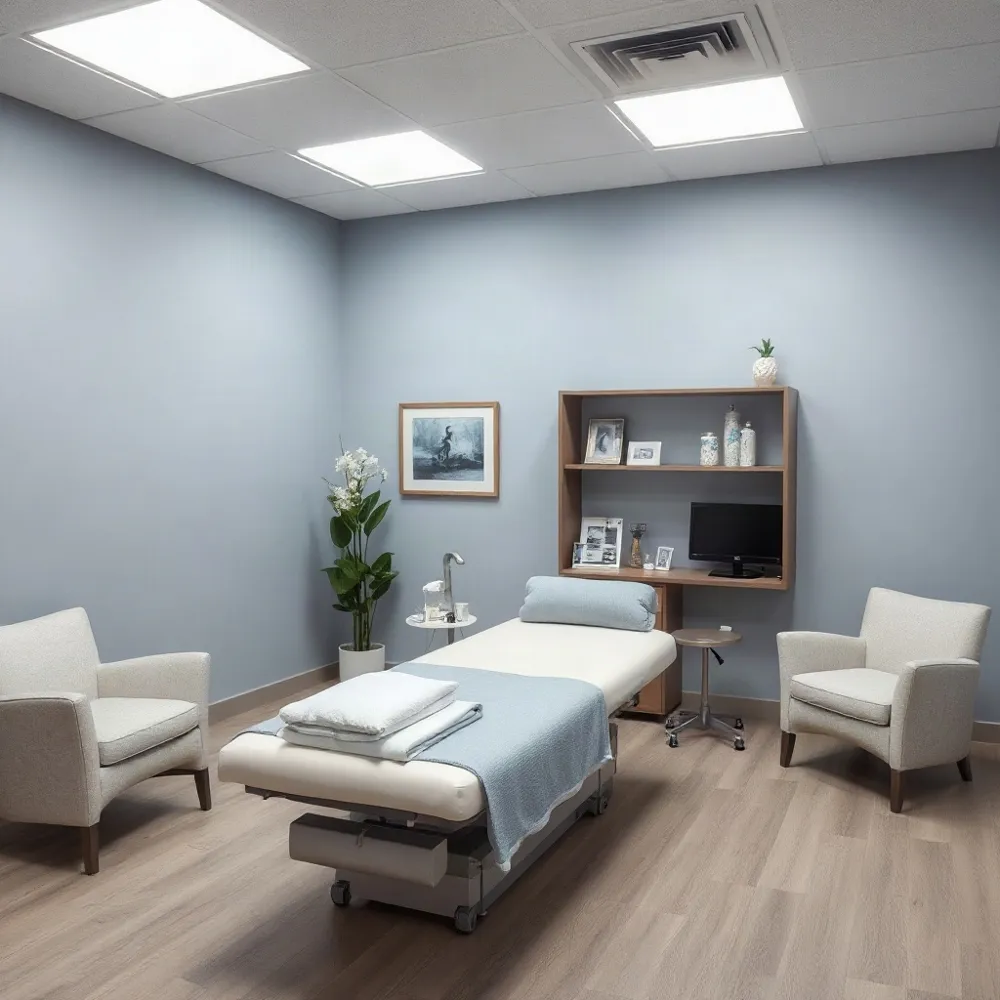 For most people with chronic back pain, the path to relief starts not with a scalpel but with guided movement. Exercise-based physical therapy is the foundation of conservative treatment, focusing on core strengthening, flexibility, aerobic conditioning, and posture retraining. A physical therapist tailors these exercises to your specific symptoms, condition, and comfort level, because one set of exercises does not work for everyone.
A consistent home exercise routine is what maintains spine strength and stability between sessions. The Orthopedic Spine Institute of St. Louis incorporates this principle into every patient's plan, ensuring that physical therapy builds lasting habits rather than temporary relief.
Chiropractic care is another pillar of non-surgical spine care. Spinal manipulation can improve mobility and reduce pain, especially for conditions like herniated discs and sciatica. Massage therapy complements these approaches by relaxing tight muscles, reducing inflammation, and improving blood flow to speed healing.
Acupuncture also plays a role in conservative care. By inserting ultra-fine needles at specific points, it may stimulate the body's natural healing mechanisms and improve circulation around the affected area. When combined with physical therapy and chiropractic care, these hands-on therapies form a comprehensive non-surgical toolkit.
Pain Relief Through Injections and Advanced Procedures
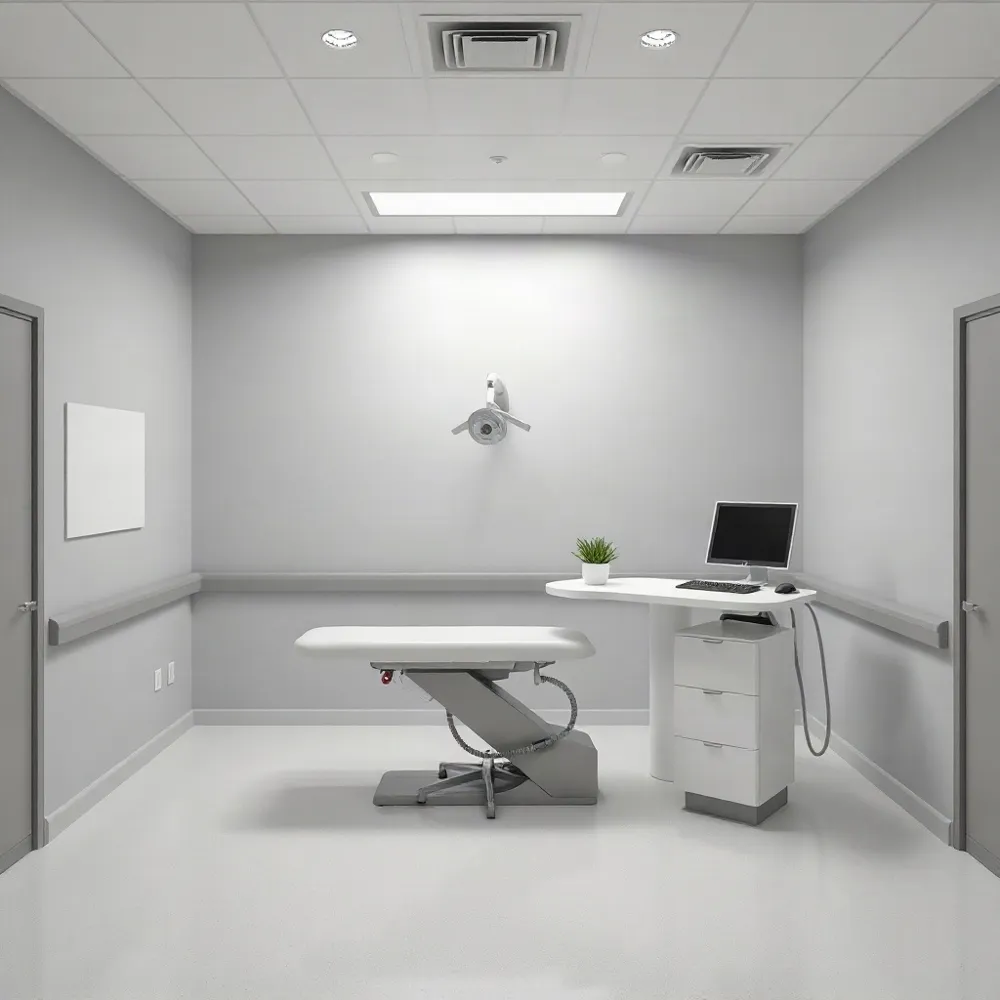 When physical therapy and lifestyle changes aren't enough to control pain, interventional procedures can provide the relief needed to resume active rehabilitation. These treatments target specific pain sources with minimal downtime and are designed to work alongside exercise programs, not replace them.
Epidural Steroid Injections. Deliver anti-inflammatory medication directly into the epidural space around the spinal cord. This reduces swelling and irritation of compressed nerves, providing temporary pain relief that can last weeks to months.
Facet Joint Injections and Medial Branch Blocks. Target the small joints between vertebrae or the nerves that supply them. These injections combine a local anesthetic with a steroid to diagnose and treat pain originating from facet joint arthritis.
Radiofrequency Ablation. Uses heat from radio waves to interrupt nerve signals by destroying specific nerve endings. This can stop pain messages from reaching the brain for several months, offering long-lasting relief for chronic conditions like facet joint pain.
Spinal Cord Stimulation. A surgically implanted device sends low-level electrical pulses to the spinal cord, interfering with the transmission of pain signals. Patients often experience a tingling sensation instead of pain, allowing them to participate more fully in physical therapy.
Regenerative Medicine. Platelet-rich plasma (PRP) and stem cell therapies harness the body's own healing factors to repair damaged tissues. These injections are gaining attention for promoting natural healing in facet joints, discs, and ligaments.
For patients with spinal stenosis, a Vertiflex Superion implant can be placed between vertebrae to separate them and relieve nerve pressure. This minimally invasive option fills the gap between conservative care and more invasive surgery, and at the Orthopedic Spine Institute of St. Louis, such advanced procedures are evaluated after conservative methods have been exhausted. The primary goal of these interventions is to provide enough pain reduction so patients can actively engage in physical therapy and restore function without the risks of major surgery.
At-Home Strategies and Natural Remedies
 When back or sciatica pain flares, you can start relief at home with simple, evidence-based strategies. For quick symptom control, experts recommend ice therapy first. Apply a wrapped ice pack or a bag of frozen peas to the painful area for 15-20 minutes at a time during the first 24 to 48 hours to numb sharp pain and reduce inflammation. After that initial window, switch to gentle heat using a heating pad or warm compress for 15-20 minutes to relax tight muscles and improve blood flow.
Gentle Movement and Over-the-Counter Relief
Prolonged bed rest can worsen stiffness and slow recovery. Instead, gentle movement such as short walks or light stretching helps keep muscles from tightening and reduces pressure on the sciatic nerve. Try stretches that target the hamstrings, hips, and lower back, like the figure-four stretch. For inflammation and pain, nonsteroidal anti-inflammatory drugs (NSAIDs) such as ibuprofen or naproxen can provide temporary relief. As noted by orthopedic spine surgeons, use these only as directed and check with your doctor if you have other health conditions.
Posture, Ergonomics, and Anti-Inflammatory Diet
How you sit and stand directly affects your spine. Slouching or sitting for long periods puts extra pressure on the lower back. Practice proper posture by keeping your feet flat on the floor, shoulders back, and supporting your lower back. At the same time, dietary choices can help manage inflammation. An anti-inflammatory diet includes fatty fish like salmon and mackerel, turmeric, ginger, and green tea. Avoid processed foods, trans fats, and refined sugars, which can contribute to systemic inflammation.
Some natural supplements, such as curcumin, omega-3 fatty acids, and magnesium, have shown promise for managing musculoskeletal pain. However, the FDA does not regulate all supplements, so consult your doctor before starting any new regimen to avoid interactions with other medications. For a more structured at-home plan, explore conservative spine care strategies that include targeted home exercises and lifestyle adjustments.
At the Orthopedic Spine Institute of St. Louis, the focus is on starting with the least invasive options first. If at-home strategies are not providing sufficient relief after a few weeks, a specialist can build a personalized care plan that combines these natural remedies with physical therapy or interventional procedures. Most people feel better within a few weeks when they stay consistent with movement, good posture, and proper nutrition.
Daily Habits to Avoid and Embrace for Sciatica
Living with sciatica often comes with trial and error in daily routines. Certain habits relieve nerve pressure and muscle tension, while others aggravate symptoms, slow healing, and increase pain. Focusing on movement patterns and posture helps keep recovery on track.
What to Avoid When Sciatica Flares
Prolonged sitting is one of the most common triggers. Sitting places your entire upper body weight on the lower spine, compressing the sciatic nerve and often worsening pain. Cleveland Clinic experts note that poor posture, slouching, or sitting on uneven surfaces further strains the nerve. Get up and move every 30 to 45 minutes. Also avoid heavy lifting with poor form, twisting while carrying weight, and high-impact exercises such as running or jumping during acute flare-ups.
Forward bending exercises (like toe touches), deep spinal twists, and traditional sit-ups can increase compression on the spine and aggravate radicular pain. St. Vincent's Hospital specialists advise that tight muscles worsen sciatica, so focus on gentle, targeted stretches like the figure-four stretch instead of movements that load the spine directly.
Do not resort to complete bed rest. While short rest periods can help initially, prolonged inactivity weakens back muscles, increases stiffness, and can prolong recovery. Gentle movement, such as short walks or light stretching, reduces pressure on the nerve and maintains flexibility.
Healthy Posture and Movement Habits
Good posture matters throughout the day. Sit with feet flat on the floor, shoulders back, and use lumbar support to maintain the spine's natural curve. Ergonomic office furniture, frequent breaks from electronics, and sleeping on your side or back (not the stomach) all help reduce strain on the lower back and sciatic nerve.
For a personalized, comprehensive non-surgical plan, osistl.com's conservative spine care program combines movement coaching, posture retraining, and interventional options to keep daily habits working for you, not against you.
Managing Neck Pain: Relief and Red Flags
Neck pain is one of the most common complaints in modern life, often triggered by poor posture, prolonged screen use, or sleeping in an awkward position. The cervical spine supports the head and allows for a wide range of motion, but it is vulnerable to strain from daily habits. Most cases of neck pain improve within a week or two with simple home care and do not require medical intervention.
Home Remedies and First-Line Care
For acute neck pain, rest and gentle movement are the first steps. Apply ice during the first 24 to 48 hours to reduce inflammation, then switch to a heating pad or warm compress to relax tight muscles and improve blood flow. Over-the-counter anti-inflammatory medications like ibuprofen or naproxen can help manage pain when used as directed.
Gentle stretching of the neck, shoulders, and upper back can preserve range of motion and prevent muscles from tightening further. Short walks and simple range-of-motion exercises also help maintain mobility without aggravating the underlying cause.
Physical Therapy and Injection Options
If neck pain persists beyond a few weeks, structured physical therapy is the next step. A therapist can strengthen the supportive muscles of the neck and upper back, correct posture, and improve flexibility. About 75 percent of people with chronic neck or back pain improve with physical therapy alone, often avoiding the need for surgery.
For pain that does not respond to therapy, injection-based treatments can provide temporary relief. Facet joint injections deliver a combination of anesthetic and steroid directly into the inflamed joint, offering relief that can last several months. Radiofrequency rhizotomy (or ablation) uses radio waves to block pain signals from specific nerves and may provide relief for several weeks to months in cases of chronic neck pain from whiplash or facet joint arthritis. At osistl.com, the approach begins with conservative, non-surgical options such as these before considering more invasive procedures.
Red Flags and the 5 D's
Most neck pain is benign, but certain symptoms require immediate medical attention. The “5 D’s” are a set of red-flag signs used to screen for serious conditions like vertebrobasilar insufficiency or stroke: dizziness or vertigo triggered by neck movement, diplopia (double vision), drop attacks (sudden falls without losing consciousness), dysarthria (slurred speech), and dysphagia (trouble swallowing). Any of these occurring with neck pain is a medical emergency.
Other urgent signs include neck pain after a recent accident or fall, loss of bowel or bladder control, weakness in the arms or legs, numbness or tingling in the shoulders or limbs, fever or chills, unexplained weight loss, or pain that does not improve after one week. If you experience these symptoms, seek evaluation without delay.
Living Well with Chronic Spinal Pain
Chronic spinal pain — pain lasting three months or longer — can stem from conditions such as spinal arthritis, disc degeneration, or stenosis. A thorough evaluation is the first step. At the Orthopedic Spine Institute of St. Louis, a patient-first approach begins with identifying the root cause so that a personalized, conservative care plan can be built around your specific needs.
Tailored physical therapy forms the foundation of long-term management. A prescribed regimen of core strengthening, stretching, and posture retraining helps stabilize the spine and reduce pain without surgery. Home exercise consistency is equally important to maintain progress between clinic visits.
Lifestyle Habits That Reduce Flare-Ups
Maintaining a healthy weight relieves pressure on the spine, while improving posture and staying active with low-impact activities like walking or swimming supports daily function. Restorative sleep allows tissues to repair, lowering the risk of pain spikes. These habits work together to keep symptoms manageable over the long term.
Mind-body practices such as mindfulness, meditation, yoga, and tai chi can help manage the psychological side of chronic pain by boosting conscious control over the nervous system. A whole-food, anti-inflammatory diet also plays a role — reducing processed foods and added sugars may lessen inflammation and reduce flare-ups.
When these strategies are combined, the goal is a collaborative pain management plan focused on function and quality of life, not just temporary relief. Surgery remains a last resort, considered only when red-flag symptoms like bowel or bladder changes, limb weakness, or gait problems appear, or after a full course of conservative treatment has not brought adequate improvement. At the Orthopedic Spine Institute of St. Louis, we help patients build a sustainable approach to living well with chronic spinal pain.
| Approach | Examples | Benefit |
|---|---|---|
| Physical therapy | Core strengthening, stretching, posture retraining | Strengthens supporting muscles, reduces pain |
| Lifestyle adjustments | Healthy weight, good posture, active living | Reduces spine pressure, lowers flare-up risk |
| Mind-body practices | Meditation, yoga, tai chi | Improves pain coping and nervous system control |
| Nutrition | Anti-inflammatory diet, reduced processed foods | Lowers systemic inflammation |
| Pain management plan | Collaborative care with specialists | Focus on function and quality of life |
Your First Step Toward Pain-Free Living
Most spinal pain improves without surgery. The first step is to explore conservative options with a specialist who builds a care plan around your specific condition and goals. The team at the Orthopedic Spine Institute of St. Louis offers patient-first, comprehensive evaluations focused on non-surgical relief.
Schedule an appointment with Dr. David S. Raskas to discuss your options and begin a path that prioritizes your long-term spinal health without rushing into invasive procedures.