
When Pain Cannot Wait
When back, neck, or sciatica pain disrupts your routine, a practical question follows: can a spine specialist see you within a week? The answer depends on the practice’s current schedule, the type of appointment, and how urgently your symptoms need attention. Same-week access is not guaranteed, so confirm availability directly rather than relying on general scheduling claims.
Contact osistl.com to ask about current appointment openings and explain what has changed, including pain that is worsening or affecting daily activities. The practice provides care for back, neck, and sciatica pain, starting with conservative treatment and considering minimally invasive surgery when appropriate. If symptoms are severe or rapidly worsening, seek medical guidance about the right level of care; sudden bowel or bladder loss with pelvic numbness calls for emergency assessment, according to University of Utah Health’s spine-care guidance.
What Same Week Access Can Mean
“Same-week access” can mean different things: a clinic may accept appointment requests quickly, offer selected urgent visits, or simply ask patients to call about its current schedule. These are not the same as a confirmed appointment within a particular timeframe.
For the Orthopedic Spine Institute of St. Louis, the available information does not confirm that same-week appointments are routinely available. Contact the office to ask about current openings and explain what symptoms you are experiencing. The practice’s approach begins with conservative care and may include minimally invasive surgery when appropriate, but neither the treatment approach nor an online request establishes how soon a visit can be scheduled.
As a regional comparison, Washington University Orthopedics advertises online requests for same-day or next-day spine appointments. That is an example of another service’s scheduling options, not a guarantee that every patient or appointment type will be available within that timeframe, and it does not describe the scheduling practices of the Orthopedic Spine Institute of St. Louis.
When Symptoms Call for Faster Care
 A sudden, substantial change in back or neck pain deserves medical guidance, especially if pain travels into an arm or leg or comes with tingling, burning, numbness, or weakness that persists or worsens. Pain that disrupts sleep, work, driving, or everyday tasks is also a reason to contact a clinician rather than simply waiting for a routine visit.
These symptoms do not establish a diagnosis, but they can help a clinician decide how soon an assessment is needed. The University of Utah Health guidance on when to see a spine specialist recommends assessment for symptoms such as radiating pain, progressing nerve-related symptoms, or difficulty with daily activities. You can also review signs that call for faster neck-pain care.
Some warning signs call for emergency evaluation, not a routine appointment: sudden loss of bowel or bladder control together with numbness around the pelvis or groin, rapidly worsening weakness, difficulty walking, or severe pain after major trauma. Severe, debilitating spine pain may also warrant emergency-room assessment. If symptoms seem urgent or are getting worse quickly, seek immediate medical guidance.
For concerning changes that are not an emergency, contact a clinician and describe when symptoms began, what has changed, and how they affect daily activities. Orthopedic Spine Institute of St. Louis provides care for back, neck, and sciatica pain, beginning with conservative treatment and considering minimally invasive surgery when appropriate. That conservative-first approach means a specialist evaluation does not automatically mean surgery; the next step depends on the individual assessment.
When A Routine Visit May Be Appropriate
Not every episode of back or neck pain calls for a specialist appointment. Many problems improve with home measures such as rest, ice or heat, and over-the-counter pain relief used as directed. If symptoms are steadily easing and daily activities are becoming manageable, a specialist visit may not be needed right away, according to University of Utah Health’s guidance on seeing a spine specialist.
If pain continues for more than four to six weeks without improving despite home care, University of Utah Health advises contacting a primary care provider. That clinician can assess the problem, decide whether imaging is appropriate, and refer you to a spine specialist if needed. This is general guidance, not a referral requirement or appointment policy for Orthopedic Spine Institute of St. Louis.
The same guidance defines chronic pain as lasting longer than three months. If persistent pain has not improved with nonsurgical treatments, such as physical therapy, injections, or prescription medication, a specialist evaluation may be worth discussing. Care at Orthopedic Spine Institute of St. Louis starts conservatively, with minimally invasive surgery considered when appropriate.
When asking osistl.com about scheduling, give the care team a clear picture of your situation: how long symptoms have lasted, whether they are changing, which activities are affected, and what treatments you have tried. This information can help the team understand your concerns and discuss an appropriate next step. Confirm current availability directly, since these general timelines do not establish clinic scheduling rules.
What A Spine Evaluation May Involve
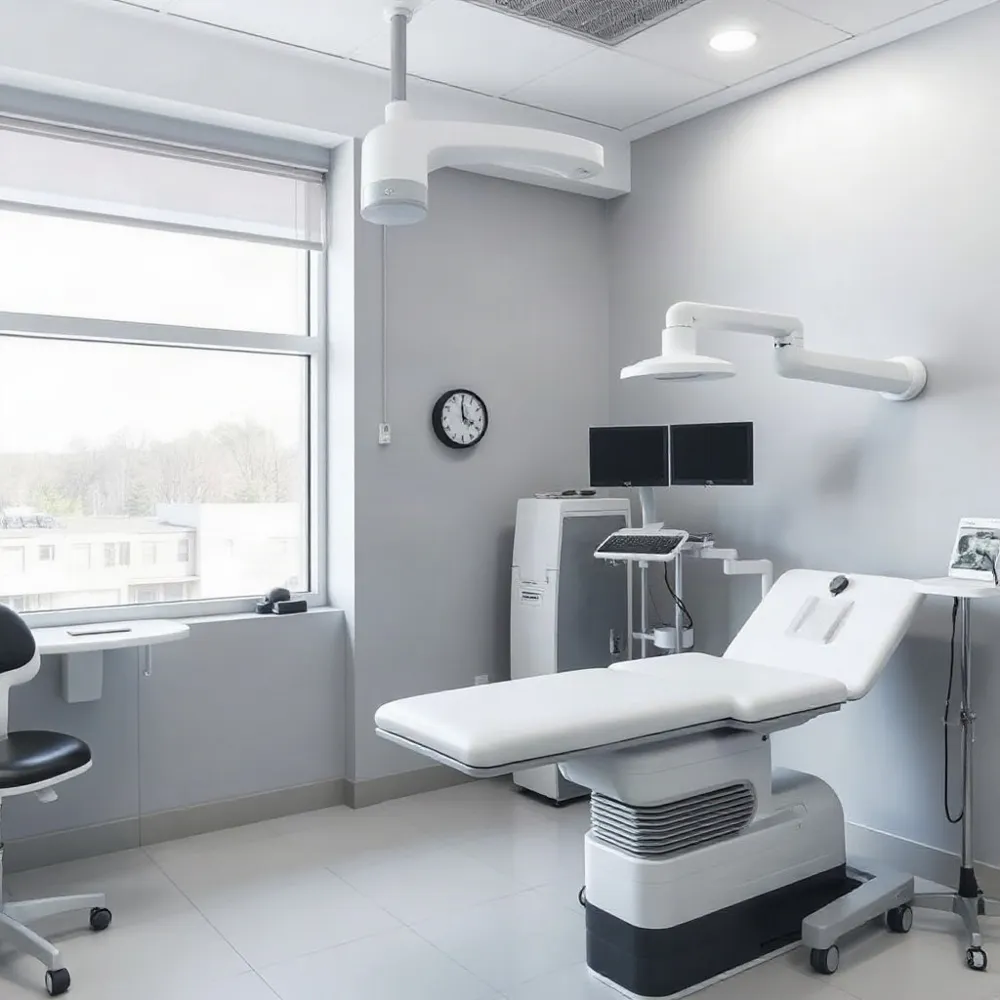 An initial spine evaluation is a chance to clarify what has changed and discuss possible next steps. The clinician may ask about your medical history, where and when symptoms occur, what makes them better or worse, and how pain affects daily activities. A physical examination can help assess movement, strength, sensation, and other signs related to the concern.
Imaging or other tests may be considered when the history and examination suggest they could help guide care. They are not automatically needed at every visit. This overview of when to see a spine specialist explains that evaluation and treatment depend on a person’s symptoms and clinical needs. You can also read about what a spine evaluation may involve before your appointment.
Seeing a spine specialist does not mean surgery is inevitable. Many people with back or neck pain do not need an operation, and care often begins with nonsurgical options. Depending on the evaluation, these may include physical therapy, medication, or injections. At Orthopedic Spine Institute of St. Louis, care starts conservatively, with minimally invasive surgery considered when appropriate.
Pain care may take follow-up visits to assess progress and adjust the plan. A single appointment may provide an assessment and direction, but it cannot promise immediate relief or a final diagnosis in every case. Bringing a list of symptoms, prior treatments, and questions can help make the discussion more useful.
How To Ask About Availability
 Contact Orthopedic Spine Institute of St. Louis through its official scheduling channels and ask whether an appointment within the coming week may be available for your symptoms. Timing is not guaranteed and should be confirmed directly with the practice, since scheduling and clinical needs can affect availability.
When you inquire, explain whether the pain is new or longstanding, whether it has suddenly worsened, and whether you have numbness, tingling, or weakness. Describe how it affects activities such as working, driving, or sleeping. This context can help the team direct your scheduling question. Care at the Institute begins conservatively, with minimally invasive surgery considered when appropriate.
If the next routine opening seems too far away, ask what the practice recommends while you wait. Sudden loss of bowel or bladder control with pelvic numbness calls for emergency care, not routine scheduling, according to University of Utah Health's spine guidance. For practical advice on asking about a near-term visit, see the practice's guidance on how to ask about availability.
Confirm The Next Step
A same-week spine appointment may be possible, but availability at Orthopedic Spine Institute of St. Louis depends on its current schedule and cannot be confirmed from the information here. Contact the practice directly to ask about timing and explain what has changed. The institute’s approach starts with conservative care, with minimally invasive surgery considered when appropriate.
For symptoms that are concerning but not an emergency, a spine evaluation can help clarify the next step. University of Utah Health’s guidance on when to see a spine specialist advises emergency care for sudden loss of bowel or bladder control with pelvic numbness. Do not wait for a scheduled visit if serious warning signs arise, such as new severe weakness, difficulty walking, or loss of bowel or bladder control. Seek emergency care instead.