Understanding Non‑Surgical Spine Care
Non‑surgical spine care is an evidence‑based, conservative approach that treats back, neck and sciatica pain without incisions or anesthesia. It combines core components such as tailored physical‑therapy programs, chiropractic adjustments, targeted spinal injections (e.g., epidural steroids), and lifestyle modifications like posture training, weight‑management and low‑impact exercise. At the Orthopedic Spine Institute of St. Louis a multidisciplinary team of physiatrists, physical therapists, chiropractors and pain‑management specialists creates a personalized plan that addresses each patient’s unique anatomy and goals. This first‑line strategy is markedly safer than surgery—avoiding infection, blood loss and anesthesia risks—while being more cost‑effective and often delivering faster return to daily activities and an improved quality of life.
Core Strategies for Reducing Back Pain in Women
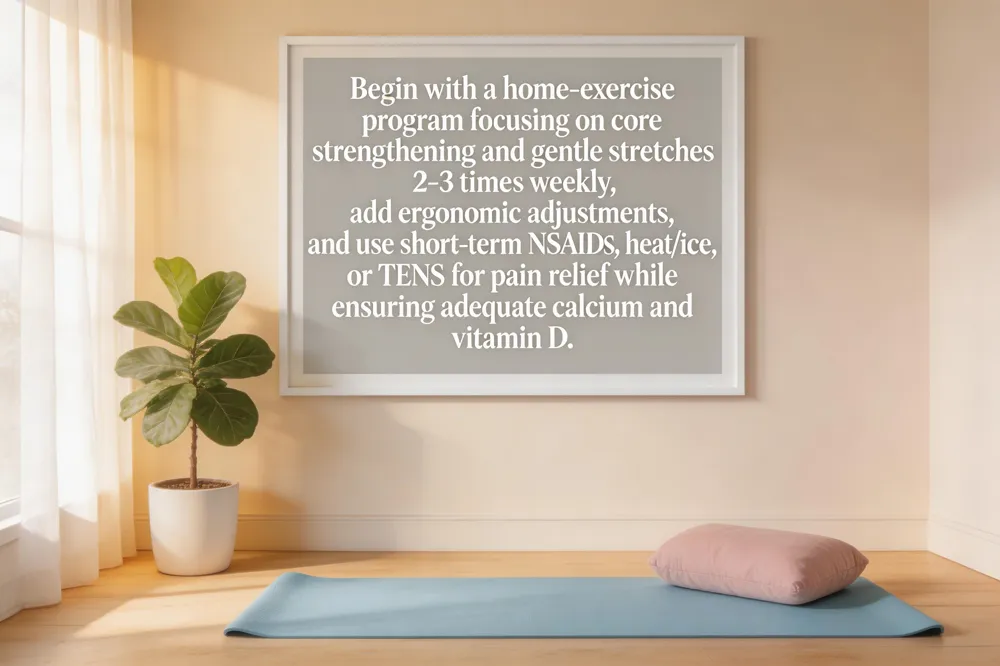 Women experience back pain from hormonal shifts (e.g., menopause‑related bone density loss), pregnancy‑induced postural changes, and anatomical factors such as sacroiliac joint dysfunction. A conservative, non‑surgical plan is the first line of care. Begin with a home‑exercise program that emphasizes core‑strengthening (bridges, shoulder‑blade squeezes) and gentle stretches (knee‑to‑chest, cat‑cow, lower‑back rotations) performed 2‑3 times per week, complemented by low‑impact aerobic activity. Ergonomic adjustments at work and home—supportive chairs, monitor at eye level, avoiding prolonged bending—help maintain spinal alignment. Short‑term pain relief with NSAIDs, heat/ice, and TENS can be achieved with over‑the‑counter NSAIDs, alternating heat‑ice packs, and TENS when needed; ensure adequate calcium and vitamin D for bone health. If pain persists beyond a few weeks or is accompanied by neurological symptoms, seek evaluation by a spine specialist or physical therapist for personalized treatment, possible imaging, and targeted interventions such as epidural steroid injections. This multidisciplinary, patient‑first approach often avoids surgery, restores function, and improves quality of life.
Conservative Treatment Pathways for Lower Back Pain
 Effective lower‑back care starts with patient education and staying active. Early guidance about the natural course of back pain, proper posture, and ergonomic habits reduces fear‑avoidance and promotes early return to daily activities. Structured physical therapy programs—usually 2‑3 sessions per week for 6‑8 weeks—focus on core‑stabilization, flexibility, and functional movement, while a home‑exercise routine reinforces gains and prevents recurrence.
Medication follows a step‑wise hierarchy: short‑term NSAIDs (ibuprofen, naproxen) are first‑line for inflammation; muscle relaxants (cyclobenzaprine) are added for spasm; neuropathic agents (gabapentin, duloxetine) address radicular pain. Opioids are reserved for severe, refractory cases and used only briefly.
Injection options include epidural steroid injections for nerve inflammation, facet‑joint blocks for localized arthritis, and radio‑frequency ablation for longer‑lasting pain control. These minimally invasive procedures can bridge patients to active rehabilitation.
Complementary modalities—heat therapy or ice therapy, therapeutic massage, acupuncture, and cognitive‑behavioral therapy—address both physical and psychological pain drivers, enhancing overall outcomes. Together, these evidence‑based, multidisciplinary strategies provide a patient‑first, cost‑effective pathway that often eliminates the need for surgery while restoring function and quality of life.
Advanced Non‑Surgical Options and Emerging Technologies
 Modern spine care increasingly relies on minimally invasive and non‑invasive therapies that avoid the risks of open surgery. Motorized spinal decompression therapy uses a computer‑controlled traction table to gently stretch the spine, creating negative pressure that draws nutrients into intervertebral discs and promotes natural healing. This outpatient procedure is pain‑free, requires no anesthesia, and often improves mobility after a series of 20‑30 sessions.
Intracept basivertebral nerve ablation targets the vertebrogenic source of chronic low‑back pain. Most patients notice pain reduction within one to two weeks, with maximal benefit emerging over the next two to three months and lasting for years.
Ultra‑minimally invasive endoscopic decompression and TOPS/ADR represent the newest treatments for spinal stenosis and as the compression a spinal... Through Endoscopic sub‑centimeter incision or a motion‑preserving facet‑joint replacement, these techniques maintain flexibility, shorten recovery, and reduce adjacent‑segment degeneration.
Neurostimulation and radiofrequency ablation provide targeted pain control by delivering electrical impulses or heat to interrupt nociceptive signals, offering durable relief without incisions.
Minimally invasive injections and image‑guided procedures such as epidural steroids, facet‑joint blocks, and percutaneous discectomy deliver anti‑inflammatory medication directly to the pain source, allowing rapid symptom improvement while patients continue structured rehabilitation.
Most common nonsurgical back‑pain treatment: a personalized physical‑therapy program focusing on core strengthening, flexibility, and posture correction, complemented by education, lifestyle changes, and when needed, modalities like heat, ice, or manual therapy.
Spine treatment without surgery begins with a thorough evaluation, then integrates physical therapy, medication, targeted injections, chiropractic care, electrical stimulation, and lifestyle modification to address both mechanical and neurological contributors to pain.
Non‑surgical back‑pain care near St. Louis: the Orthopedic Spine Institute of St. Louis offers a patient‑first, multidisciplinary approach that includes the therapies above, image‑guided injections, and FDA‑cleared spinal‑decompression. Call (314) 555‑1234 or book online to start your individualized non‑surgical plan.
Managing Chronic and Upper Back Pain
 A patient‑first, multimodal approach is the cornerstone of chronic back pain treatment. Begin with a structured physical‑therapy program that emphasizes core‑strengthening, flexibility, and low‑impact aerobic activity, complemented by a home‑based routine to maintain spinal stability. Add mind‑body therapies—cognitive‑behavioral therapy, mindfulness meditation, or yoga—to address fear‑avoidance and stress, which can amplify pain. For upper‑back discomfort, focus on thoracic extensions, scapular strengthening, chest stretches, and ergonomic adjustments at work and home to improve posture and reduce strain.
Chronic back pain treatment – Use the multimodal plan above, start with NSAIDs or acetaminophen, avoid long‑term opioids, and consider image‑guided injections or radiofrequency ablation if pain persists.
Upper back pain treatment – Start with activity modification, heat, NSAIDs, and targeted thoracic exercises; if needed, add cortisone injections after imaging confirms the source.
How to relieve severe back pain – Apply ice for 48 hours then heat, take NSAIDs, follow a therapist‑guided exercise program, and incorporate mindfulness; seek specialist evaluation for injections or minimally invasive procedures when pain remains.
How to get rid of back pain instantly – Use an ice pack (15‑20 min), then a warm compress, take an OTC pain reliever, perform gentle stretches (knee‑to‑chest, cat‑cow), and stay moving with a short walk or light yoga.
Nutrition, Vitamins, and Lifestyle for Spine Health
 Optimal spine health starts with key nutrients. Vitamin D is the most critical vitamin for the spine because it boosts calcium absorption, essential for strong vertebrae, and supports muscle function while reducing inflammation. Vitamin K2 works with D to direct calcium into bone and away from soft tissue. Adequate calcium and magnesium further reinforce bone density and disc hydration, while omega‑3 fatty acids help dampen inflammatory pathways. An anti‑inflammatory diet rich in leafy greens, berries, oily fish, and nuts, combined with weight management, lowers mechanical load on the spine and reduces pain flare‑ups. Ergonomic habits—maintaining neutral posture at a workstation, using supportive chairs, and taking micro‑breaks—protect spinal alignment at home and work. Finally, quitting smoking and practicing stress‑reduction techniques such as mindfulness or yoga improve circulation and decrease inflammation, supporting spinal resilience.
The Bottom Line: Embrace Non‑Surgical Care First
Non‑surgical spine care avoids the infection, bleeding and anesthesia risks of surgery while delivering comparable pain relief for herniated discs, spinal stenosis, sciatica and chronic back pain. Because it relies on therapies such as physical therapy, chiropractic adjustments, targeted injections, lifestyle, and spinal medicine, the overall cost is far lower than operative care and patients return to work and daily activities much faster. A personalized, multidisciplinary team—physiatrists, physical therapists, chiropractors, pain‑management specialists and nutritionists—creates a treatment plan that tackles the root cause of each patient’s pain. St. Louis residents, take the first step toward lasting relief: schedule a consultation with Dr. David S. Raskas today and start your journey to better life.