An Overview of Lumbar Disc Replacement Surgery
What is Lumbar Disc Replacement Surgery?
Lumbar disc replacement surgery is a procedure that involves removing a damaged or worn disc in the lower spine and replacing it with an artificial disc made of metal or a combination of metal and plastic. This artificial disc is designed to preserve natural spinal movement, allowing for bending, flexing, and rotating similar to a healthy disc.
How Does It Compare to Spinal Fusion?
Unlike spinal fusion, which permanently joins two or more vertebrae to eliminate motion at the affected segment, lumbar disc replacement maintains spinal flexibility. Fusion surgery can limit mobility and often requires a longer recovery time, typically 3 to 6 months. In contrast, disc replacement allows many patients to resume daily activities within 6 to 12 weeks and aims to reduce the risk of adjacent segment degeneration by preserving motion.
Growing Popularity and Market Trends
The market for artificial disc replacements in the U.S. has seen notable growth, with a value of around $501 million in 2021. It is projected to more than double, reaching over $1 billion by 2028. This increase reflects rising acceptance of lumbar disc replacement as a viable alternative to fusion, especially among active patients seeking faster recovery and improved mobility.
Choosing the right surgical option involves careful evaluation by experienced spine surgeons to ensure the best outcomes based on individual health and spinal condition.
Understanding Lumbar Disc Replacement: Procedure and Candidate Selection
What does the lumbar disc replacement surgical procedure involve?
Lumbar disc replacement surgery involves removing the damaged or degenerated disc in the lower spine and replacing it with an artificial disc designed to preserve motion. This procedure is typically performed through an anterior approach, accessed via a small incision in the lower abdomen. Surgeons carefully move aside organs and blood vessels to reach the front of the spine. After removing the affected disc and smoothing the vertebral bone surfaces, the artificial disc implant, usually made from metal and polymer materials, is placed between the vertebrae. The surgery typically requires general anesthesia and a hospital stay of 1 to 3 days. Patients undergo postoperative pain management and begin early mobilization and physical therapy to regain flexibility and function.
Who is an ideal candidate for lumbar disc replacement?
Ideal candidates are usually adults aged 18 to 60 with chronic back pain stemming from one or two lumbar discs, and who have failed conservative treatments like physical therapy, medications, or injections. Candidates should have good overall health without major joint disease, spinal deformities like scoliosis, obesity, or significant nerve compression. Diagnostic evaluations include MRI, CT scans, X-rays, discography, and sometimes electromyography to confirm the source of pain and rule out other conditions. Smoking cessation and thorough medication review are part of preoperative preparation. Surgeon assessment is critical to confirm that the patient’s bone quality and spinal stability make them suitable for this motion-preserving surgery.
How does lumbar disc replacement compare to spinal fusion?
Unlike spinal fusion, which permanently joins vertebrae and restricts movement at the affected segment, lumbar disc replacement maintains natural spinal mobility by mimicking the function of a healthy disc. This preservation of motion offers benefits such as reduced stress on adjacent discs and potentially lower rates of degeneration at those levels. Lumbar disc replacement generally allows faster recovery—patients often return to normal activities within 6 to 12 weeks, compared to 3 to 6 months for fusion. However, not everyone is a good candidate for disc replacement, especially patients with spinal instability, multiple affected levels, or advanced arthritis. For such complex cases, spinal fusion remains a reliable option. Both procedures have risks and benefits, so personalized evaluation and experienced surgical expertise are essential for optimal outcomes.
What conservative treatment options are offered before considering surgery at the Orthopedic Spine Institute of St. Louis?
At the Orthopedic Spine Institute of St. Louis, initial care includes physical therapy, medication management, injections, lifestyle modifications, posture education, bracing, manual therapies, and other non-invasive approaches. Surgery, including disc replacement, is considered only after these conservative treatments fail to provide relief and improve function.
Benefits of Lumbar Disc Replacement Surgery

Preservation of spinal motion and flexibility
Lumbar disc replacement surgery stands out because it preserves the natural motion and flexibility of the spine. Unlike spinal fusion, which permanently joins vertebrae and limits movement, artificial discs allow patients to bend, twist, and flex more naturally post-operation. This motion preservation with disc replacement supports everyday activities and minimizes spinal stiffness.
Reduced adjacent segment degeneration
One of the critical advantages of lumbar disc replacement is the reduced risk of adjacent segment degeneration. Because the artificial disc maintains spinal movement at the treated segment, the stress on neighboring discs is lessened compared to fusion surgery. This can help lower the chance of future degeneration or damage in those adjacent spinal areas.
Faster recovery and return to activities
Patients undergoing lumbar disc replacement typically experience shorter hospital stays and quicker recovery times. Many return to normal daily activities within 2 to 6 weeks, compared to fusion patients who may require 3 to 6 months. Minimally invasive spine surgery techniques further enhance recovery by causing less tissue damage, reducing pain, and speeding rehabilitation.
Patient satisfaction and quality of life improvements
High patient satisfaction rates have been reported with lumbar disc replacement due to effective pain relief and preserved spinal mobility. Improved function leads to better quality of life, enabling patients to resume active lifestyles with less discomfort and greater confidence.
By opting for lumbar disc replacement, eligible patients benefit not only from pain reduction but also from maintaining spine health and function, which are crucial for long-term well-being.
Risks and Limitations Associated with Lumbar Disc Replacement

What are the surgical risks associated with lumbar disc replacement?
Lumbar disc replacement surgery carries typical surgical risks including infection, bleeding, and potential nerve damage. There is also a risk of allergic reactions to implant materials. These complications can affect recovery and outcomes.
What are potential issues with the artificial disc implant?
Implant-related problems include failure, dislocation, loosening, wear, or fracture of the artificial disc. These issues might necessitate revision surgeries, which are sometimes required to address implant complications or inadequate pain relief. For more details, see Risks and challenges of artificial disc in the low back.
How do financial and insurance factors affect this surgery?
Coverage for lumbar disc replacement can vary widely. While the procedure is recognized as medically necessary, insurance companies often have stricter policies around reimbursement compared to spinal fusion. Patients may face higher out-of-pocket expenses and might need to appeal insurance decisions or seek alternative funding strategies.
What limitations exist based on patient health and spine condition?
Ideal candidates for lumbar disc replacement are typically younger, in good overall health, and have specific spinal conditions such as degenerative disc disease without major joint disease or spinal deformities. Poor bone quality, spinal instability, or extensive degeneration often exclude patients from this surgery. Lifestyle factors and prior surgeries are also considered during selection.
Understanding these risks and limitations is important to make informed decisions about lumbar disc replacement. Consulting with an experienced spine surgeon ensures proper assessment and individualized treatment planning.
Minimally Invasive Techniques and Advances Enhancing Patient Outcomes

When is minimally invasive spine surgery recommended?
Minimally invasive spine surgery (MISS) is typically recommended when conservative treatments, such as physical therapy and medication, fail to sufficiently relieve symptoms like pain, weakness, or nerve compression. It is also advised in cases of severe nerve compression, spinal instability, or fractures that require surgical intervention. MISS addresses conditions such as herniated discs, spinal stenosis, scoliosis, and spinal instability, providing effective relief while minimizing tissue damage.
Use of smaller incisions and reduced tissue trauma
MISS utilizes small incisions and specialized instruments that limit damage to muscles and soft tissues compared to traditional open surgery. This approach avoids extensive muscle cutting, leading to less blood loss and lower infection risk. These smaller incisions allow surgeons to reach the affected disc or spinal segment with minimal disruption, preserving surrounding tissues and reducing postoperative pain.
Shorter hospital stays and quicker recovery
One of the primary benefits of minimally invasive techniques is faster recovery. Many patients leave the hospital within days or even the same day of surgery, especially for procedures like lumbar discectomy or total disc replacement. Patients often return to daily activities within a few weeks, a marked improvement over traditional spine surgery recovery times, which can span several months. Early mobilization programs and less postoperative pain also facilitate quicker rehabilitation.
Role of surgeon experience in success rates
Surgeon skill and expertise are critical factors for successful minimally invasive spine surgeries. Experienced surgeons trained in MISS techniques improve outcomes by accurately selecting candidates, performing precise implant placement, and minimizing complications. Studies emphasize that patients treated by specialists experienced in both traditional and minimally invasive disc replacement techniques tend to experience better pain relief and regain mobility more effectively.
Emerging technologies and robotic assistance
Advancements such as robotic-assisted surgery and real-time imaging guidance have enhanced the accuracy and safety of minimally invasive spine procedures. These technologies allow for more precise incision placement, improved implant positioning, and reduced operative times. Additionally, the development of newer artificial discs and instruments tailored for less invasive approaches continue to improve patient outcomes by promoting quicker recovery and preserving natural spine motion.
Together, these minimally invasive advances are transforming lumbar disc replacement and related spine surgeries by reducing tissue trauma, expediting recovery, and improving long-term success rates. Patients interested in such options should consult specialized spine surgeons to evaluate the best approach for their condition.
Comparing Lumbar Disc Replacement and Spinal Fusion: Which is Right for You?

Differences in surgical approach and spinal mobility preservation
Lumbar disc replacement (LDR) involves removing the damaged disc and inserting an artificial disc designed to mimic natural spinal motion. Unlike spinal fusion, which permanently joins vertebrae to eliminate movement, LDR preserves the spine's natural flexibility, allowing bending, twisting, and flexing similar to a healthy disc.
Spinal fusion typically uses bone grafts and implants to fuse vertebrae together, stabilizing the spine but sacrificing mobility at the treated segment. LDR is generally performed through an anterior abdominal incision with minimal disruption to surrounding tissues, whereas fusion techniques can vary but often involve more extensive surgical approaches.
Recovery times and postoperative outcomes
Patients undergoing lumbar disc replacement often experience faster recovery, typically returning to daily activities within 6 to 12 weeks. Recovery from spinal fusion can be longer, usually 3 to 6 months, due to the need for bone healing and fusion stability.
LDR is associated with shorter hospital stays, less postoperative pain, and higher patient satisfaction, largely because it preserves natural movement. Fusion offers effective pain relief and long-term stability, especially suitable for complex spinal issues where motion preservation is less critical.
Suitability for different spinal conditions and patient profiles
LDR candidates are often younger or middle-aged patients with one or two levels of disc disease, good bone quality, no significant arthritis or facet joint degeneration, and no spinal deformities or instability. It suits active individuals seeking motion preservation.
Spinal fusion caters to patients with spinal instability, deformities such as scoliosis, multilevel degeneration, or cases where LDR is not appropriate. It is also preferred when there is severe facet joint arthritis or significant bone loss.
Long-term considerations and potential complications
Artificial discs used in LDR generally last over 20 to 30 years, though revision surgeries may be necessary due to implant wear or dislocation. Fusion carries the risk of adjacent segment disease, where stress on neighboring vertebrae increases degeneration over time.
Both procedures share risks including infection, nerve injury, and implant-related complications. Surgeon experience and proper patient selection are crucial to optimizing outcomes and minimizing complications.
Choosing between lumbar disc replacement and spinal fusion requires thorough evaluation by an experienced spine specialist, individualized to a patient's specific diagnosis, lifestyle, and health profile.
The Role of the Orthopedic Spine Institute of St. Louis in Lumbar Disc Care
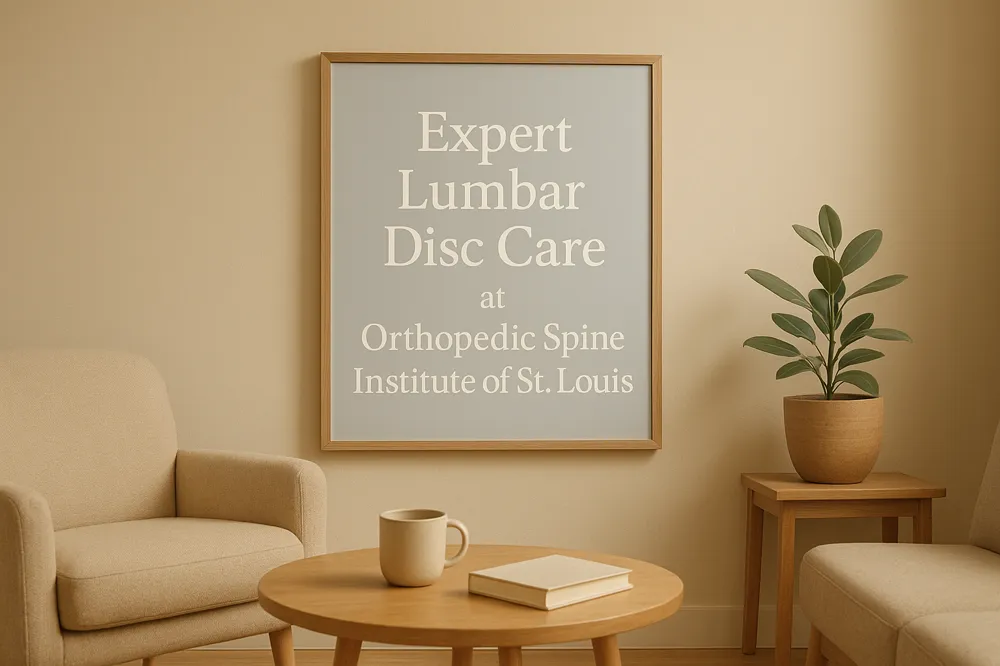
What conditions does the Orthopedic Spine Institute of St. Louis treat?
The Orthopaedic Spine Institute of St. Louis specializes in a broad spectrum of spinal conditions. These include degenerative disc disease, herniated discs, spinal stenosis, spondylolisthesis, scoliosis, and other complex vertebral disorders. The expert team offers advanced surgical techniques like minimally invasive spine surgery, motion preservation surgeries, and traditional spinal fusion. Patient care also covers sciatica, spinal fractures, and spinal tumors. The approach emphasizes conservative treatment first and provides surgical intervention when necessary, ensuring personalized care and proper recovery.
Who is Dr. David S. Raskas and what is his role at the Orthopedic Spine Institute of St. Louis?
Dr. David S. Raskas is a board-certified orthopedic surgeon with over two decades of experience focused on spine surgery. At the institute, he leads efforts in thorough evaluation, accurate diagnosis, and crafting tailored treatment plans targeting back, neck, and sciatica pain. Dr. Raskas advocates for minimally invasive lumbar discectomy, laminectomy, and spinal fusion to minimize recovery time and enhance patient comfort. Patient education is central to his practice, ensuring individuals grasp their condition and treatment avenues.
How can patients book an appointment with the Orthopedic Spine Institute of St. Louis?
Patients can conveniently schedule appointments by visiting the institute’s official website to complete secure online forms. Alternatively, direct phone contact is available for personal assistance with scheduling. The practice also offers an online scheduling system for ease of choosing appointment times. For urgent needs, the TOC FIRST program provides rapid access for acute injuries, emphasizing timely patient-centered service.
What insurance plans are accepted by the Orthopedic Spine Institute of St. Louis?
The institute accepts a variety of insurance plans including major providers such as Aetna, Blue Cross Blue Shield, Cigna, Medicare, and United Healthcare. Patients are encouraged to verify their coverage ahead of visits and confirm preauthorization requirements. The office staff is available to assist in clarifying benefits and billing policies to ensure a smooth experience.
The Orthopedic Spine Institute of St. Louis stands out for its patient-first approach, expert surgical care, and commitment to providing advanced lumbar disc treatment for those seeking relief and spinal health restoration.
Making an Informed Decision About Lumbar Disc Replacement
Understanding the Benefits and Risks
Lumbar disc replacement offers notable benefits such as preserving spinal motion, reducing recovery time, and potentially decreasing the risk of degeneration in nearby discs. Patients often experience significant pain relief and improved mobility. However, it carries risks including infection, nerve injury, implant failure, and the possibility of needing revision surgery. Financial costs can vary based on insurance coverage, so it’s important to factor these in.
Personalized Assessment is Crucial
This surgery isn’t suitable for everyone. Ideal candidates are generally in good overall health with specific spinal conditions involving one or two discs, without major instability or deformities. Lifestyle factors like activity level and smoking status also influence candidacy and recovery.
The Role of Experienced Surgeons
Choosing a skilled spine surgeon experienced in lumbar disc replacement is critical. Proper patient selection, surgical technique, and post-operative care strongly impact outcomes. Consulting specialists who can provide a thorough evaluation and discuss alternatives helps ensure the best possible result.
Final Considerations
Before proceeding, patients should weigh the advantages of motion preservation and faster recovery against the potential risks and costs. Understanding the procedure details, recovery expectations, and long-term implant durability aids in making an informed choice tailored to individual needs and health profiles.