Introduction to Epidural Injections for Spine Pain
What Are Epidural Injections?
Epidural injections are a minimally invasive treatment involving the delivery of corticosteroids and sometimes anesthetics into the epidural space—a small area surrounding the spinal cord and nerve roots.
Purpose in Managing Spine Pain
Their main goal is to reduce inflammation and pressure on irritated nerves, helping to alleviate pain that radiates from the spine to the arms or legs. By calming inflamed nerves, epidural injections can restore mobility and support physical therapy efforts.
Common Conditions Treated
These injections are widely used for managing symptoms associated with herniated discs, spinal stenosis, degenerative disc disease, radiculopathy (nerve root pain), and sciatica. They may also be beneficial in cases of nerve root irritation from mechanical compression or post-surgical pain syndromes.
Through precise delivery guided by imaging techniques like fluoroscopy, epidural injections have become a trusted option for patients seeking non-surgical relief from chronic spine-related pain.
Types and Techniques of Epidural Injections

What are the types of injections used for back pain?
Epidural steroid injections (ESIs) are among the most utilized injection therapies for managing back pain. Used for over six decades, ESIs deliver corticosteroids and anesthetics directly into the epidural space around the spinal nerves to reduce inflammation and alleviate pain. They are indicated for conditions like herniated discs, spinal stenosis, sciatica, and degenerative disc disease.
Different Approaches for Epidural Injections
There are three main procedural routes to administer Epidural steroid injections:
-
Interlaminar approach: The needle is inserted between the vertebral laminae directly into the posterior epidural space. This approach is frequently used for central canal pathologies.
-
Transforaminal approach: Medication is targeted via the neural foramen closer to the exiting nerve root. This method can provide more specific relief for radicular pain.
-
Caudal approach: The injection is delivered through the sacral hiatus at the base of the spine, reaching the epidural space from the lower end.
Imaging Guidance and Procedure Details
Fluoroscopy (real-time X-ray imaging) or CT-guided injection is routinely used during these procedures to ensure accurate needle placement and safe delivery of medication. The patient is typically positioned lying on their stomach or side, and local anesthetic is applied to numb the entry site. Contrast dye may be injected first to confirm proper needle positioning before delivering the steroid and numbing agent.
The entire procedure usually takes 15 to 30 minutes and is minimally invasive. Patients may remain awake and feel mild pressure but generally tolerate the injection well. These techniques improve safety and effectiveness by precisely targeting inflamed nerves while minimizing risks.
| Injection Type | Approach | Target Area | Common Uses |
|---|---|---|---|
| Epidural Steroid Injection | Interlaminar | Posterior epidural space | Central spine pain, spinal stenosis |
| Epidural Steroid Injection | Transforaminal | Neural foramen near nerve root | Radiculopathy, sciatica |
| Epidural Steroid Injection | Caudal | Sacral hiatus | Diffuse lower back pain |
Overall, understanding these types and techniques allows clinicians to tailor interventions for back pain precisely, enhancing inflammation reduction, pain alleviation, and function restoration.
Procedure and Patient Experience During Lumbar Epidural Steroid Injections

Patient preparation and procedural steps
Before the lumbar epidural steroid injection, patients typically undergo imaging studies like MRI or CT to guide accurate needle placement. On the day of the procedure, they disclose their medical history, allergies, and medication use. The patient is positioned on their stomach or side, and the injection site is sterilized. Local anesthesia is applied to numb the skin and surrounding tissues. Under fluoroscopic (X-ray) guidance, the physician carefully inserts a needle into the epidural space near the affected nerve root. Contrast dye may be injected to confirm correct location before delivering a mixture of corticosteroid and anesthetic.
Pain levels and discomfort during injection
Patients generally report only mild discomfort or a sensation of pressure during needle insertion and medication delivery. The use of local anesthesia significantly reduces pain, and some may feel a temporary nerve tingling or burning sensation. Overall, the procedure is well tolerated, with any pain or pressure being brief and manageable. After the injection, mild soreness or tenderness around the site is common but typically resolves quickly.
Use of imaging guidance
Imaging guidance, predominantly fluoroscopy, plays a critical role in ensuring precise needle placement within the epidural space. This minimizes risks such as nerve injury and enhances the effectiveness of medication delivery directly to the inflamed nerve roots. Sometimes, contrast dye is used to verify the exact location before steroid injection, improving safety and outcomes.
Aftercare and immediate side effects
Post-procedure, patients are monitored briefly for any adverse reactions like headache, dizziness, or temporary numbness. Mild side effects such as localized tenderness, bruising, or a short-lived increase in pain may occur. Patients are usually able to resume normal activities shortly after, although they are advised to avoid strenuous exercise for a day or two. Most patients begin to notice pain relief within several days as the steroid reduces nerve inflammation.
Table: Summary of Patient Experience During Lumbar Epidural Steroid Injection
| Aspect | Description | Patient Impact |
|---|---|---|
| Preparation | Imaging, history review, positioning | Ensures safe, targeted injection |
| Anesthesia | Local numbing of skin and tissues | Minimizes procedure pain |
| Injection Procedure | Guided needle placement via fluoroscopy | Precision reduces complications, improves efficacy |
| Discomfort Level | Mild pressure or burning sensation | Usually brief and tolerable |
| Immediate Side Effects | Soreness, headache, dizziness | Typically mild and transient |
| Post-Procedure Care | Short observation, activity guidance | Supports safe recovery and optimal relief |
Effectiveness and Success Rates of Epidural Steroid Injections for Back Pain and Sciatica

How effective are epidural steroid injections for back pain?
[Epidural steroid injections (ESIs)](https://my.clevelandclinic.org/health/treatments/22091-lumbar-epidural-steroid-injection) are widely used to treat back pain, especially when caused by nerve root irritation from conditions like herniated discs, spinal stenosis, or sciatica. ESIs deliver corticosteroids into the epidural space around the spinal nerves to reduce inflammation and ease pressure. Many patients benefit significantly, often experiencing pain relief lasting weeks to months. Some individuals report relief extending up to 12 months, thus improving their ability to engage in physical therapy and daily activities.
What is the success rate of epidural steroid injections for treating sciatica?
The success rates for ESIs in managing sciatica vary, with clinical studies showing between 40% and 80% of patients achieving at least 50% reduction in pain lasting from three months to as long as a year after one or more injections. Success depends on accurate injection technique, proper patient selection, and the underlying cause of pain. Research demonstrates that around 70% to 90% of suitable patients experience meaningful pain relief with these injections.
How long does the pain relief last?
Pain relief following epidural steroid injections typically begins within a few days and can last from several weeks to six months or longer in many cases. While most patients achieve temporary improvement, some experience relief approaching or exceeding 12 months. The duration varies based on individual factors such as the condition treated, severity of nerve inflammation, and overall health.
How do epidural steroid injections impact opioid use and surgery?
By substantially reducing inflammation and nerve pain, ESIs can decrease the need for opioid medications and support patients in participating more actively in physical rehabilitation programs. This reduction in opioid dependency helps minimize risks associated with long-term opioid use. Additionally, effective pain relief from ESIs can delay, and in some cases, prevent the need for spine surgery, offering a valuable non-surgical treatment pathway for many patients.
Safety, Side Effects, and Contraindications of Epidural Steroid Injections

What are the side effects of epidural steroid injections?
Epidural steroid injections (ESIs) are generally considered safe and effective for managing spine-related pain. Common side effects include soreness or tenderness at the injection site, temporary numbness or weakness in the legs, and mild headaches. Some patients may also experience dizziness, skin itching, nausea, or transient blood sugar fluctuations, especially in diabetics. These symptoms typically resolve within a few days. For more details, see Side effects of lumbar ESIs.
What are the rare complications?
Though infrequent, serious complications can occur, such as infections (e.g., epidural abscess), bleeding near the spinal cord, nerve injury, dural puncture, and very rarely, permanent nerve damage or paralysis. Patients may notice symptoms like prolonged numbness, severe headache, fever, or loss of bladder or bowel control, which require immediate medical attention. See also Injection complications and risks and Serious complications of epidural steroid injections.
How is safety ensured during the procedure?
Safety during ESIs is maintained through strict aseptic techniques and procedural protocols, including the use of fluoroscopic or computed tomography (CT) imaging for precise needle placement. The procedure involves a team of trained specialists, including physicians, nurses, fluoroscopy operators, and anesthesia clinicians, ensuring proper monitoring and prompt response to any adverse events. Detailed procedural safety and team roles can be found at Injection procedure team and aseptic precautions and Preparation for lumbar epidural injection.
What about the use of particulate versus nonparticulate steroids?
There is increasing use of nonparticulate steroids, such as dexamethasone, due to concerns that particulate steroids (like methylprednisolone and triamcinolone) can cause neurological injury if inadvertently injected into blood vessels. Nonparticulate steroids reduce this risk and are often preferred, especially in transforaminal epidural injections. For further discussion on particulate steroids safety concerns, see Nonparticulate steroids use.
What are contraindications and monitoring requirements?
ESIs are not recommended for patients with active systemic infections, bleeding disorders, allergies to the medications used, malignancies affecting the spine, or those who refuse the procedure. After injection, patients are monitored for potential complications. Providers typically limit to two or three injections per year to reduce risks associated with repeated steroid exposure. Refer to Contraindications for epidural injection and Injection frequency and safety limits for more information.
Special Considerations: Managing Epidural Injections in Diabetics and Pregnant Women
Can diabetics safely have epidural steroid injections?
Yes, diabetic patients can receive epidural steroid injections; however, corticosteroids may cause a temporary elevation in blood sugar levels, typically lasting up to two weeks after the injection. It is essential for diabetics to closely monitor their blood glucose during this period and coordinate with their healthcare provider to adjust medications if needed. This careful management helps maintain safety and control while benefiting from pain alleviation.
How can pregnant women manage sciatic nerve pain safely?
Pregnant women are generally advised to avoid epidural steroid injections due to potential risks to the fetus. Instead, they can safely manage sciatic pain using non-invasive methods:
- Heat or Cold Therapy: Applying heating pads or cold packs reduces inflammation and soothes pain.
- Pregnancy-Safe Exercises: Gentle exercises guided by a licensed physical therapy support specialist strengthen muscles supporting the sciatic nerve.
- Aquatic Therapy: Water buoyancy decreases joint stress while encouraging movement.
- Prenatal Massage: Certified therapists help relax muscle tension safely.
Before starting any therapy, pregnant women should consult their healthcare provider to ensure these treatments are appropriate for their specific condition.
Non-invasive techniques and physical therapy alternatives
For both diabetics and pregnant women, conservative treatment options like physical therapy support play a vital role. Strengthening exercises, posture training, stretching, and aerobic activity improve spinal stability and nerve health without risks associated with injections. These therapies are often combined with conservative pain management strategies to promote long-term relief and function.
Epidural injections remain a valuable treatment but must be personalized considering patient health status. Safe practices and close monitoring enhance outcomes for diabetic and pregnant patients alike.
Role of Epidural Steroid Injections Within Comprehensive Spine Pain Management
Integration with physical therapy and lifestyle changes
Epidural steroid injections (ESIs) serve as an important component in a broader spine pain management strategy. By reducing nerve inflammation and swelling, ESIs provide temporary pain relief that often allows patients to actively participate in physical therapy. Exercises focusing on core strengthening, flexibility, and proper posture can further relieve pressure on spinal nerves and improve overall function. Together with lifestyle changes such as maintaining a healthy weight and consistent activity, ESIs help create an environment conducive to long-term spine health.
Avoiding or delaying surgery through conservative care
One of the primary benefits of epidural injections is their potential to postpone or even avoid spine surgery. Many patients with conditions like herniated discs or spinal stenosis experience meaningful relief from sciatica-related nerve pain through these less invasive procedures. By managing symptoms effectively, ESIs enable patients to resume daily activities and rehabilitation without immediately resorting to surgery. This approach aligns with recommended conservative treatment protocols widely practiced in the United States.
Limitations and when to consider alternative treatments
While ESIs provide valuable short- to medium-term pain relief—sometimes lasting several months—their effects are not permanent. Not all patients respond equally, particularly those with chronic, longstanding nerve issues or pain not caused by nerve root irritation. When symptoms persist despite multiple injections combined with physical therapy and medication, alternative treatments such as minimally invasive spine surgery may be necessary. Ongoing consultation with a spine specialist helps tailor treatment based on individual response and evolving clinical needs.
Will an epidural steroid injection help relieve sciatica?
Yes, epidural steroid injections effectively target inflammation and pressure on the sciatic nerve, often providing significant pain relief within days to weeks. For many patients with herniated discs or spinal stenosis, ESIs improve function and reduce the need for stronger medications.
What is the most successful treatment for sciatica?
The most successful treatment varies by cause. Conservative care including physical therapy, controlled exercise like walking, and lifestyle modifications often results in symptom improvement within 4 to 6 weeks. If symptoms persist or worsen, epidural injections or minimally invasive surgery may be considered as next steps.
| Topic | Role of ESIs | Additional Notes |
|---|---|---|
| Pain relief | Reduces nerve inflammation and swelling | Facilitates physical therapy |
| Surgery | Can delay or avoid need for surgery | Helps resume daily activities |
| Limitations | Temporary relief; variable patient response | May require alternative procedures |
| Sciatica relief | Effective in reducing sciatic pain | Response often within days to weeks |
| Successful sciatica treatment | Conservative care is first-line | ESIs and surgery are options if needed |
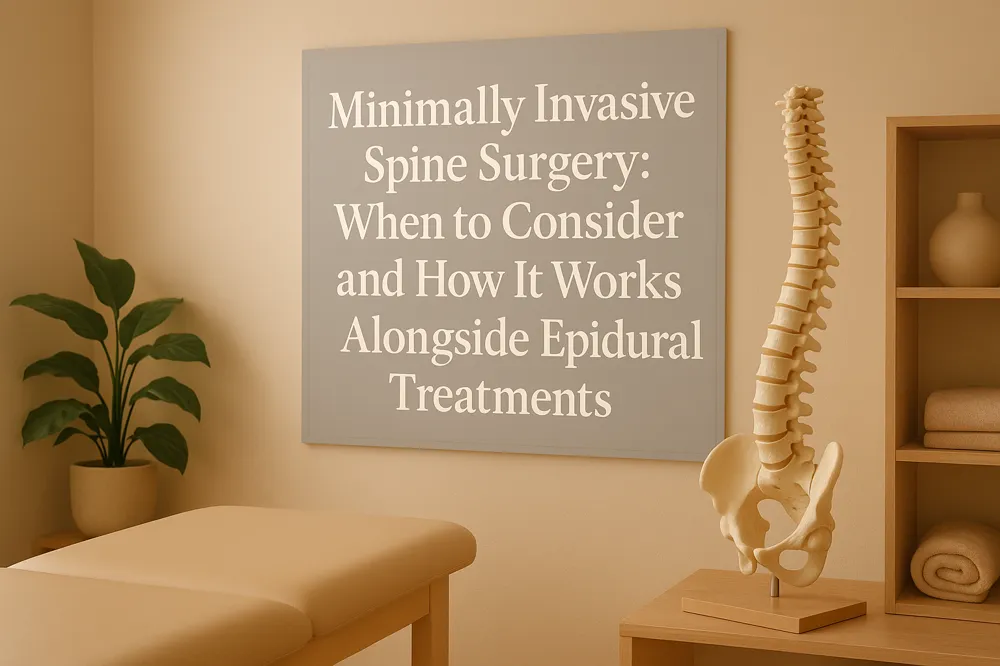
Minimally Invasive Spine Surgery: When and How It Complements Epidural Treatments
What is minimally invasive spine surgery, and what types are commonly performed?
Minimally invasive spine surgery overview (MISS) uses small incisions and advanced tools like endoscopes, microscopes, and robotic assistance. This approach reduces muscle and tissue damage compared to traditional open surgery.
Common MINIMALLY INVASIVE SPINE SURGERY OPTIONS include discectomy (removal of herniated disc material), spinal decompression for spinal stenosis, and spinal fusion to stabilize the spine. These are used to treat conditions such as herniated discs, scoliosis, vertebral fractures, and spinal tumors.
Benefits include smaller scars, less postoperative pain, shorter hospital stays, and faster return to daily activities. Risks are generally low but can include infection and nerve injury, so surgeon experience and patient selection are critical.
Who is a candidate, and who is not a candidate, for minimally invasive spine surgery?
Candidates for MISS typically have spinal problems like herniated discs, spinal stenosis, or vertebral compression fractures that have not improved with conservative treatments like epidural injections for back pain and physical therapy.
Good overall health and appropriate spinal anatomy enhance outcomes. Patients with severe spinal instability, infection, extensive scarring, or complex deformities may require traditional open surgery instead.
Preoperative imaging and medical evaluation help determine candidacy for MISS.
What is the typical recovery time after minimally invasive spine surgery?
Recovery varies by procedure and individual health. Many patients undergoing discectomy or decompression can return to normal activities within 4 to 6 weeks.
More involved surgeries such as laminectomy or disc replacement usually require 8 to 12 weeks, while spinal fusion may take 3 to 6 months.
Early walking is generally encouraged, and physical therapy support supports muscle strengthening and proper healing.
How does minimally invasive spine surgery complement epidural steroid injections?
When epidural injections provide temporary pain relief but symptoms persist or worsen, minimally invasive surgery can address the underlying spinal issues more effectively.
MISS offers a surgical option with less trauma and faster recovery compared to traditional open procedures.
Patients often benefit from combining both treatments: epidural steroid injections to reduce inflammation and surgery to resolve nerve compression if needed, optimizing pain management and functional improvement.
Conclusion: Epidural Injections as a Vital Part of Spine Pain Management
Epidural steroid injections serve as an effective non-surgical treatment option for managing back pain and radicular symptoms such as sciatica. By delivering anti-inflammatory medication directly into the epidural space, they reduce nerve root inflammation and pressure, providing significant pain relief that can last from weeks to several months.
These injections are especially useful for conditions like herniated discs, spinal stenosis, and degenerative disc disease. They often enable patients to participate more actively in physical therapy and may delay or reduce the need for surgery.
Epidural injections are a critical component of comprehensive spine care plans that integrate medical management, physical rehabilitation, and lifestyle modifications. Their use should be tailored to each patient's unique diagnosis and symptom profile, considering the benefits and potential risks.
Patients experiencing chronic spine pain are encouraged to consult with specialist physicians trained in pain management and interventional spine procedures. Personalized evaluation ensures that epidural injections are used safely and effectively as part of a multidisciplinary strategy to improve quality of life and functional outcomes.