Why Seeing a Spine Specialist Matters
When to Seek a Referral
A spine specialist should be consulted when back or neck pain persists for more than 12 weeks, when you experience numbness, tingling, or weakness in the arms or legs, or when limited mobility affects daily life. A history of injury or failed conservative care—such as physical therapy or medications—also warrants a referral. Early specialized evaluation can prevent progression and guide appropriate treatment.
What a Spine Specialist Is
A spine specialist is an orthopedic surgeon or a neurosurgeon who has completed an additional one- to two-year fellowship in spine surgery. Both are equally qualified for most spinal procedures, but the choice depends on your condition: orthopedic surgeons often focus on musculoskeletal issues, while neurosurgeons specialize in nerve-related problems. Look for board certification and a practice dedicated primarily to the spine.
Recognizing a Spine Emergency
Immediate attention is required for sudden loss of movement or sensation, loss of bladder or bowel control, extreme or rapidly worsening pain, progressive weakness, incoordination, or difficulty breathing following an injury. These signs may indicate spinal cord compression or other serious conditions and should be treated as emergencies.
How to Choose the Best Spine Surgeon
Key credentials: board certification and fellowship training
Look for a surgeon certified by the American Board of Neurological Surgery or the American Board of Orthopaedic Surgery. The highest level of training is a one-year spine fellowship after residency, indicating specialized expertise. Choose a specialist whose practice is at least 50% spine cases—this focus ensures they are current with the latest techniques.
Experience, volume, and technology
Ask: "How many times have you performed this specific procedure, and what are your success and complication rates?" A surgeon who performs your surgery dozens of times per year typically achieves better outcomes. Inquire about their use of minimally invasive and robotic techniques, which often lead to faster recovery and less pain.
Treatment philosophy: conservative-first vs. surgery-first
A good spine surgeon prioritizes conservative care—physical therapy, injections, and lifestyle changes—before recommending surgery. Be cautious of any specialist who pushes for immediate operations or discourages second opinions. They should outline all options, including non-surgical alternatives.
Communication and rapport
Schedule a consultation to assess the surgeon’s communication style. They should listen carefully, answer all your questions clearly, and make you feel comfortable. Confirm they welcome second opinions—this signals a patient-first approach.
Who is not a good candidate for back surgery?
Patients whose pain can be managed conservatively, those with uncontrolled health issues (e.g., diabetes with A1C >7.5, obesity, active smoking), osteoporosis, or poor healing capacity are typically not ideal candidates. A responsible specialist will screen for these factors and require you to optimize your health before operating.
| Credential/Quality | Why It Matters | What to Ask |
|---|---|---|
| Board certification | Confirms rigorous training and competence | "Are you board-certified in neurosurgery or orthopaedic surgery?" |
| Fellowship in spine | Indicates advanced, specialized training | "Did you complete a one-year spine fellowship?" |
| High procedure volume | Linked to better outcomes | "How many of these surgeries do you perform per year?" |
| Conservative-first philosophy | Prioritizes non-surgical options | "What non-surgical treatments do you recommend first?" |
| Openness to second opinions | Signals patient-centered care | "Do you support me getting a second opinion?" |
Preparing for Your First Appointment and Surgery
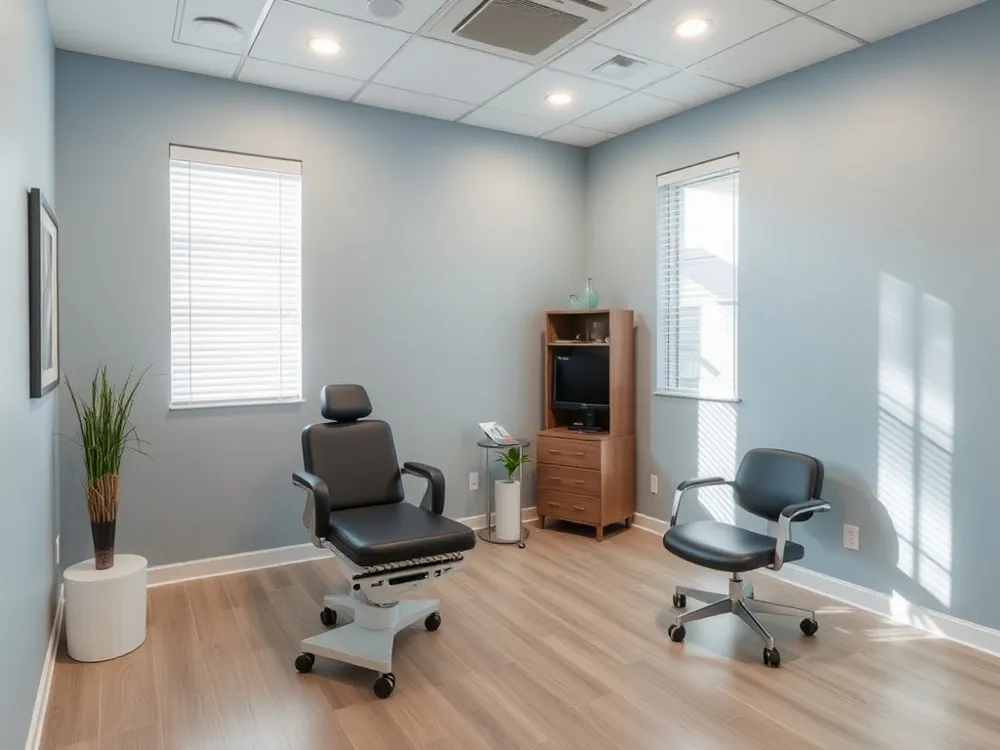
What to expect at a spine specialist visit
Your first appointment is a comprehensive evaluation. Expect a detailed review of your medical history and a physical exam to test your strength, reflexes, and range of motion. This helps pinpoint the source of your pain. The specialist may then order imaging, such as an MRI or CT scan, for a precise diagnosis. Based on the findings, they will recommend a conservative, patient-first treatment plan. This visit is also your opportunity to ask questions and understand all your options. To prepare, consider how to prepare for a spine specialist visit.
Key questions to ask before spine surgery
Knowing the right questions to ask is critical. Start with why a particular surgery is recommended and what it can and cannot fix—for example, surgery may relieve leg pain but not necessarily back pain. Ask about the risks and what you can do to reduce them. Confirm your surgeon's experience: how many times have they performed this specific procedure? Inquire about the expected hospital stay, realistic recovery timeline, and when you can return to work. A good surgeon will also discuss what might happen if you delay or skip surgery. For a comprehensive list, refer to questions to ask your spine surgeon and questions to ask your surgeon before spinal surgery.
What not to do before spine surgery
Proper preparation is vital. Generally, avoid eating or drinking after midnight the night before surgery. Stop taking narcotic pain medications and muscle relaxants well in advance, as they can complicate post-surgery pain control. Discontinue blood thinners (Coumadin, Plavix, aspirin, and anti-inflammatories like ibuprofen) typically 5–7 days before surgery. Check with your surgeon about diabetic medications and herbal supplements, as these may also need to be paused. Do not restart any stopped medications without your doctor's approval. For more guidance, see preparing for spine surgery recovery.
Questions to ask your spine surgeon
| Question | Why Ask | What to Expect |
|---|---|---|
| Why is this surgery recommended? | Understand the necessity and goals | Clear explanation of how it addresses your specific condition |
| What will surgery fix, and what won't it fix? | Set realistic expectations | Surgeon will outline what symptoms should improve (e.g., leg pain) and what may not (e.g., back pain) |
| What are the risks and how can I reduce them? | Make an informed risk-benefit analysis | Discussion of complications (e.g., infection, nerve injury) and steps like quitting smoking or weight loss |
| How many of these surgeries have you performed? | Assess surgeon's experience | Details on case volume and specialization in your condition |
| How long will recovery take? | Plan for work and daily life | Timeline for hospital stay, activity restrictions, physical therapy, and return to normal activities |
| What happens if I don't have surgery? | Understand the natural course of your condition | Explanation of whether the condition will worsen and what long-term limitations may occur |
Recovery, Habits, and Long-Term Care

What questions should I ask my surgeon after back surgery?
Ask about pain management, including how to handle swelling and soreness, plus which medications are safe. Inquire about wound care: caring for sutures and signs of infection. Understand activity restrictions—lifting, bending, driving—and whether a brace is needed. Clarify the recovery timeline, when you can return to work, and daily activity guidelines. Finally, discuss the long-term outlook: potential for future spine problems or repeat procedures.
Is it better to sleep in a recliner or a bed after back surgery?
For the first one to two weeks, a firm recliner with good lumbar support is often recommended. It eases getting in and out and reduces spinal pressure. Sleeping in a bed is possible if you use the log-roll technique to avoid bending or twisting. The goal is maintaining a neutral spine and avoiding pain. Follow your surgeon’s specific guidance—early recovery prioritizes protecting the surgical site. Many patients find a recliner more practical initially, but a supported bed with careful movement can also work.
What are the worst habits for your back according to spine surgeons?
- Slouching while sitting misaligns the spine and increases lower back pressure.
- Prolonged sitting strains back, neck, and leg muscles, even with good posture.
- Sleeping on your stomach or an unsupportive surface misaligns the spine.
- Skipping exercise weakens core muscles; overdoing it on weekends raises injury risk.
- Poor posture and a sedentary lifestyle contribute to chronic pain.
- Ignoring stress can cause muscle tension and worsen back issues.
Bringing It All Together: Your Checklist for the Perfect Spine Specialist

Key Takeaways for Choosing a Specialist
When selecting a spine specialist, start by verifying board certification and fellowship training in spine surgery. These credentials confirm rigorous education and specialized expertise beyond general residency.
Assess the surgeon's experience with your specific condition. Ask how many similar procedures they perform annually and whether spine surgery represents a major part of their practice. Higher volume often correlates with better outcomes and fewer complications.
Prioritize a conservative-first philosophy. The right specialist will exhaust non-surgical options like physical therapy, medications, or injections before discussing surgery. They will also address modifiable risk factors such as weight, diabetes control, and smoking cessation.
Patient-Centered Care
The ideal spine surgeon educates you about your diagnosis, listens to your concerns, and involves you in treatment decisions. Look for a provider who welcomes second opinions and communicates openly about goals, risks, and realistic outcomes.
Check independent patient reviews and evaluate the hospital affiliation for reputation in spinal care and access to advanced technology.
Final Note: A Partnership for Your Health
Choosing a spine specialist is a partnership. The right professional prioritizes your well-being, starts with conservative care, and recommends minimally invasive surgery only when necessary. Trust your comfort level and choose a surgeon who respects your role in the decision-making process.
| Factor | What to Look For | Why It Matters |
|---|---|---|
| Credentials | Board certification, fellowship training | Confirms specialized expertise |
| Experience | High volume of your specific procedure | Linked to better outcomes |
| Philosophy | Conservative-first, minimally invasive focus | Reduces unnecessary surgery risks |
| Communication | Clear, patient-centered, welcomes second opinions | Builds trust and realistic expectations |
| Reputation | Positive patient reviews, strong hospital affiliation | Indicator of quality and safety |
Selecting a spine surgeon is a significant decision that directly impacts your health, recovery, and quality of life. The right specialist will act as a partner, guiding you through diagnosis, treatment options, and long-term care. This guide outlines the essential factors to evaluate, empowering you to make an informed and confident choice.
Credentials and Training: The Foundation of Trust
A surgeon's qualifications are the first checkpoint. All spine surgeons are trained either as neurosurgeons or orthopedic surgeons before completing additional specialized training. The highest level of training is a spine fellowship, which is one to two years of dedicated, advanced study focused exclusively on spinal conditions and surgical techniques.
Board certification is a critical indicator of professional competence. Certification from the American Board of Neurological Surgery or the American Board of Orthopaedic Surgery confirms the surgeon has met rigorous standards in education, training, and ethical conduct. The F.A.C.S. (Fellow of the American College of Surgeons) designation is another mark of distinction.
| Credential | What It Indicates | Why It Matters |
|---|---|---|
| Fellowship Training (Spine) | At least one year of specialized, post-residency training with senior spine experts | Confirms deep, focused expertise in spine surgery beyond general residency |
| Board Certification (ABNS or ABOS) | Surgeon has passed rigorous exams and met high standards of competence and ethics | Provides assurance of a validated skill set and commitment to professional standards |
| Active Hospital Privileges | Credentialing at an accredited facility ensures ongoing quality reviews | Confirms the surgeon meets the facility's standards for care and safety |
Experience and Specialization: Focus Drives Outcomes
Experience, particularly with your specific condition, is a leading predictor of success. Research shows that surgeons who perform a high volume of a specific procedure tend to have lower complication rates and better outcomes. Ask how many similar surgeries the surgeon performs monthly or weekly.
A surgeon whose practice is dedicated to spine surgery—ideally more than 50% of their caseload—is more likely to be current with the latest techniques and technologies. For example, a surgeon who focuses 90% of their practice on degenerative spine conditions offers deep expertise for that diagnosis.
| Aspect to Evaluate | Questions to Ask | Ideal Quality to Look For |
|---|---|---|
| Procedure Volume | How many of these specific surgeries have you performed? | Performs the procedure routinely (e.g., weekly or monthly) |
| Practice Focus | What percentage of your practice is spine surgery? | At least 50% dedicated to spine care |
| Outcomes | Can you share your success rates and complication rates for this surgery? | Transparent, data-backed communication about outcomes |
Treatment Philosophy: A Conservative, Patient-First Approach
The best spine surgeons prioritize non-surgical treatments first. Surgery is only considered after exhausting conservative options like physical therapy, medication, and injections, and only when the potential benefits clearly outweigh the risks. A patient-first surgeon will clearly explain why surgery is or is not appropriate for your case.
Look for a specialist who offers a full range of options, from conservative care to minimally invasive surgery. Minimally invasive techniques often result in less tissue damage, reduced pain, and faster recovery. The surgeon should be honest about what surgery can and cannot achieve—for example, it may relieve leg pain but not necessarily all back pain.
| Warning Signs in a Surgeon's Approach | Green Flags in a Surgeon's Approach |
|---|---|
| Discourages second opinions | Encourages second opinions |
| Pushes surgery without exploring conservative care | Offers non-surgical treatments first |
| Vague or dismissive about risks and success rates | Transparent about risks, complications, and realistic outcomes |
| Pressures for an immediate decision | Respects time needed to consider options |
Communication and Rapport: The Partnership in Care
A successful surgical journey is built on trust and clear communication. During a consultation, the surgeon should fully explain your diagnosis, the cause of your symptoms, and all treatment options in language you can understand. You should feel comfortable asking questions and confident that your concerns are being heard.
Consider the entire care team. The office staff should be courteous and cooperative, as you will interact with them frequently. A multidisciplinary approach, involving physical therapists, occupational therapists, and social workers, is a strong indicator of comprehensive, patient-centered care.
Recovery and Follow-Up: Planning for Long-Term Success
A good surgeon provides a detailed recovery plan, including expected hospital stay, activity restrictions, physical therapy, and pain management. Recovery begins before surgery with prehabilitation—optimizing your health by achieving a healthy weight, managing diabetes (A1C ≤7.5), and stopping smoking to improve surgical outcomes and reduce risks.
Early mobilization, such as walking soon after surgery, is standard and helps speed recovery. The surgeon's team will also assess your at-home needs to ensure a safe discharge. Ask about long-term outcomes, the possible need for future procedures (as degenerative conditions can progress), and the plan for follow-up care.
Making Your Decision: A Checklist for Your Consultation
Bring a family member or friend to your consultation to help listen and ask questions. Use the following checklist to guide your conversation:
- Diagnosis and Necessity: What is the cause of my symptoms? Why is surgery recommended now? What happens if I delay or don't have surgery?
- The Procedure: What type of surgery is recommended? Are there different methods (e.g., minimally invasive, robotic)?
- Risks and Success: What are the risks and complication rates? What is your success rate for this specific procedure?
- Recovery: How long will I be in the hospital? What is the recovery timeline for returning to work and normal activities? What kind of physical therapy will I need?
- Support: What help will I need at home after surgery? How will my pain be managed?
- Second Opinions: Do you support me seeking a second opinion?
Ultimately, choose a surgeon who makes you feel informed, confident, and respected. The right specialist is one who combines exceptional credentials, extensive experience, a conservative treatment philosophy, and a genuine commitment to your partnership in care.