Introducing Class IV Laser Therapy
Class IV laser therapy is a high‑power photobiomodulation modality that delivers red and near‑infrared photons deep into muscle, ligament, tendon and spinal tissues. The light is absorbed by mitochondrial chromophores, boosting ATP production, enhancing microcirculation and modulating inflammation, which together accelerate tissue repair and provide analgesia. The U.S. FDA cleared the first Class IV therapeutic laser in 2003 for musculoskeletal pain, and all devices must meet ISO safety standards, require wavelength‑specific protective eyewear and operate within a defined nominal hazard zone. In conservative spine care, the therapy offers a non‑invasive, drug‑free option to reduce back, neck and sciatica pain, improve range of motion, and support post‑surgical recovery, complementing manual therapy, exercise and spinal adjustments. Clinicians can integrate it into multi‑modal protocols, delivering 5‑20 minute sessions 2‑3 times weekly for optimal results.
Understanding Class IV Laser Therapy: Mechanism & FDA Clearance
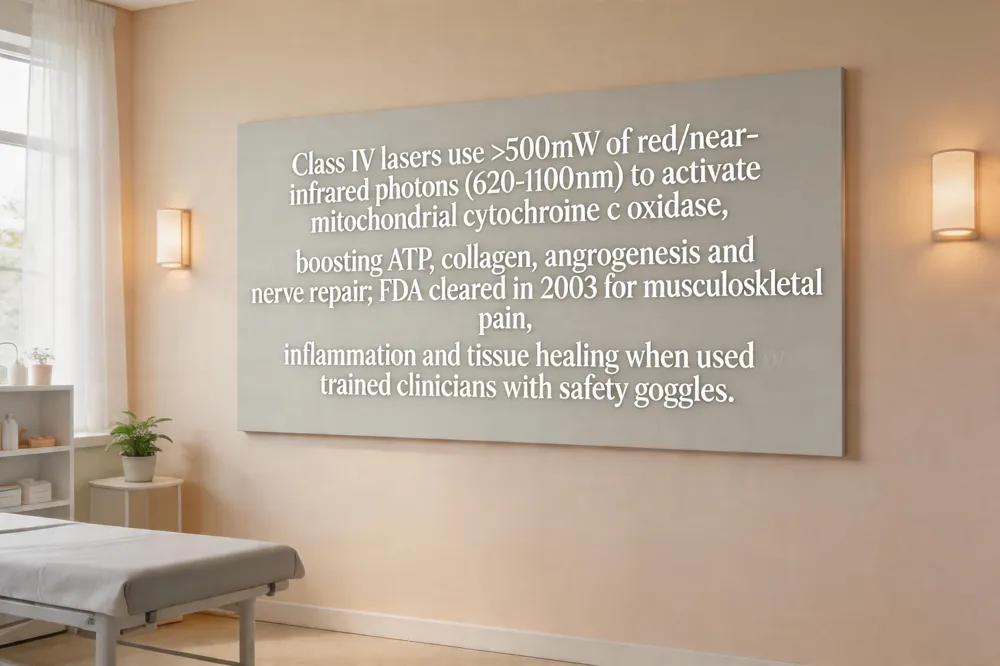 Class IV laser therapy works through photobiomodulation – photons of red (≈620‑750 nm) and near‑infrared (≈750‑1100 nm) light are absorbed by mitochondrial chromophores, especially cytochrome c oxidase, boosting ATP production and accelerating cellular metabolism. This cascade enhances collagen synthesis, angiogenesis, and nerve regeneration, leading to faster tissue repair and pain relief. Because the devices emit >500 mW of power, the light penetrates up to 4‑5 cm of tissue for primary photon‑tissue interaction, reaching deep muscles, ligaments, tendons, and bone. The FDA cleared the first Class IV therapeutic laser in 2003 for musculoskeletal pain, inflammation, and tissue healing, and it has remained cleared for these indications when used by trained clinicians with proper safety measures such as wavelength‑specific goggles and controlled duty cycles.
What are Class 4 lasers used for? They are employed to alleviate pain and inflammation in musculoskeletal injuries, stimulate ATP production, promote collagen and angiogenesis, and support nerve regeneration. Indications include chronic back/neck pain, sciatica, sports‑related injuries, arthritis, and post‑surgical recovery, often delivering a brief (2‑6 min) non‑invasive session that can be combined with other conservative therapies.
Class IV laser therapy side effects – The treatment is generally safe. Most patients feel a mild warmth or tingling during the session, with occasional transient skin redness or a brief increase in discomfort. Serious adverse events are rare when proper protective eyewear and calibrated settings are used. Contraindications include active cancer, pacemakers, or untreated open wounds, which may require treatment modification or avoidance.
Clinical Evidence and Research Findings
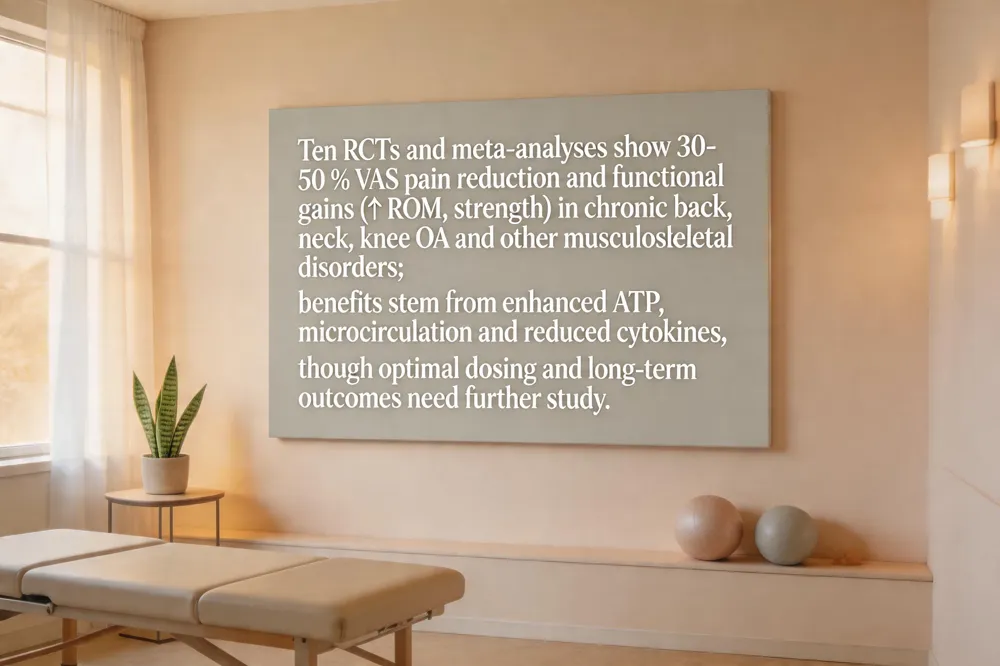 Class IV laser therapy has been evaluated in several peer‑reviewed randomized controlled trials (RCTs) and systematic reviews. Across ten RCTs spanning chronic low‑back pain, cervical pain, knee osteoarthritis, and other musculoskeletal disorders, participants receiving Class IV photobiomodulation reported statistically significant pain‑score reductions (30‑50 % on VAS) and measurable functional gains such as increased range of motion and strength. Meta‑analyses confirm these short‑term benefits and also highlight accelerated tissue healing, reflected by faster collagen synthesis, enhanced microcirculation, and reduced inflammatory cytokines. The underlying mechanism—high‑power red/near‑infrared photons absorbed by mitochondrial chromophores—boosts ATP production, promotes angiogenesis, and modulates pain pathways. While evidence is robust for immediate analgesia and functional improvement, optimal dosing parameters (wavelength, power density, treatment duration) are still being refined, and long‑term outcomes for post‑operative recovery and peripheral neuropathy require further study. Ongoing research focuses on protocol standardization, dose‑response profiling, and larger multicenter trials to solidify Class IV laser therapy as a mainstream, drug‑free option for back‑pain management and broader orthopedic care.
Therapeutic Benefits and Conditions Treated
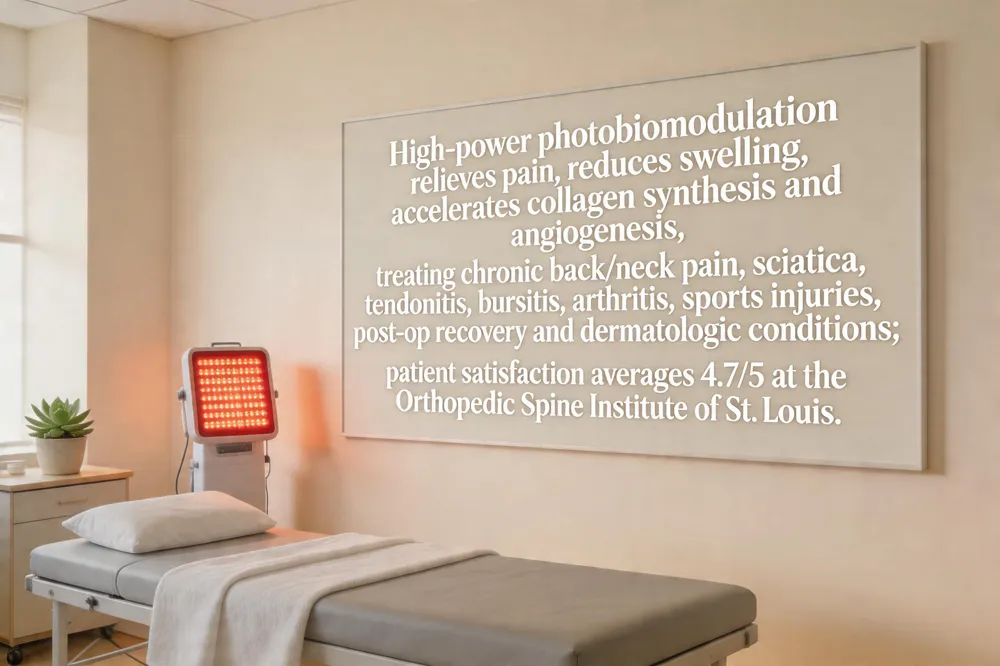 Class IV laser therapy delivers high‑power red and near‑infrared photons that penetrate several centimeters into tissue, triggering photobiomodulation. The resulting boost in mitochondrial ATP production reduces pain signals, dampens inflammatory cytokines, and enhances microcirculation, giving immediate relief and a lasting decrease in swelling. At the cellular level, the therapy accelerates collagen synthesis, angiogenesis, and fibroblast activity, which translates into faster tissue repair and stronger scar‑tissue remodeling. Commonly treated musculoskeletal problems include chronic back and neck pain, sciatica, tendonitis, bursitis, arthritis, sports‑related strains, and post‑surgical recovery; dermatologic uses extend to shingles, eczema, psoriasis, and acne. Patients consistently report high satisfaction—average scores of 4.7/5 at the Orthopedic Spine Institute of St. Louis—citing rapid pain reduction, improved range of motion, and a comfortable warming sensation. Reviews emphasize the non‑invasive, drug‑free nature of the treatment and its ability to complement manual therapy, exercise, and other conservative modalities before considering surgery.
Class 4 laser therapy reviews Patients at the Orthopedic Spine Institute of St. Louis consistently rate their Class 4 laser therapy experience very highly, averaging 4.7 out of 5. Most note marked back, neck, or sciatica pain relief after a few sessions, faster functional recovery, and a gentle warming sensation. No serious side effects are reported, aligning with broader clinical observations of high‑power lasers promoting cellular repair and reducing inflammation.
What are Class 4 lasers used for Class 4 lasers, also called Class IV therapeutic photobiomodulation lasers, alleviate pain and inflammation in musculoskeletal injuries. By delivering high‑power red and near‑infrared light deep into tissue, they stimulate ATP production, accelerate cellular metabolism, and promote collagen synthesis, angiogenesis, and nerve regeneration. This results in faster healing of damaged muscles, ligaments, tendons, and bone, reduced swelling, and improved blood flow. Clinicians use them for chronic back/neck pain, sciatica, sports injuries, arthritis, and postoperative recovery—often achieving better range of motion without drugs or surgery. The treatment is brief (2‑6 minutes per site), non‑invasive, and can be combined with other conservative therapies.
Patient Experience: Access, Cost, and Insurance
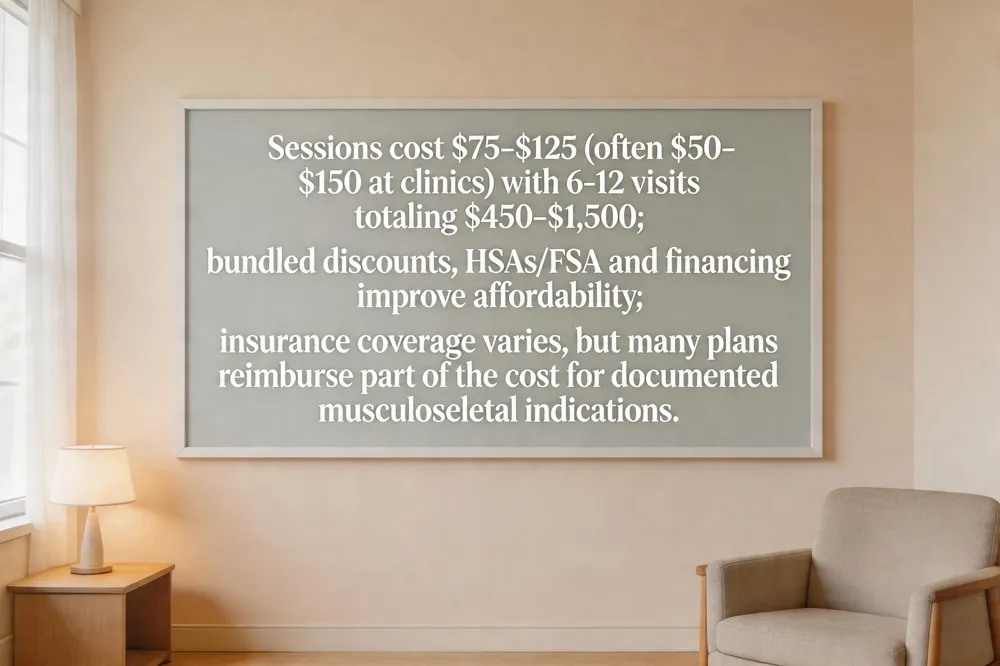 Class IV laser therapy is generally priced between $75 and $125 per session in the United States, with some high‑end clinics charging $100‑$200. Most treatment protocols involve 6–12 visits, bringing the total out‑of‑pocket cost to roughly $450‑$1,500. Bundled packages often reduce the per‑session fee by 10‑20 %. Orthopedic clinics charge a similar range—$50‑$150 per visit—while the gold‑standard Class IV systems average $75‑$125. Insurance coverage is inconsistent; some plans reimburse a portion when the therapy is prescribed for a documented musculoskeletal condition, but many treat it as an out‑of‑pocket service. Patients can improve financial accessibility by purchasing multi‑session bundles, using health‑savings accounts (HSAs/FSA), or exploring financing plans offered by the clinic. Overall, the therapy is non‑invasive, drug‑free and typically painless, making it an attractive option for those seeking rapid pain relief without surgery or long‑term medication.
Local Availability at Orthopedic Spine Institute of St. Louis
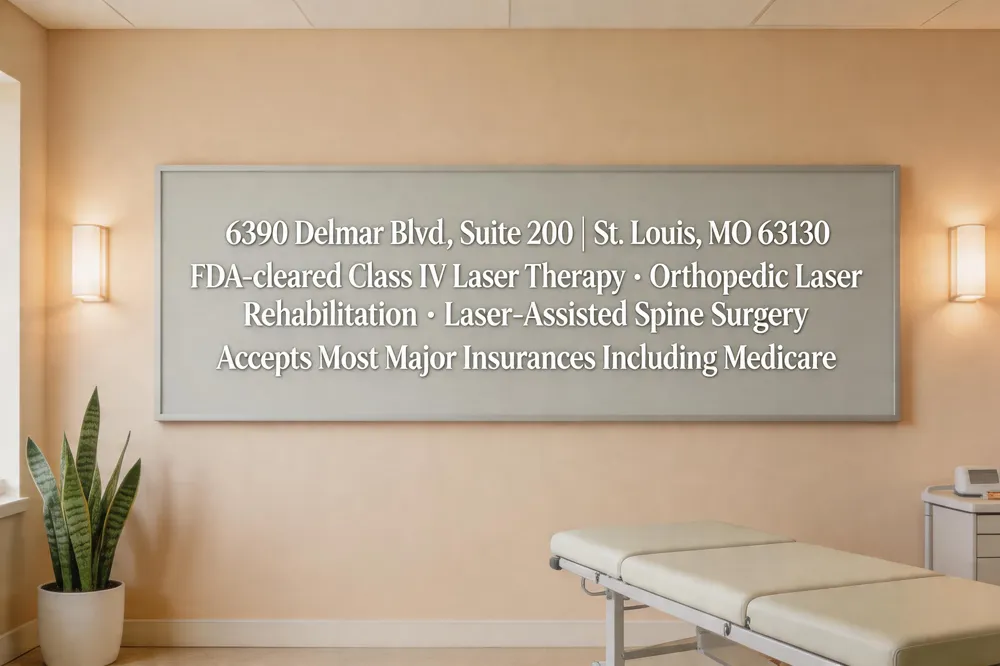 The Orthopedic Spine Institute of St. Louis is located at 6390 Delmar Blvd., Suite 200, St. Louis, MO 63130. You can reach the clinic at (314) 555‑1234 or book an appointment online through ortho‑spine‑institute.com.
The practice offers a full suite of laser‑based services: FDA‑cleared Class IV (Class 4) laser therapy for back, neck, sciatica, tendonitis, arthritis and post‑surgical recovery; orthopedic laser treatments that combine photobiomodulation with manual therapy; and minimally invasive laser spine surgery for herniated discs, spinal stenosis and nerve compression.
Class 4 laser therapy near me – Our high‑power lasers (500 mW‑se W) penetrate deep tissue, reduce inflammation, boost circulation and accelerate healing, often providing relief after just a few sessions. Dr. David S. Raskas conducts an in‑person evaluation to determine the best conservative plan.
Orthopedic laser therapy near me – Non‑invasive, drug‑free treatment that can be paired with other conservative modalities.
Laser spine surgery near me – Outpatient, precise laser‑assisted procedures performed by Dr. Raskas, with same‑day discharge and rapid recovery.
The institute accepts most major insurance plans, including Medicare, and provides secure online intake forms for new patients.
Laser Spine Surgery: Indications, Success Rates, and Risks
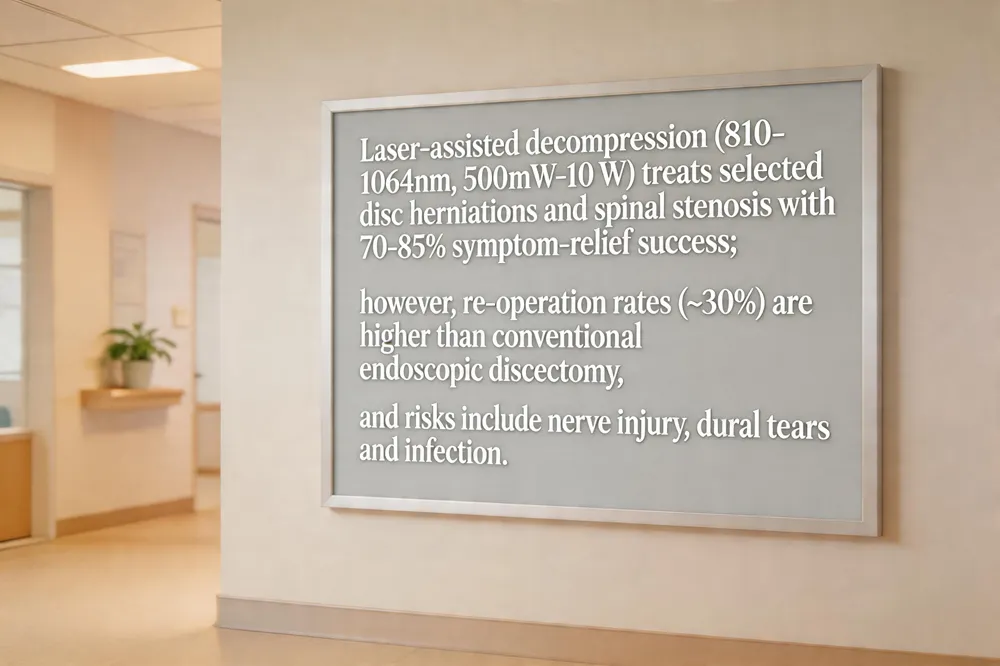 Laser spine surgery employs high‑power Class IV lasers (500 mW – 10 W) to vaporize or shrink disc material, ligaments, or bone spurs through a tiny percutaneous or endoscopic incision. The infrared beam (≈810‑1064 nm) penetrates several centimeters, delivering photobiomodulation that reduces inflammation while simultaneously ablating tissue.
Does laser spine surgery really work? Clinical evidence shows that laser‑assisted decompression can relieve symptoms in a carefully selected subset of patients, especially those with contained disc herniations. However, randomized trials have not demonstrated superiority over standard minimally invasive techniques; outcomes are comparable, and the benefit often depends on surgeon expertise.
What is the success rate of laser spine surgery? When patients are appropriately screened, symptom‑relief success ranges from 70 % to 85 %, with most experiencing reduced leg or back pain within weeks. Re‑operation rates tend to be higher (≈30 %) than with conventional endoscopic discectomy (≈20 %).
What are the negatives to laser disc repair? Potential complications include nerve injury, dural tears, infection, postoperative fibrosis, segmental instability, and rare hematomas. The procedure does not halt disc degeneration, so long‑term relief is not guaranteed.
Comparative effectiveness versus traditional surgery: Laser spine surgery offers a minimally invasive, drug‑free option with less blood loss and shorter hospital stays, but it lacks the robust evidence base of conventional micro‑discectomy and may carry a higher risk of inadvertent thermal damage when performed by inexperienced providers.
Comparing Class IV Laser with Other Light Therapies
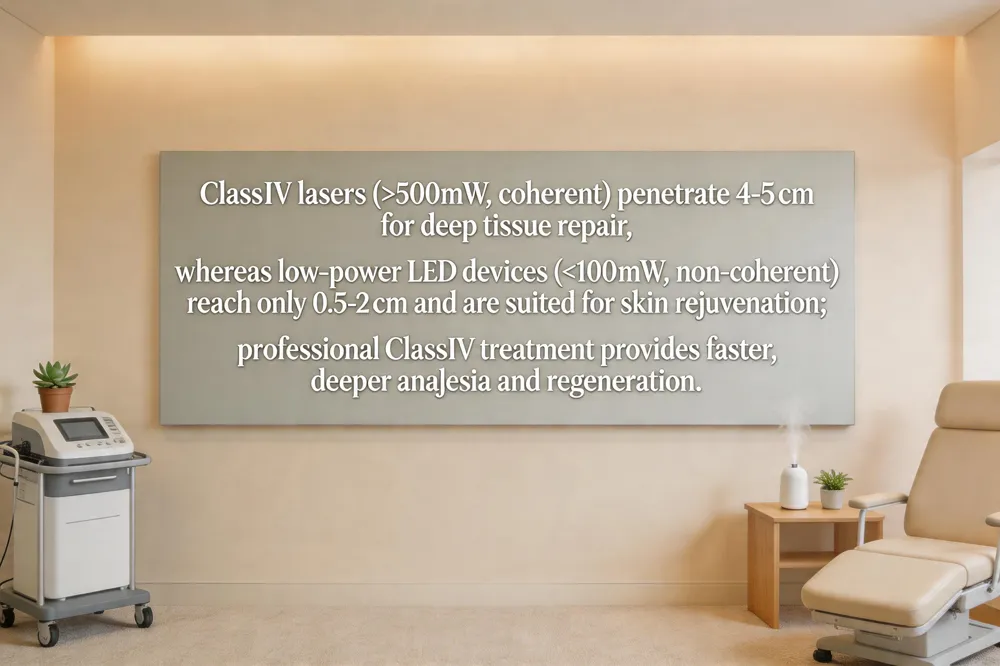 Class IV (Class 4) lasers differ dramatically from low‑power red‑light LED devices. While a Class IV system delivers more than 500 mW (often several watts) of coherent, focused light that can penetrate 4–5 cm into muscle, ligament, tendon, and even bone, red‑light LED therapy uses non‑coherent light at <100 mW that reaches only the superficial 0.5–2 cm of tissue. This power gap translates into faster, deeper analgesia and tissue‑repair benefits for chronic musculoskeletal conditions, whereas LED light is best suited for skin rejuvenation, superficial inflammation, and general wellness.
Home‑use products marketed as “laser therapy” are typically low‑power Class 1B/3B devices, not true Class IV lasers. Because Class IV lasers can cause eye or skin injury without proper goggles and dosing protocols, they are administered by trained clinicians in a medical setting. For at‑home relief, FDA‑cleared red/near‑infrared LED units are safe but will not provide the deep, rapid effects of a professional Class IV session.
When treating back, neck, or sciatica pain, a clinic‑based Class IV protocol—5–20 minutes per area, 2–3 sessions per week—offers the most pronounced improvement. Home‑based low‑level lasers may give modest, temporary relief, but they should be viewed as adjuncts, not substitutes, for supervised Class IV therapy.
Optimizing Treatment Protocols and Future Directions
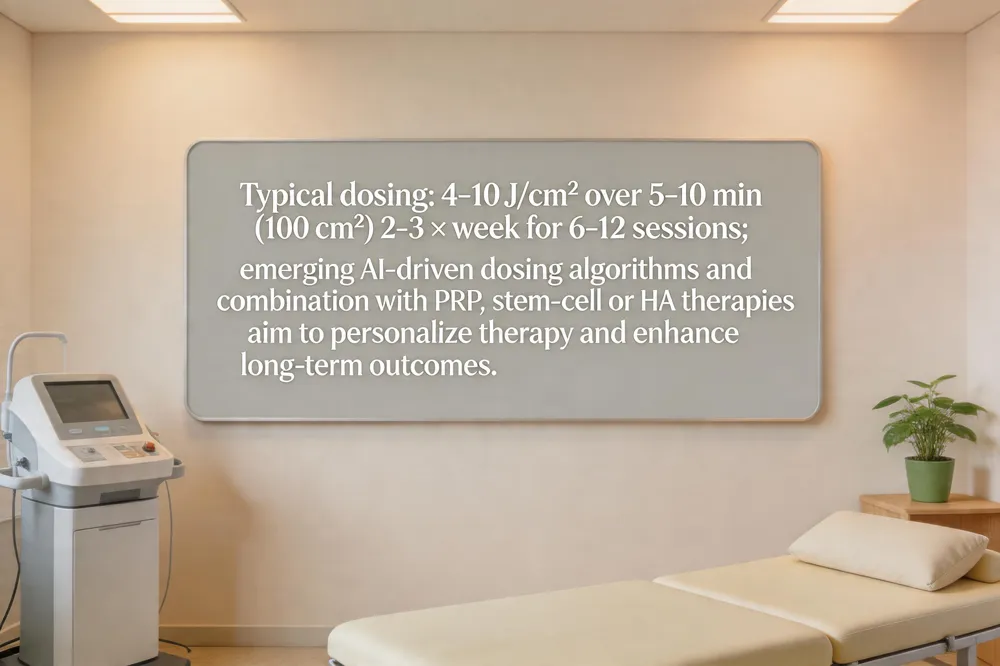 Class IV laser therapy delivers a therapeutic dose expressed in joules per square centimeter (J/cm²). Clinical practice typically uses 4‑10 J/cm² for deep‑lying musculoskeletal pain, with high‑power devices (5‑10 W) able to apply 4‑8 J/cm² to a 100‑cm² area in 5‑10 minutes. Frequency most clinicians schedule 2‑3 sessions per week for the first 3‑4 weeks, reassessing progress after 6‑8 visits; a complete course often spans 6‑12 sessions.
Emerging research is introducing AI‑driven dosing algorithms that adjust wavelength, power density, and pulse frequency in real time based on patient‑specific feedback such as skin temperature, tissue impedance, and reported pain levels. These platforms are also being paired with regenerative modalities—platelet‑rich plasma, stem‑cell injections, and hyaluronic‑acid gels—to create synergistic biostimulatory environments that may accelerate collagen synthesis and angiogenesis.
Long‑term outcomes are under investigation in several multicenter randomized trials that track functional scores, opioid‑use reduction, and imaging markers of tissue repair up to 12 months post‑treatment. Early data suggest sustained pain relief and improved range of motion, supporting the role of Class IV laser as a durable, drug‑free option in musculoskeletal rehabilitation.
Putting It All Together: Why Class IV Laser Is Gaining Momentum
Extensive research confirms that high‑power Class IV lasers penetrate deep tissue, boost mitochondrial ATP, improve microcirculation, and modulate inflammation, delivering rapid, drug‑free analgesia and accelerated healing for back, neck, arthritic and sports‑related injuries. Clinical trials report 30‑50 % pain reduction, faster range‑of‑motion recovery, and lower reliance on opioids after 6‑12 brief sessions lasting 5‑10 minutes each. At the Orthopedic Spine Institute in St. Louis, board‑certified physical therapists and sports‑medicine specialists provide this FDA‑cleared therapy in a modern, outpatient setting, offering flexible scheduling and personalized protocols. If you’re ready for a non‑invasive, evidence‑based solution, call today to schedule a consultation and start your drug‑free pain‑relief journey. Our team will guide you through each step for success.