Redefining the Spine Pain Experience
More Than a Physical Sensation
Chronic spine pain affects millions of people, interfering with sleep, work, and daily activities. It is often resistant to standard treatments, leading many to search for additional relief. A growing body of evidence, however, shows that pain is not just a physical sensation.
The Brain in Pain
Pain perception is deeply shaped by the brain, emotions, and nervous system. Chronic pain can create heightened sensitivity in pain pathways. Stress, anxiety, and poor sleep can amplify these pain signals, making discomfort feel more intense even after tissue healing has occurred.
Calming the System
Mind-body strategies focus directly on this connection. Instead of targeting only the site of pain, these techniques aim to calm the entire nervous system. By improving coping skills and reducing the body's stress response, they can help decrease pain intensity and restore a sense of control for the patient.
| Mind-Body Focus | How It Works | Shared Goal |
|---|---|---|
| Nervous System | Activates the body's relaxation response. | Lowers heart rate and stress hormones. |
| Thought Patterns | Identifies and reframes unhelpful beliefs related to pain. | Reduces pain-related anxiety and catastrophizing. |
| Physical Awareness | Emphasizes gentle movement and mindful postures. | Improves flexibility and reduces muscle guarding. |
The Scientific Foundation: Why Your Brain Matters in Back Pain
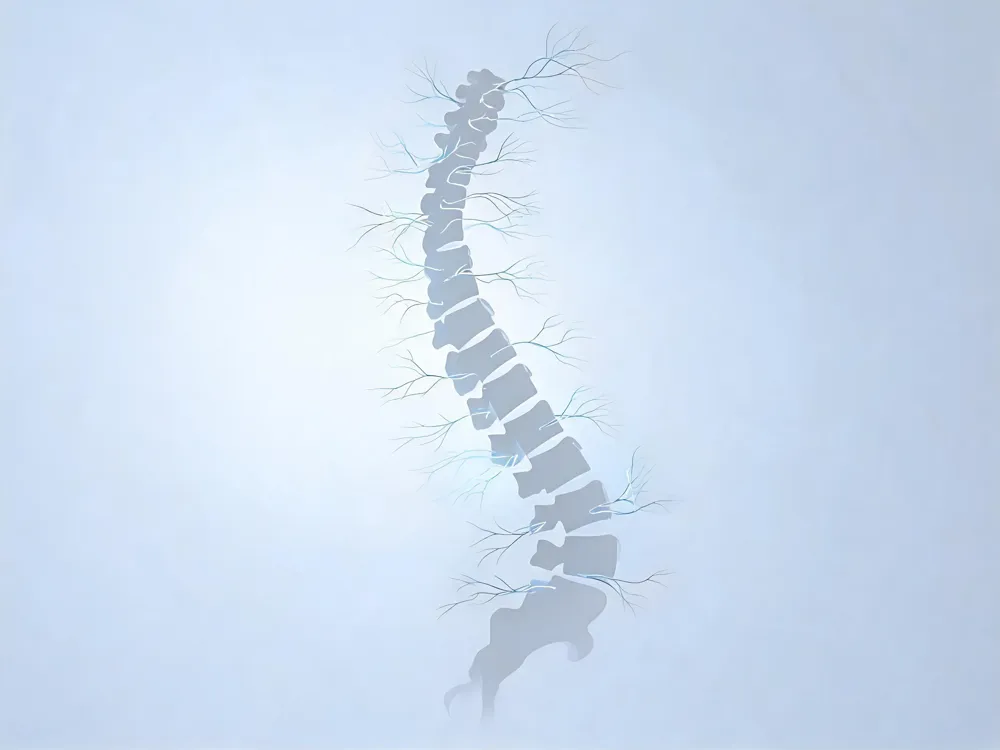
The Nervous System’s Role in Amplifying Pain
Chronic spine pain doesn't just stem from damaged tissue; it often rewires the nervous system. This can lead to heightened sensitivity in pain pathways, making discomfort feel far more intense even after the original injury has healed. Your brain can essentially “turn up the volume” on pain signals.
The Impact of Stress, Anxiety, and Poor Sleep
Your emotional state plays a critical role. Factors like stress, anxiety, fear of movement, and poor sleep don't just make you feel worse—they actively amplify pain signals. This creates a vicious cycle where pain causes stress, and stress worsens pain.
How Mind-Body Techniques Help
Mind-body approaches work by directly calming the nervous system and dampening this overactive stress response. Techniques like mindfulness and deep breathing help reduce the body’s production of stress hormones, easing muscle tension and quieting the brain’s pain alarms. The result is a more controlled, less intense pain experience that supports recovery.
| Nervous System State | Effect on Pain | Mind-Body Intervention |
|---|---|---|
| Sympathetic (Fight-or-Flight) | Amplifies pain signals, increases muscle tension | Deep breathing, guided imagery |
| Parasympathetic (Rest-and-Digest) | Reduces pain, lowers heart rate, relaxes muscles | Meditation, progressive muscle relaxation |
Getting Started: Simple Breathwork and Instant Relief
 When spine pain flares, the quickest way to calm the nervous system is to switch on the parasympathetic response with diaphragmatic (belly) breathing. Inhale slowly through the nose, letting the abdomen rise, then exhale gently through the mouth. This deep, rhythmic breath lowers heart rate and reduces muscle tension in the neck and back, creating an instant sense of relief.
For immediate, at‑home comfort, combine a brief bout of gentle movement with cold therapy. A short walk, a few knee‑to‑chest stretches, or a Cat‑Cow sequence helps mobilize stiff joints, while a 20‑minute ice pack applied to the painful area curbs inflammation and dulls the pain signal.
During a flare‑up or right before sleep, mini‑relaxation exercises are handy. Try counting your breaths down from ten, or practice square breathing (inhale 4 seconds, hold 4 seconds, exhale 4 seconds, hold 4 seconds). These simple techniques can be done anywhere, reinforcing the mind‑body connection and giving you control over chronic spine pain.
Disarming Pain with Your Mind: Meditation and Mindfulness
 Managing chronic spine pain can feel overwhelming, but growing evidence shows that specific mind-body strategies can offer significant relief. By understanding how thoughts and emotions affect spine pain, you can take an active role in your recovery. Nervous system regulation for pain management is a key component of these approaches.
For example, mindfulness and meditation for spine pain have been shown to reduce pain intensity and improve quality of life. Breathing exercises for back pain relief provide immediate, accessible tools for managing flare-ups. CBT techniques for chronic pain coping help reframe unhelpful thought patterns that amplify discomfort. Gentle movement practices for spine health, such as yoga, enhance flexibility and strength while calming the nervous system. Stress reduction methods for chronic pain are essential because stress hormones can increase inflammation and muscle tension.
These complementary approaches for chronic back pain work best when integrated with professional medical care. Whether you choose mindfulness, cognitive behavioral strategies, or gentle movement, the key is consistency. By exploring these mind-body strategies for chronic spine pain, you can discover what works best for your unique situation.
Retraining Thoughts: Cognitive Behavioral and Relaxation Approaches
 Cognitive‑behavioral therapy (CBT) teaches patients to spot and re‑frame unhelpful thoughts that amplify spine pain—such as catastrophic predictions or a fear of moving. By replacing these patterns with realistic, coping‑focused statements, CBT lowers anxiety, reduces the “fear‑avoidance” cycle, and has been shown in randomized trials to improve functional ability and even cut opioid use for chronic low‑back pain.
Progressive muscle relaxation (PMR) complements CBT by addressing the physical side of stress. The technique systematically tenses each muscle group for a few seconds, then releases it, helping patients become aware of hidden tension in the paraspinal and neck muscles that often sustains pain. Studies of relaxation programs report a 20‑30 % reduction in pain intensity when PMR is practiced 10‑15 minutes daily.
Guided imagery offers another non‑pharmacologic pathway to pain relief. By vividly visualizing a calming scene—engaging sight, sound, smell, and touch—the brain redirects attention away from nociceptive signals, activating descending inhibitory pathways and lowering perceived pain.
Together, CBT and relaxation fill the "Psychological" pillar of the 4 P’s of pain management (Physical, Psychological, Pharmacological, Procedural). When integrated with exercise, medication, or minimally invasive procedures, these mind‑body strategies create a balanced, patient‑centered plan that restores control, reduces distress, and supports long‑term spine health.
Moving Through Pain: Yoga, Tai Chi, and Gentle Movement
How can yoga strengthen and support the spine?
Yoga is a gentle practice that directly targets the muscles supporting your spine, including the paraspinal, multifidus, and transverse abdominis. By strengthening these core stabilizers, yoga improves spinal stability and flexibility. Harvard experts note that yoga is one of the most effective tools for reducing low back pain, as it helps stretch and strengthen tight muscles while improving mobility. The mindful breathing integral to yoga activates the parasympathetic nervous system, which can lower muscle tension and pain perception.
Which yoga poses are best for spinal health?
Some of the most beneficial poses for spinal health include Cat-Cow for spinal mobility, Bridge pose for strengthening the lower back and glutes, and Child’s Pose for gentle relaxation. Gentle twists, like Half Lord of the Fishes, can improve spinal rotation. If mobility is limited, modifications such as chair-based poses, supine twists on the floor, or a seated Cat-Cow can provide similar benefits without strain. Always listen to your body and avoid any movement that causes sharp pain.
Are there specific types of yoga for spine pain?
Yes, different styles offer unique benefits. Kundalini yoga intentionally couples spine-focused movements with breathing exercises to calm the sympathetic nervous system, aiding pain and relaxation. Iyengar yoga emphasizes precise anatomical alignment using props like blocks and straps, making it well-suited for back pain where correcting alignment is crucial. Both approaches can be powerful adjuncts for spinal health.
How does tai chi help with back pain?
Tai chi uses slow, low-impact flowing movements that enhance body awareness and core stability. Research shows it can produce beneficial effects similar to a standard course of physical therapy for conditions like knee osteoarthritis, and its focus on controlled balance supports the lumbar spine. This practice helps reduce the risk of sciatica recurrence by improving overall movement quality and posture.
What role does Pilates play?
Pilates emphasizes controlled core activation and mindful movement. Its core-strengthening exercises engage deep abdominal and lumbar muscles, providing greater spinal stability and decreasing the risk of injury. By improving lumbar lordosis alignment, Pilates reduces mechanical strain on intervertebral discs, making it a valuable tool for managing chronic spine pain. Integrating these gentle movement practices with medical care can lead to better function and quality of life.
| Technique | Primary Benefit | Key Muscles Worked | Best For |
|---|---|---|---|
| Yoga | Flexibility & strength | Paraspinal, multifidus, transverse abdominis | Reducing chronic low back pain intensity |
| Kundalini Yoga | Nervous system calming | Spine stabilizers | Pain management & stress reduction |
| Tai Chi | Proprioception & balance | Core & lower body | Preventing recurrent sciatica |
| Pilates | Core stability & alignment | Deep abdominal & lumbar muscles | Preventing injury & disc strain |
The Evidence Behind the Techniques
 The 2017 American College of Physicians (ACP) guidelines gave a strong recommendation for non‑pharmacologic care of chronic low‑back pain, placing exercise, multidisciplinary rehabilitation, and Mindfulness‑Based Stress Reduction (MBSR) at the forefront. This endorsement is bolstered by a 2018 AHRQ systematic review, which showed that a spectrum of mind‑body approaches—including exercise, cognitive‑behavioral therapy, massage, acupuncture, and yoga—produced measurable improvements in pain and function for at least one month. More recent data from a 2022 meta‑analysis of 15 trials confirmed that mind‑body interventions can lift Oswestry Disability Index scores by 15–20 points, reflecting meaningful gains in daily activity. Across all studies, the consensus is clear: mind‑body techniques work best when integrated into a comprehensive pain‑management plan. They are not a substitute for medical or surgical care, but they complement those treatments by targeting stress, fear‑avoidance, and nervous‑system hyper‑reactivity, thereby enhancing overall outcomes for patients with chronic spine pain.
Safety, Integration, and When to See a Specialist
 Mind‑body techniques are generally safe. Systematic reviews report no serious adverse events for relaxation techniques, breathing, or guided imagery, though rare warnings exist for people with uncontrolled epilepsy, severe mental‑illness histories, or unresolved trauma. Practitioners should screen for these conditions before recommending techniques such as progressive muscle relaxation or deep diaphragmatic breathing.
Yoga offers significant benefits for spine health, but certain spinal conditions demand caution. Individuals with acute fractures, severe herniated discs, or spinal instability should avoid unsupervised practice. Consulting a spine specialist ensures that modified poses—using props, limited range‑of‑motion, or seated variations—are selected to protect vulnerable structures while still delivering flexibility and core‑strength gains.
At the Orthopedic Spine Institute of St. Louis, the patient‑first model begins with conservative, non‑invasive options. Mind‑body strategies—including mindfulness‑based stress reduction, meditation, and gentle yoga—are incorporated alongside physical therapy and medication before any minimally invasive surgery is considered. This layered approach respects the biopsychosocial model chronic spine pain.
These techniques complement, not replace, conventional medical care. Medications address tissue inflammation and nerve irritation, while mind‑body practices target stress, anxiety, and maladaptive pain cognitions that drugs alone cannot modify. A pain‑management specialist can tailor a personalized plan, integrating both modalities for optimal outcomes.
Can meditation replace sleep? No. Meditation supports relaxation and may improve sleep quality, but it cannot substitute the restorative cycles of deep, uninterrupted sleep. Use meditation as a complement to, not a replacement for, healthy sleep habits.
Taking Control of Your Spine Health
Living with chronic spine pain can feel overwhelming, but mind-body strategies offer practical tools for reducing pain intensity, improving function, and restoring a sense of control. These approaches work by calming the nervous system and reducing stress-driven pain amplification, helping you break the cycle of tension and discomfort.
Mind-Body Strategies for Spine Pain
Mind-body techniques focus on how thoughts, emotions, and nervous system responses influence your perception of pain. When used alongside medical care, they help you take an active role in your recovery.
- Breathing & Relaxation: Deep, slow breathing activates the body's relaxation response, lowering heart rate and muscle tension. Techniques like diaphragmatic breathing or progressive muscle relaxation can be used during flare-ups.
- Mindfulness & Meditation: Practicing nonjudgmental awareness helps uncouple physical sensation from pain-related suffering. Even short sessions improve pain tolerance and emotional resilience.
- Cognitive Approaches: Cognitive behavioral therapy (CBT) helps reframe unhelpful thoughts like fear of movement, reducing emotional distress and improving function.
- Gentle Movement: Practices such as yoga and Pilates strengthen core muscles, improve flexibility, and restore confidence in movement. Studies show they reduce pain intensity by 30-40%.
Your Role in Recovery
These techniques are not a replacement for medical treatment but a powerful complement. By calming your nervous system and building healthier responses to pain, you gain tools that address factors—like stress, anxiety, and poor sleep—that medications alone cannot.
| Technique | How It Helps | Best For |
|---|---|---|
| Deep breathing | Activates relaxation response, lowers heart rate | Pain flare-ups, stressful moments |
| Mindfulness meditation | Reduces pain perception, improves emotional resilience | Chronic pain, anxiety |
| Yoga | Strengthens spine-supporting muscles, increases flexibility | Low back pain, stiffness |
For the best results, combine these strategies with a comprehensive pain management plan. If pain persists or interferes with daily life, professional evaluation can identify underlying causes and ensure safe, coordinated care. You can take an active role in your recovery—and improve your overall well-being.