Understanding Non-Surgical Spine Care
Non-surgical spine treatments focus on managing and alleviating back pain without the risks associated with surgery.
Physical therapy is a central element, involving tailored exercises that strengthen core muscles, enhance flexibility, and improve posture to support spine stability.
Medications such as NSAIDs, muscle relaxants, and nerve pain treatments help control symptoms, used carefully to minimize side effects.
Injection therapies, including epidural steroid injections and nerve blocks, offer targeted, temporary relief and facilitate participation in physical therapy.
Complementary approaches like acupuncture, massage, biofeedback, and mindfulness have emerged to enhance pain management safely.
Conservative care prioritizes non-invasive options to promote healing, reduce inflammation, and restore function, often preventing the need for surgery.
Focusing on personalized, evidence-based treatment plans leads to improved outcomes and a better quality of life for patients with spine issues.
Common Spine Conditions Treated Conservatively
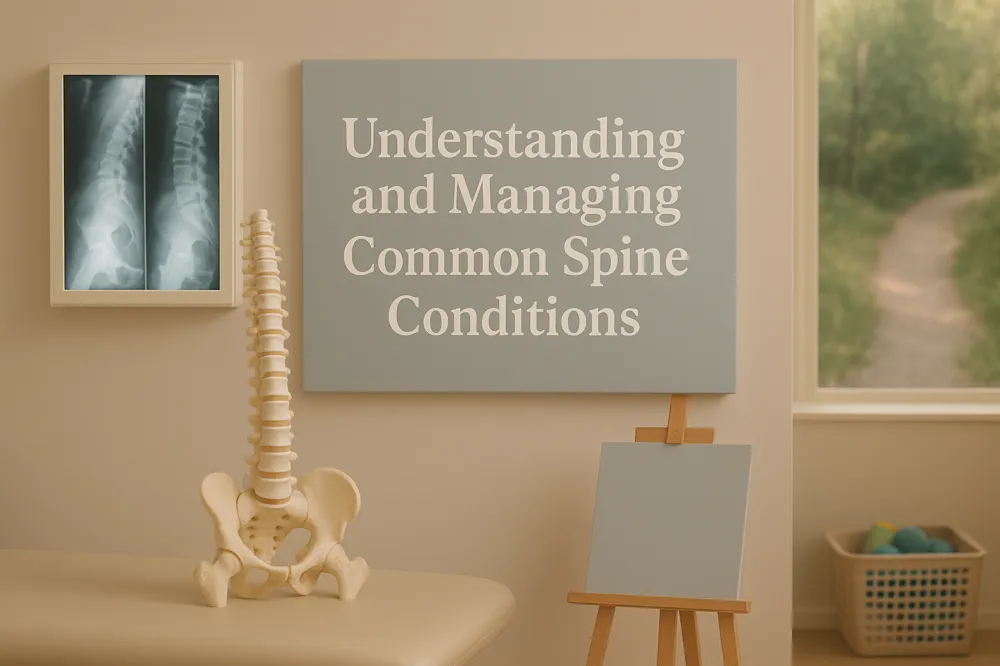
What are the common conditions treated by the Orthopedic Spine Institute?
The Orthopedic Spine Institute of St. Louis specializes in managing a variety of spine-related conditions often without surgery. These include herniated or slipped discs, spinal stenosis, scoliosis, degenerative disc disease, radiculopathy, and spinal instability. They also provide care for spondylolisthesis, spinal fractures, and infections affecting the spine.
Typical spine conditions such as herniated discs, spinal stenosis, scoliosis
Herniated discs occur when the cushioning discs between vertebrae bulge or rupture, potentially pressing on nearby nerves. Spinal stenosis involves the narrowing of the spinal canal, which can compress nerves and cause pain or weakness. Scoliosis is characterized by an abnormal curvature of the spine that can lead to discomfort and limited mobility. These conditions can impact a patient's ability to perform daily activities and affect quality of life.
Symptoms and impact on daily life
Patients with these spine conditions may experience symptoms ranging from localized back pain to radiating nerve pain, numbness, weakness, or tingling in the arms or legs. Such symptoms can interfere with walking, standing, sitting, and various physical tasks, sometimes leading to diminished work capacity and reduced social engagement.
Role of early diagnosis
Early and accurate diagnosis using imaging techniques like MRI or CT scans is crucial to identify the specific cause and extent of spine problems. Early intervention helps guide effective conservative treatments such as physical therapy for spine pain, injections, and medication. These approaches can halt or slow condition progression, reduce pain, and improve function, often avoiding the need for surgical intervention.
By adopting a multidisciplinary, personalized approach, the Orthopedic Spine Institute ensures that patients with spine conditions receive evidence-based care that optimizes recovery and quality of life.
Foundational Non-Surgical Treatments: Physical Therapy and Exercise
Core strengthening and posture retraining
Central to non-surgical management of chronic back pain is Physical therapy for chronic back pain focused on core muscle strengthening and posture retraining. Strengthening the core stabilizes the spine, supporting proper alignment and reducing strain on the back muscles and discs. Posture retraining techniques corrects improper positions that often exacerbate discomfort, facilitating long-term spinal health.
Tailored physical therapy programs
Physical therapy for chronic back pain programs are customized to each patient's unique condition and needs. These tailored approaches include specific exercises designed to address individual weaknesses and limitations, often incorporating manual therapy along with active rehabilitation. Early engagement in physical therapy can enhance recovery and prevent chronicity.
Benefits of aerobic and flexibility exercises
Alongside targeted strength work, Aerobic exercises for back pain improve cardiovascular health and increase blood flow, which aids tissue repair and reduces stiffness. Stretching and posture retraining enhance spinal mobility, decrease muscle tightness, and contribute to better functional movement.
Role of exercise in pain reduction and spinal stability
Regular participation in structured Exercise and physical therapy for back pain not only alleviates pain but also improves spinal stability. Studies show exercise programs can reduce back pain episodes by nearly 50%, helping patients return to daily activities with less discomfort. Strengthening and flexibility combined empower patients to maintain spinal health and prevent future flare-ups.
Mind-Body Therapies and Lifestyle Modifications
How can mindfulness and meditation for pain management, yoga and tai chi for chronic back pain benefit chronic back pain?
Mindfulness and meditation help manage the psychological toll of chronic back pain. These practices reduce stress and improve how the nervous system processes pain, making discomfort easier to handle. Yoga and tai chi for chronic back pain are gentle physical activities that combine stretching, balance, and breathing techniques. They not only enhance flexibility and core strength but also foster relaxation, which can lower pain intensity and improve function.
What lifestyle changes are recommended to improve back pain?
Adopting smart lifestyle habits can greatly influence back pain management:
- Pacing and activity modification: Avoid overexertion by breaking tasks into manageable intervals.
- Quitting smoking to reduce back pain: Quitting smoking improves blood flow and oxygen delivery to spinal tissues, promoting healing and reducing pain.
- Weight management and back pain: Maintaining a healthy weight lessens pressure on the spine, which can prevent and reduce pain.
These modifications help reduce strain on the spine and support long-term pain control.
How does diet impact back pain?
Eating an anti-inflammatory diet for back pain is beneficial for spine health. Reducing intake of trans fats, refined sugars, and processed foods can lower systemic inflammation, which often exacerbates back pain. Incorporating brightly colored fruits, vegetables, fatty fish like salmon, healthy fats such as olive oil, nuts, and seeds helps combat inflammation. Maintaining proper nutrition also supports healthy bone density and muscle function.
What is the role of psychological health in pain management?
Psychological well-being directly affects pain perception. Stress and anxiety can amplify pain signals, creating a cycle of discomfort and emotional distress. Mindfulness and meditation for back pain, cognitive behavioral therapy, and relaxation techniques help break this cycle by improving coping strategies and mental resilience. Better mental health contributes to reduced pain severity and enhanced ability to engage in physical therapy and daily activities.
Injection-Based Treatments and Other Minimally Invasive Options
What Injection-Based Treatments Are Commonly Used for Chronic Back Pain?
Injection therapies such as trigger point injections, epidural steroid injections, and nerve blocks are popular minimally invasive options for managing chronic back pain. These treatments deliver medication directly to affected areas to reduce inflammation and alleviate pain. Radiofrequency ablation (RFA) uses heat generated by radio waves to target and disable nerves responsible for transmitting pain signals, often providing relief lasting several months.
How Do These Treatments Support Physical Therapy and Pain Management?
Injection-based treatments primarily serve to provide short-term pain relief. This temporary reduction in pain can enable patients to participate more effectively in physical therapy for chronic back pain and exercise programs. By easing discomfort, injections help improve mobility, encouraging active rehabilitation which is foundational for long-term recovery.
What Are Advanced Neuromodulation Techniques?
For chronic pain unresponsive to conventional treatments, advanced options like spinal cord stimulation (SCS) and peripheral nerve stimulation offer electrical impulse therapies designed to disrupt pain signaling pathways. These neuromodulation techniques involve implantable devices that send controlled electrical pulses to the spinal cord or peripheral nerves, helping reduce chronic pain intensity with minimal side effects.
What Should Patients Know About the Limitations of Injection Therapies?
While injections can be valuable components of a multi-modal pain management strategy, they are generally not considered long-term solutions. Overreliance on repeated injections can pose risks and may delay more comprehensive treatment. Injections work best as adjuncts to physical therapy for chronic back pain, lifestyle modifications for back pain relief, and other conservative measures.
Engaging with a spine specialist and non-surgical spine program can help tailor a treatment plan incorporating these therapies effectively, ensuring pain relief while promoting functional recovery.
Alternative and Complementary Therapies for Back Pain
Acupuncture and Massage therapy benefits and Biofeedback therapy benefits
Acupuncture involves inserting fine needles at specific body points to stimulate the central nervous system and promote anti-inflammatory responses. Studies suggest it can reduce chronic low back pain, offering a non-drug approach that complements other treatments. Massage therapy, including Swedish, deep-tissue, and myofascial release techniques, boosts circulation, relaxes muscle tension, and has shown benefits in alleviating back pain symptoms. Biofeedback uses electronic sensors to help patients control physiological processes, reducing muscle tension and pain intensity, either alone or alongside other therapies.
Laser Therapy and Electrical nerve stimulation
Laser therapy applies focused light energy to affected tissues, aiming to reduce inflammation and accelerate healing. While evidence varies, it's considered safe and may provide symptom relief. Transcutaneous electrical nerve stimulation (TENS) uses low-level electrical currents to interrupt pain signals and decrease muscle spasms, often as part of physical therapy or pain management programs.
Osteopathic Manipulation Therapy (OMT)
OMT involves gentle manual adjustments performed by Doctors of Osteopathic Medicine to realign muscles and joints. This hands-on therapy helps restore normal motion, reduce pain, and improve function without surgery or medications.
Benefits and Risks of Alternative Treatments
Alternative therapies for chronic back pain are generally low-risk and suitable complements to conventional care for chronic back pain. They often enhance pain relief, reduce reliance on medications, and improve quality of life. However, effectiveness can vary individually, and some treatments may have minor adverse effects or require professional administration. Patients should consult their healthcare providers to design a personalized and safe treatment plan incorporating these therapies.
Pharmacologic Management Without Surgery
Effective Medications for Chronic Back Pain
Pharmacologic treatments for back pain include several classes of medications. Nonsteroidal anti-inflammatory drugs (NSAIDs), such as ibuprofen and naproxen, are commonly used to reduce inflammation and pain. Muscle relaxants help manage muscle spasms that may accompany back pain. Medications targeting nerve pain, like gabapentin, address neuropathic components of chronic pain. Antidepressants can also be prescribed at low doses to modulate pain perception, promoting relief beyond their mood-enhancing effects.
Risks and Limitations of Opioid Therapy
While opioids may be prescribed for severe pain, they are generally not recommended as a first-line or long-term treatment option for chronic back pain. Risks include tolerance, dependence, addiction, and adverse side effects. Careful consideration and close monitoring are essential if opioids are used, typically reserved for short-term scenarios or when other treatments have failed. See also Risks of opioid use in back pain.
Integrating Medications with Other Therapies
Medications are most effective when combined with Physical therapy for spine pain and behavioral interventions, such as cognitive-behavioral therapy. This multimodal approach not only manages pain symptoms but also improves function, encourages active participation in recovery, and addresses the psychological aspects of chronic pain.
Guidelines for Safe Medication Use
Safe use guidelines involve using the lowest effective dose for the shortest possible duration, monitoring effectiveness and side effects regularly, and avoiding medications that can cause harm in certain populations. Coordination with healthcare providers ensures medication regimens fit the patient’s overall care plan, emphasizing conservative management before considering When to consider surgery for back pain.
Navigating Care at the Orthopedic Spine Institute of St. Louis
How can patients prepare for an appointment with Dr. David S. Raskas?
Preparing for your visit at the Orthopedic Spine Institute with Dr. David S. Raskas ensures a productive and efficient appointment. Patients should bring a detailed record of their medical history, current medications, any allergies, and imaging or test results related to their spine condition.
Arriving early and completing any required paperwork ahead of time can reduce stress. Comfortable clothing is recommended since physical examinations might involve the spine, arms, or legs. Bringing a trusted friend or family member can help with asking questions and remembering physician advice.
Make a list of your symptoms or concerns and review any available educational materials from the clinic to maximize the appointment’s value. Follow up on test results and keep communication open with the care team for ongoing support.
What insurance plans are accepted at the Orthopedic Spine Institute?
The institute accepts a wide array of major insurance providers to make care accessible. These include:
| Insurance Provider | Accepted For | Notes |
|---|---|---|
| Aetna | General Coverage | Standard plan acceptance |
| Anthem BC/BS | General Coverage | Broad network coverage |
| Cigna | General Coverage | Active participation |
| Humana | General Coverage | Accepted commonly |
| Kaiser | Limited Providers | Only for select doctors like Dr. Hugate and Justin Burtz |
| Medicaid | Trauma cases only | Limited coverage |
| Medicare | General Coverage | Standard coverage |
| Tricare | General Coverage | Included in accepted plans |
| United Healthcare | General Coverage | Accepted fully |
Non-traditional and third-party insurances like Cost Sharing, Health Care Sharing Ministries, Short-term plans, or auto insurance are not accepted as primary coverage. Patients should verify with the institute or their insurer to confirm benefits prior to their visit.
What treatment approaches are offered at the institute?
The Orthopedic Spine Institute prioritizes patient-centered and personalized care. Treatment begins conservatively, focusing on physical therapy for spine pain, advanced pain management, and medication options.
If surgical intervention is necessary, minimally invasive surgery (MIS) methods are employed. These techniques reduce incision sizes and tissue disruption for faster healing and less scarring. Examples include discectomy, laminectomy, vertebroplasty, kyphoplasty, and spinal fusion.
Advanced treatments like artificial disc replacement and endoscopic surgery expand options for specific spinal conditions. Surgery is recommended only after thorough evaluation and when conservative treatments are insufficient (criteria for back pain surgery).
When do surgical options become appropriate?
Surgery is considered after non-surgical treatments for chronic back pain have been fully explored without adequate relief or when structural abnormalities cause significant neurological deficits or instability.
The decision is based on comprehensive assessments, including diagnostic imaging and symptom severity (imaging techniques for spine pain). The institute’s philosophy emphasizes minimizing risks and focusing on recovery using the least invasive methods.
Open communication between patients and providers ensures that surgical care is timely and tailored to individual needs, balancing effective pain relief with quality of life.
This comprehensive approach at the Orthopedic Spine Institute of St. Louis supports patients throughout their spine care journey, combining evidence-based non-surgical treatments for chronic back pain strategies with advanced surgical options when appropriate.
Embracing Effective Non-Surgical Spine Care
Importance of Conservative Treatment as First Step
Conservative care is the foundation for managing most spine and back pain conditions. Approximately 90% of back pain cases improve without surgery when treated with interventions like physical therapy, medication, and lifestyle changes. Early engagement in conservative treatment helps reduce pain, enhance function, and may prevent progression.
Combination of Therapies for Best Outcomes
The most effective spine care combines multiple approaches tailored to individual needs. This includes core strengthening exercises, targeted physical therapy, mindfulness practices, anti-inflammatory diet adjustments, and when needed, minimally invasive procedures like injections or nerve ablation. Such multimodal programs address both physical and psychological aspects of chronic pain.
Encouraging Patients to Seek Personalized Care Early
Seeking specialized evaluation early ensures a precise diagnosis and a customized treatment plan. Patient-centered care emphasizes ongoing monitoring and adjustment of therapies to maximize recovery while minimizing risks. A proactive approach to non-surgical spine care can improve quality of life and often eliminates the need for surgery.