Why Speed Matters in Back Pain Relief
Pain is a National Problem That Moves Fast
Chronic low back pain is not a rare complaint. It affects up to 23% of adults worldwide and remains one of the most common reasons for missed work and doctor visits. In the United States alone, back pain is the costliest health condition, impacting nearly 65 million people. With statistics like these, the search for a solution that works quickly is understandable.
The Case for Acting Early
Getting the right care early can change the course of the condition. Research shows that patients who begin physical therapy at the first sign of low back pain have an 89% lower probability of receiving an opioid prescription and are 28% less likely to need advanced imaging like an MRI. Early, effective treatment helps break the cycle of pain, stiffness, and inactivity that often makes chronic pain worse. This is why the preferred approach for most low back pain is to start with conservative, non-invasive options.
What Conservative Options Are Available?
Conservative treatments avoid surgery and strong medications. They are the first line of defense and include physical therapy, exercise, patient education, and increasingly, high-intensity laser therapy (HILT). These methods aim to restore function and reduce pain without the risks of more invasive procedures. The choice between them often comes down to how quickly they can provide relief. | Low Back Pain | U.S. Prevalence | Early Treatment Benefit | Conservative Options | |---|---|---|---| | Chronic cases | ~65 million affected | 89% less opioid use with early PT | Physical therapy | | Leading cause of disability | Costliest health condition | 28% fewer MRIs with early PT | Laser therapy (HILT) | | Affects 23% of adults | High annual costs | Reduces emergency visits by 15% | Exercise and education |
Common Pitfalls: What Not to Do When Pain Strikes
 When back pain hits, the instinct to rest or push through the pain can backfire. Knowing what to avoid is just as important as knowing what to do.
What's the worst thing to do for back pain?
Ignoring the pain and delaying treatment tops the list. This can turn a minor issue into a chronic condition. Prolonged sitting without breaks also puts extra pressure on your spine and weakens core muscles. Poor posture, like slouching, strains spinal ligaments. Lifting heavy objects by bending at the waist instead of using your legs is another major risk that can cause injuries like herniated discs. Skipping core-strengthening exercises leaves your spine unsupported.
Can physical therapy make spinal stenosis worse?
Physical therapy is generally safe and effective for spinal stenosis. However, improper techniques can be counterproductive. Overly aggressive extension stretches, such as the cobra pose, can narrow the spinal canal and worsen symptoms. High-impact activities like running also pose a risk. The key is working with a qualified physical therapist who tailors exercises to avoid movements that increase nerve compression. When guided correctly, physical therapy strengthens supporting muscles and improves flexibility without aggravating the condition. A conservative-first approach, as emphasized by leading spine institutes, is always the safest starting point.
Physical Therapy in Action: What to Expect and How Effective It Is
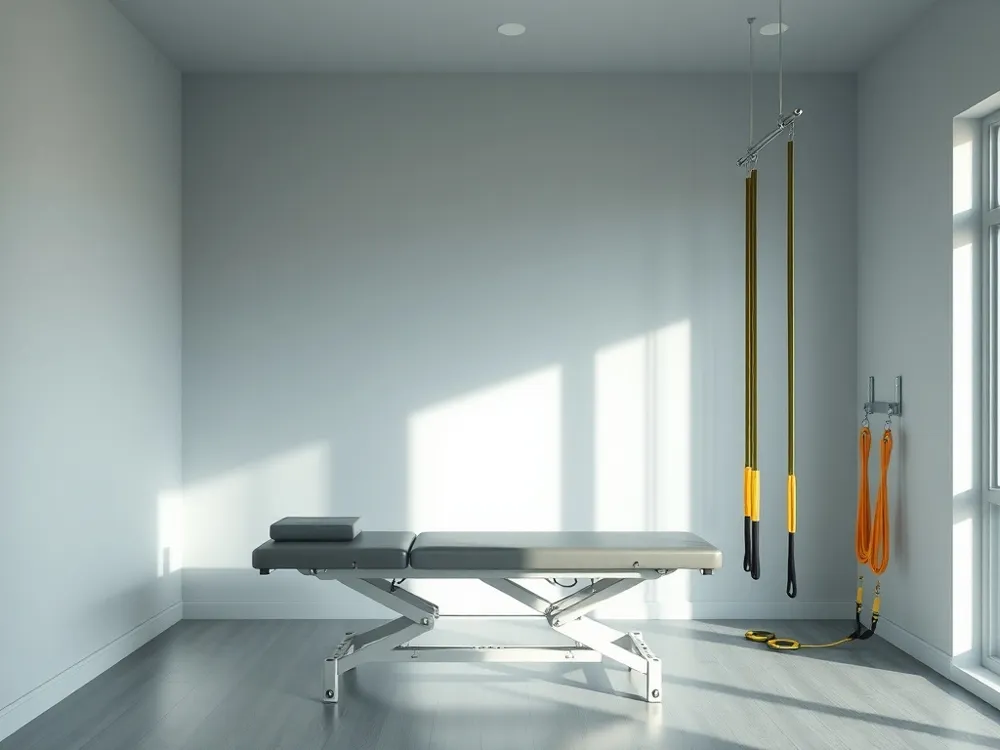 Physical therapy is a cornerstone of conservative back pain care. But how effective is it, and what does a typical treatment plan involve? Let’s look at the evidence and the process.”} ### Does physical therapy really work for back pain? Yes, physical therapy is highly effective for back pain and is considered a mainstay of nonsurgical treatment. Research shows that 60–80% of patients experience significant pain reduction and improved function when physical therapy is combined with a consistent home exercise program. As experts emphasize, exercise is the foundation of chronic back pain treatment, and a tailored regimen focusing on core strengthening, flexibility, and posture retraining can address the root causes. Staying active with guided physical therapy helps prevent future pain and reduces reliance on invasive procedures. For lasting relief, it is essential to follow a personalized program supervised by a qualified spine physical therapist. ### What to expect at physical therapy for lower back pain? At your first physical therapy session for lower back pain, you’ll undergo a thorough evaluation of your posture, movement patterns, and pain triggers. Your therapist will then guide you through a personalized program that typically includes core strengthening, stretching, flexibility exercises, and retraining of posture. Manual therapy techniques may be used to relieve tension, and you’ll learn how to modify daily activities to avoid aggravating your pain. Follow‑up visits focus on supervised exercise, gradually increasing intensity, and tracking your progress to ensure consistency. A key part of therapy is a home exercise regimen, which is essential for maintaining spinal strength and stability between sessions. ### What is the average number of physical therapy visits for low back pain? For acute low back pain, patients typically attend 6–12 physical therapy sessions, while chronic cases may require up to 20 visits depending on severity and response. Research specifically on chiropractic spinal manipulation found that 12 sessions over six weeks yielded the most favorable pain reduction and functional improvement, with benefits sustained after 52 weeks. A study of Medicare beneficiaries with low back pain indicated that those receiving multiple therapy visits had lower overall Medicare spending compared to those with only one visit. Therefore, the average number of visits often falls in the 6–12 range for acute episodes, but chronic or complex cases may need more, with 12 sessions being a common effective dose. Ultimately, the precise number depends on individual factors, treatment response, and adherence to home exercise programs. ### What is the 80/20 rule in physiotherapy? The 80/20 rule suggests that roughly 80% of the results come from 20% of the effort. In physiotherapy, this means most of your progress is driven by what you do outside the clinic—namely, regular home exercises and self‑care—rather than the time spent during appointments. This highlights the importance of adhering to your home program for lasting results. ### How can you perform physiotherapy for back pain at home? A home physiotherapy program for back pain should include gentle stretches and strengthening exercises performed consistently, ideally twice daily. Key moves include knee‑to‑chest stretches, lower back rotational stretches, pelvic tilts, and bridges to improve flexibility and core support. For disc‑related pain, avoid forward bending and instead focus on lumbar extension standing by leaning back with hands on your hips. The cat stretch and seated rotational stretch also help maintain mobility. Always listen to your pain levels, start with a few repetitions, and gradually increase as you improve—if pain worsens or radiates down your legs, consult a healthcare professional.| Aspect | What It Is | Why It Matters | | :--- | :--- | :--- | | Initial Evaluation | Review of posture, movement, and pain triggers | Identifies root causes and guides personalized plan | | Core Elements | Exercises, manual therapy, posture training | Reduces pain, improves function, prevents recurrence | | Visit Frequency | 6–12 visits for acute pain; up to 20 for chronic | Consistent sessions with home program produce best outcomes | | The 80/20 Rule | 80% of progress from 20% effort (home exercises) | Emphasizes daily self-care for lasting relief | | Home Physiotherapy | Stretches (knee-to-chest, pelvic tilts) and strengthening (bridges) | Supports recovery between clinical visits |
When Orthopedic Specialists Step In: Scoliosis and Minimally Invasive Surgery
Can an orthopedist help with scoliosis?
Yes, an orthopedist is the primary specialist for diagnosing and managing scoliosis in both children and adults. They offer a range of nonsurgical treatments, such as monitoring small curves, bracing for moderate curves, and physical therapy like the Schroth Method to improve posture and reduce pain. For larger or progressive curves—typically over 45 degrees—orthopedic surgeons can perform spinal fusion surgery to correct and stabilize the spine. Orthopedists also treat all types of scoliosis, including idiopathic, degenerative, and neuromuscular forms. Early evaluation by an orthopedist helps create a personalized treatment plan to prevent curve progression and maintain quality of life.
What are the downsides of minimally invasive spine surgery?
While minimally invasive spine surgery generally has fewer complications than open surgery, it still carries risks including anesthesia reactions, blood clots, infection, and pneumonia. Additional downsides include potential damage to surrounding tissues, spinal cord, or nerves that can result in pain, loss of function, or even paralysis. Spinal fluid leakage and postoperative pain are also possible, and in some cases surgical difficulties may require switching to a more traditional approach. Because the surgeon works through small incisions with limited visibility, the risk of incomplete decompression or nerve injury can be a concern. Patients should discuss these potential downsides with their surgeon to make an informed decision.
Integration with Conservative Therapies
Minimally invasive spine surgery is rarely a first-line treatment. Orthopedic specialists typically recommend conservative therapies first, such as physical therapy, anti-inflammatory medications, and epidural steroid injections. Surgery is considered only when these options fail to provide adequate relief or when neurological symptoms like leg weakness or loss of bladder control develop. The best outcomes often occur when surgery is combined with a structured rehabilitation program. Physical therapy before surgery (prehabilitation) and after surgery helps strengthen supporting muscles, improve posture, and speed recovery. This stepwise approach ensures that patients maximize non-surgical options while reserving surgery for those who truly need it.
| Feature | Scoliosis Management | Benefits | Risks |
|---|---|---|---|
| Orthopedic Specialist | Diagnosis, bracing, therapy | Expert monitoring, curve control | Condition may still progress |
| Minimally Invasive Surgery | Corrects large curves | Less blood loss, faster recovery | Nerve injury, infection, spinal fluid leak |
| Conservative Therapies | Physical therapy, bracing | Avoids surgery, improves function | Slower results, not for large curves |
Laser Therapy: How It Works, What It Offers, and Its Limitations
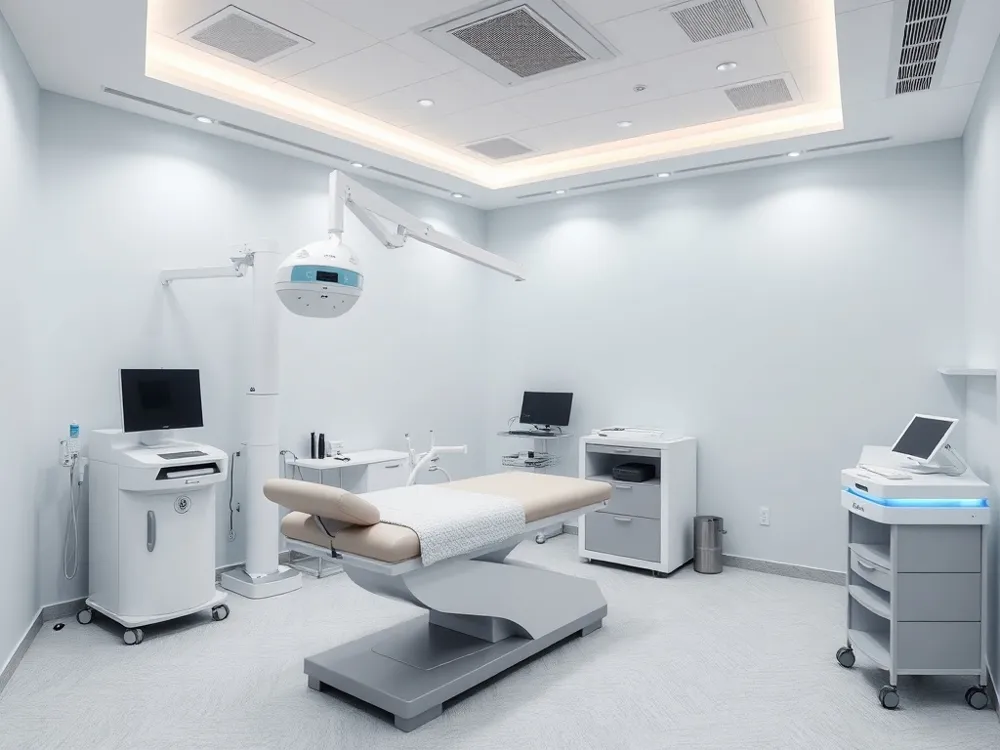
Does laser therapy work for back pain? Understanding the mechanism of photobiomodulation
Laser therapy, also known as photobiomodulation (PBM), uses specific wavelengths of light to stimulate cellular healing. The photons from the laser are absorbed by the mitochondria in your cells, increasing the production of adenosine triphosphate (ATP)—the primary energy source for cellular repair. This process enhances blood flow, reduces inflammation, and promotes natural tissue repair. For back pain, this can mean reduced inflammation around the spine, decreased muscle spasms, and relief from nerve irritation.
Studies on laser therapy for back pain show mixed results. A 2022 meta-analysis concluded that both low-level laser therapy (LLLT) and high-intensity laser therapy (HILT) can help reduce pain severity and improve function in people with nonspecific chronic low back pain, but the benefits were statistically significant only up to three months. Another systematic review found insufficient evidence to support or disprove LLLT's effectiveness for pain relief or disability. The National Center for Complementary and Integrative Health (NCCIH) states there is low to moderate-quality evidence that LLLT could help people with chronic low back pain.
What are two drawbacks of laser therapy? Clinical evidence for pain relief and its limitations
The two most recognized drawbacks of laser therapy are that multiple sessions are typically required to see noticeable results, and outcomes vary widely between individuals and conditions. In studies, patients usually need 6 to 20 sessions over several weeks. Even then, some patients may not respond as well as others, especially for chronic or severe conditions like herniated discs or spinal stenosis. A 2025 review found that HILT and LLLT are equally effective in improving pain, strength, and quality of life in musculoskeletal disorders, but larger, better-quality studies are needed.
What are the side effects of laser therapy for back pain?
Side effects are generally mild and temporary. Common reactions include skin redness, warmth at the treatment site, and a temporary increase in pain or discomfort, which typically resolve within hours to days. Rare but more serious side effects can include superficial burns, blisters, or nerve sensitivity, especially if safety protocols are not followed. Proper eye protection is essential. When administered by trained professionals, serious adverse events are uncommon.
What is the cost of laser treatment for back pain?
The cost typically ranges from $50 to $150 per session for standard LLLT or Class IV laser therapy. Deep tissue or premium laser sessions can cost $100 to $200 per session. Most patients require multiple sessions, often 6 to 20, so total treatment costs may fall between $300 and $2,000 or more. Insurance coverage varies; many providers consider laser therapy an out-of-pocket expense.
The role of laser therapy in a conservative care plan
Clinicians emphasize that laser therapy is most effective when combined with physical therapy, exercise, and lifestyle changes. It is not a standalone cure. For patients considering their options, laser therapy can be a helpful adjunct for brief pain relief, but physical therapy and exercise remain the foundation of evidence-based conservative care for back pain.
| Treatment Aspect | Laser Therapy | Physical Therapy & Exercise |
|---|---|---|
| Mechanism | Photobiomodulation, cellular ATP increase, reduced inflammation | Strengthening, flexibility, manual therapy, education |
| Evidence for Back Pain | Mixed: modest short-term pain relief; low to moderate quality | Strong: long-term pain reduction, functional improvement, prevention |
| Side Effects | Mild: redness, warmth, rare burns or nerve sensitivity | Minimal: temporary soreness, rare injury with improper technique |
| Cost per Session | $50-$200; often out-of-pocket | $30-$150; typically covered by insurance |
| Typical Treatment Course | 6-20 sessions over weeks | 8-12 sessions; home exercises ongoing |
| Role in Care | Adjunct; not standalone | First-line, foundational conservative care |
| Long-term Benefits | Short-term pain relief; effects may wane after 3 months | Sustained functional gains, reduced recurrence risk |
Bottom Line: Speed, Safety, and Selecting the Right Path
How Quickly Can You Expect Pain Relief?
Patients often want to know which treatment offers faster results. Clinical evidence shows that laser therapy can provide more immediate pain relief compared to traditional physical therapy alone. For example, a 2019 study noted that patients receiving high‑intensity laser therapy (HILT) reported significant pain reduction after just ten sessions over two weeks, while the control group using ultrasound therapy saw slower progress. This speed comes from laser therapy’s direct cellular effects, which reduce inflammation and increase blood flow to the affected area. However, physical therapy, which builds strength and corrects movement patterns, typically requires several weeks or months of consistent effort before noticeable improvements in daily function emerge.
Which Treatment Delivers Better Long-Term Results?
While laser therapy offers quicker early relief, the evidence shows that both laser therapy and structured physical therapy produce excellent long‑term outcomes, especially when combined. A 12‑month study found that patients who received spinal manipulation plus laser therapy and exercise achieved the greatest reductions in pain and disability. Research also confirms that HILT combined with exercise is significantly more effective for long‑term functional improvement than ultrasound or medication alone. A systematic review of over 1,300 participants ranked mild‑dose HILT combined with exercise among the highest for pain reduction. Furthermore, early physical therapy has been shown to reduce the likelihood of opioid use by 89% and avoids the side effects of medication. A 2025 review of 28 studies concluded that laser therapy and physical therapy are equally effective for improving pain, strength, and quality of life, but physical therapy uniquely addresses the underlying muscular weaknesses that cause recurring back pain.
How to Choose the Right Path for You
The best approach often combines the strengths of both therapies. Laser therapy provides rapid, non‑invasive pain relief that can help a patient tolerate the movement required for effective physical therapy. Many practices, such as the Orthopedic Spine Institute of St. Louis and Washington University Orthopedic Spine Center, follow a conservative‑first model, beginning with non‑surgical options like physical therapy and laser before considering surgery. The table below summarizes the distinct benefits of each option.
| Therapy | Speed of Relief | Primary Goal | Best For |
|---|---|---|---|
| Laser Therapy (HILT/LLLT) | Fast (days to 2 weeks) | Reduce inflammation & pain | Acute flare‑ups, pre‑PT pain control |
| Physical Therapy (Exercise & Manual) | Gradual (weeks to months) | Build strength & correct posture | Long‑term function, preventing recurrence |
| Combined Approach | Balanced | Immediate relief + lasting recovery | Chronic pain, complex cases |
Integrating these therapies leads to optimal recovery. The most effective plan is a multimodal one, where laser therapy quickly breaks the pain cycle, enabling a patient to fully engage in physical therapy for sustainable functional improvement.
Choosing the Faster, Safer Route to Back Pain Freedom
Deciding on a back pain treatment path is a significant choice. The options range from conservative physical therapy to advanced laser modalities, and finally, to surgery. Understanding the evidence and the process is the first step toward freedom from pain.
Summarizing the Key Takeaways
Current medical evidence provides a clear perspective on treatment effectiveness.
- Conservative Care First: Physical therapy (PT) and exercise are the most strongly recommended first-line treatments for chronic low back pain. Research shows that starting with PT drastically reduces the need for opioids and advanced imaging.
- Laser Therapy as an Adjunct: High-Intensity Laser Therapy (HILT) is a safe, non-invasive tool that can significantly reduce pain in the short term (up to three months). However, its effectiveness is maximized when combined with exercise, not as a standalone cure.
- Long-Term Results: While both PT and laser therapy can reduce pain, physical therapy is proven to improve long-term function and prevent recurrence. The strongest results for chronic pain come from a combination of spinal manipulation, laser therapy, and conventional exercise.
- Safety Profile: Both PT and HILT have excellent safety records with minimal side effects, especially when compared to opioid medications or surgical risks.
Emphasize Early Conservative Care
All evidence points to the same conclusion: starting with conservative, non-surgical care is the fastest and safest route to recovery. Physical therapy is the cornerstone of this approach. It provides functional restoration, education to prevent future injury, and excellent pain reduction without the need for drugs or knives. A 2019 clinical study confirmed that HILT combined with a structured exercise program was superior to older methods like ultrasound therapy, but the exercises themselves were essential. This reinforces the principle that active rehabilitation is critical for lasting success.
Consultation and Next Steps
You don't have to navigate this journey alone. The Orthopedic Spine Institute of St. Louis (OSISTL) follows a patient-first model that prioritizes these very principles: conservative, non-surgical treatment before any surgical consideration. Our multidisciplinary team, which includes leading orthopedic and neurological surgeons, collaborates to design a personalized plan just for you.
| Approach | Effectiveness | Key Advantage | Typical Recovery Time |
|---|---|---|---|
| Physical Therapy | Strong & Consistent | Improves function and prevents recurrence | Gradual, long-term |
| High-Intensity Laser (HILT) | Moderate & Short-term | Rapid pain relief (up to 3 months) | Immediate, no downtime |
| Combined: PT + Spinal Manip. | High & Long-lasting | Best for chronic pain and function | Moderate, sustained |
| Minimally Invasive Surgery | High (for specific conditions) | Addresses structural problems | 2–4 weeks |
We encourage you to schedule a consultation with an OSISTL specialist. We will help you understand your condition and guide you through the safest, most effective treatment options to get you back to the activities you love, faster.